
Reviewed · KATHMANDU FOOD TOURS
Kathmandu Secret Food Crawl & Local Market Tour
Kathmandu’s food culture is easiest to understand one small bite at a time. On this two-hour walk, you explore Ason Bazar and local food spots with an English-speaking guide, sampling dishes that can be hard to identify, let alone find, on your own.
I like two things here: the generous spread of local foods, with at least five items and drinks included, and the way food stops come with context about Newar traditions and Kathmandu life. The guide can make an unfamiliar dish feel less like a gamble and more like a useful introduction.
The main consideration is pace and appetite. Two hours can hold a lot of tasting, and portions may add up quickly. If you have dietary restrictions or a short window before another appointment, tell the guide before setting out; the tour details do not specify dietary options or a fixed food menu.
At a glance
- Ason Bazar is the main market draw: See Kathmandu’s old trading quarter and its mix of local commerce, crafts, and traditions.
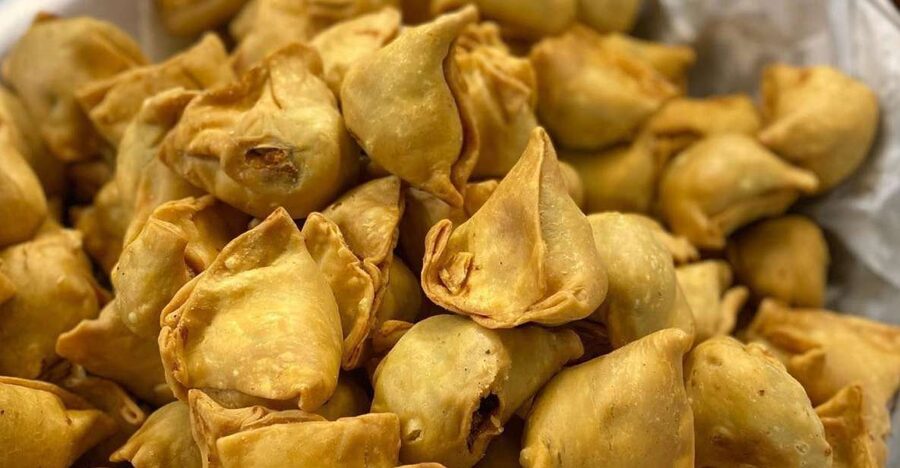
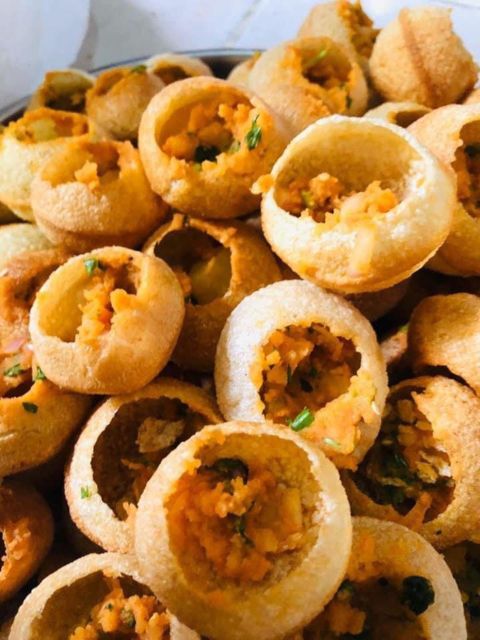
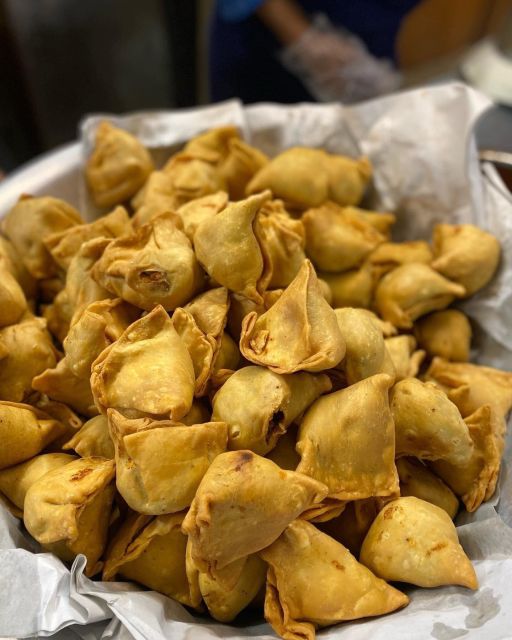
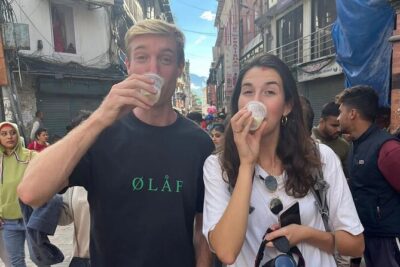
- Expect at least five tastes, plus drinks: The exact selection can vary, but foods tried on this route have included laphing, pani puri, lassi, momos, samosas, and Newari dishes.
- The guide adds cultural context: Food stops can lead to conversations about Newar customs, local life, religion, history, and society.
- You’ll visit places that are easy to miss: Small stalls and back lanes are part of the appeal, especially if you are new to Kathmandu.
- The walk is short but filling: Two hours is a practical introduction, though the amount of food can feel like a full meal.
- It costs $28 per person: Food and beverages, with a minimum of five items, are included, which makes the price good value for a guided tasting walk.
Ason Bazar is more than a place to eat
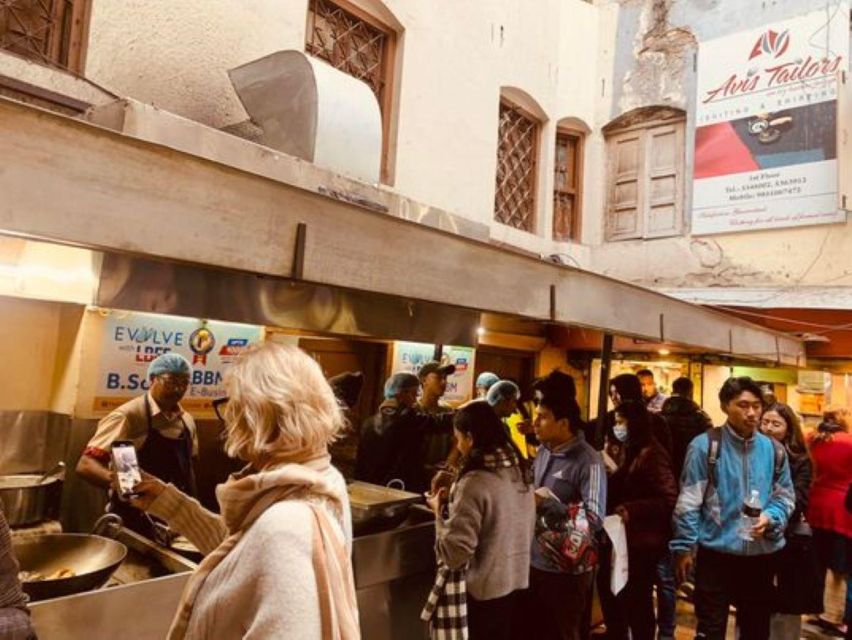
The tour focuses on Ason Bazar, described as Kathmandu’s oldest local market. That matters because this is not simply a string of food samples chosen for visitors. A market walk gives you a view of the city as a place where people shop, work, and keep traditions in daily use.
Expect to look beyond the plate. The tour highlights Newar crafts and traditions, as well as the customs of other communities, and connects those details to the streets you pass through. A guide can explain what you are seeing while you move through the district, rather than leaving you to piece it together later.
Ason is also a useful setting for noticing how food fits into ordinary city life. Stalls and small shops are not arranged as a formal tasting room; they are part of a working market. That can make the experience feel more immediate, but it also means you should be ready for a walk through busy local streets rather than a polished restaurant itinerary.
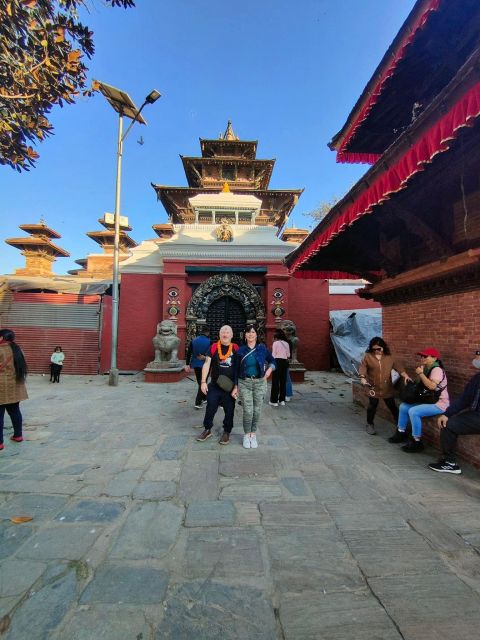
The meeting point is the main gate of Chhaya Devi Complex. From there, the route is described as a walk around local markets and food spots. Some descriptions and accounts of the tour refer to stops in Thamel and narrow side lanes as well, so the exact route may vary. Ask your guide what the day’s walk will cover if a particular market or neighborhood matters to you.
More food tours in Kathmandu:
- Kathmandu Food and Drink Walking Tour
★ 5.0 · 266 reviews - Kathmandu: Food and Drink Walking Tour
★ 4.9 · 119 reviews - Walking Street Food Tour in Kathmandu
★ 5.0 · 111 reviews
Small stalls, unfamiliar dishes, and a very full stomach
Food is the heart of the tour, and variety is one of its strengths. You are promised a minimum of five food items with drinks, but the exact menu is not fixed. That flexibility suits a street-food walk: your guide can take you to places serving what is available and appealing that day.
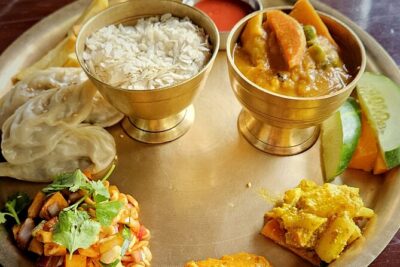
You might encounter Newari dishes such as yomari, a steamed dumpling filled with molasses and sesame, or samay baji, a traditional platter built around beaten rice, spiced buffalo meat, and pickles. These foods offer more than new flavors. They help explain the culinary traditions of the Newar community, Kathmandu Valley’s Indigenous people.
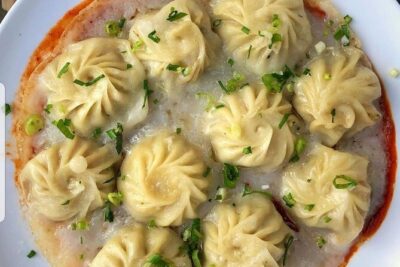
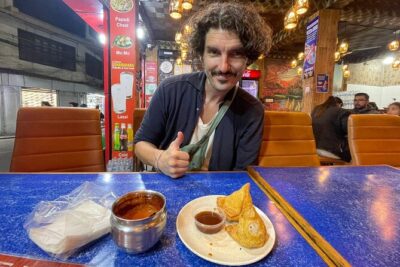
Other possible tastes include chatamari, often compared to a Newari pizza, and laphing, a cold, spicy mung-bean noodle dish. Street-food stops may also include momos, pani puri, samosas, buckwheat pancakes, or lassi. These are examples, not a guaranteed checklist, so come curious rather than planning your day around one specific dish.
A guided tasting can be especially helpful when names and ingredients are unfamiliar. Your guide can explain what is on the plate and how a food fits into local customs. If you are hesitant to try something, ask what it contains before ordering or tasting. The tour includes food and drinks, but no dietary accommodations are specified, so raise allergies, dietary needs, or strong preferences before the walk begins.
The portions are worth taking seriously. Several items over two hours can leave you full, even if each serving looks modest at first. I would avoid scheduling a large meal immediately afterward and arrive hungry, but not so hungry that you feel rushed to eat every sample.
The guide turns a tasting into a cultural walk
The best reason to book with a guide is not just finding a stall. It is having someone explain the food and the neighborhood in the same conversation. Santosh is named in many accounts of the tour, and is described as friendly, flexible, and able to discuss subjects well beyond what is on the menu. Your assigned guide may be someone else, but the activity is led in English.
The conversation can range from food and local customs to Kathmandu’s history, religion, politics, and society. That breadth is useful if you are arriving in the city and want an orientation as well as a meal. One person even joined the tour shortly before a trekking appointment, and the guide adjusted the timing. That is a helpful example of flexibility, not a guarantee that every schedule can be changed.
There is a practical balance to keep in mind. A two-hour tour can cover several stops and a good deal of information, so the walk may feel brisk. One account described the guide as hurrying through some places. If you want time to browse a market, linger over a dish, or take photos, say so early and ask how much the route can accommodate.
This is also a good setting for questions you might not ask while ordering on your own. What is this made from? Is it spicy? How is it usually eaten? A guide’s explanation can make it easier to try something new while giving you useful words and context for later meals around Kathmandu.
What $28 buys you
At $28 per person, the tour includes an English-speaking guide, government taxes and official expenses, and all food and beverages, with a minimum of five items. The value depends partly on how much you eat, but it also includes the route-finding and cultural explanation that can be difficult to get from a quick stop at a street stall.
You are paying for access to local food places as much as for the food itself. Side-lane vendors may not be obvious to a first-time visitor, and a guide can help you order, understand what you are tasting, and move between stops with less guesswork. That is particularly useful if you are traveling alone or are unsure about trying unfamiliar street food.
The food quantity can make the price feel especially worthwhile. Tastings are often described as plentiful, and the tour may include more than the minimum five items. Still, the menu and number of actual tastings are not guaranteed beyond that minimum, so treat the price as a guided introduction rather than a promise of a particular list of dishes.
Personal expenses are not included. If you want to buy crafts or other goods at the market, budget separately. The tour’s value is strongest for someone who wants food, local context, and help finding places they might not confidently locate alone.
More market visits in Kathmandu:
- Kathmandu Food Crawl & Market Tour
★ 5.0 · 26 reviews - Best Nepali Cooking Class in Thamel with Local Market Trip
★ 5.0 · 26 reviews - Oldest Local Market Walking Tour with Living Goddess Kumari
★ 5.0 · 8 reviews - Oldest Local Market Walking Tour With Living Goddess Kumari
★ 5.0 · 8 reviews
Who will get the most from this walk
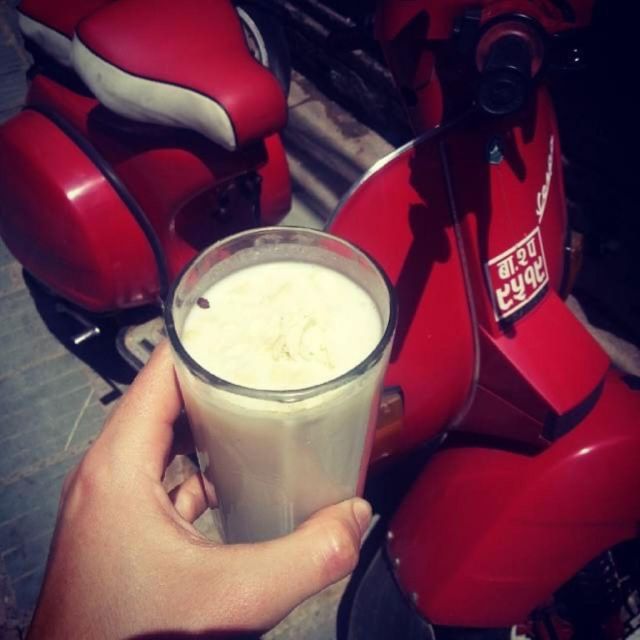
I’d choose this tour early in a Kathmandu stay. It offers a quick introduction to local foods, the market district, and city customs, which can help you make more informed choices during the rest of your visit. It also gives you a useful first look at the everyday side of Kathmandu beyond restaurants aimed at visitors.
Food-curious travelers will get the clearest benefit, especially if Newari cooking and street snacks are new to them. The walk is also suited to solo visitors who would rather have help choosing unfamiliar foods, and to anyone who likes to learn while eating. If your main interest is browsing crafts at length, viewing a specific landmark, or having a quiet sit-down meal, this is probably not the best fit.
Be ready for flavors that may be quite different from familiar restaurant fare. A good food tour does not need every dish to become a favorite; part of the point is to understand what local people eat and why. If you prefer predictable menus or need strict control over ingredients, check with the operator before booking.
Should you book the Kathmandu Secret Food Crawl?
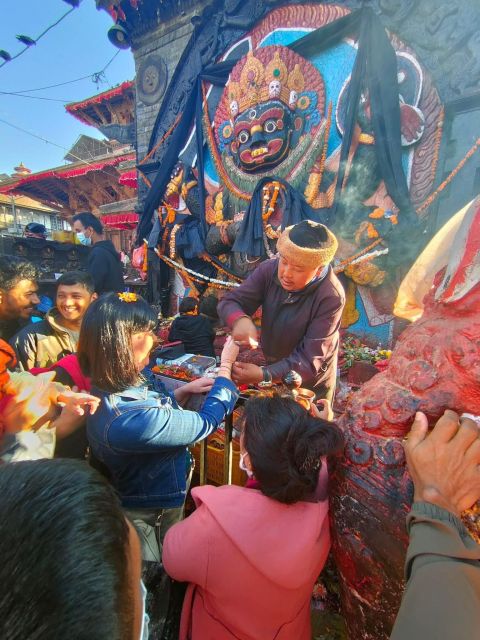
Book it if you want a compact, guided introduction to Kathmandu’s market food and Newar culture, and you are willing to try dishes you might otherwise pass by. The minimum of five foods and drinks, the English-speaking guide, and the chance to visit small local stalls make $28 a fair price for more than a snack stop.
I would skip it if you want a slow market visit, have a firm food plan, or cannot comfortably eat a range of unfamiliar items. If you do book, arrive hungry, mention dietary needs before the walk, and tell the guide if you need to keep an eye on the clock. For most food-minded visitors, it is a practical way to find your bearings and taste beyond the usual tourist menu.
FAQ
How long is the Kathmandu Secret Food Crawl?
The tour lasts two hours.
What is the price?
The listed price is $28 per person.
Where do I meet the guide?
The meeting point is the main gate of Chhaya Devi Complex.
What food and drinks are included?
All foods and beverages are included, with a minimum of five items. The exact menu is not specified and may vary.
Is the tour led in English?
Yes. The tour has a live English-speaking guide.
Does the tour visit Ason Bazar?
Yes. Exploring Ason Bazar, described as Kathmandu’s oldest local market, is one of the tour’s main highlights.
Can I cancel for a refund?
Yes. You can cancel up to 24 hours in advance for a full refund.
Newly listed in Kathmandu
- Traditional Momo Making Class★ 5.0 · 10 reviews
- Kathmandu 2 Nights 3 Days Chitwan Jungle Safari Tour★ 5.0 · 9 reviews
- Walking tour of real Kathmandu through back streets.★ 5.0 · 3 reviews
- Visit Swayambhunath and Bauddhanath Stupa with Guide★ 5.0 · 5 reviews
- Walking tour of Kathmandu with awesome local guides★ 5.0 · 4 reviews
- Kathmandu Street Food Walking Tour – Eat Like a Local★ 5.0 · 3 reviews
- Private Manaslu Circuit Trek at Himalayas★ 5.0 · 3 reviews
- Kathmandu to Pokhara Vip Sofa Bus Ticket★ 4.0 · 4 reviews
Kathmandu Food Tours, compared.
Secret Food Tour – Food Bites and Sights Kathmandu 14+ Testings
Read our review →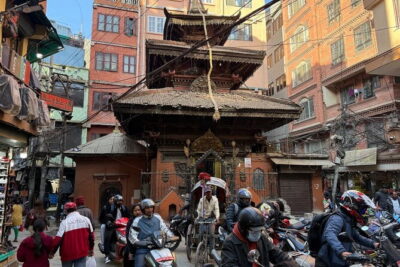
Kathmandu Food & Drink and Shopping Rickshaw Tour
Read our review →
Walking Food Tour in Hidden Local Eateries of Kathmandu
Read our review →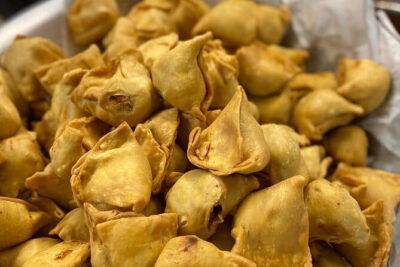
Kathmandu Food & Drink Walking Tour Taste Local Delicacies
Read our review →
Private half day Medieval Kirtipur town with Newari food tasting trip
Read our review →Browse the lists this tour appears in