
Reviewed · KATHMANDU UNESCO HERITAGE TOURS
Private Kathmandu Sightseeing Tour | UNESCO World Heritage sites
Kathmandu’s sacred sites make more sense when someone helps you read what you’re seeing. This private tour links Hindu temples, Buddhist stupas, and old palace squares by car, with a guide to explain the rituals, symbols, and stories that are easy to miss on your own.
I like the choice of two, four, or seven UNESCO sites, which lets you match the day to your energy, and the hotel pickup with private transport, which saves you from navigating Kathmandu’s traffic between far-flung sights. One consideration: the seven-site option can make for a long day, and the listed site plan is broad enough that you should confirm exactly which stops your chosen option includes.
At a glance: what matters most
- Choose your pace: The tour offers two, four, or seven UNESCO sites, with an estimated duration of four to ten hours.
- Get context, not just transfers: An English-speaking guide explains the religious and historical meaning of each place.
- Expect time in the car: Kathmandu’s sites are spread across the valley, and traffic can add to the day.
- Budget for entry fees: Monument admission is not included in the advertised $17 per person price.
- Ask about your exact route: The schedule includes sites from several parts of the valley, with some repeated entries.
- Use the private format: Only your party joins, so you can ask questions and request a pace that suits you.
Why a guide changes the visit
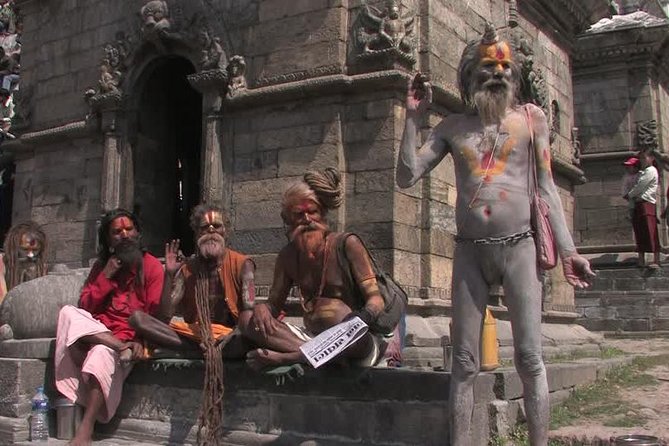
Kathmandu’s monuments are not simply old buildings to photograph. At Pashupatinath, religious practice is part of the setting. At Boudhanath, the stupa is a place of worship as well as a landmark. Palace squares bring together temples, courtyards, and carved details that can blur into a busy scene if you do not know where to look.
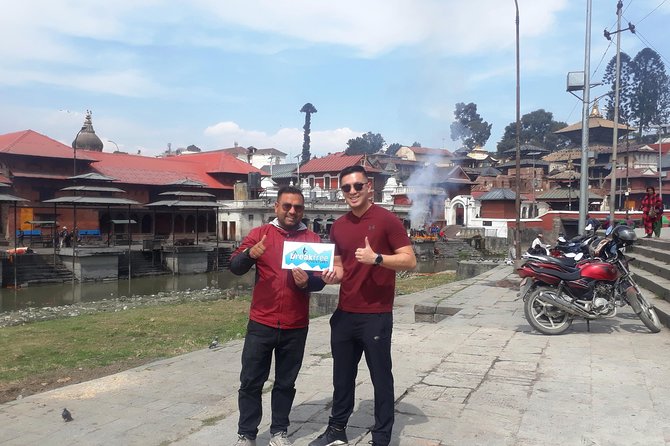
A guide gives those places a human scale. You can ask about Buddhism and Hinduism, local customs, or the meaning of a particular feature instead of trying to piece everything together from signs. Guides named in past tour accounts include Dipesh, Bidhya, Shankar, Mukesh, and Razz. The guide you receive may be someone else, but the strongest praise for the experience centers on clear explanations, friendliness, and a willingness to adapt.
That flexibility matters on a private tour. One guide adjusted the day to a guest’s interests in monasteries, while another accommodated a request to move faster. You can also ask to pause for lunch or spend more time at a site, though the number of places you choose will shape how much room the day has.
More UNESCO heritage tours in Kathmandu:
- Kathmandu: Full Day 7 UNESCO Tour with Lunch – Private/Group
★ 5.0 · 415 reviews - Kathmandu: Full Day Top 4 UNESCO Tour with Lunch – Private/Group
★ 5.0 · 269 reviews - UNESCO Seven World Heritage Tour in Kathmandu
★ 5.0 · 253 reviews
Choose two, four, or seven UNESCO sites
The tour’s main decision is how many sites to include. Two sites make sense if you have limited time or want a lighter introduction. Four is a useful middle ground for many visitors: it gives you several distinct settings without turning the day into a race between monuments.
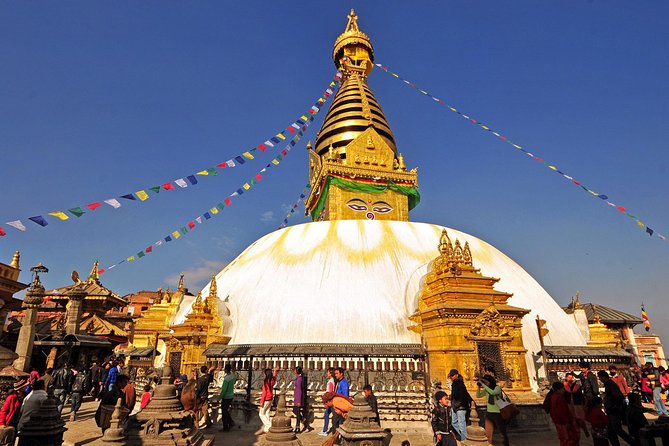
Seven sites offer the broadest sweep of Kathmandu Valley’s heritage, including places listed in the schedule such as Swayambhunath, Boudhanath, Pashupatinath, Patan Durbar Square, Changu Narayan, Bhaktapur Durbar Square, and Kathmandu Durbar Square. But more sites also mean more driving and less time to linger. One traveler who chose four felt the seven-site version would have been too much for their preferred pace.
The schedule also contains duplicate Pashupatinath and Swayambhu entries, and mentions places such as Thamel and Patan Gate without a clear stop duration. Treat the full list as a menu of possible sights rather than a promise that every location belongs to every option. Before booking, ask the operator which exact sites are included in your two-, four-, or seven-site selection, and how long you can expect to spend at each.
Swayambhunath: a hilltop Buddhist landmark
Swayambhunath, also called the Monkey Temple, is one of the tour’s Buddhist highlights. The schedule gives one version of the stop 30 minutes and another one hour, so your time there may depend on the option and route you choose. Admission is listed as not included for one entry and free for another, another reason to confirm the details for your selected itinerary.
The value of a guide here is not only historical background. A good explanation can help you understand the Buddhist setting and the site’s place among Kathmandu’s landmarks. If you want to spend longer looking around or asking questions, say so early, especially on the seven-site tour, where the clock has more stops to accommodate.
Boudhanath: a place to slow down
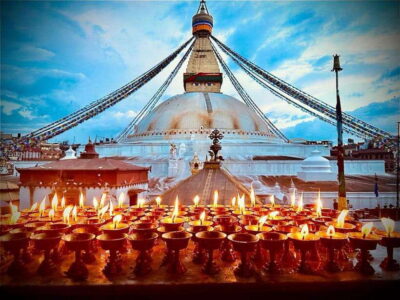
Boudhanath Stupa has a one-hour allowance in the schedule, making it one of the more generous stops. It is a major Buddhist site, and the circular stupa gives you a clear focal point after the traffic and dense streets of the city. Guides can explain Buddhist ideas and the meaning of the monuments, helping you connect the place to the wider story of the valley.
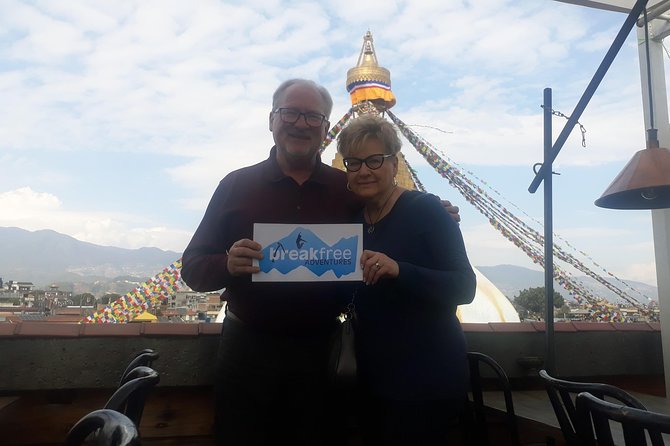
A practical tip from the tour experience is to ask about a lunch stop nearby. One guest ended the visit with lunch at a rooftop café overlooking the stupa, a way to rest and take in the setting without adding another major sight. Meals and drinks are not included, so plan to pay separately.
More city sightseeing tours in Kathmandu:
- Kathmandu: Private City Guided Tour
★ 4.9 · 174 reviews - Bhaktapur & Patan Durbar Square Day Tours
★ 5.0 · 122 reviews - Kathmandu Private Sightseeing Tour | UNESCO World Heritage Sites
★ 5.0 · 109 reviews - Kathmandu Sunset Tour by Rickshaw Including Durbar Square Visit
★ 5.0 · 73 reviews
Pashupatinath: Hindu worship and temple customs
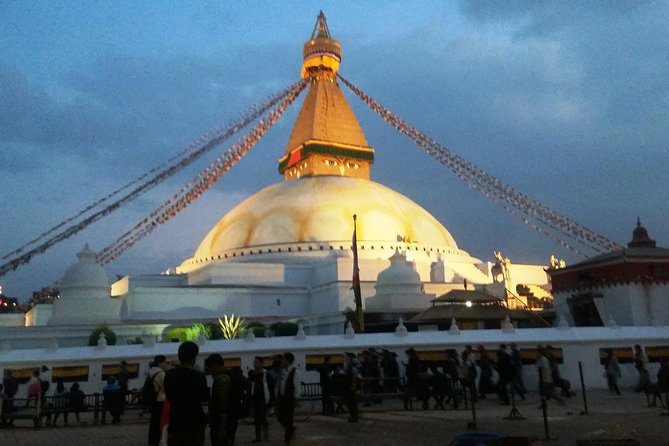
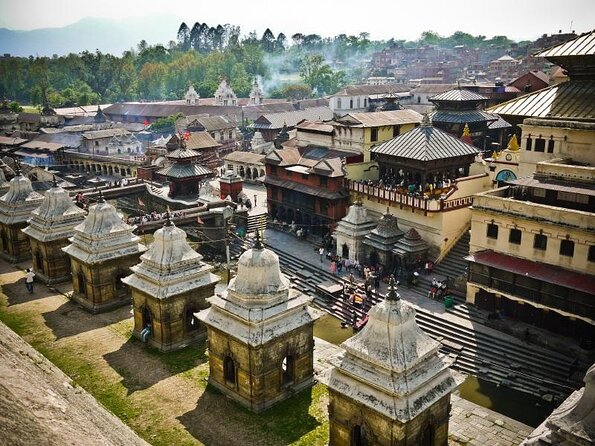
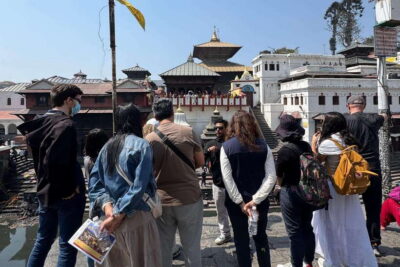
Pashupatinath is among the most important Hindu stops on the route. The schedule allocates an hour, though it lists the temple twice, so clarify whether that means extra time or a repeated itinerary entry. A guide can explain the site’s religious significance and help you understand what is happening if ceremonies or rituals are taking place.
There is an important access rule: only Nepali and Indian nationals of the Hindu faith may enter the inner premises of Hindu temples during the tour. If you are not eligible, ask your guide what areas you can visit and what you can observe from outside. One past tour included a guest waiting to see a Hindu cremation ceremony; such events depend on what is happening on the day, and should be approached quietly and respectfully. Do not treat a funeral or worship as a performance.
Patan Durbar Square and the museum
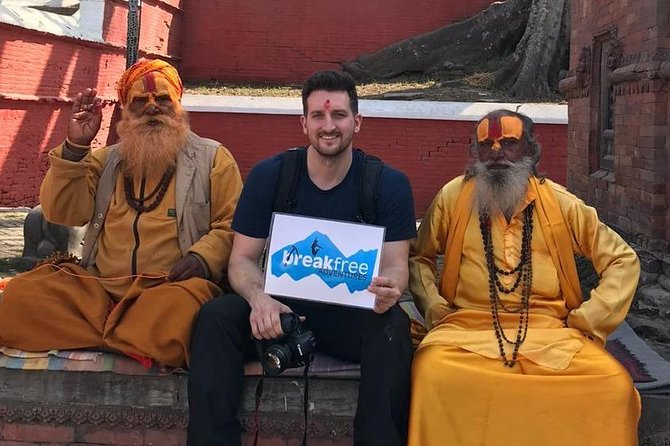
Patan Durbar Square offers a change of scene from the large stupas and temple grounds. The schedule allows an hour at the square and another 30 minutes at Patan Museum. The museum is described as part of a historic palace complex of courtyards and temples, including Sundari Chowk, so it can deepen your understanding of the architecture rather than functioning as a separate, unrelated stop.
Patan Gate is also named as an entrance to the city, but no visit time is specified. If you choose four sites, ask whether Patan Square and the museum count as one stop or two. That detail can affect how much time you have for the rest of the day.
Changu Narayan, Bhaktapur, and Kathmandu Durbar Square
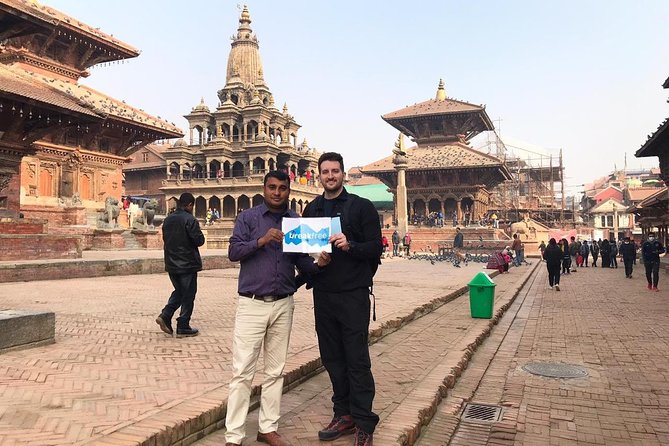
The seven-site option can extend beyond central Kathmandu to Changu Narayan and Bhaktapur. Changu Narayan is identified as a UNESCO site, with a 30-minute visit listed. Bhaktapur Durbar Square has a two-hour allocation, suggesting a longer look at one of the valley’s historic city centers.
Kathmandu Durbar Square appears with a 30-minute stop. Together, these places give you a wider view of the valley’s heritage, but they also add distance and drive time. The guide and driver are especially useful here: guests have praised drivers for handling Kathmandu traffic calmly, while the guide keeps the cultural thread alive between stops.
The itinerary’s references to Kathmandu city, Thamel, and a drive through the valley do not specify separate visit durations. Ask whether these are sightseeing stops, passing references, or simply part of the route. That small conversation can prevent a mismatch between the day you expect and the one you get.
The private car makes a full day easier
The tour includes hotel pickup and drop-off in central Kathmandu, private air-conditioned transport, and an English-speaking guide. Pickup outside the city-center area may cost extra. The private format means you are not sharing the day with a larger group, and you can discuss your interests directly with the guide.
That does not make the city’s traffic disappear. One four-site participant felt there was substantial driving between locations, a fair point when you are trying to cover several sites in a single day. The car is less a luxury than a practical link between places that are not all within walking distance of each other. If you dislike long vehicle stretches, choose fewer stops.
The tour is listed at about four to ten hours. The length depends on the number of sites, your pace, traffic, and whether you pause for lunch. Bring water and comfortable walking shoes, and keep some flexibility in your schedule. You can ask the guide for restaurant suggestions, but meals and drinks are your own expense.
What the price really covers
At $17 per person, the headline price buys the guide, private vehicle, hotel transfers within the covered area, air conditioning, and taxes. It does not include monument entry, meals, drinks, personal spending, or tips. For a private tour, that base fare can be a good value if you want help with transport and interpretation rather than arranging each transfer yourself.
Entry fees are payable in Nepali rupees at the sites, with lower fees for SAARC nationals. The information supplied gives the two-site fee as NPR 1,400 and the four-site fee as NPR 2,600. For seven sites, it gives two different amounts, NPR 5,800 in one place and NPR 6,000 in another. Confirm the current total before you go, and bring enough local currency for admissions.
The advertised per-person cost may also change in practical terms if you are travelling alone or with a larger party, since group discounts are offered. The important comparison is not just the base fare. Add entrance charges and lunch, then weigh that total against the convenience of a private car and a guide who can explain what you are seeing.
Who should book this tour
This is a strong first-day choice if you want an overview of Kathmandu’s main cultural sites without managing every transfer yourself. It also suits solo visitors: the private format keeps the day focused on your questions, and past guides have adjusted plans to individual interests. If you are short on time or energy, choose two or four sites rather than trying to collect all seven.
History and religion are central to the experience, so it is a better fit if you enjoy asking questions and observing places of worship respectfully. It is less suitable if you want long, unhurried visits at every stop and have selected the seven-site route. Confirm your exact route, entry fees, and temple access expectations before you set out.
FAQ
How long does the tour take?
The estimated duration is about four to ten hours. The length depends on whether you choose two, four, or seven UNESCO sites and how the day proceeds.
What is included in the price?
The tour includes hotel pickup and drop-off from central Kathmandu, private air-conditioned transport, an English-speaking guide, and taxes. Monument entry fees, meals, drinks, personal expenses, and tips are not included.
How much are the monument entry fees?
The stated fees are NPR 1,400 for two sites and NPR 2,600 for four sites. The information gives two different seven-site totals, NPR 5,800 and NPR 6,000, so confirm the amount before the tour. Lower fees apply to SAARC nationals.
Can I choose which sites to visit?
You can select an option for two, four, or seven UNESCO sites. Ask the operator to confirm the exact sites in your chosen option, since the schedule names several locations and includes repeated entries.
Is the tour private?
Yes. Only your group participates, and transport is provided by private vehicle.
Can I enter the inner areas of Hindu temples?
Only Nepali and Indian nationals of the Hindu faith are permitted to enter the inner premises of Hindu temples during the tour.
Is hotel pickup available outside central Kathmandu?
Complimentary pickup and drop-off are provided from hotels in Kathmandu city centers. An additional charge may apply for pickup or drop-off outside those areas.
Newly listed in Kathmandu
- Traditional Momo Making Class★ 5.0 · 10 reviews
- Walking tour of real Kathmandu through back streets.★ 5.0 · 3 reviews
- Kathmandu 2 Nights 3 Days Chitwan Jungle Safari Tour★ 5.0 · 9 reviews
- Visit Swayambhunath and Bauddhanath Stupa with Guide★ 5.0 · 5 reviews
- Walking tour of Kathmandu with awesome local guides★ 5.0 · 4 reviews
- Kathmandu Street Food Walking Tour – Eat Like a Local★ 5.0 · 3 reviews
- Private Manaslu Circuit Trek at Himalayas★ 5.0 · 3 reviews
- Kathmandu to Pokhara Vip Sofa Bus Ticket★ 4.0 · 4 reviews
Kathmandu UNESCO Heritage Tours, compared.
Full Day 7 UNESCO Tour with Lunch – Private/Group
Read our review →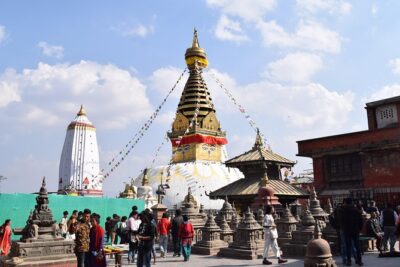
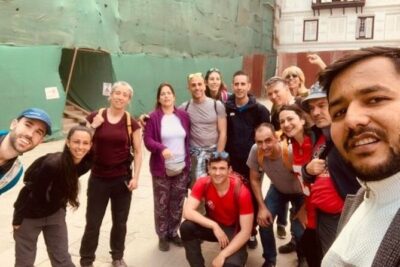
Kathmandu Private Sightseeing Tour | UNESCO World Heritage Sites
Read our review →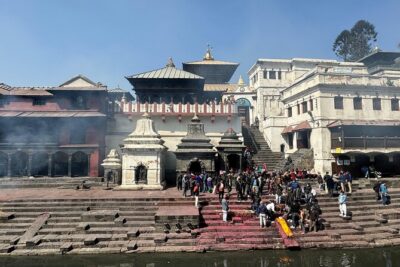
Full Day Private Top 4 UNESCO Heritage Tour W/Lunch.
Read our review →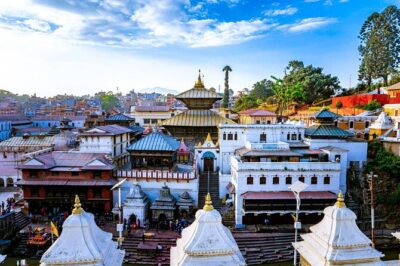
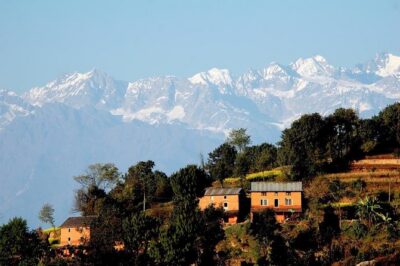
Nagarkot Sunrise & Bhaktapur UNESCO Heritage Private Tour
Read our review →Browse the lists this tour appears in