Reviewed · KATHMANDU TOURS
1 day with our women empowerment and children development project
The most memorable part of this Kathmandu day is its change of pace: you start by cooking with local women, then finish with games, art, and dinner alongside children at the Human Welfare Committee. It is a chance to spend time in a community setting rather than simply pass through the city’s sights.
I like two things in particular: the women lead the cooking and jewelry sessions, and the schedule leaves several hours for informal activities with children. The day is also private to your group, so you can take part without sharing the experience with strangers.
One consideration: the day runs from 11 a.m. to about 8 p.m., and its value depends on your interest in taking part and connecting, not on seeing a long list of Kathmandu landmarks. The advertised price is $120.13 per person, so check what is included before booking.
Key points
- Cook dal bhat or momo: Local women lead a two-hour Nepali cooking class.
- Make bead jewelry: A two-hour workshop gives you time to create a keepsake.
- Meet children after school: Activities are scheduled from 5 to 7 p.m., followed by dinner.
- Walk between locations: At 4 p.m., the group walks about 30 minutes from Paknajol to the Human Welfare Committee’s main center.
- Spend the day with your own group: This is a private activity, with a stated duration of about nine hours.
- Know the price and timing: It costs $120.13 per person and is often booked about 79 days ahead.
Cooking with women in Kathmandu
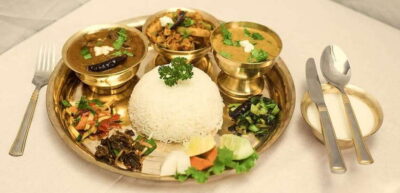
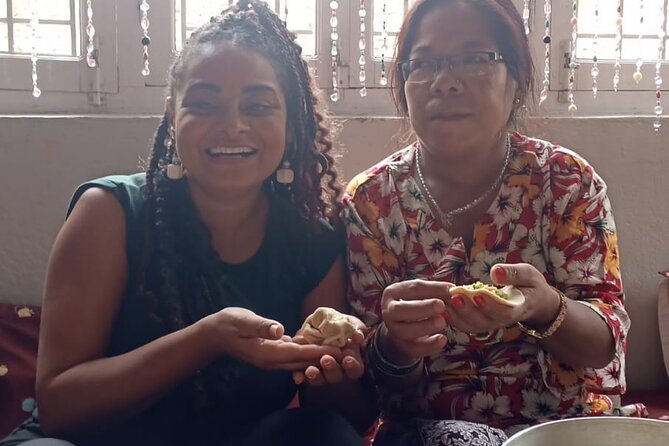
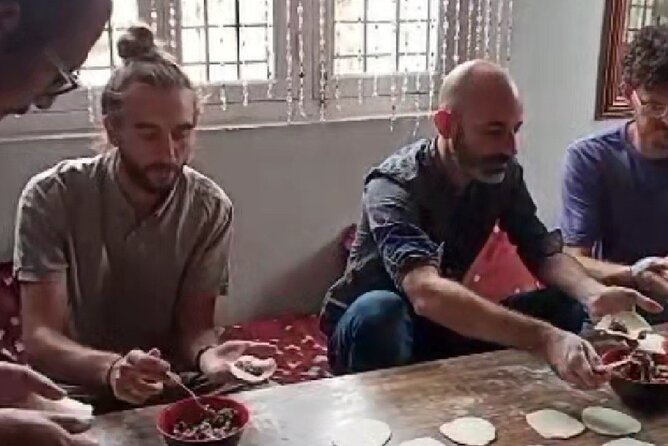
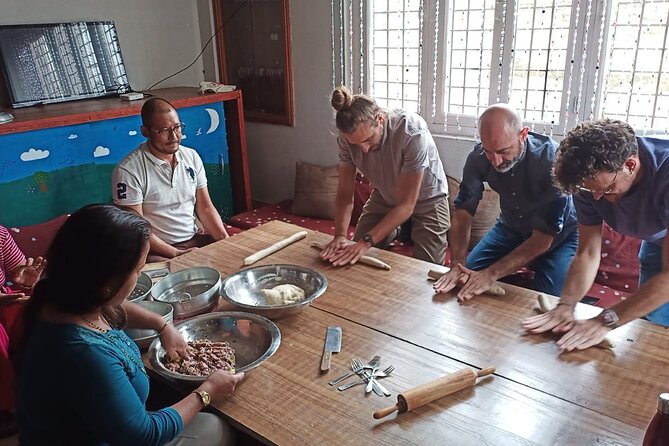
The day begins at 11 a.m. at We Handicraft in Paknajol, where local women lead a cooking class. You can learn to prepare either dal bhat, a familiar Nepali meal, or momo, dumplings popular across Nepal. The class lasts two hours, long enough to do more than watch a demonstration, though the exact recipe and hands-on tasks may depend on the session.
I like that cooking is the opening activity. Working on a meal gives you a natural way to share time and conversation, even if you do not speak the same language fluently. It also places the women’s skills at the center of the program rather than treating them as a backdrop to your visit.
The project describes its work as supporting women and children from underprivileged communities. This day offers a direct way to meet people involved in that work, but it is worth keeping expectations grounded: the information provided does not detail how the fee is divided or what long-term services it funds. If that matters to you, ask the organization before booking.
The cooking class runs from 11 a.m. to 1 p.m. Arrive ready to participate, and tell the organizer in advance if you have dietary needs. No specific menu alternatives or dietary arrangements are listed, so it is better to check than assume.
More Kathmandu tours in Kathmandu:
- Everest Base Camp Trek – 14 Days
★ 5.0 · 1,499 reviews - Private Kathmandu Sightseeing Tour | UNESCO World Heritage sites
★ 5.0 · 756 reviews - Everest Base Camp Helicopter Tour landing at Everest View Hotel
★ 5.0 · 668 reviews
Sharing lunch, then making bead jewelry

Lunch is scheduled from 1 to 2 p.m. with the women. A shared meal is a simple but useful pause between the morning’s cooking and the afternoon workshop. Since you have already worked with the food, lunch can feel like a natural continuation of the class rather than a separate stop.
The next two hours are devoted to making jewelry with colorful beads. The women guide the workshop, and you can make a piece for yourself or as a souvenir. This is a practical, hands-on activity, and the finished item gives you something small to take away from a day that is otherwise centered on conversation and shared time.
The workshop also helps balance the schedule. You are not expected to spend the entire day in discussion or observation; there is a creative task to focus on. Still, the activity is not described in technical detail, so do not book it expecting a specialized jewelry course or a particular style of piece.
The session runs from 2 to 4 p.m. That is a generous block for a relaxed workshop, though if you prefer fast-paced sightseeing, two hours at a craft table may feel long. The best fit is someone who enjoys making things and is happy to let the day unfold at a community pace.
Walking to the Human Welfare Committee center
At 4 p.m., the group walks together from the meeting point in Paknajol to the Human Welfare Committee’s main center on Manjushree Galli. The walk is listed as about 30 minutes. This short transfer is part of the experience, not a vehicle ride, so plan for time on foot and comfortable shoes.
The schedule places the walk from 4 to 4:30 p.m., while children’s activities start at 5 p.m. That leaves roughly half an hour between the walk and the listed start of activities. The exact use of that time is not specified, so you can ask the organizer what to expect.
The change of location marks a shift in the day. The earlier sessions are led by women; the later hours center on children returning from school. The overview describes the children arriving at 4 p.m., while the detailed schedule places activities at 5 p.m. Those times may reflect arrival and activity start, but it is sensible to confirm the day’s timing with the provider.
One account of the day describes time spent talking with Tenzing, who runs the organization, and a visit to a Buddhist temple. Those details are not part of the stated schedule, so treat them as possible variations rather than guaranteed stops. The core plan is the cooking class, lunch, jewelry workshop, walk, children’s activities, dinner, and farewell.
Games and time with children after school
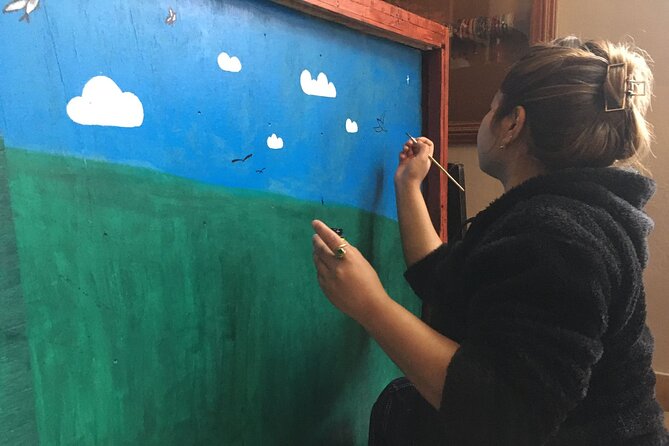
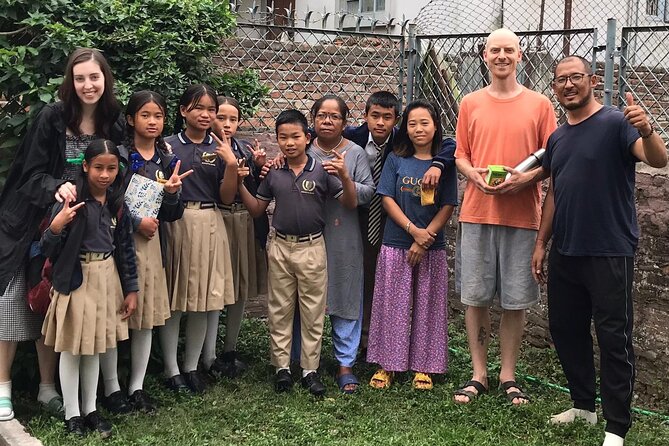
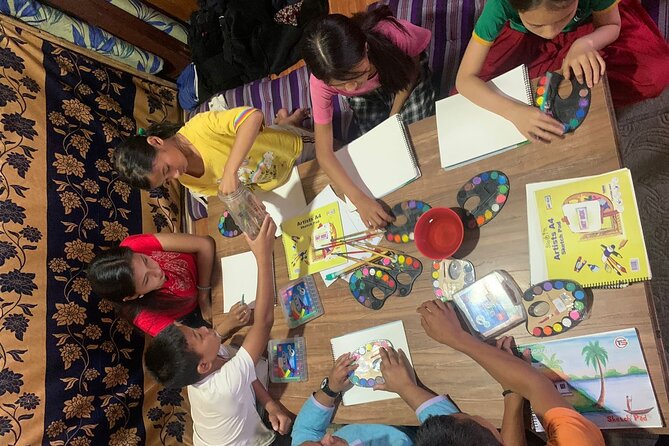
From 5 to 7 p.m., the planned activities with children include games, sports, walking, painting, dancing, and singing. The overview presents this as a chance to connect through shared activities rather than a formal lesson or performance. That difference matters: you are there to spend time together, not to watch children put on a show.
The range of options gives the afternoon some flexibility. You might find a game that works across ages and languages, or join in a walk, a painting activity, or music. The exact activities are not fixed in the information provided, so expect a relaxed program rather than a tightly scripted sequence.
I like that the children are part of the day after school, when they are returning to their regular routine. One account describes seeing children’s daily life within the organization, which points to the value of meeting them in a familiar setting. Keep your approach considerate and follow the staff’s lead, especially around photographs or personal questions; no specific photography policy is provided, so ask before taking pictures.
Dinner with the children is scheduled from 7 to 8 p.m., followed by a farewell. This makes the final hours feel less like a quick visit and more like an extended shared day. The schedule does not specify the dinner menu or whether it accommodates dietary needs, so confirm those details if they are important to you.
A different kind of day in the valley:
- Half day cooking class in Thamel kathmandu
★ 5.0 · 607 reviews - Everest Base Camp Trekking
★ 5.0 · 485 reviews - Nagarkot Sunrise View and Day Hiking from Kathmandu
★ 5.0 · 471 reviews - Kathmandu: Full Day 7 UNESCO Tour with Lunch – Private/Group
★ 5.0 · 415 reviews
What the $120.13 price means
At $120.13 per person, this is not a low-cost cooking class or a quick cultural stop. You are paying for a private, approximately nine-hour program that combines two workshops, scheduled meals, a walk between locations, and time with the organization’s women and children. Whether that feels worthwhile depends on how much you value participation and direct community contact.
The day offers a clear sequence of activities, but the supplied information does not spell out precisely what the price covers beyond the experience itself and an included admission ticket. Since lunch and dinner appear in the schedule, ask whether both meals are included in the price, along with any materials for jewelry-making. That small check can help you compare the cost fairly with other activities.
This is best viewed as a full-day experience, not a donation with a sightseeing add-on. The organization’s stated focus is women’s empowerment and children’s development, but no breakdown of the tour fee or specific project outcomes is provided. If you want to understand the program’s work in more depth, ask about it directly; a past participant describes having a long conversation with Tenzing, identified as the person running the organization.
Who will get the most from this day
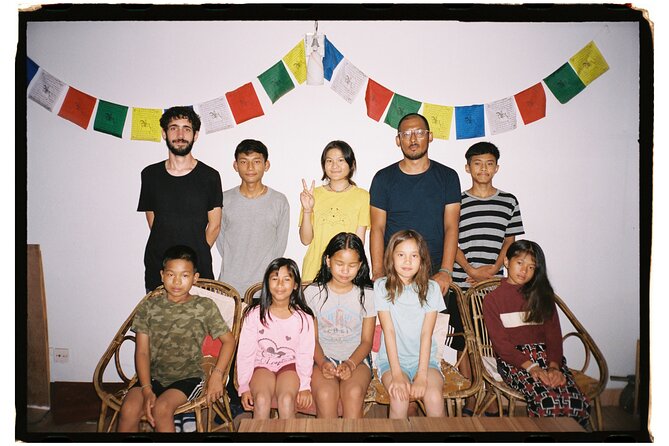
This experience suits you if you like learning by doing, are curious about daily life in Kathmandu, and are comfortable spending time in a community setting. It could work well for solo visitors, couples, families, or friends, since the activity is private to your group. Most people can participate, according to the available details, and the meeting point is near public transportation.
It may be less suitable if your priority is covering major attractions in one day. The schedule does not include a city tour, and most of the time is spent cooking, making jewelry, and joining activities at the center. The day’s appeal is personal contact, not a packed sightseeing route.
The language of the activities is not specified. Nor are group size limits, age recommendations for children, or accessibility details for the walk and venues. If any of these could affect your plans, contact the provider before booking rather than relying on assumptions.
Timing, meeting points, and booking notes
The day starts at We Handicraft, Paknajol, Kathmandu, at 11 a.m. It ends at the Human Welfare Committee, Manjushree Galli, around 8 p.m. The scheduled walk between them takes about 30 minutes. Because the end point differs from the start point, plan your onward journey from the center rather than expecting to return to Paknajol.
The experience is listed as lasting eight to ten hours, with the detailed schedule running for nine hours. It is available as a mobile ticket, and confirmation is provided at booking. The organization’s stated opening hours are 10 a.m. to 6 p.m., while this program continues until 8 p.m.; confirm the evening arrangements with the provider, since the tour schedule extends beyond those listed hours.
It is often booked about 79 days in advance. That is useful context if your Kathmandu dates are fixed, though the information does not say that earlier booking is required. Free cancellation is available up to 24 hours before the start time. Cancellations made less than 24 hours before the experience are not refunded, and changes are not accepted within that same period.
Should you book this Kathmandu community day?
Book it if you want a long, participatory day built around cooking, craft, and time with children, and if the price fits your budget. The strongest reasons to choose it are the women-led workshops and the several hours set aside for informal activities at the center. Those are more personal than a quick stop, but they also require you to be present and willing to join in.
Skip it if you want a standard Kathmandu sightseeing tour, a short activity, or a detailed account of how the fee supports the organization before you commit. Ask about meal and material inclusions, the day’s language, and the walk if those details matter to you. For the right kind of visitor, this is a thoughtful way to spend a day with people rather than simply look at places.
FAQ
How long does the experience last?
The listed duration is about eight to ten hours. The detailed schedule runs from 11 a.m. to 8 p.m., or roughly nine hours.
What time does the day start?
The schedule begins at 11 a.m. at We Handicraft in Paknajol, Kathmandu.
Where does the experience end?
It ends at the Human Welfare Committee center on Manjushree Galli, Kathmandu, after the farewell at about 8 p.m.
What food will I learn to cook?
The cooking class focuses on either dal bhat or momo. The specific dish for a particular day is not stated.
Is lunch part of the schedule?
Yes. Lunch is scheduled from 1 to 2 p.m. The available details do not confirm whether it is included in the price.
What happens during the jewelry workshop?
From 2 to 4 p.m., local women guide a bead-jewelry workshop. You can make a piece for yourself or as a souvenir.
What activities are planned with the children?
The schedule includes games, sports, walking, painting, dancing, and singing, followed by dinner with the children.
Is this a private activity?
Yes. Only your group participates.
What is the cancellation policy?
You can cancel at least 24 hours before the start time for a full refund. Cancellations made less than 24 hours before the start time are not refunded.
Newly listed in Kathmandu
- Traditional Momo Making Class★ 5.0 · 10 reviews
- Walking tour of real Kathmandu through back streets.★ 5.0 · 3 reviews
- Kathmandu 2 Nights 3 Days Chitwan Jungle Safari Tour★ 5.0 · 9 reviews
- Visit Swayambhunath and Bauddhanath Stupa with Guide★ 5.0 · 5 reviews
- Walking tour of Kathmandu with awesome local guides★ 5.0 · 4 reviews
- Kathmandu Street Food Walking Tour – Eat Like a Local★ 5.0 · 3 reviews
- Kathmandu to Pokhara Vip Sofa Bus Ticket★ 4.0 · 4 reviews
- Regular Yoga for all levels of practitioners in Kathmandu★ 5.0 · 4 reviews
Kathmandu Tours, compared.


Private Kathmandu Sightseeing Tour | UNESCO World Heritage sites
Read our review →
Everest Base Camp Helicopter Tour landing at Everest View Hotel
Read our review →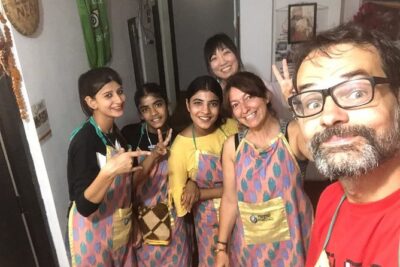

Nagarkot Sunrise View and Day Hiking from Kathmandu
Read our review →
Full Day 7 UNESCO Tour with Lunch – Private/Group
Read our review →