
Reviewed · EVEREST BASE CAMP TREKS
Everest Base Camp Trek – 14 Days
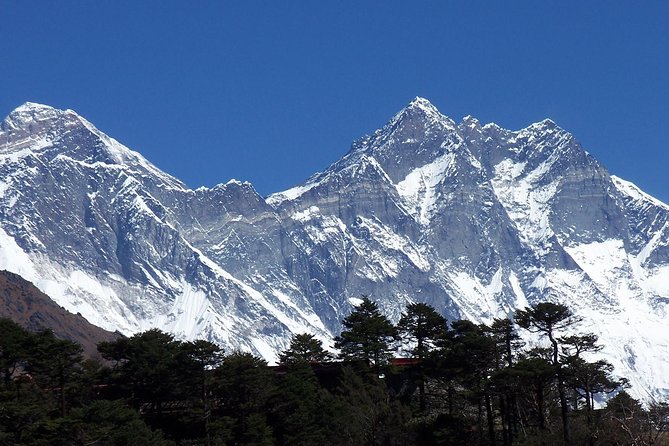
Everest Base Camp is not a quick mountain outing. This 14-day trek takes you from Kathmandu into Sherpa villages, across prayer-flagged suspension bridges, and up to Base Camp at 5,365 meters. The goal is a famous one, but the real reward is the steady passage through high-altitude communities and the time to adjust as the air grows thinner.
I like that the plan includes two acclimatization days, one in Namche Bazaar and another in Dingboche, instead of treating altitude as an afterthought. I also like the practical support: a licensed guide, porters, trail meals, permits, and flights are bundled in, so you can focus on walking rather than organizing each leg yourself.
The trade-off is plain: this is a demanding trek, not a scenic stroll. You’ll spend several days walking at high elevation, and the flight to Lukla can be rerouted to Manthali Airport during peak trekking months. The $1,800 price also excludes insurance, personal gear, tips, and some meals.
- Base Camp at 5,365 meters: Reach the foot of Everest by trekking, not by taking a vehicle or shortcut.
- Kala Patthar at 5,555 meters: The next morning’s climb is harder still, but it is the trip’s highest viewpoint.
- Two planned acclimatization days: Rest in Namche, then hike above Dingboche before continuing higher.
- Porter support for 11 days: One porter is assigned for every two clients, with a 15-kilogram domestic flight baggage limit.
- Small groups, up to 14: The format gives your guide room to check in with the group and manage the pace.
- Sherpa culture along the route: Namche’s Sherpa Museum, mani stones, and Tengboche Monastery add context to the mountain scenery.
The 14-day route, from Kathmandu to the Khumbu
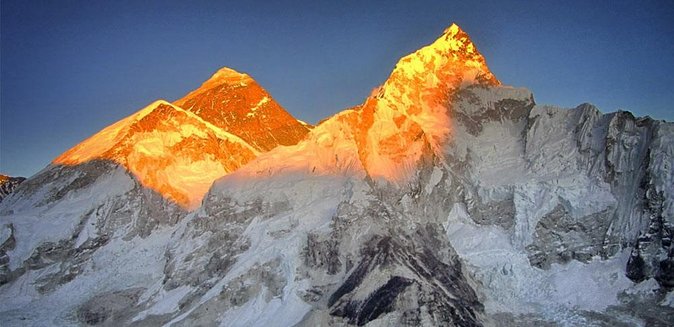
Ace the Himalaya meets you at Tribhuvan International Airport and transfers you to your hotel in Kathmandu. The first night gives you a chance to settle in before the flight to Lukla, the small mountain gateway where the trek begins.
The itinerary allows two nights in Kathmandu, with breakfast included at a three-star hotel. Lunch and dinner in the capital are on your own, which leaves room to choose your own meal and budget. Your domestic flight, airport transfers, and trail arrangements are part of the package.
Flights to Lukla can operate from Manthali Airport in Ramechhap rather than Kathmandu during peak trekking periods, listed as March, April, May, October, and November. That can mean a different departure point than you expected, so confirm the flight plan with the operator before travel. The flight back to Kathmandu is described as a scenic 35-minute ride, though mountain flying depends on conditions.
Lukla and the first days on foot
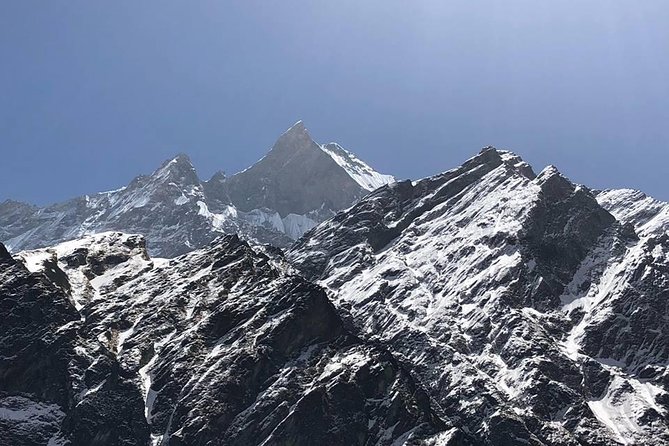
The trek starts in Lukla, where the pace shifts from airport transfers to walking. You head along the Dudh Koshi River, crossing suspension bridges decorated with prayer flags and passing through the entrance to Sagarmatha National Park. The trail climbs toward Namche Bazaar, the main Sherpa town on the route.
Namche is a key stop, not just a place to sleep. You spend an acclimatization day here, with a short outing to the Sherpa Museum, whose exhibits cover Sherpa customs. The pause helps break up the climb and gives you time to see a little of the community that supports life in the Khumbu.
I value this planned rest because the altitude is already becoming part of the trip’s demands. You are not simply covering distance; you are letting your body adapt before going higher. The itinerary does not specify a particular walking pace or exact daily mileage, so ask Ace about those details if you want to understand how the days are structured.
More Everest Base Camp treks in Kathmandu:
- Everest Base Camp Trekking
★ 5.0 · 485 reviews - Everest Base Camp Trekking – 13 Day
★ 5.0 · 365 reviews - Everest Base Camp Trek -14 Days
★ 5.0 · 321 reviews
Tengboche and the approach to Dingboche
From Namche, the route follows the Dudh Koshi’s glacial waters toward Tengboche, at 3,860 meters. Mountain views accompany the climb, and Tengboche Monastery gives the day a cultural focal point. The monastery holds religious images and carvings, a reminder that this is a living Buddhist region, not just a corridor to Everest.
The trail then drops toward Debuche, crosses the Imja Khola, and climbs through Pangboche, where mani stones line the way. These carved stones and prayer flags are not set dressing: they are part of the local Buddhist landscape and make the walk feel different from a purely athletic challenge.
Dingboche is the next major stop. You spend an acclimatization day here, hiking to Nangkartshang Peak above the village. It is a useful way to gain some height and return to sleep lower, while taking in views from a high point. The day is still a hike, so do not count it as a full rest day if your legs need time off.
Lobuche, Everest Base Camp, and Kala Patthar
Beyond Dingboche, the trail climbs toward Lobuche along the lateral moraine of the Khumbu Glacier. Stone memorials honor climbers who died on nearby peaks. They bring a sobering pause to the route and put the risks of high-altitude mountaineering in view, even though this trek does not require mountaineering equipment.
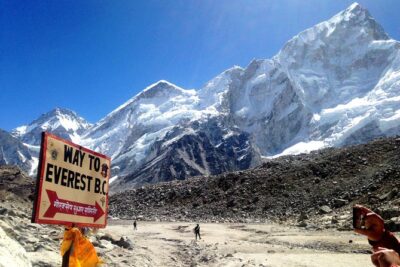
The next major goal is Everest Base Camp, at 5,365 meters. You walk beside the Khumbu Glacier and reach the closest point to Everest available on this trek without technical climbing gear. In spring, Base Camp may be active with climbing expeditions. Outside that season, the setting and the achievement of getting there remain the draw.
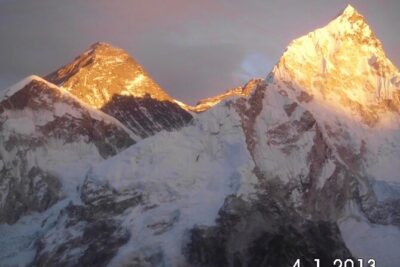
Keep your expectations grounded: Base Camp is a destination, not a guaranteed view of Everest’s summit. The next morning’s climb to Kala Patthar, at 5,555 meters, is the trip’s highest point and is described as one of its hardest days. It is also the route’s best stated viewpoint for the mountain panorama. If you have saved energy for one more demanding ascent, this is the day to use it.
The schedule places Base Camp and Kala Patthar on consecutive days, so fatigue is part of the calculation. Altitude affects people differently, and the guide is first-aid trained and licensed, but the package cannot remove the physical strain. Travel insurance covering high-altitude rescue and evacuation is not included and is specifically your responsibility.
The return walk through Namche and Lukla
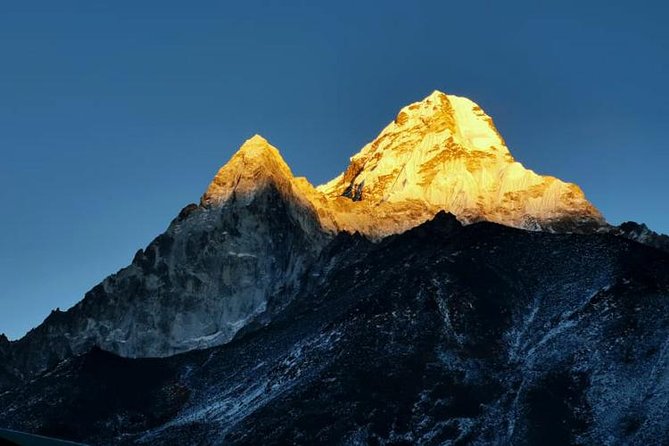
After the high point, the route turns back through Pangboche and Tengboche to Namche Bazaar. Descending means the air gradually thickens, but the long walk still asks a lot of your knees and feet. You return to familiar stops with a new perspective: the villages and bridges you passed on the way up now mark your progress back toward Lukla.
The final trekking day returns you to Lukla. It is a natural moment to look back on the route as a group and recognize the distance you have covered. The following day, the flight returns you to Kathmandu, where a transfer takes you back to your hotel. On Day 14, an airport representative drops you at Tribhuvan International Airport for your departure.
This final buffer matters. A trek that relies on mountain flights should not be planned as if every connection were a city bus. The tour uses a 14-day schedule, but you should consider your onward travel plans carefully and avoid building an important international connection too tightly around the return flight.
More multi-day treks in Kathmandu:
- Everest Base Camp Trekking – 2025/2026
★ 5.0 · 199 reviews - Everest Base Camp Trek
★ 5.0 · 193 reviews - Everest Base Camp Trek with Helicopter Return from Gorakshep to Lukla
★ 5.0 · 161 reviews - Everest Base Camp Trekking
★ 5.0 · 146 reviews
What the $1,800 covers, and what it does not
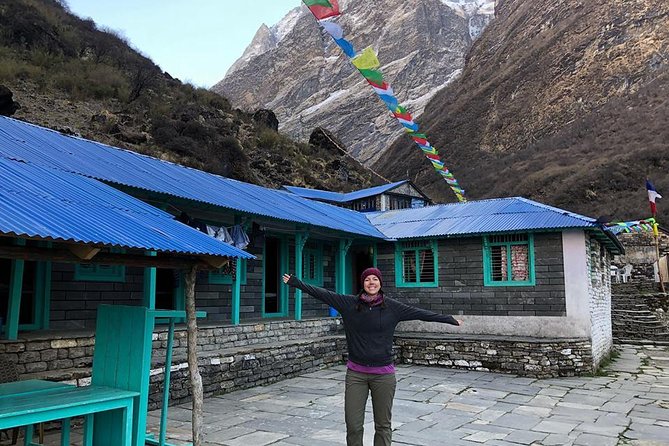
At $1,800 per person, this is a supported trek rather than a bare-bones package. Included are Kathmandu airport and hotel transfers, two nights in a three-star hotel with breakfast, domestic flights between Kathmandu and Lukla, trekking permits, trail accommodation, standard trail meals, and filtered water. Seasonal fruit is also provided on the trek.
A licensed English-speaking guide leads the group, and porter service runs for 11 days at a ratio of one porter for two clients. The package also covers staff wages, lodging, food, insurance, equipment, and medicine, as well as a first-aid kit and arrangements for emergency medical evacuation in the worst-case scenario. You receive a duffel, trekking map, sun hat, and completion certificate.
The accommodation is twin-share. Guesthouses with attached toilets are specified in Lukla, Phakding, and Namche; the details do not promise an attached toilet at every stop. That distinction matters on a long trek, so ask what facilities to expect at the other overnight villages if comfort and bathroom access are priorities.
The price does not include international airfare, a Nepal visa, travel insurance, alcoholic or other hot and cold drinks, personal trekking equipment, tips, or lunch and dinner in Kathmandu. Tips for guides and porters are expected, so include them in your budget rather than treating them as an optional surprise. Domestic flight baggage allowance is 15 kilograms.
The listed rate is based on two people booking, but it can apply to a solo booking too. If no group or room-sharing partner is available for your date, a $250 single surcharge applies on arrival in Nepal. The operator says it will tell you whether a group is available for your chosen departure date.
Guides, group size, and the pace of support
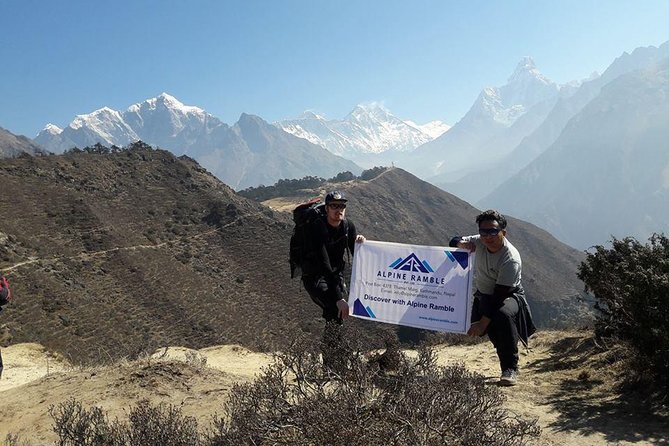
The group is capped at 14 people, which is small enough for a guide to keep track of the group without making the trek a private departure. The tour is built around guided safety and logistics, not just route-finding. Your guide is government licensed, English-speaking, and trained in first aid.
Past trips have had guides named Kishor, Chris, Maddy, and Rajendra. The accounts of their work describe steady attention to safety, local knowledge, kindness, and humor, with porters such as Saman and Sher helping carry the load. Those names are examples, not a promise about who will lead your dates, so ask the operator who is assigned before you book if that matters to you.
Porter support is one of the package’s most useful features. You still carry what you need during the day, but you do not have to haul your full trekking bag uphill for 11 days. Pack thoughtfully anyway: the 15-kilogram flight allowance applies, and your personal equipment is not supplied.
Who should book this trek
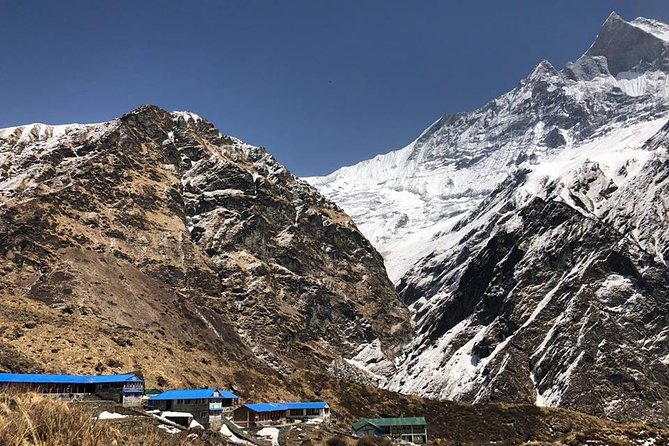
This trip suits you if you want the classic Everest Base Camp route with a guide, porters, meals, permits, and transport planned in advance. It also works well if you are traveling solo but are comfortable sharing a room and joining a group. The maximum group size is 14, and the stated fitness requirement is moderate, though the high altitude and long walking days make this a serious physical undertaking.
It is not the right choice if you need an easy-paced holiday, want private rooms throughout, or are not prepared to arrange high-altitude rescue insurance and buy your own gear. You should also be comfortable with the possibility of flight changes and with basic guesthouse conditions beyond the named villages with attached toilets.
The experience is booked on average about 80 days ahead, a useful planning signal for a popular departure. You can cancel at least six full days before the start for a full refund; later cancellation terms are less generous, so check them before paying.
Should you book Ace the Himalaya’s Everest Base Camp trek?
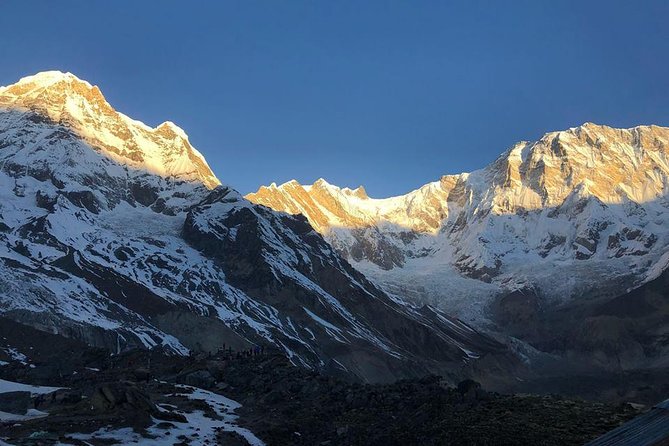
I would shortlist this tour if you want the full 14-day route and value having the major logistics handled, especially the guide, porter support, flights, permits, and meals on the trail. Its strongest practical feature is the itinerary’s rhythm: Namche and Dingboche both include acclimatization time before the highest days.
Book it if you are prepared for real exertion, can budget for insurance, tips, gear, drinks, and Kathmandu meals, and have enough flexibility around the Lukla flight. Before you commit, confirm your group status, single-room surcharge risk, flight departure airport, and guide assignment. For a first Himalayan trek, that support can be worth the price. For a traveler who wants total privacy or a softer physical challenge, it is not.
FAQ
How long is the Everest Base Camp trek?
The tour lasts 14 days, including arrival and departure in Kathmandu, the trek to Base Camp and Kala Patthar, and the return to Kathmandu.
What is the tour price?
The listed price is $1,800 per person. It is based on two people booking and may also apply to a solo booking, but a $250 single surcharge can apply if there is no group or room-sharing partner for your date.
How large is the group?
The tour has a maximum of 14 travelers.
Are flights between Kathmandu and Lukla included?
Yes. The Kathmandu to Lukla and Lukla to Kathmandu airfare, including airport departure tax, is included. During peak trekking months, flights may operate from Manthali Airport in Ramechhap instead of Kathmandu.
What meals are included?
Standard breakfast, lunch, and dinner are included during the trek. Breakfast is included during the two Kathmandu hotel nights. Lunch and dinner in Kathmandu are not included.
Is porter service included?
Yes. Porter service is provided for 11 days at a ratio of one porter for every two clients. The domestic flight luggage allowance is 15 kilograms.
Are permits included?
Yes. The Everest/Sagarmatha National Park entry permit and Pasang Lhamu Rural Municipality trekking fee are included.
Do I need to buy travel insurance?
Yes. Travel insurance covering emergency high-altitude rescue and evacuation is not included and should be arranged separately.
What is the cancellation policy?
Cancel at least six full days before the start time for a full refund. Cancellation two to six full days before the start time qualifies for a 50% refund. Less than two full days before the start time is nonrefundable.
Newly listed in Kathmandu
- Traditional Momo Making Class★ 5.0 · 10 reviews
- Walking tour of real Kathmandu through back streets.★ 5.0 · 3 reviews
- Kathmandu 2 Nights 3 Days Chitwan Jungle Safari Tour★ 5.0 · 9 reviews
- Visit Swayambhunath and Bauddhanath Stupa with Guide★ 5.0 · 5 reviews
- Walking tour of Kathmandu with awesome local guides★ 5.0 · 4 reviews
- Kathmandu Street Food Walking Tour – Eat Like a Local★ 5.0 · 3 reviews
- Private Manaslu Circuit Trek at Himalayas★ 5.0 · 3 reviews
- Kathmandu to Pokhara Vip Sofa Bus Ticket★ 4.0 · 4 reviews
Everest Base Camp Treks, compared.
Everest Base Camp Trek with Helicopter Return from Gorakshep to Lukla
Read our review →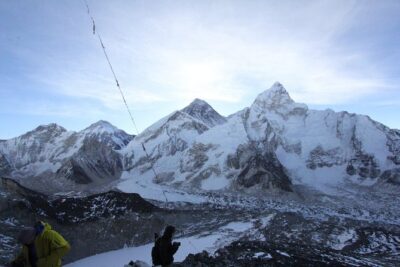
Browse the lists this tour appears in