
Reviewed · EVEREST BASE CAMP TREKS
Everest Base Camp Trekking – 13 Day
Everest Base Camp is the big draw, but this trek is really a journey through the Khumbu: river trails, suspension bridges, Sherpa villages, monasteries, and high mountain viewpoints. The 13-day plan handles the main logistics, including the flights between Kathmandu and Lukla, so you can focus on walking and adjusting to the altitude.
I like two things in particular: the built-in acclimatization days in Namche Bazaar and Dingboche, and the fact that lodging, meals, flights, and a guide are bundled into one trip. That makes a complicated trek easier to arrange, though not easier on your legs.
The main caution is the altitude. You’ll reach Everest Base Camp and climb Kala Patthar, and the itinerary itself warns you to watch for acute mountain sickness. The daily walking can be demanding, and flights to and from Lukla are weather-dependent, so this is not a trip to book without time, fitness, and some flexibility.
At a glance
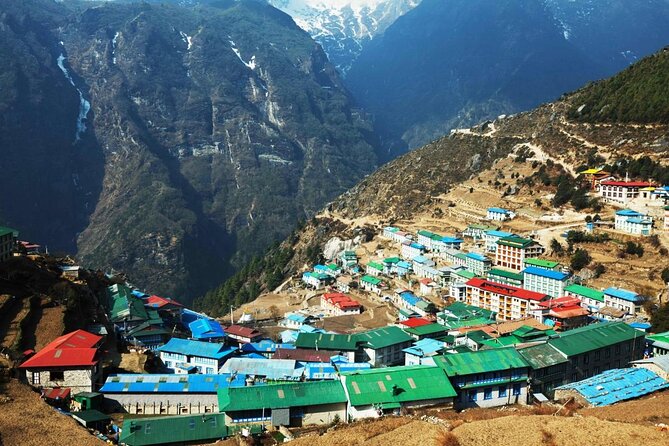
- The route: Kathmandu to Lukla, then on foot through Namche Bazaar, Tengboche, Dingboche, Lobuche, Everest Base Camp, and Kala Patthar.
- Two acclimatization stops: Rest days in Namche Bazaar and Dingboche include short hikes to help you adapt to higher elevation.
- Flights included: The package covers Kathmandu to Lukla and the return flight, including airport departure tax.
- Food and lodges: Trails-side lodge accommodation and most meals are part of the package. Meals in Kathmandu and personal snacks or drinks are not.
- Guide-led, with private options: The tour is described as private, and private packages can be tailored. Group, family, and honeymoon discounts may be available.
- Budget carefully: The listed price is $1,399 per person, but the operator notes that a $150 single surcharge may apply for a solo departure that does not join an existing group.
A trek that begins before the trail
Day 1 is for arriving in Kathmandu. A company representative meets you at Tribhuvan International Airport and escorts you to your hotel after customs. The day is practical rather than scenic: settle in, complete the necessary formalities, and get ready for an early start.
Use this time to check your gear and ask your guide or organizer about the next morning’s plan. You’ll want your main trekking bag packed before bed, with the day pack ready for essentials. The listed equipment includes a 25 to 40-liter day pack, trekking shoes, warm layers, a waterproof outer layer, gloves, a headlamp or torch, water bottles, and personal toiletries. Trekking Planner Nepal provides a complimentary duffel bag, which must be returned after the trip.
On Day 2, the group flies to Lukla, the gateway to the Everest region. The flight is included, but the schedule is affected by weather. The itinerary calls for an early departure, and the final return flight to Kathmandu is also planned for early in the day because of possible weather disruption. Build flexibility into your wider Nepal plans rather than arranging a tight connection after the trek.
More Everest Base Camp treks in Kathmandu:
- Everest Base Camp Trek – 14 Days
★ 5.0 · 1,499 reviews - Everest Base Camp Trekking
★ 5.0 · 485 reviews - Everest Base Camp Trek -14 Days
★ 5.0 · 321 reviews
From Lukla to Namche Bazaar
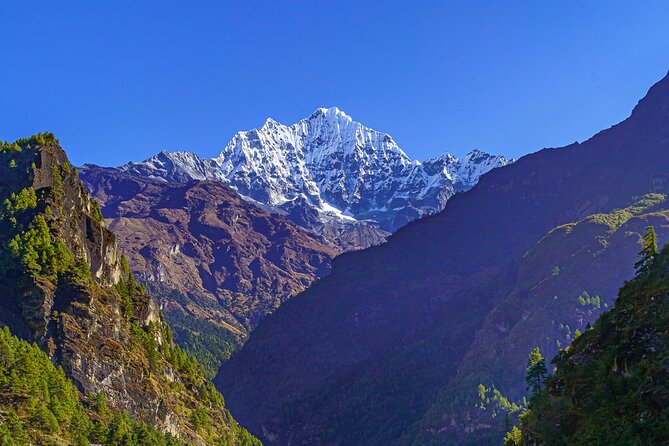
The trek begins in earnest on Day 3, following the Dudh Koshi River toward Namche Bazaar. You’ll cross suspension bridges and walk through settlements and forest, with Kongde Ri among the first major peaks noted along the way. The route changes from river valley walking to a climb as you approach Namche, the main trading hub of the Khumbu.
Namche is more than a place to sleep. Its shops and busy Saturday market give you a chance to see a working mountain town, stock up on small necessities, and get a feel for local life before the trail climbs higher. The scheduled rest day is useful, not wasted time. Short acclimatization walks help your body adapt, while a slower day gives you space to organize gear and recover from the first stretch.
A guide’s daily briefings can make a real difference here. Trekkers have praised guides such as Milan for explaining the next day’s route and giving estimates of walking time based on a person’s pace. That sort of clear planning helps you know what is ahead without treating every day as a race. The specific guide on your departure may be different, so don’t assume a particular name when booking.
Forest trails, monasteries, and higher villages
Day 5 leaves Namche with a short, steep climb, followed by a more level stretch toward Kenjoma and Sanasa. The trail passes through forest, with mountain views along the way. This is a day when a steady pace matters: the initial climb can feel like a rude greeting, especially if you are still adjusting to the altitude.
The next section heads toward Dingboche by way of the forested area around Deboche and the monastery at Tengboche. The route includes a descent to Deboche and then continues through settlements and mountain scenery. Tengboche is one of the most meaningful stops on the route, with a monastery setting that adds a cultural dimension to the trek. Plan to take it at an unhurried pace; the views and the place itself reward a pause.
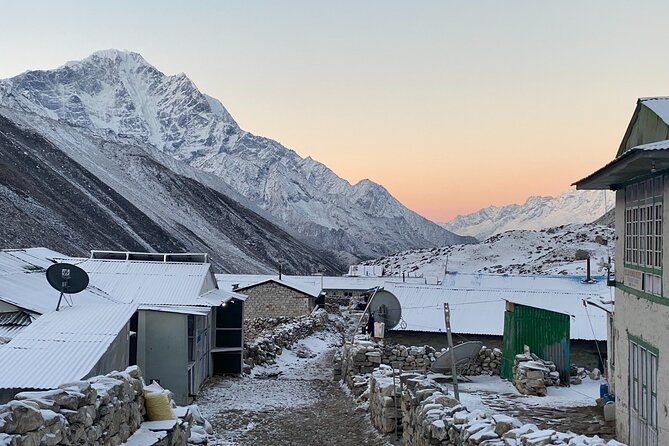
Dingboche is the setting for another acclimatization day. The plan is to take short hikes to higher ground and return, rather than simply staying indoors. That approach gives you a chance to adapt while keeping the walking manageable. At this altitude, feeling strong one day does not guarantee you’ll feel the same the next, so follow your guide’s pace and instructions rather than trying to prove anything.
The final climb to Everest Base Camp
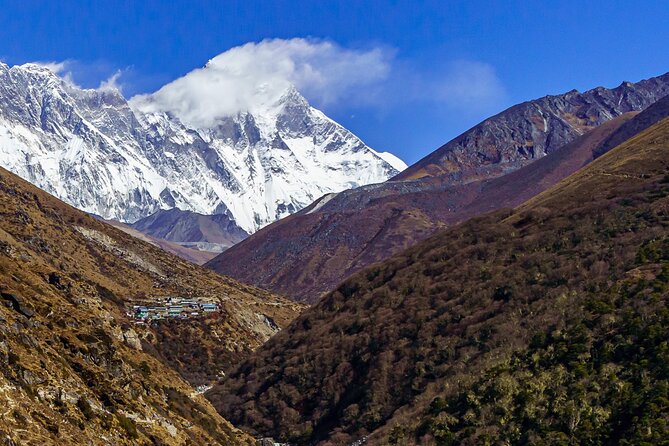
From Dingboche, the trail rises gradually past grazing areas, chortens, and mani walls. The scenery grows more exposed as you continue toward Lobuche, with high peaks filling the distance. This is a quieter, more demanding part of the trek: the settlements are farther apart, and each uphill stretch can take more effort than it would at lower elevation.
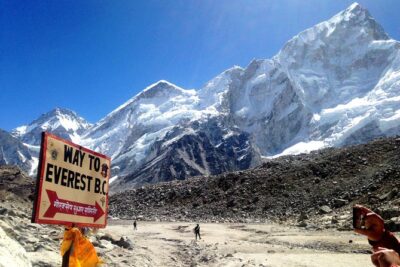
The next day is the push to Everest Base Camp. The itinerary advises starting early and being alert to symptoms of acute mountain sickness. The goal is the base camp area, but conditions and individual wellbeing matter more than forcing a finish. A responsible guide can help set the pace and make practical decisions if someone is struggling. Guides named by the company in past trips include Dibash and Achyut, both praised for care, support, and handling day-to-day logistics. Your own guide assignment is not guaranteed to be either of them.
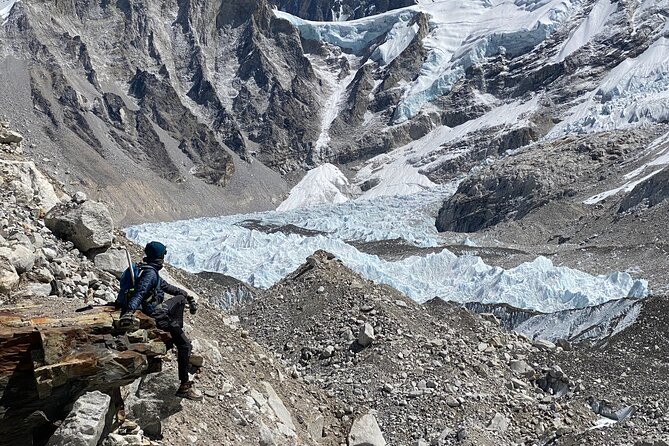
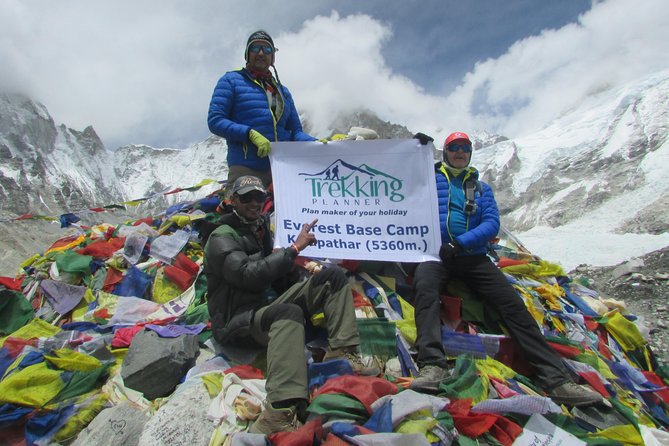
Base Camp is the emotional high point for many people, but it is worth keeping expectations grounded. The achievement comes from the whole route, not one photo at a destination. You’ll be walking at high altitude after several days on foot, and the terrain and weather can shape how long you spend there. The schedule gives you a defined objective, while your guide’s judgment should help keep the day sensible.
More multi-day treks in Kathmandu:
- Everest Base Camp Trekking – 2025/2026
★ 5.0 · 199 reviews - Everest Base Camp Trek
★ 5.0 · 193 reviews - Everest Base Camp Trek with Helicopter Return from Gorakshep to Lukla
★ 5.0 · 161 reviews - Everest Base Camp Trekking
★ 5.0 · 146 reviews
Kala Patthar at first light, then down
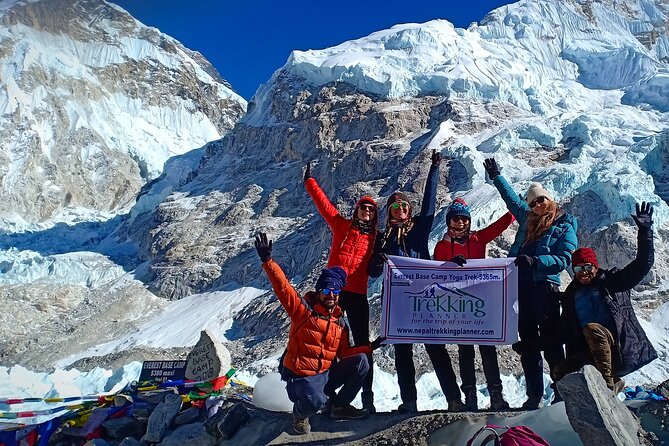
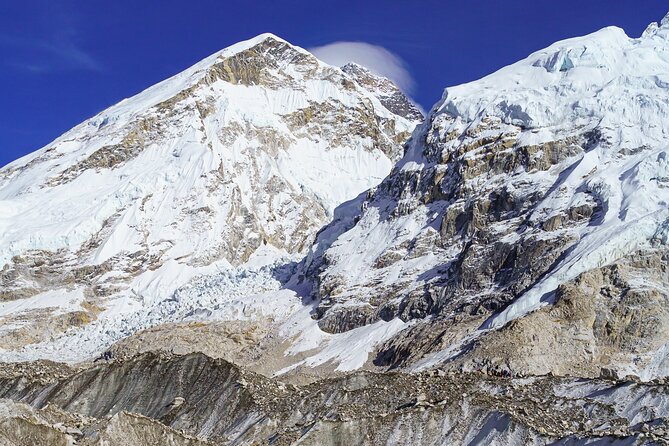
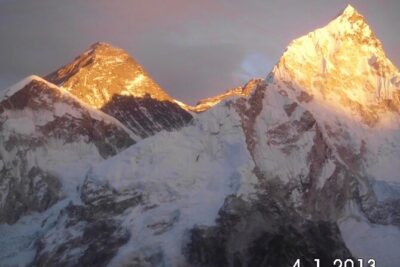
Day 10 begins before sunrise with a climb to Kala Patthar. The early start is intended to reach the viewpoint around sunrise, when the mountains are visible in the first light. It is a memorable payoff, but also one of the toughest mornings: you’ll be climbing high after the Base Camp day, and cold, darkness, and altitude all add to the effort.
After the viewpoint, the route descends to lower ground. That descent is welcome, but it is still a long day on tired legs. Pack warm clothing and a light source where you can reach them, and don’t count on the downhill being effortless.
The return continues from the Pheriche area toward Namche Bazaar on Day 11. Much of the route is downhill, with the Dudh Koshi River back in view. This is a satisfying shift after the upper trail, though a long descent can be hard on knees and feet. Day 12 takes you down from Namche, steeply at first, toward the river confluence and back along the trail to Lukla. It is the last full trekking day, and a good moment to notice how far you have come since leaving the airstrip.
Day 13 is the flight back to Kathmandu. Because weather can affect flights, the early departure is a practical choice, but it is not a guarantee of a perfectly timed arrival. If you have onward travel, leave room for delays.
What the $1,399 price does and does not cover
At $1,399 per person, the package brings together several costly and time-consuming pieces: the Kathmandu-Lukla return flights, a trekking guide, trailside lodge accommodation, park entry and TIMS fees, and most meals. You also avoid arranging each segment separately, which is valuable on a route where transport and daily planning require coordination.
The stated inclusions list 11 lunches, 12 dinners, and 12 breakfasts. Meals in Kathmandu are excluded, as are alcoholic drinks, other drinks and food not specified, personal expenses such as phone calls and battery charging, Nepal visa fees, and travel and health insurance. Helicopter evacuation insurance is also not included. Read those exclusions carefully and budget for the extras you expect to use.
There is an important price caveat. The operator says the listed price is applicable to one person even when two people book, and that the final arrangement can depend on group size, departure date, and shared accommodation. A $150 single surcharge may apply if you choose a solo departure instead of joining an existing group. Ask for a clear total before you commit, especially if you are traveling alone.
The tour is described as private, with only your group participating, while the pricing notes also discuss joining an existing group. Those details make it sensible to confirm exactly how your chosen date will operate. Discounts may be available for groups, families, and honeymooners, but the amount is not specified.
Who should book this trek
This trip suits you if you want the classic Everest Base Camp route with major logistics organized, and if you are comfortable walking for several days at altitude. The stated fitness level is moderate, but that should not be mistaken for easy. You’ll need to prepare for consecutive trekking days, steep sections, cold conditions, and the physical effects of elevation.
It also suits people who value a guide’s local support and want the route explained as they go. A guide can brief you on the next day, help manage pace, and deal with practical problems. Some past trips were especially praised for guides’ responsibility, care, time management, and logistical help. Those are the qualities to ask about when confirming your departure, rather than expecting one particular guide by name.
It is less suitable if you need a rigid schedule, have very little time around the flights, or are not prepared to take altitude concerns seriously. The scenery is the reward, but the real test is managing the long approach and return. The itinerary includes acclimatization days, yet they are not a promise that altitude symptoms cannot occur.
Should you book it?
If Everest Base Camp is your goal and you want flights, a guide, lodges, meals, and permits handled together, this 13-day trip offers a practical way to take on the route. I especially like the two acclimatization days and the combination of village stops, monastery visits, river trails, Base Camp, and Kala Patthar.
Before booking, confirm the exact price for your party, whether you’ll join an existing group, and what accommodation arrangement is included. Check that your insurance covers trekking at the relevant altitude and helicopter evacuation, since that coverage is not part of the package. If you can prepare physically, accept some uncertainty in the Lukla flights, and follow a careful pace, this is a compelling way to experience the Everest region.
FAQ
How long is the Everest Base Camp trek?
The trip is planned for approximately 13 days, starting and ending in Kathmandu.
Are flights between Kathmandu and Lukla included?
Yes. The package includes Kathmandu to Lukla and Lukla to Kathmandu flights, along with airport departure tax.
Are meals included?
The package lists 11 lunches, 12 dinners, and 12 breakfasts. Meals in Kathmandu, alcoholic drinks, and food or drinks not specified are excluded.
Where do you stay during the trek?
The tour includes nightly accommodation in trailside lodges. The provided details do not specify individual lodges or room arrangements.
Are acclimatization days included?
Yes. The itinerary sets aside a day in Namche Bazaar and another in Dingboche for rest and short hikes to help you adjust to altitude.
What fitness level is required?
The stated requirement is a moderate physical fitness level. The route includes multiple trekking days and high-altitude walking, so you should be prepared for sustained effort.
Is this a private tour?
The activity is described as private, with only your group participating. Private packages can be personalized, but confirm the arrangement for your selected date, since the price information also refers to joining an existing group.
What expenses are not included?
Excluded costs include meals in Kathmandu, alcoholic drinks, personal expenses, Nepal visa fees, personal travel and health insurance, and helicopter evacuation insurance.
Can I cancel for a refund?
You can cancel at least 24 hours before the experience’s start time for a full refund. Cancellations or changes made less than 24 hours before the start time are not accepted for a refund or change.
Newly listed in Kathmandu
- Traditional Momo Making Class★ 5.0 · 10 reviews
- Walking tour of real Kathmandu through back streets.★ 5.0 · 3 reviews
- Kathmandu 2 Nights 3 Days Chitwan Jungle Safari Tour★ 5.0 · 9 reviews
- Visit Swayambhunath and Bauddhanath Stupa with Guide★ 5.0 · 5 reviews
- Walking tour of Kathmandu with awesome local guides★ 5.0 · 4 reviews
- Kathmandu Street Food Walking Tour – Eat Like a Local★ 5.0 · 3 reviews
- Private Manaslu Circuit Trek at Himalayas★ 5.0 · 3 reviews
- Kathmandu to Pokhara Vip Sofa Bus Ticket★ 4.0 · 4 reviews
Everest Base Camp Treks, compared.
Everest Base Camp Trek with Helicopter Return from Gorakshep to Lukla
Read our review →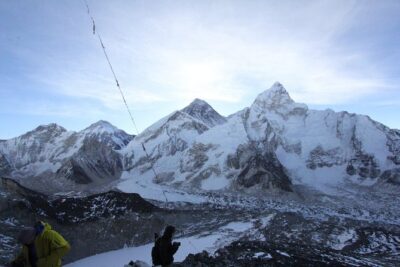
Browse the lists this tour appears in