
Reviewed · EVEREST BASE CAMP TREKS
Everest Base Camp Trekking – 2025/2026
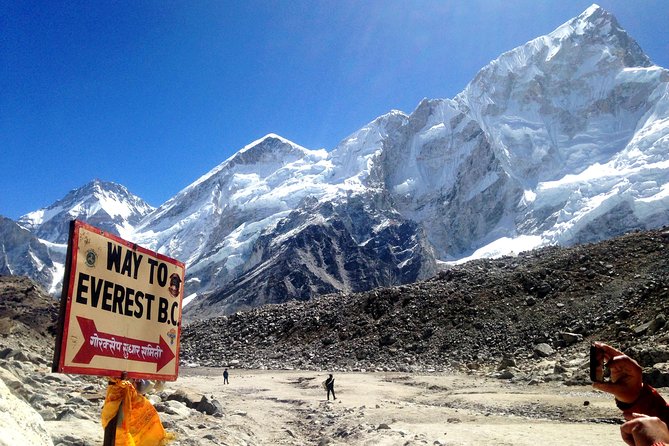
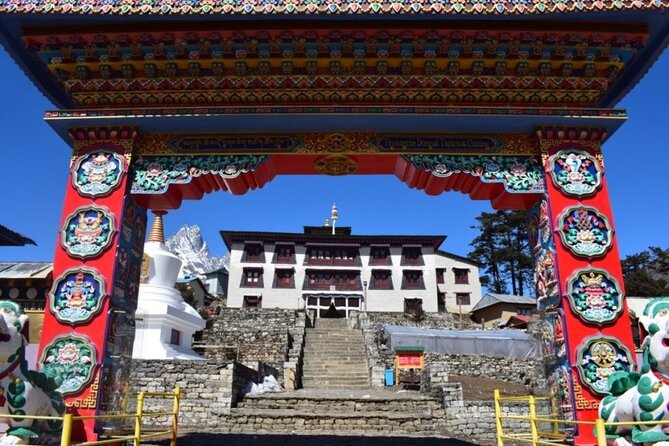
The draw here is the walk itself: you leave Kathmandu for the high trail, pass through Sherpa villages and Buddhist monasteries, and work your way toward Everest Base Camp with a guide at your side. I like that Lukla flights, permits, lodge stays, and most meals are bundled, and that a private guide can adjust the walking pace to your group. The chance to learn about local culture along the way adds more than mountain views.
There is one important catch: the day-by-day schedule is incomplete and inconsistent. It is described as a 14-day trip, but the supplied route skips and repeats days and does not clearly show all acclimatization or return stages. Get the full schedule in writing before paying, and ask exactly how the Lukla flights and any ground transfers will work.
Key points to know before you go
- Lukla flights are included, with the route described as flying from Kathmandu or Manthali to Lukla and back.
- This is a private guided trek, so your group walks with its own English-speaking guide rather than joining a shared group.
- The route reaches high altitude on rugged trails. You do not need climbing skills, but you should be comfortable walking several hours a day and prepare for cold conditions.
- Lodge rooms are basic but practical. Twin-sharing is standard, and attached bathrooms are not available at every high-altitude stop.
- Most meals are covered, but drinks, snacks, showers, Wi-Fi, and other personal extras are not.
- Clarify the schedule before booking. The listed days do not add up cleanly to the advertised 14 days.
What the $1,339.20 price covers
For a two-week Himalayan trek, $1,339.20 per person can represent good value if you want a guide, permits, flights, meals, and mountain lodging handled together. These are not small extras: Lukla flights are essential to the route, permits are required, and arranging a guide and lodge stays yourself takes time and local coordination.
The package includes private transportation, an air-conditioned vehicle, an English-speaking licensed guide, trekking-lodge accommodation, Everest National Park fees, a TIMS card, water-purification tablets, and domestic flights between Kathmandu or Manthali and Lukla. Meals are described as full board, with breakfast, lunch, and dinner included during the trek. The main course is covered, but the details also list hot and cold drinks as extras. Budget separately for tea, coffee, bottled water, snacks, hot showers, Wi-Fi, and alcohol.
You will also need to pay for your Nepal visa, international flights, travel insurance, and any extra hotel nights or meals in Kathmandu before or after the trek. Shopping and other personal expenses are yours to cover. Ask the operator to confirm in writing what is included on arrival and departure days, as well as whether any ground transfer to Manthali is covered if your Lukla flight uses that airport.
A porter is described as part of the company’s trekking support, generally one porter for every two trekkers, with a stated luggage limit of 18 kilograms. Confirm whether a porter is included in your price and how much of your gear they will carry. The package says warm down jackets and sleeping bags can be provided on rent, so ask about the cost and availability before relying on them.
More Everest Base Camp treks in Kathmandu:
- Everest Base Camp Trek – 14 Days
★ 5.0 · 1,499 reviews - Everest Base Camp Trekking
★ 5.0 · 485 reviews - Everest Base Camp Trekking – 13 Day
★ 5.0 · 365 reviews
The route from Kathmandu to Everest Base Camp
Day 1 begins in Kathmandu, where an airport representative meets you and takes you to your hotel. The evening is intended for an introduction to the trip. Use that time to check your gear, ask about the flight plan, and get a clear briefing on the daily stages. The listed 7:15 a.m. start time is worth confirming, since the arrival day may involve a separate pickup arrangement.
The next stage takes you by domestic flight to Lukla, then on foot to Phakding, at 2,652 meters. The walk is listed as about three hours, with four hours also shown in the stop details. Lukla is the gateway to the trekking route, and Phakding offers your first night in a basic mountain lodge. Flight timing can be affected by weather, so build some flexibility into the rest of your travel plans.
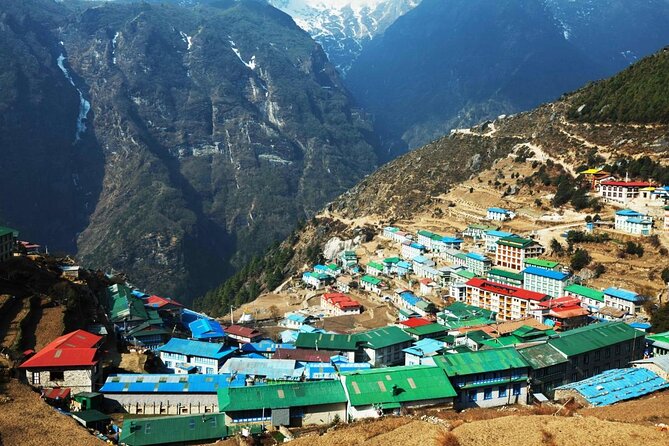
From Phakding, the route climbs to Namche Bazaar, listed at 11,283 feet. Expect roughly 10 to 12 kilometers and about five hours of walking. Namche is a major Sherpa settlement and an important stop on the route, but this is also a demanding climb early in the trek. The itinerary provided does not clearly identify a separate acclimatization day here, so ask how the plan allows you to adjust to altitude before going higher.
The next listed stage goes from Namche to Pangboche, followed by Pangboche to Lobuche. Each is described as roughly five hours of walking. The villages and monasteries along this stretch give you a chance to see more than the trail itself, and your guide can help explain local customs and the mountain environment. At the same time, these are high-altitude days: the pace, weather, and how you feel matter more than keeping to a clock.
From Lobuche, the schedule takes you to Gorak Shep and Everest Base Camp, then lists a return to Pangboche the following day. This is the heart of the trek, but the supplied schedule does not make the walking order or overnight stops clear enough to plan around. In particular, it does not show the full return route from Gorak Shep, and the following listed stages move from Pangboche to Namche, then Namche to Lukla. Ask for the complete route with overnight locations, elevations, walking times, and rest days before booking.
The final listed travel stage is a flight from Lukla back to Kathmandu, with a 35-minute flight time given. That is only the time in the air, not a guarantee of when you will reach your hotel. Weather can disrupt flights, so avoid scheduling an international departure immediately after the trek unless the operator confirms a safe buffer.
A guided trek, with room to set your pace
This is a private activity, so only your group takes part. That can be a real advantage on a route where people in the same party may respond differently to altitude, cold, and long walking days. You can ask the guide to help manage the pace rather than feeling pushed to keep up with strangers.
The guide is there for more than navigation. The company describes licensed, English-speaking local guides who explain Nepali culture and nature, assist with day-to-day planning, and brief you on the next stage after dinner. The usual routine starts with wake-up tea around 6 a.m., breakfast near 7, and walking in stretches of 45 minutes to an hour with short rests. Lunch usually falls around noon or 1 p.m., followed by another two to three hours on foot.
You may also get time in the afternoon to rest, wash, read, or visit a local Sherpa settlement with your guide. That slower rhythm is part of the appeal: the trek is not only a line on a map, but a string of village stops and shared meals. Guides named in accounts of the company’s other trips include Samir, Sujal, Krishna, and Hairy, while Dil is described as the owner and a point of contact. Those names are examples, not a promise of who will lead your departure, so ask who is assigned to your group.
Mountain lodges and meals along the trail
Expect basic trekking lodges, not hotel comforts. Rooms are generally twin-sharing, with a bed, pillow, and warm blanket. Attached bathrooms may be available in some places, but at higher elevations you may need to share facilities. A single supplement is mentioned for solo travelers, so check the extra charge if you do not want to share.
Meals are served at the lodge where you stay, with lunch taken along the route. The menu may include dal bhat, soups, noodles, rice, eggs, potatoes, pasta, bread, and some Western-style dishes. Familiar choices can be reassuring after a long day, but variety and availability can change from place to place. The operator advises against meat in the Everest region, citing concerns about how it is stored and served. Vegetarian meals such as dal bhat, vegetables, and soup are sensible choices.
Water is available along the route, but bottled water costs extra. The operator recommends using purification tablets with untreated water and carrying a suitable bottle, including one that can hold hot water. This is a useful detail in cold conditions, when chilled water may be less appealing. Bring a refillable bottle and confirm how the guide plans to help you access safe drinking water each day.
More multi-day treks in Kathmandu:
- Everest Base Camp Trek -14 Days
★ 5.0 · 321 reviews - Everest Base Camp Trek
★ 5.0 · 193 reviews - Everest Base Camp Trek with Helicopter Return from Gorakshep to Lukla
★ 5.0 · 161 reviews - Everest Base Camp Trekking
★ 5.0 · 146 reviews
Fitness, altitude, and what to pack
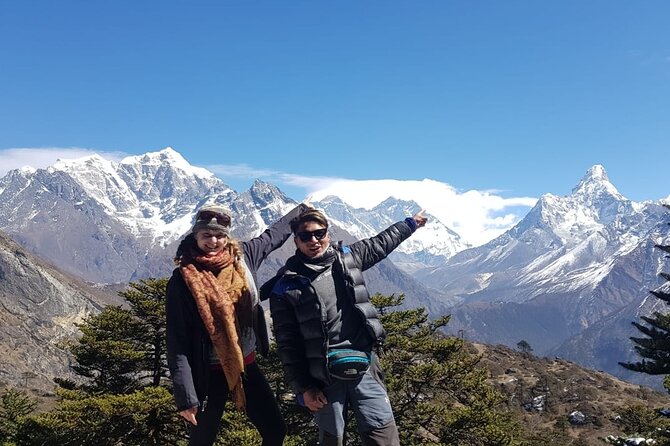
The trek is described as moderate and non-technical. You do not need ropes, crampons, or climbing skills, but you do need the stamina to walk about three to five hours a day over rugged ground and cope with high altitude for close to two weeks. A basic level of fitness is not the same as being ready: regular walking, stair climbing, jogging, cycling, swimming, or gym work can help you build endurance before departure.
Altitude is the main physical concern. The material provided does not spell out a detailed acclimatization plan, which is another reason to request the full schedule and ask how the guide responds if someone feels unwell. Travel insurance is not included. Before departure, check that your policy covers trekking at the elevations on your confirmed route and any evacuation costs, and talk to a medical professional about your own health and altitude precautions.
Pack layers for changing weather, including a warm hat, gloves, rain protection, quick-drying clothes, trekking trousers, and suitable boots. A daypack of about 30 liters, sun protection, sunglasses, a headlamp, personal toiletries, and a basic first-aid kit are also on the suggested list. The operator may provide a down jacket or sleeping bag for rent, but confirm the terms and fit. Walking poles are optional, though you may find them helpful on uneven trails.
Season, flight delays, and other practical details
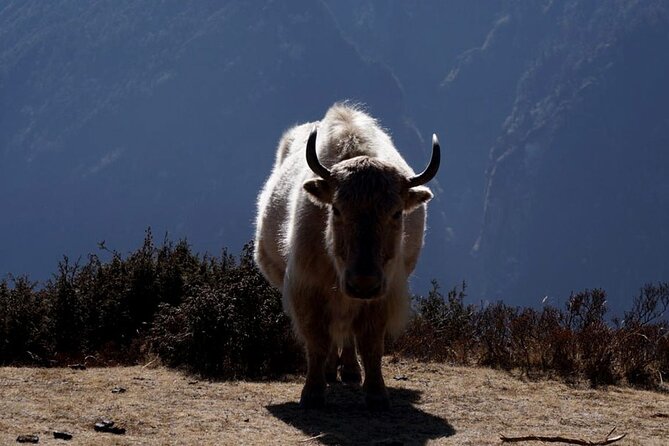
The suggested trekking seasons are spring, from March to May, and the dry autumn period, from mid-September onward. Nights can drop below freezing, so even a favorable season does not mean warm evenings. Ask about expected conditions for your exact dates and pack for cold, rain, and changing mountain weather.
Lukla flights can be delayed or canceled by poor weather. The package notes that flights may depart from Kathmandu or Manthali, so ask where you will need to report and whether transport between the two is arranged. The company says a weather cancellation may lead to a new date or a refund, but a delay can still affect your wider travel plans. Leave spare time before an onward international flight.
A Nepal visa is not included. Your passport must be valid for at least six months beyond your return date, and the visa can be arranged through a Nepalese immigration office, a consulate, or on arrival in Kathmandu. The experience also offers free cancellation up to 24 hours before the start time. Within 24 hours, the payment is not refunded; weather or minimum-participant cancellations have separate alternatives or refund terms.
Is this Everest Base Camp trek right for you?
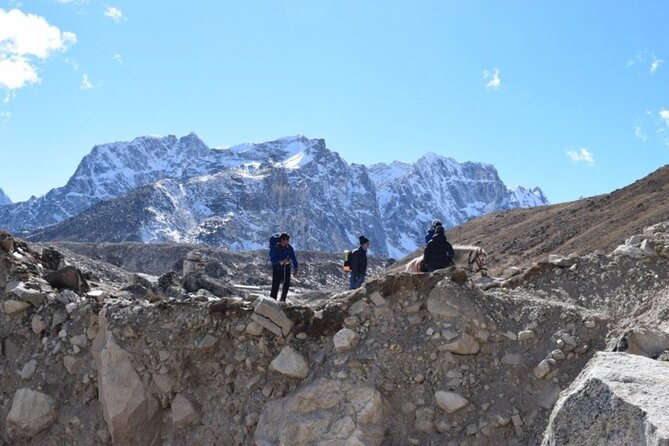
I would consider this trek if you want a private guide, help with flights and permits, and a practical package that includes mountain lodges and most meals. It suits people who can prepare for sustained walking and accept basic facilities in exchange for access to Sherpa villages, monasteries, and the high Himalaya.
I would hold off on booking until the operator provides a corrected 14-day schedule. Ask for the exact acclimatization plan, overnight stops, flight routing, porter arrangements, and a written list of included meals and drinks. If those answers are clear and you are ready for altitude, cold, and possible flight delays, this can be a strong way to tackle the Everest trail with local support.
FAQ
How long is the trek?
It is advertised as approximately 14 days. The supplied day-by-day schedule has missing and repeated day numbers, so ask the operator for the complete version before booking.
Are the Lukla flights included?
Yes. Domestic flights from Kathmandu or Manthali to Lukla and back are listed as included. Confirm the departure airport and any ground transfer arrangements.
Are meals included during the trek?
Breakfast, lunch, and dinner are included on a full-board basis during the trek. Drinks, snacks, and other personal items are listed as extra costs.
What kind of accommodation should I expect?
You will stay in trekking lodges, usually in twin-sharing rooms with beds, pillows, and blankets. Attached bathrooms are not available at every high-altitude stop, and a single supplement is mentioned for solo travelers.
Do I need technical climbing experience?
No. The trek is described as non-technical and does not require climbing skills. You should have moderate fitness and be able to walk about three to five hours a day at high altitude.
Is travel insurance included?
No. Travel insurance is not included, so arrange your own cover before the trek.
Newly listed in Kathmandu
- Traditional Momo Making Class★ 5.0 · 10 reviews
- Walking tour of real Kathmandu through back streets.★ 5.0 · 3 reviews
- Kathmandu 2 Nights 3 Days Chitwan Jungle Safari Tour★ 5.0 · 9 reviews
- Visit Swayambhunath and Bauddhanath Stupa with Guide★ 5.0 · 5 reviews
- Walking tour of Kathmandu with awesome local guides★ 5.0 · 4 reviews
- Kathmandu Street Food Walking Tour – Eat Like a Local★ 5.0 · 3 reviews
- Regular Yoga for all levels of practitioners in Kathmandu★ 5.0 · 4 reviews
- Private Manaslu Circuit Trek at Himalayas★ 5.0 · 3 reviews
Everest Base Camp Treks, compared.
Everest Base Camp Trek with Helicopter Return from Gorakshep to Lukla
Read our review →
Browse the lists this tour appears in