
Reviewed · EVEREST BASE CAMP TREKS
Everest Base Camp Trekking
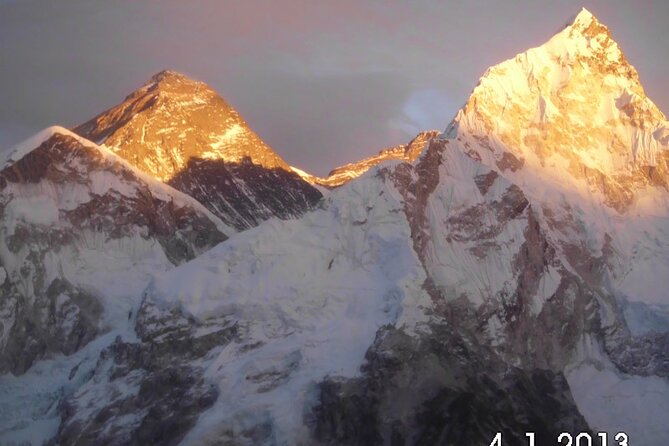
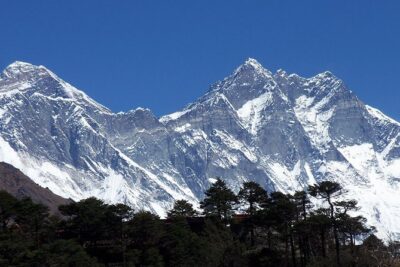
Everest Base Camp is not a quick viewpoint stop. It is a 14-day trek through the Khumbu, with a small-group guide, teahouse nights, and a long climb toward the foot of the world’s highest mountain. The route also includes a sunrise outing to Kala Patthar, where the payoff is a sweeping view of the snowy peaks.
I like two things in particular: the group cap of 10, which gives you more chance to get help and ask questions, and the fact that meals and teahouse stays are included, so daily logistics take less of your attention. Guides named on past trips include Biru, Amabar, and Ramesh, but no particular guide is guaranteed.
The main caution is physical: this is for active people with strong fitness, not a casual walking holiday. Fourteen days on a mountain trail, with acclimatization and a high-altitude goal, asks more of you than the price and tidy itinerary might suggest.
What to know before you book
- Group size is limited to 10: A small group can make it easier to keep in touch with your guide and get individual help on the trail.
- Namche is an acclimatization stop: The schedule includes a rest day and a short hike to a viewpoint, rather than treating the climb as a race.
- You reach both Base Camp and Kala Patthar: Base Camp is the destination; Kala Patthar is the named sunrise viewpoint.
- Teahouse accommodation and meals are included: That reduces daily planning, though the exact standard and menu are not specified.
- Mountain flights feature in the plan: The route flies between Kathmandu and Lukla at the start and end of the trek.
- Book with the fitness requirement in mind: The experience calls for strong physical fitness and operates in all weather conditions.
Kathmandu sets the stage
The trip begins at Tribhuvan International Airport, where a representative meets you and takes you to your hotel in a private tourist vehicle. You can rest after arrival or meet the team at its office to go over the details. That first evening is useful for settling in and sorting out questions before the early start.
Day 14 leaves time for shopping or sightseeing around Kathmandu Valley before your scheduled flight from the airport. The plan does not specify which sights or shops are included, so treat this as free time rather than a guided city tour. If Kathmandu matters to you, consider allowing more time than the trek itself provides.
More Everest Base Camp treks in Kathmandu:
- Everest Base Camp Trek – 14 Days
★ 5.0 · 1,499 reviews - Everest Base Camp Trekking – 13 Day
★ 5.0 · 365 reviews - Everest Base Camp Trek -14 Days
★ 5.0 · 321 reviews
The Lukla flight and first trail days
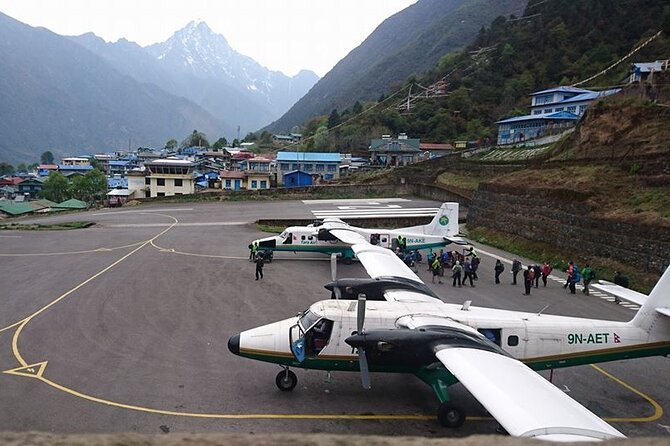
On Day 2, you head to the domestic terminal after breakfast for the flight to Lukla. The itinerary calls out sunrise views over snowcapped mountains on the way. At Lukla, the trek begins. The first walking day is described as a route through pine forest and along the Dudh Koshi River, with Mount Thamserku in view and a checkpoint at the entrance to Sagarmatha National Park.
The exact first-night stop is not named in the itinerary details, so don’t assume a particular village or walking time. What is clear is that the trek moves from an airport arrival into a mountain route quickly. A guide helps with navigation and local context, while the included local transport and organized lodging ease the transition from city to trail.
Namche Bazaar is more than a rest stop
Day 4 is set aside for acclimatization in Namche Bazaar, the largest settlement in the Khumbu region. It has facilities such as ATMs, internet cafes, restaurants, and bakeries, a welcome change after more remote trail sections. The plan includes a short hike to a nearby viewpoint, giving you a chance to stretch your legs and take in the surrounding peaks without treating the day as another full-distance push.
This pause matters. The route is not only about covering ground; it makes room for your body to adjust before the trek climbs higher. I like that the schedule names an acclimatization day rather than leaving you to figure out when to slow down. Still, the itinerary does not give specific altitude figures or explain what happens if someone feels unwell, so ask the operator about its altitude-safety plan before booking.
From Namche toward the high villages
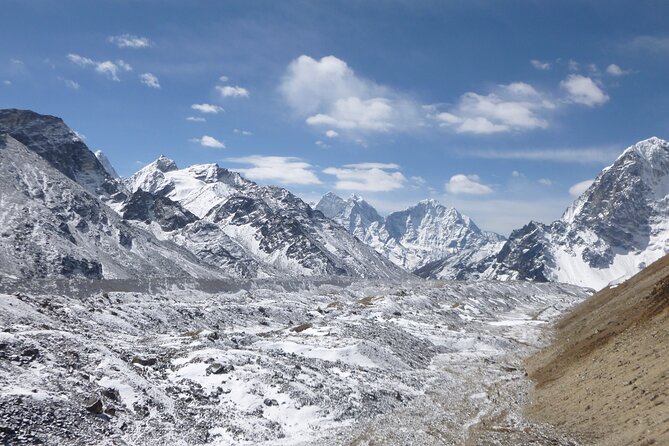
After Namche, the route heads toward Phorse. The day’s description mentions Mugla Pass and views of Ama Dablam, Khumbu, and Thamserku, followed by a descent to the Dudh Koshi and a river crossing. The changing terrain is part of the appeal: you move from a busy regional hub back into smaller settlements and mountain paths.
Day 6 continues toward Dingboche, passing alpine forest, upper Pangboche, and villages including Shomare. It also includes a visit to the region’s largest Buddhist monastery. That cultural stop gives the trek more dimension than a sequence of mountain viewpoints. The schedule does not say how long the visit lasts, but it is a chance to notice the religious life and local communities of the Khumbu, not just the scenery.
There is a small itinerary wrinkle here: the Day 6 description places you on the way to Dingboche, while Day 7 describes a climb from Duglha. Because the day-by-day details do not fully explain that transition, confirm the overnight stops and daily walking plan with Green Valley Nepal Treks & Research Hub Pvt Ltd before you pay. A clear route plan helps you know what each day will demand.
More multi-day treks in Kathmandu:
- Everest Base Camp Trekking – 2025/2026
★ 5.0 · 199 reviews - Everest Base Camp Trek
★ 5.0 · 193 reviews - Everest Base Camp Trek with Helicopter Return from Gorakshep to Lukla
★ 5.0 · 161 reviews - Everest Base Camp Trekking
★ 5.0 · 146 reviews
The approach to Base Camp
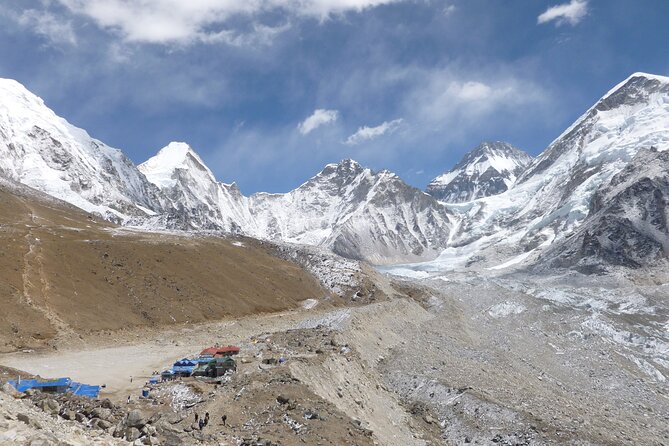
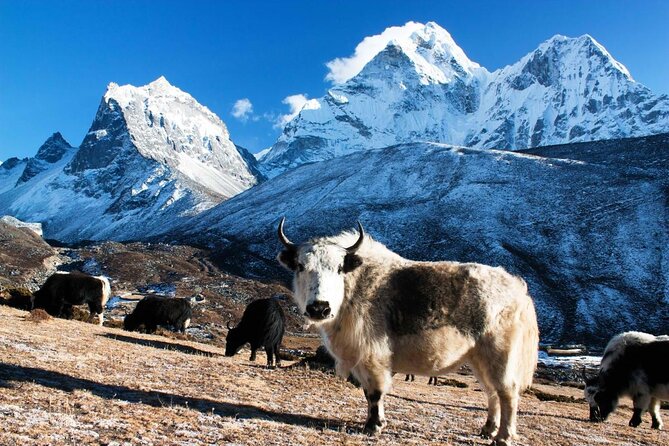
The Day 7 route description follows the Khumbu Khola valley and names Dusa, a yak-herding place, Phulong Karp, and Chola Lake. It also points to the camp of the first successful Everest expedition in 1953. These details tie the walk to the human and mountaineering story of the region, a useful counterpoint to the steady work of climbing.
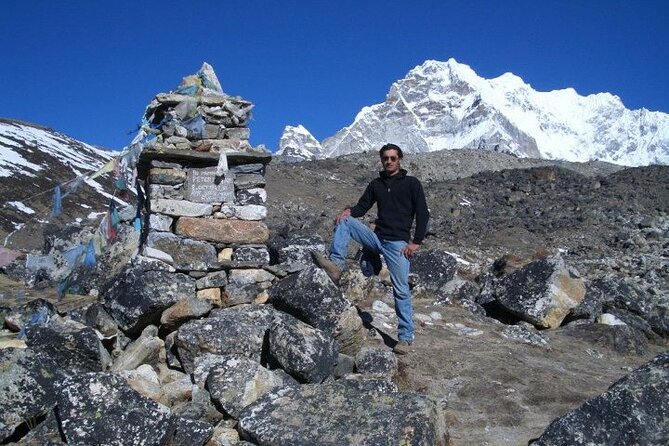
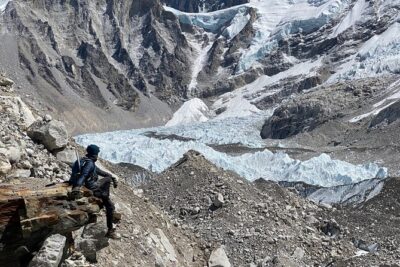
On Day 8, the trail goes up the steep terminal moraine of the Khumbu Glacier toward Chupki Lhara. Prayer flags and stone markers make this section more than a bare uphill slog, though the steep moraine is a reminder that the route can be demanding underfoot. The itinerary does not give distance or walking hours for this day, so ask for those details if you want to judge the daily pace.
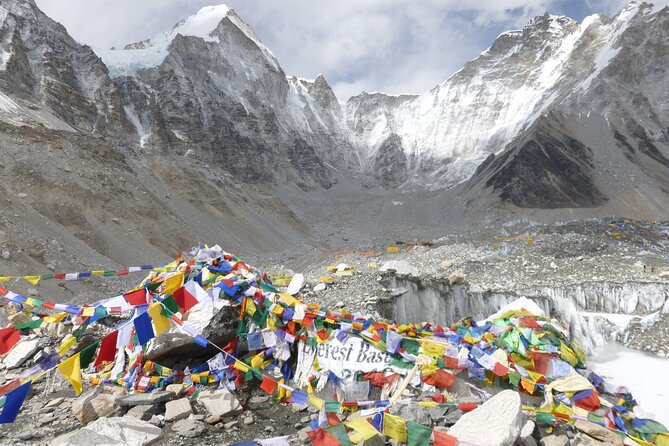
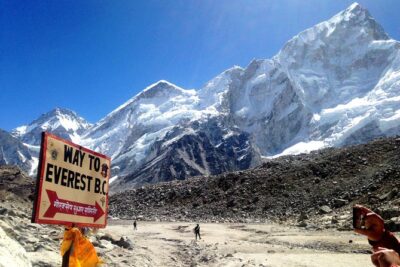
Day 9 is the main Base Camp day. The plan describes a viewpoint at Thangma Riju with a broad panorama of snowcapped mountains, and makes an important distinction: Mount Everest is not visible from this viewpoint. Reaching Everest Base Camp is the goal, but the mountain views along the way are a major part of the reward. The listed Base Camp stop is 30 minutes, so think of it as a brief milestone within a longer trekking day, not a long visit at camp.
Kala Patthar at sunrise
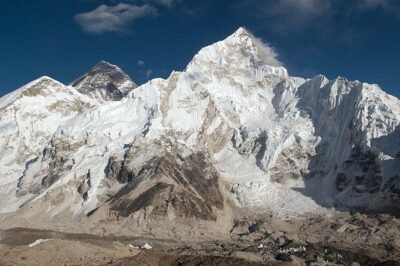
Day 10 starts early for the climb to Kala Patthar, timed for the morning light. The itinerary lists a 30-minute stop for the sunrise view and names nearby peaks, including Lingtrung. This is the day’s high point in more ways than one: you go out before dawn for a clear look across the mountain skyline, then turn back along the route.
An early start and a short viewing stop call for practical preparation. Ask what time the group leaves, what clothing is recommended, and how the guide handles a slow or difficult ascent. The tour says to dress for all weather conditions and requires strong fitness; those are not minor footnotes in a high mountain setting.
The return through Pangboche and Lukla
The descent begins on Day 11, passing Pheriche, Orsho, and Shomare before reaching Pangboche. The itinerary notes the village’s old monastery as a possible point of interest. Returning by the same general route means familiar places look different in reverse, and the downhill walking brings its own demands. The schedule does not specify the day’s distance, so it is worth checking how much time is planned on foot.
Day 12 continues down steep, rocky ground toward the suspension bridge over the Dudh Koshi, with the route passing through settlements along the way. The advice to move slowly and keep your footing is well placed: a descent is not automatically easy just because you are losing altitude. The group guide can help you keep a steady pace and stay on route, one of the strongest practical reasons to choose a guided trek.
On Day 13, you fly from Lukla back to Kathmandu. The mountain flight gives you another look at the peaks, then the afternoon is free for shopping or walking around the city. The itinerary does not state whether the flight is included in the $1,350 price, even though it is part of the route plan, so confirm that point before booking. Also ask what happens if weather affects the flight schedule; the trip operates in all weather, but the supplied details do not spell out contingency arrangements.
What the $1,350 price buys you
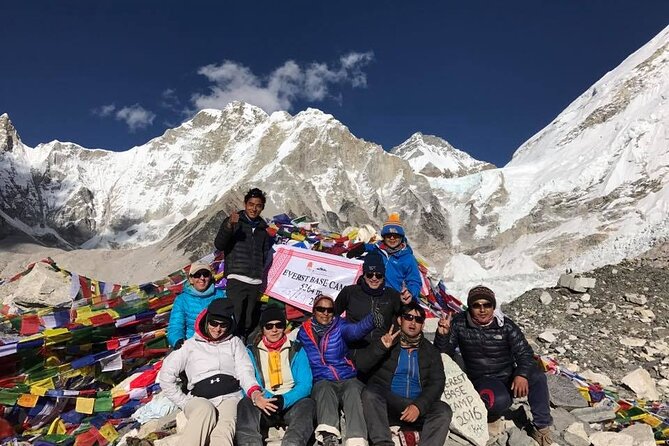
At $1,350 per person, the price is best judged by what it takes off your plate. Teahouse accommodation, meals, and local transportation are included, and the guided format means you are not left to manage the route alone. The small group, capped at 10, is another meaningful part of the value: support and personal attention matter more on a long trek than on a short city outing.
The package description does not itemize every cost. It is not clear whether the Kathmandu to Lukla flights, permits, or any other fees are included, so ask for a written breakdown before you commit. That is not nitpicking. A headline price is useful only if you know what you will still need to pay for.
The 14-day schedule also includes airport pickup and a hotel transfer on arrival, plus time in Kathmandu at the end. The trip is typically booked about 56 days ahead, a useful planning signal if you have fixed travel dates. Confirmation is provided at booking, and you need a valid passport. Passport name, number, expiry date, and country are required for every participant.
Guides, group size, and the feel of the trek
The guide is central to this experience. The stated purpose is to help you trek safely and avoid getting lost, while explaining the Himalaya, mountain communities, and Nepali culture. Names associated with past trips include Biru, Amabar, Ramesh, and Parshu. The company’s owners are named Arjun and Raj, who have handled trip questions and coordination. These names are useful context, not a promise that one of them will lead your trek.
The group limit of 10 should suit people who want company without the feel of a large tour. If you are traveling solo, the format offers a ready-made group, while a guide and porter support are mentioned in past accounts. Porter arrangements are not listed as a formal inclusion, so clarify whether porter service is part of your package and what it covers.
The route is for active, moderately fit people, but the tour’s additional guidance says strong physical fitness is needed. Take the stronger wording seriously. This is not a sightseeing walk with a few steep steps. The itinerary includes multiple days of trekking, acclimatization, rocky trail, and high mountain objectives.
Who should book this trek
I would consider this trek if your main aim is to reach Everest Base Camp with a guide and a structured route, and you value having meals and teahouse stays arranged. It is especially appealing if you want a small group, the cultural stop at a monastery, and the sunrise outing to Kala Patthar alongside the Base Camp visit.
I would pause if you want a gentle holiday, need a detailed day-by-day distance and elevation plan before deciding, or expect the price to cover every cost without checking. Confirm flights, permits, porter arrangements, daily walking times, and the plan for altitude concerns. If those answers suit your needs and your fitness is strong, this is a compelling way to focus on the mountains rather than the logistics.
FAQ
How long is the Everest Base Camp trek?
The experience lasts approximately 14 days, beginning with arrival in Kathmandu and ending with departure from Nepal.
Where does the tour start?
The listed meeting point is Tribhuvan International Airport in Kathmandu. An airport representative meets you and arranges a private tourist vehicle to your hotel.
What is the maximum group size?
The group is limited to 10 participants.
What level of fitness is required?
The tour is described as best suited to active, moderately fit people, and the additional guidance says participants should have a strong physical fitness level.
Are meals and accommodation included?
Yes. Teahouse accommodation and meals are included.
Does the itinerary include a flight to Lukla?
Yes. The itinerary includes a flight from Kathmandu to Lukla at the start and a return flight to Kathmandu at the end. The price details do not clearly state whether those flights are included in the $1,350, so confirm this with the operator.
Does the route include both Everest Base Camp and Kala Patthar?
Yes. Day 9 includes the Everest Base Camp route, and Day 10 includes an early morning visit to Kala Patthar for the sunrise view.
Is airport pickup offered?
Yes. Pickup is offered, and the arrival plan specifies a meeting at Tribhuvan International Airport followed by a private vehicle transfer to the hotel.
What passport information is needed?
A current valid passport is required on the day of travel. At booking, you must provide each participant’s passport name, number, expiry date, and country.
Can I cancel for a refund?
You can cancel at least 24 hours before the experience start time for a full refund. Cancellations or changes made less than 24 hours before the start time are not accepted for a refund or change.
Newly listed in Kathmandu
- Traditional Momo Making Class★ 5.0 · 10 reviews
- Walking tour of real Kathmandu through back streets.★ 5.0 · 3 reviews
- Kathmandu 2 Nights 3 Days Chitwan Jungle Safari Tour★ 5.0 · 9 reviews
- Visit Swayambhunath and Bauddhanath Stupa with Guide★ 5.0 · 5 reviews
- Walking tour of Kathmandu with awesome local guides★ 5.0 · 4 reviews
- Kathmandu Street Food Walking Tour – Eat Like a Local★ 5.0 · 3 reviews
- Private Manaslu Circuit Trek at Himalayas★ 5.0 · 3 reviews
- Kathmandu to Pokhara Vip Sofa Bus Ticket★ 4.0 · 4 reviews
Everest Base Camp Treks, compared.
Everest Base Camp Trek with Helicopter Return from Gorakshep to Lukla
Read our review →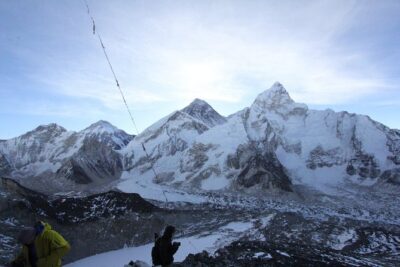
Browse the lists this tour appears in