Reviewed · KATHMANDU TOURS
Mera Peak Climbing
Mera Peak is a big Himalayan objective with a remarkable payoff: from its high slopes, the views take in five mountains above 8,000 meters, including Everest, Makalu and Lhotse. The approach through the remote Hinku and Hongu valleys is part of the appeal, not just a way to reach the summit.
I like two things in particular: the chance to see several of the world’s highest peaks from one climb, and the chance to pass through highland Sherpa communities rather than treating the mountain as a summit-only outing. The main caution is altitude. This is an 18-day expedition for fit adults, not a casual trek, and the published itinerary gives little day-by-day detail.
Key points before you book
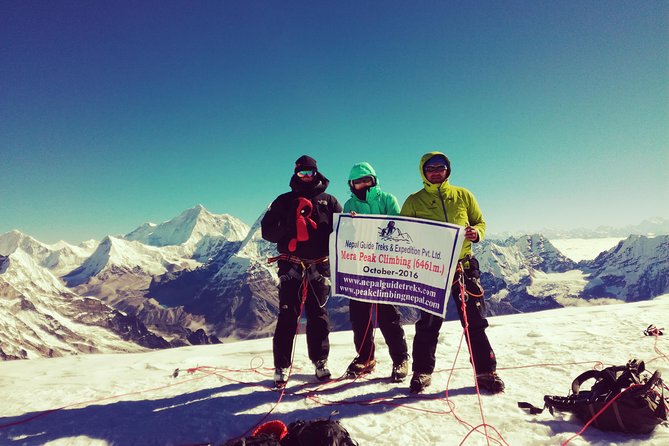
- Five 8,000-meter peaks in view: The stated highlights include Everest, Cho Oyu, Makalu, Kanchenjunga and Lhotse.
- Remote valley travel: The route focuses on the uninhabited and scenic Hinku and Hongu valleys.
- A full expedition package: Permits, a guide, trek accommodation and meals, plus necessary climbing gear, are included.
- A serious altitude commitment: The operator requires strong physical fitness, and the trip is restricted to adults aged 18 and over.
- Small group limit: The maximum group size is 15, though the actual number on your departure may be smaller.
- Plan for some uncertainty: Weather and snow have affected other climbs, including a closed pass that forced a route change.
Mera Peak is about more than the summit
Mera Peak is described as the highest of Nepal’s permitted trekking peaks south of Mount Everest. It is a compelling choice if you want a high-altitude climb with a view toward the great Himalayan giants, rather than a trek that stays below the snowline.
The promised panorama includes five peaks higher than 8,000 meters: Everest at 8,848 meters, Cho Oyu at 8,201 meters, Makalu at 8,485 meters, Kanchenjunga at 8,586 meters and Lhotse at 8,516 meters. The view is a major part of the draw, but it depends on conditions. Cloud and weather can limit what you see, and reaching a summit is never guaranteed.
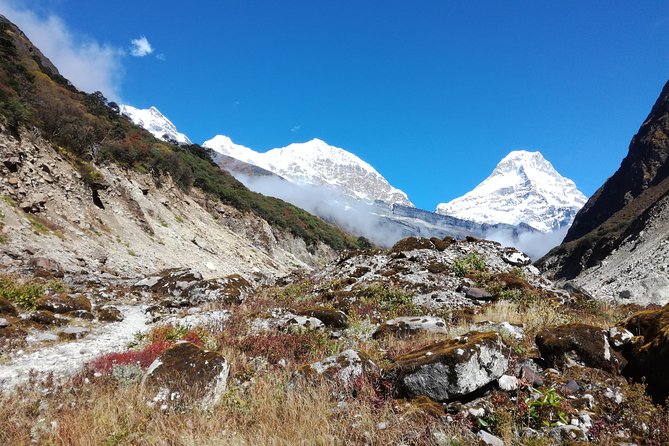
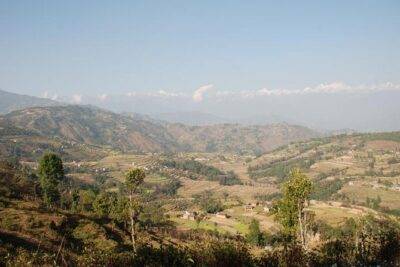
The approach also takes you into the Hinku and Hongu valleys, described as wild, beautiful and uninhabited. That setting gives the expedition a quieter, more remote feel than a trip built around busy towns. You also have the chance to encounter the traditions and culture of highland Sherpa communities along the way.
More Kathmandu tours in Kathmandu:
- Everest Base Camp Trek – 14 Days
★ 5.0 · 1,499 reviews - Private Kathmandu Sightseeing Tour | UNESCO World Heritage sites
★ 5.0 · 756 reviews - Everest Base Camp Helicopter Tour landing at Everest View Hotel
★ 5.0 · 668 reviews
What the 18-day plan does and does not tell you
The experience is listed at about 18 days, 2 hours and 5 minutes, beginning at Tribhuvan Airport in Kathmandu. The operator, Nepal Guide Treks and Expedition, is the only named stop in the itinerary information. There is no detailed sequence of daily walking stages, overnight stops, acclimatization days or summit plans.
That missing detail matters. On a high-altitude climb, the pace and opportunities to acclimatize are central to how you judge the trip. Before paying, ask for the current day-by-day plan and confirm how it handles rest, altitude gain, summit timing, bad weather and a delayed or cancelled flight. These are practical questions, not picky ones.
At a broad level, you can expect the trip to combine time in Kathmandu with trekking through the Hinku and Hongu valleys and a climbing phase on Mera Peak. The package includes four nights in Kathmandu with bed and breakfast, then tea-house and camping accommodation with food during the trek. The exact split between nights in tea houses and camps is not specified, so ask what conditions and facilities to expect on your departure.
Kathmandu is your starting point
The meeting point is Tribhuvan Airport in Kathmandu, and pickup is offered. The stated operating window is 9:45 a.m. to 6:15 p.m., Monday through Sunday. Confirm your flight details and pickup arrangements with the company before you travel, especially if you arrive outside those hours.
Four nights of Kathmandu accommodation with breakfast are included. That gives you a useful base at the beginning of a long expedition, though the information does not say exactly when those nights fall or whether they include time after the climb. Confirm the hotel arrangements and what happens if travel delays affect your schedule.
International airfare and departure tax are not included. You will also need to budget for personal expenses, personal climbing gear and tips for guides and porters. The phrase necessary climbing gear is included, while personal climbing gear is excluded. Ask for a written gear list so you know what the company supplies and what you need to bring yourself.
Valley trekking brings the human scale
The route’s stated focus on the Hinku and Hongu valleys gives you more than a mountain backdrop. These valleys are described as remote and uninhabited, while the wider journey also offers contact with Sherpa communities and their highland traditions. The combination is part of what makes this climb appealing: you get a long approach through mountain country, not simply a dash toward a summit.
Accommodation alternates between tea houses and camping, with food included during the trek. That mix can be practical in a remote region, but it also means you should not assume every night will have the same facilities. Ask the operator how the camp portion works, what personal sleeping equipment you must bring and whether meals meet any dietary needs you have.
The group limit of 15 gives the company room to organize a proper expedition team, but 15 is a maximum, not a promise of a particular group size. If you prefer a smaller party, ask how many people are booked for your dates and how guides and porters are assigned.
A different kind of day in the valley:
- Half day cooking class in Thamel kathmandu
★ 5.0 · 607 reviews - Everest Base Camp Trekking
★ 5.0 · 485 reviews - Nagarkot Sunrise View and Day Hiking from Kathmandu
★ 5.0 · 471 reviews - Kathmandu: Full Day 7 UNESCO Tour with Lunch – Private/Group
★ 5.0 · 415 reviews
The climb is demanding, and altitude deserves respect
The operator specifies a strong level of physical fitness and sets the minimum age at 18. Those requirements fit the nature of the trip: this is a high-altitude trek and climb, with long days and conditions that can change. The supplied information does not define a training standard, so ask what preparation the company recommends and be candid about your health and previous experience.
The health guidance stresses steady hydration, with 2 to 3 liters of lukewarm water a day, avoiding alcohol and smoking, and eating light foods rich in calories. Ginger and garlic are suggested as additions to meals. These are general precautions, not a guarantee against altitude illness.
If symptoms appear, the guidance says to tell your guide, rest and drink water if symptoms are mild, and seek medical advice if available. It also says to descend if symptoms do not improve after acclimatizing, and to descend immediately in a serious case. It mentions Diamox and a Gamow bag, a high-pressure inflatable bag, but you should discuss medication and altitude plans with a medical professional before departure. Confirm with the company what emergency equipment it supplies and who makes decisions if someone becomes unwell.
Guides and flexibility matter when plans change
The strongest practical sign of a well-run expedition is not a promise of perfect weather. It is the ability to make safe decisions when the mountain changes the plan. On a previous trip, heavy snowstorms in late October closed Amphu Laptsa Pass and forced a change to a planned Mera Peak, Amphu Laptsa Pass and Island Peak route. The team adapted rather than treating the original plan as fixed.
Other past climbs have involved weather delays and difficult summit conditions. The guides and company staff helped adjust plans, while the priority remained safety. This is useful context for anyone booking a Himalayan climb: a summit goal matters, but flexibility matters more.
Guide names associated with previous trips include Gelchen Sherpa, Dandee, Ming-ma, Sonam Sherpa, Samdu and Dende. These names give you a sense of the team members who have led earlier departures, but they do not confirm who will guide your climb. Ask who is currently assigned, what climbing support is included and how the team handles a member who needs to stop or descend.
What $3,000 covers, and what it does not
At $3,000 per person, the price includes four Kathmandu nights with breakfast, Mera Peak climbing permits, tea-house and camping accommodation, meals during the trek, an experienced trekking and climbing guide, and necessary climbing gear. For a multi-week expedition, having permits, food, lodging and guide support bundled into one price can make planning simpler.
But the total cost will be higher once you add international flights and departure tax, personal expenses, tips, and personal climbing gear. The listing does not specify every possible expense or exactly which equipment is supplied. Do not assume that every item on your personal kit list is covered just because the package includes necessary climbing gear.
I would judge the price by the written inclusions and the support offered, not by the headline figure alone. Ask for an itemized list of equipment and services, confirm whether airport pickup is included for your arrival, and check what costs might arise if weather forces extra nights or a route change. The information provided does not spell out those contingencies.
Who should choose this climb?
Mera Peak suits you if you are physically fit, comfortable committing nearly three weeks, and drawn to both high mountain views and remote valley travel. It is especially appealing if you want a guided climb with permits, trek meals and accommodation arranged, while still being prepared to bring personal equipment and handle your own travel costs.
It is a poor fit if you want a fixed, low-effort schedule or cannot accommodate a change of plan. Weather, snow and altitude can affect a climb, and the summit is not something any operator can promise. The lack of a detailed day-by-day itinerary also means you should get more specifics before booking, particularly about acclimatization and the climbing schedule.
The experience offers free cancellation up to 24 hours before the start time for a full refund. Changes or cancellations made less than 24 hours before the start are not accepted for a refund, and the cut-off follows local time. Check the precise terms shown at booking before you commit.
Should you book Mera Peak?
Book this expedition if the prospect of the Hinku and Hongu valleys, Sherpa culture and views toward five 8,000-meter peaks is worth a demanding, weather-sensitive climb to you. The included guide, permits, food and accommodation provide a useful foundation, and past trips show the team adapting when conditions disrupt plans.
Before you pay, get the full daily itinerary, a personal gear checklist, details of altitude and emergency procedures, and a clear account of what happens if weather changes the schedule. If those answers satisfy you and you meet the fitness demands, this is a compelling way to take on a major Himalayan peak. If you need certainty about the summit date or every overnight detail, pause until the operator fills in the gaps.
FAQ
How long is the Mera Peak trip?
The listed duration is approximately 18 days, 2 hours and 5 minutes.
What is included in the $3,000 price?
The package includes four nights in Kathmandu with bed and breakfast, Mera Peak permits, tea-house and camping food and accommodation during the trek, an experienced trekking and climbing guide, and necessary climbing gear.
Is airport pickup available?
Yes. Pickup is offered, and the meeting point is Tribhuvan Airport in Kathmandu. The stated operating hours are 9:45 a.m. to 6:15 p.m., Monday through Sunday.
What is the minimum age?
You must be at least 18 years old.
How fit do I need to be?
The experience requires a strong level of physical fitness. The supplied information does not give a more specific training standard.
What costs are not included?
International airfare and departure tax, personal climbing gear, personal expenses, and tips for guides and porters are excluded.
Can I cancel for a refund?
You can cancel at least 24 hours before the start time for a full refund. Cancellations or changes made less than 24 hours before the start are not accepted for a refund.
Newly listed in Kathmandu
- Traditional Momo Making Class★ 5.0 · 10 reviews
- Kathmandu 2 Nights 3 Days Chitwan Jungle Safari Tour★ 5.0 · 9 reviews
- Walking tour of real Kathmandu through back streets.★ 5.0 · 3 reviews
- Visit Swayambhunath and Bauddhanath Stupa with Guide★ 5.0 · 5 reviews
- Walking tour of Kathmandu with awesome local guides★ 5.0 · 4 reviews
- Kathmandu Street Food Walking Tour – Eat Like a Local★ 5.0 · 3 reviews
- Private Manaslu Circuit Trek at Himalayas★ 5.0 · 3 reviews
- Kathmandu to Pokhara Vip Sofa Bus Ticket★ 4.0 · 4 reviews
Kathmandu Tours, compared.
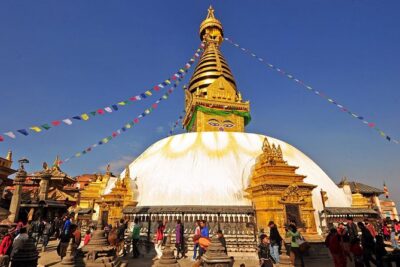
Private Kathmandu Sightseeing Tour | UNESCO World Heritage sites
Read our review →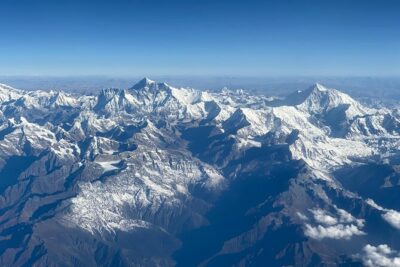
Everest Base Camp Helicopter Tour landing at Everest View Hotel
Read our review →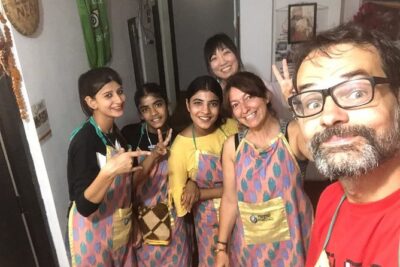
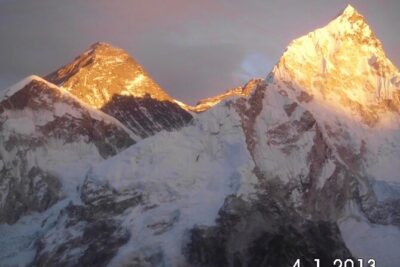
Nagarkot Sunrise View and Day Hiking from Kathmandu
Read our review →
Full Day 7 UNESCO Tour with Lunch – Private/Group
Read our review →