Reviewed · KATHMANDU TOURS
Shamanism Tour in Nepal – One-to-one Consultation with Sharmans
Kathmandu’s shamanism tour takes you into a working temple and healing center, where local people come for spiritual guidance and treatment. The visit is not simply a talk about tradition: you may see ceremonies in progress before meeting a Shaman for a private consultation.
I like two things here. First, the guide explains what is happening and translates, giving you a way into a practice that could otherwise feel opaque. Second, the center serves as both a training place and a treatment center, so you are seeing a living tradition, not a staged demonstration.
The main caveat is that the consultation is not a fixed fortune-telling session. The Shaman may focus on negative energy if they sense it, and may do little if they do not. Go curious, not expecting a set list of predictions or a guaranteed healing.
- A real temple near Thamel: The center is within walking distance of the neighborhood and serves local people as well as visitors.
- A guide to interpret the experience: Siddartha is named as the guide in the tour’s communications, and the guide translates during the consultation.
- A variable private session: Your one-to-one meeting may include divination, healing or a blessing, but its content and length can depend on what the Shaman senses.
- A chance to observe first: You are encouraged to watch the Shaman consult local people and carry out ceremonies before your own meeting.
- A $40 starting price: Bottled water and the guide are included. Donations at the healing center, tips and meals are extra.
A working temple, not a staged show
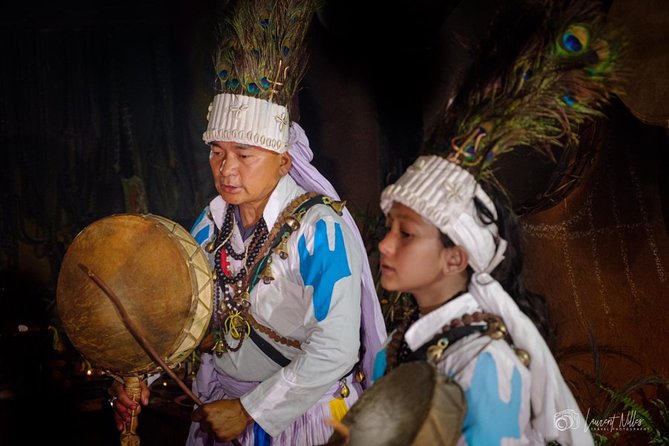
The center is a short walk from Thamel, Kathmandu’s main visitor district. It is described as a training and treatment center run by a local Himalayan Bon Shaman. That distinction matters: this is not set up only to entertain tourists. You may arrive while ceremonies or consultations are already taking place.
The experience brings you close to an aspect of Nepali spiritual life that can be hard to understand from the outside. The tour presents Himalayan Bon Shamanism as an ancient practice and introduces the Shaman as a source of spiritual divination, healing and counseling. Treat those ideas as part of the tradition you are there to learn about, not as medical care or a substitute for professional advice.
Your guide helps bridge the gap between what you see and what it means. Siddartha is named in the tour’s communications and in the provider’s replies to visitors. The guide gives an introduction before the meeting, explains what the Shaman can and cannot do, and translates so you can follow the consultation.
That context is especially useful if you have little background in shamanism. You can ask questions and learn about the practice without needing to pretend that you already understand its rituals or beliefs.
Watching before your own consultation
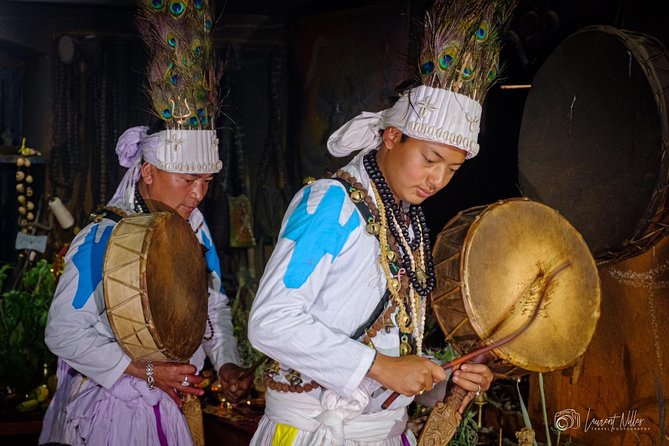
The visit starts at the center, where you are encouraged to observe the Shaman at work with local people. That can be a better introduction than going straight into a private session. You get a sense of the setting and see that the Shaman’s work is part of an ongoing local practice.
The atmosphere may be less polished than a visitor attraction. One Shaman may wear ordinary clothes rather than elaborate ceremonial dress, for example. If you expect a dramatic costume or a performance arranged for your arrival, you may be disappointed. A Shaman’s clothing and the activity happening that day can vary.
You might see ceremonies or healing rituals while you are there, but no specific ceremony is guaranteed. The center’s role as a training place means there may be activity beyond your own consultation. The exact scene depends on what is happening at the time.
The tour suggests observing first so you can prepare mentally and spiritually. In practical terms, it also gives you a moment to settle in, listen to the guide and decide how you feel about taking part. You are visiting a spiritual setting, so a respectful, attentive manner is appropriate.
More Kathmandu tours in Kathmandu:
- Everest Base Camp Trek – 14 Days
★ 5.0 · 1,499 reviews - Private Kathmandu Sightseeing Tour | UNESCO World Heritage sites
★ 5.0 · 756 reviews - Everest Base Camp Helicopter Tour landing at Everest View Hotel
★ 5.0 · 668 reviews
What happens in the one-to-one meeting
After the introduction and any observation, you meet the Shaman privately for a consultation. The guide translates the conversation. The advertised focus includes spiritual divination and healing, and the tour describes the session as a chance to learn about your health, past and present concerns, and future.
Keep expectations flexible. The consultation does not necessarily cover every subject in that list. The Shaman may focus on negative energy or spirits if they sense them. If they do not, the session may be brief or involve little intervention. The provider’s explanation is that they avoid disturbing positive energy when there is no negative energy to address.
That means this is not a guaranteed reading in which you receive a full account of your past, present and future. One visitor felt that past health issues were not discussed; another noted that the Shaman did not offer predictions when no negative energy was detected. The guide should explain the approach, but it is still worth asking before the consultation what you can reasonably expect.
The session might involve a ritual, blessing, meditation or advice, depending on the Shaman and the circumstances. Some people find that process soothing or useful for reflecting on personal concerns. Others may find the encounter too brief or too open-ended for the price. Either response is understandable: the format is personal, and you cannot know exactly what will happen in advance.
The tour describes the practice as a form of natural psychological healing. It may offer a meaningful chance for reflection, but it should not be treated as a clinical mental health service. If you have a health concern, seek care from a qualified medical professional.
Timing, preparation and etiquette
Allow about one hour to 90 minutes for the outing, though the actual consultation can last less time. One visitor described a session of roughly 30 minutes when there was little to address. The remaining time may include the guide’s introduction, the walk to the center, observing activity and hearing explanations.
You are advised to bathe before visiting the temple. The tour also notes a tradition that women do not visit the Shaman or temple during the first four days of their period. If this applies to you, clarify the expectation with the operator before booking rather than leaving it until arrival.
The meeting point is P8F3+WX, Kathmandu 44600, and the activity ends back there. The center is within walking distance of Thamel, and the tour is listed as near public transportation. It is a private activity, so only your group takes part in the tour. That should make it easier to ask questions, though the temple itself may be active with other people.
Bottled water and a guide are included. Meals are not, and you should plan for a donation at the healing center and a possible tip for the guide. No donation amount is specified, so ask what is customary before the visit if you want to budget carefully.
What $40 buys you
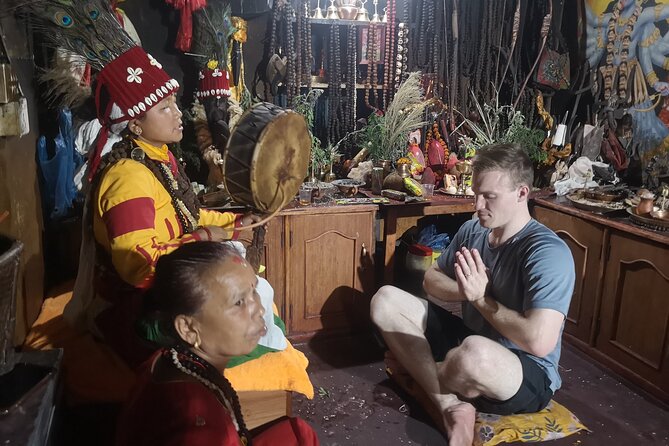
At $40 per person, the value depends on what you want from the hour. You are paying for more than a quick introduction: the price includes a private consultation, a guide who translates and explains the practice, and access to a working center close to Thamel. For someone interested in Nepali culture and spiritual traditions, that personal access may be worthwhile.
It is less compelling if you expect a long, structured session with a guaranteed reading or a prescribed healing ritual. The Shaman’s response can vary, and a consultation may be short if no negative energy is identified. The experience also has extra costs: donation, guide tip and meals are not included.
This is a cultural visit with a spiritual component, not a conventional sightseeing stop. Its value is strongest when you want to understand the setting and beliefs as well as receive a personal consultation. If all you want is a prediction, you may feel you paid a high price for an uncertain outcome.
A different kind of day in the valley:
- Half day cooking class in Thamel kathmandu
★ 5.0 · 607 reviews - Everest Base Camp Trekking
★ 5.0 · 485 reviews - Nagarkot Sunrise View and Day Hiking from Kathmandu
★ 5.0 · 471 reviews - Kathmandu: Full Day 7 UNESCO Tour with Lunch – Private/Group
★ 5.0 · 415 reviews
Who will get the most from the visit
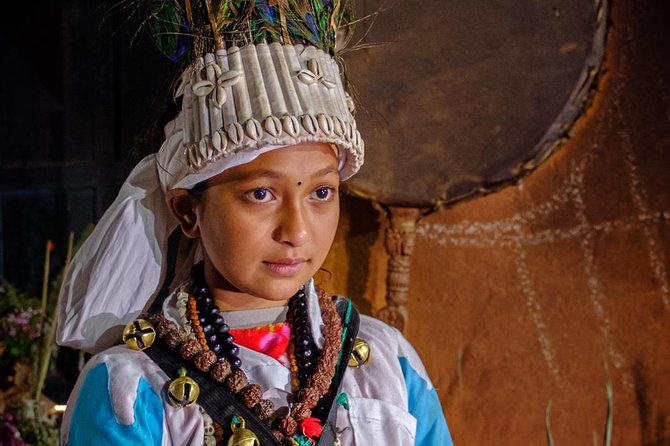
I would consider this tour if you are genuinely interested in shamanism, spiritual practice or the many ways people seek guidance. It can also be a thoughtful first-day activity in Kathmandu: the guide’s introduction offers cultural context before you begin exploring on your own.
You will get more from it if you are comfortable observing rituals and asking questions without needing to accept every spiritual claim as fact. An open mind does not require suspending judgment. You can listen, take part respectfully and decide for yourself what the consultation means.
It is a weaker choice if your schedule is tight, you dislike uncertainty, or you need a specific outcome from the session. You may find the center fascinating but the consultation too short. Since the booking is non-refundable and cannot be changed, make sure the subject appeals to you before committing.
Should you book this Kathmandu shamanism tour?
Book it if you want a close, guided introduction to a living spiritual practice and can accept that your consultation may be brief or differ from your expectations. The guide and translation are central to the experience, while observing local activity gives the temple visit context.
Skip it if you are looking for guaranteed predictions, medical treatment or a long healing session. At $40 plus a donation and tip, the price is easiest to justify when you value the cultural learning as much as the private meeting.
FAQ
How long does the tour last?
The visit is approximately one hour to 90 minutes. The one-to-one consultation may be shorter, depending on what happens during the session.
Where does the tour start and end?
It starts at P8F3+WX, Kathmandu 44600, and ends back at the same meeting point. The temple and healing center are within walking distance of Thamel.
Is the consultation private?
Yes. The tour is a private activity, so only your group participates in the tour. The consultation is one-to-one with the Shaman, with a guide translating.
What is included in the $40 price?
The price includes a one-to-one consultation, bottled water and a guide who translates. A donation at the healing center, guide tip and meals are not included.
Will the Shaman discuss my past, present and future?
The tour describes those subjects as part of the consultation, but a full reading is not guaranteed. The Shaman may focus on negative energy if they sense it and may avoid disturbing positive energy when they do not.
Is there anything I should know before visiting the temple?
The tour suggests bathing before your visit. It also notes a tradition that women do not visit the Shaman or temple during the first four days of their period.
Newly listed in Kathmandu
- Traditional Momo Making Class★ 5.0 · 10 reviews
- Kathmandu 2 Nights 3 Days Chitwan Jungle Safari Tour★ 5.0 · 9 reviews
- Walking tour of real Kathmandu through back streets.★ 5.0 · 3 reviews
- Visit Swayambhunath and Bauddhanath Stupa with Guide★ 5.0 · 5 reviews
- Walking tour of Kathmandu with awesome local guides★ 5.0 · 4 reviews
- Kathmandu Street Food Walking Tour – Eat Like a Local★ 5.0 · 3 reviews
- Private Manaslu Circuit Trek at Himalayas★ 5.0 · 3 reviews
- Kathmandu to Pokhara Vip Sofa Bus Ticket★ 4.0 · 4 reviews
Kathmandu Tours, compared.
Private Kathmandu Sightseeing Tour | UNESCO World Heritage sites
Read our review →
Everest Base Camp Helicopter Tour landing at Everest View Hotel
Read our review →

Nagarkot Sunrise View and Day Hiking from Kathmandu
Read our review →
Full Day 7 UNESCO Tour with Lunch – Private/Group
Read our review →