Reviewed · KATHMANDU TOURS
Fixed Departure Tibet Overland Group Joining Tours.
The striking idea here is crossing from Kathmandu into Tibet by road, then following a high-altitude route past turquoise Yamdrok Tso and on to Lhasa’s monasteries and palaces. You get a changing view of the region, not just a city stay.
I like two things in particular: the route links major cultural sites with big mountain scenery, and the tour includes transport, a guide, breakfasts, monastery entry fees, and the Tibet Travel Permit. Asmita and Gokul are named for their help organizing trips, while the sightseeing itself is led by an English-speaking Tibetan guide.
The main consideration is the demanding schedule. You start at 5:15 am, spend long stretches on the road, and cross high passes; the listed journey also needs advance passport and permit arrangements. Check the exact return plan before paying, since the final day may continue to Kathmandu or Mainland China.
Key points to know before you go
- Cross the Kerung border from Kathmandu: The first day begins early, with a drive through the countryside and border formalities before continuing uphill.
- Reach high elevations on the road: Gyatchu La is listed at 5,220 metres, with Karo La at 5,010 metres and Kamba La at 4,794 metres.
- See Tibet beyond Lhasa: The route includes Shigatse and Gyantse, with Tashlhumpu Monastery and Gyantse’s Kumbum and Dzong among the headline stops.
- Spend two days sightseeing in Lhasa: The program includes Potala Palace, Jokhang Temple, Barkhor Bazaar, Drepung Monastery, and Sera Monastery, plus other sites named in the tour overview.
- Plan paperwork early: The operator needs booking confirmation at least 15 working days in advance for the Tibet Travel Permit, and your original passport at least three working days in advance for the Tibet visa.
- Budget for extras: Lunch, dinner, visa fees, flights or train fares, tips, drinks, and any single-room supplement are not included.
The road from Kathmandu sets the tone
This is an overland trip first and a sightseeing tour second. You leave Kathmandu early, drive toward the Kerung border, complete the crossing formalities, then continue uphill into Tibet. The opening day is more about reaching the next stage of the route than visiting a specific attraction.
That distinction matters when you plan. Long road days and changing elevation take time, and the schedule does not give precise driving hours or border-crossing durations. I would keep your plans flexible around the start and finish rather than arranging tight onward connections.
The 5:15 am start is an important practical detail. You will want to be ready early and have your passport and other travel documents close at hand. The listing says pickup is offered, but it does not specify where pickup happens, so confirm the meeting point and pickup arrangements with Outshine Adventure.
More Kathmandu tours in Kathmandu:
- Everest Base Camp Trek – 14 Days
★ 5.0 · 1,499 reviews - Private Kathmandu Sightseeing Tour | UNESCO World Heritage sites
★ 5.0 · 756 reviews - Everest Base Camp Helicopter Tour landing at Everest View Hotel
★ 5.0 · 668 reviews
A high plateau, then Shigatse
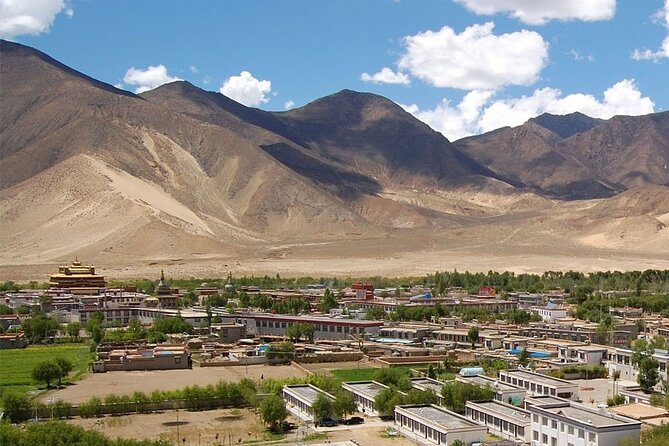
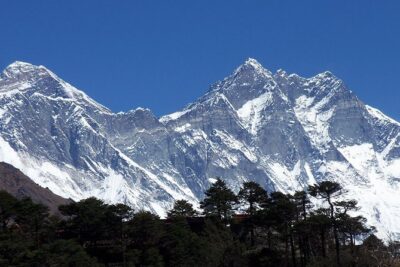
On day two, the route continues across Tibet’s high plateau toward Tengri. The description promises Himalayan views and wide-open Tibetan scenery, including views of Mt. Everest, whose stated elevation is 8,848 metres. Weather and visibility can affect what you see, so consider the mountain views a possibility rather than a guarantee.
Day three brings the drive to Shigatse over Gyatchu La, the highest pass listed on this trip at 5,220 metres. That is a serious altitude, even if you are only crossing it by vehicle. Take the pace sensibly, follow your guide’s directions, and do not treat a long drive at elevation like an ordinary sightseeing day.
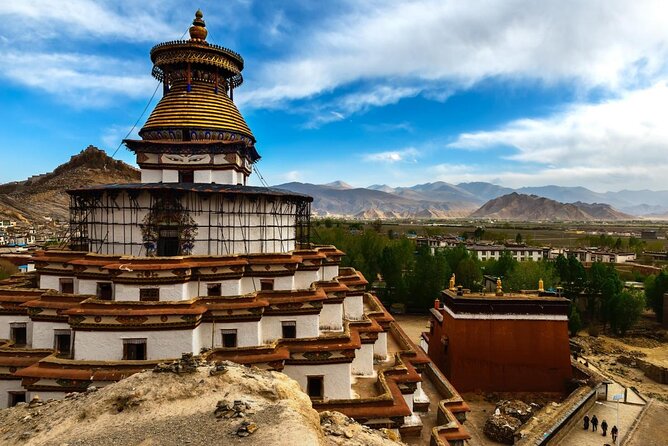
Shigatse is a useful pause between the border crossing and Lhasa. The tour includes time to visit Tashlhumpu Monastery, the seat of the Panchen Lama, before heading onward. Its religious importance gives the stop context beyond the architecture: you are seeing a living monastic site, not merely ticking off a photo stop.
Gyantse’s monastery and fortress
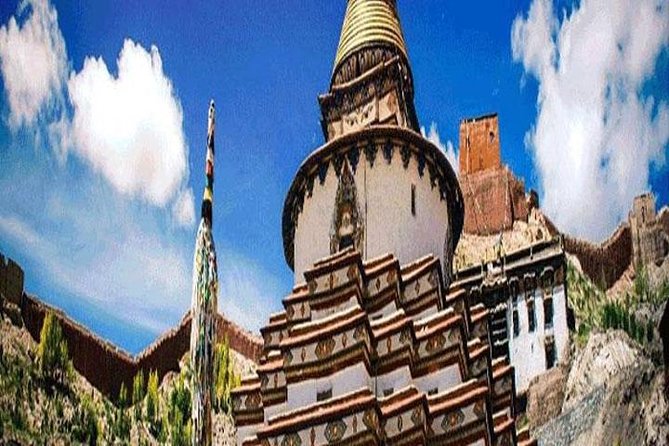
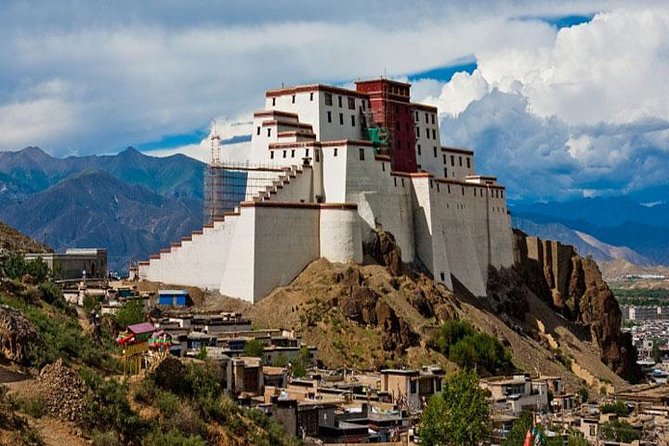
After Shigatse, the route goes through Tibetan villages toward Gyantse. The named sights here are Gyantse Kumbum and Gyantse Dzong, as well as Shalu Monastery in the tour overview. The Kumbum is a distinctive Buddhist structure, while the Dzong adds a different layer of local history and gives the town a strong visual landmark.
The schedule allows for a short sightseeing visit in Gyantse, so do not expect a slow, in-depth stay at every site. Still, this stop helps break up the drive and gives you a look at smaller towns outside Lhasa. The countryside between sites is part of the experience, though the supplied plan does not specify how much time you will have at each one.
Some of the listed places, including Sakya Monastery and Shalu Monastery, are not assigned to a specific day in the day-by-day outline. Ask the operator which visits are included on your departure and how much time is planned at each. That is especially useful if one monastery matters more to you than another.
Yamdrok Tso on the way to Lhasa
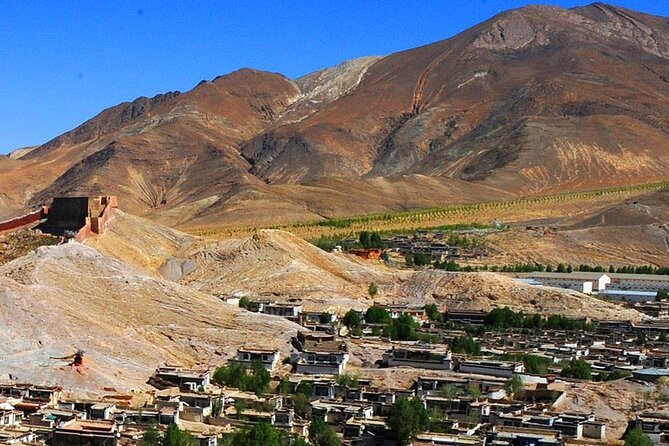
Day five is a scenic drive to Lhasa over Karo La, at 5,010 metres, and Kamba La, at 4,794 metres. The route includes Yamdrok Tso, also called Turquoise Lake, and the Brahmaputra River. These are among the trip’s most memorable natural features, set against the high-altitude surroundings.
The lake is not just a quick name on a route map. Its color and scale make it a major contrast with the dry mountain country around it. But this is still a driving day, so your time at viewpoints may depend on the schedule and road conditions. Ask whether stops are planned and how long they typically last.
The repeated high passes are part of the tour’s appeal, but they are also a real physical consideration. The price does not include meals beyond breakfast, and the information provided does not describe medical support or an acclimatization plan. If you have concerns about altitude or health, raise them with the operator and your doctor before booking.
A different kind of day in the valley:
- Half day cooking class in Thamel kathmandu
★ 5.0 · 607 reviews - Everest Base Camp Trekking
★ 5.0 · 485 reviews - Nagarkot Sunrise View and Day Hiking from Kathmandu
★ 5.0 · 471 reviews - Kathmandu: Full Day 7 UNESCO Tour with Lunch – Private/Group
★ 5.0 · 415 reviews
Two days among Lhasa’s landmarks
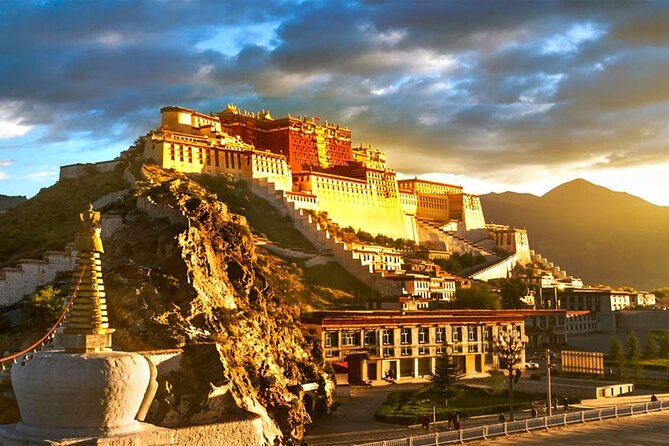
The Lhasa sightseeing begins with Potala Palace, the former winter palace of the Dalai Lama. The building dominates the city and offers a broad view over Lhasa from its elevated position. It is one of the tour’s defining stops, and a guided visit can help you understand why it carries both political and religious significance.
The day’s named sights also include Norbulingka Palace, Barkhor Bazaar, Tibet Museum, and Jokhang Temple. Together, they offer different views of the city: formal palace grounds, a major religious center, a market area, and a museum setting. The tour overview names all of these, but the day-by-day schedule does not spell out the exact order or length of each visit. Confirm the final sightseeing plan before you travel.
On the second Lhasa day, you visit Drepung Monastery and Sera Monastery. Drepung was built in the 14th century and was once described as housing 10,000 monks. That scale helps put the monastery’s importance in perspective, even if the daily visit is much shorter than the span of its history.
Sera is another major monastic stop. The itinerary identifies it as part of the day but gives few details about what you will see there. You will have an English-speaking Tibetan guide, which is valuable when religious spaces and local customs are unfamiliar. Follow the guide’s instructions on respectful behavior and photography.
The overview also includes Sakya and Shalu monasteries, but the daily schedule does not clearly place them. This is worth clarifying rather than assuming every named site is guaranteed on every departure. Group schedules can involve trade-offs, and a maximum of 30 people means sightseeing may feel less intimate than a small private tour.
What the $1,300 price covers
At $1,300 per person, the price includes twin-share rooms on a bed-and-breakfast basis, seven breakfasts, an English-speaking Tibetan guide, transport by van or bus, monastery entrance fees, and the Tibet Travel Permit. For a multi-day road trip that includes lodging, transport, guidance, and permit support, those inclusions make the price easier to assess than a bare tour fee.
The value depends on your room needs and onward travel. A single supplement may apply if you want your own room, and flights or train fares for any sector are excluded. Lunch and dinner are also on you, along with drinks, tips, personal purchases, and visa fees. Add those costs before comparing this tour with a private arrangement.
The reviews of the company’s service give particular emphasis to organization and staff assistance. Asmita is described as helping prepare people for the trip and making arrangements straightforward. Gokul is also praised for coordinating travel from Nepal into Tibet; one customer specifically noted his English and Spanish. These are useful names to know when asking questions, though the tour itself promises an English-speaking Tibetan guide and does not state which guide will lead your departure.
Paperwork, group size, and the final day
Tibet travel involves advance preparation. The operator asks for booking confirmation at least 15 working days in advance for the Tibet Travel Permit, and the original passport at least three working days in advance for Tibet visa arrangements. Those are separate timing requirements, so do not leave either until the last minute. The visa fee is not included.
The group can have up to 30 people. That size may help keep a shared tour at its stated price, but it can mean less flexibility at stops and more time getting everyone on and off the vehicle. Transport is by van or bus, with no vehicle size specified. If space or comfort is a priority, ask what vehicle is expected for your departure.
Day eight is described as checkout after breakfast and a scenic drive toward either Kathmandu or Mainland China. That is a major planning detail, not a small footnote. Confirm your specific end point, transport arrangements, and whether any additional fare is needed before you book flights or other onward travel.
The cancellation terms allow a full refund if you cancel at least six full days before the start. A cancellation two to six full days before earns a 50 percent refund, while cancellations less than two full days beforehand are nonrefundable. Changes close to the start are not accepted, and local time determines the cutoff.
Should you book this Tibet overland tour?
I would consider this tour if you want a structured road journey from Kathmandu, value having a guide and permit support arranged, and are keen to see both Lhasa and important sites in Shigatse and Gyantse. Its strongest appeal is the combination of high mountain roads, Yamdrok Tso, and major religious and historical places, all within one eight-day program.
I would pause if you need a relaxed pace, want a guaranteed small group, or cannot commit to the advance paperwork and early start. Before paying, get clear answers about the departure’s exact route, the monasteries included, the Lhasa sightseeing order, and whether day eight ends in Kathmandu or Mainland China. If those details fit your plans, the package offers a practical way to cover a lot of Tibet by road.
FAQ
How long is the tour?
The tour lasts approximately eight days, starting in Kathmandu and continuing through Tibet.
What is included in the $1,300 price?
The price includes twin-share accommodation with breakfast, seven breakfasts, an English-speaking Tibetan guide, transport by van or bus, monastery entrance fees, and the Tibet Travel Permit.
Are lunch and dinner included?
No. Lunch and dinner are not included, and you should also budget for drinks, tips, and personal expenses.
What paperwork is needed before departure?
The operator requests booking confirmation at least 15 working days in advance for the Tibet Travel Permit, and your original passport at least three working days in advance for Tibet visa arrangements. Visa fees are not included.
How large can the group be?
The maximum group size is 30 people.
What are the cancellation terms?
Cancel at least six full days before the start for a full refund. Cancellation two to six full days beforehand earns a 50 percent refund; cancellation less than two full days beforehand is nonrefundable.
Newly listed in Kathmandu
- Traditional Momo Making Class★ 5.0 · 10 reviews
- Walking tour of real Kathmandu through back streets.★ 5.0 · 3 reviews
- Kathmandu 2 Nights 3 Days Chitwan Jungle Safari Tour★ 5.0 · 9 reviews
- Visit Swayambhunath and Bauddhanath Stupa with Guide★ 5.0 · 5 reviews
- Walking tour of Kathmandu with awesome local guides★ 5.0 · 4 reviews
- Kathmandu Street Food Walking Tour – Eat Like a Local★ 5.0 · 3 reviews
- Private Manaslu Circuit Trek at Himalayas★ 5.0 · 3 reviews
- Kathmandu to Pokhara Vip Sofa Bus Ticket★ 4.0 · 4 reviews
Kathmandu Tours, compared.
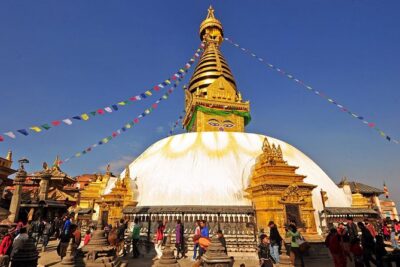
Private Kathmandu Sightseeing Tour | UNESCO World Heritage sites
Read our review →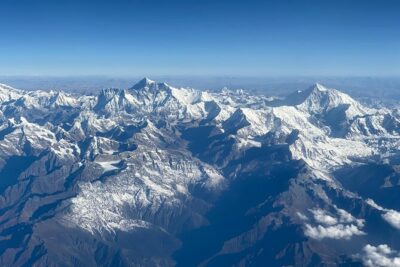
Everest Base Camp Helicopter Tour landing at Everest View Hotel
Read our review →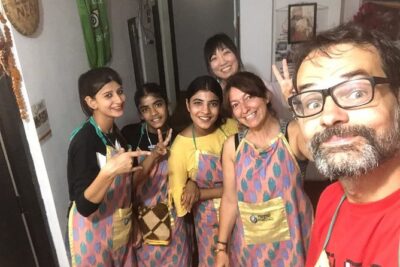
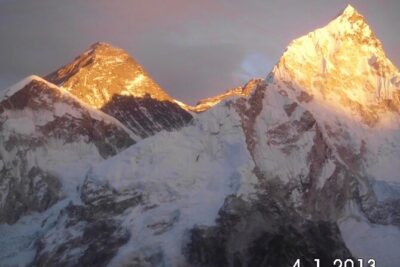
Nagarkot Sunrise View and Day Hiking from Kathmandu
Read our review →
Full Day 7 UNESCO Tour with Lunch – Private/Group
Read our review →