
Reviewed · LANGTANG TREKS
From Kathmandu: 5-Day Gosaikunda Lake Trek
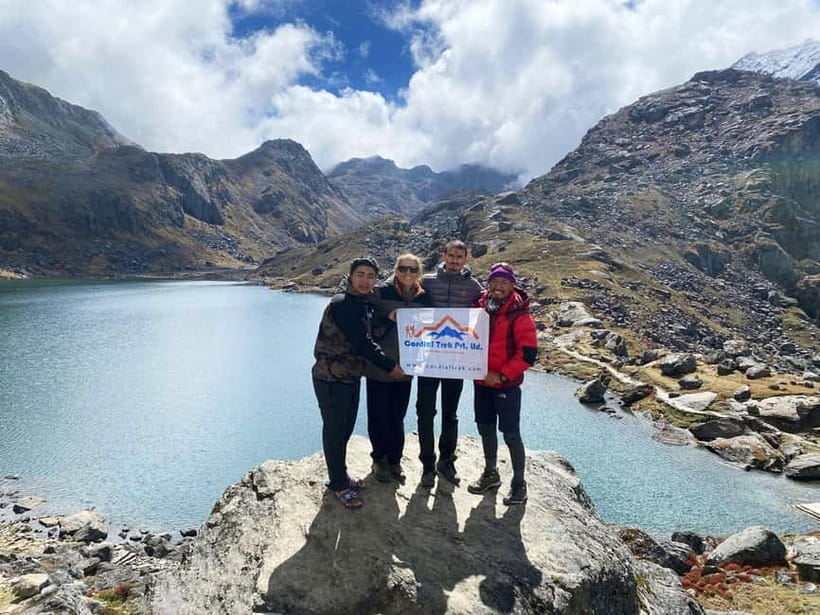
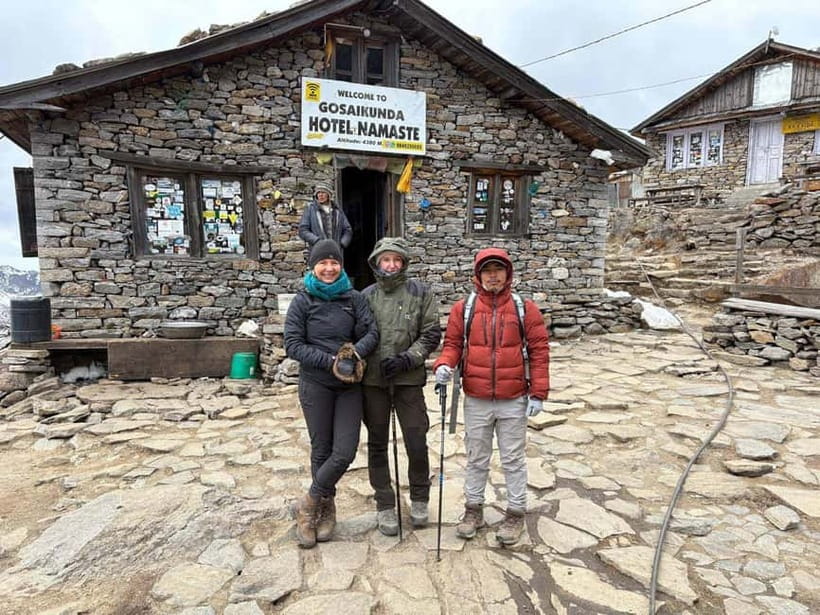
Gosaikunda is the prize at the top of this five-day trek from Kathmandu: a sacred alpine lake at 4,380 meters, set among other high lakes with the Langtang range behind it. The route trades a long expedition for a brisk climb, a night at altitude and a return by the same trail.
I like two things in particular: the chance to explore Langtang National Park on foot, and the practical support, including permits, bus transport and trekking gear you can borrow. The small group is limited to 14, and guides named on past trips include Ohm, Terence and Raj.
The main consideration is the pace and altitude. You climb steeply from Dhunche to Laurebina, then visit a lake above 4,000 meters before descending, so this is a short trek, not an easy one. Clear weather improves the views, but the route is offered year-round.
The details that shape this trek
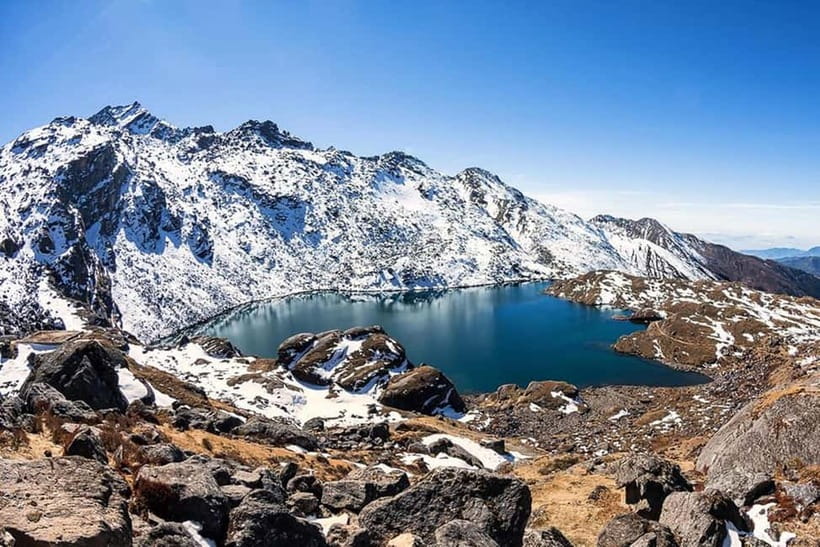
- Gosaikunda sits at 4,380 meters. The high point is a glacial lake in Langtang National Park, with Bhairav Kunda, Chandra Kunda and Saraswati Kunda nearby.
- The first day starts with a long bus ride. Allow about five to six hours from Kathmandu to Dhunche, followed by a roughly two-hour hike to Deurali.
- Laurebina is the climb’s high overnight stop. At 3,910 meters, it leaves you well placed for the lake visit the next day.
- Four nights are spent in mountain guesthouses. One past party had private rooms throughout, but room arrangements should not be assumed for every departure.
- The $179 price needs a close look. Meals are included with the full-board option; the budget option excludes meals.
- Pack for an active, high-altitude route. The steep ascent and 4,380-meter lake visit make this a poor fit for people with mobility impairments and children under 10.
Kathmandu to Dhunche, then up to Deurali
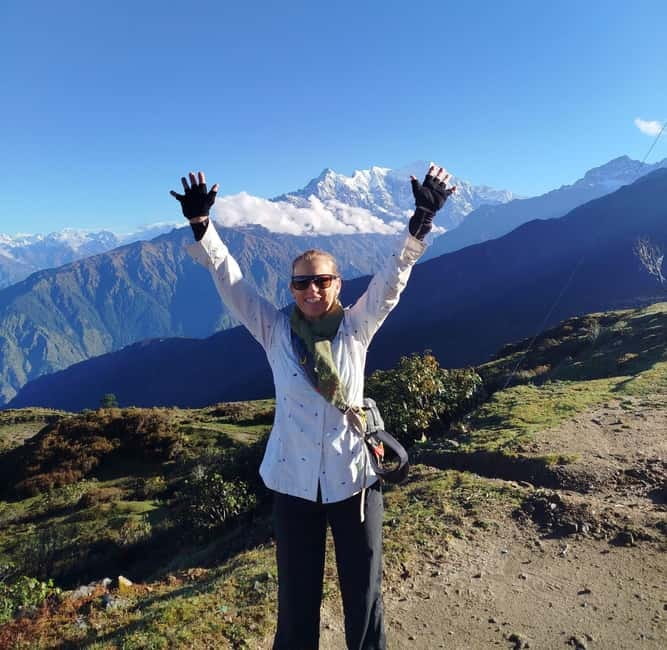
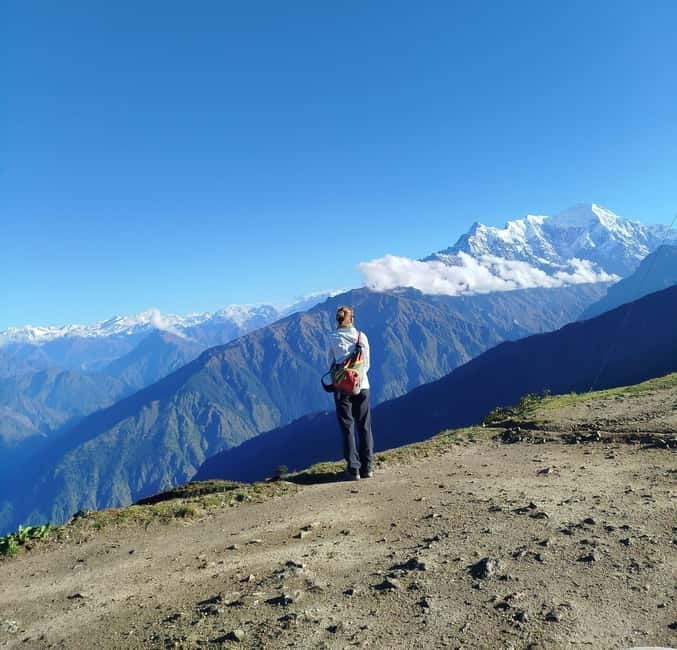
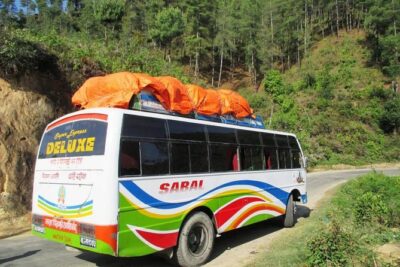
Day one begins with hotel pickup in Kathmandu and a transfer to the bus stop. The drive to Dhunche takes about five to six hours, so this is a travel day as well as a trekking day. Along the way, you may see terraced fields, green hills and mountain views that include Manaslu, Ganesh and Langtang.
Dhunche marks the start of the hike. After a short break, you walk for about two hours to Deurali, at 2,790 meters, where you spend the night in a mountain guesthouse. That first climb is relatively short compared with what follows, but the day has already included a substantial bus journey. Keep your day bag handy for water, warm layers and anything you want during the drive and walk.
The bus is part of the appeal and the trade-off. It makes this trek possible in five days from Kathmandu, but it also means you have limited time for a slow start or an extended stop on the road. If you are comparing this with a longer itinerary, the compact schedule is efficient, but it leaves little room for delays.
More Langtang treks in Kathmandu:
- Langtang Valley Trek
★ 5.0 · 140 reviews - Private 8 – Day Langtang Trekking
★ 5.0 · 29 reviews - Kathmandu: 6-Day Limitless Langtang Trek
★ 5.0 · 21 reviews
The steep climb from Deurali to Laurebina
On day two, the trail rises toward Laurebina by way of Chandanbari. The route is described as steep, and the overnight stop sits at 3,910 meters. This is the day to pace yourself, take the guide’s brief seriously and keep enough energy for the high point the following day.
Laurebina is not just a place to sleep between hikes. Its altitude puts you close to Gosaikunda, which allows the group to make the lake a round trip rather than push onward to a new overnight stop. The trade-off is that you finish this day much higher than where you started. Anyone who tends to struggle with strenuous uphill walking should think carefully about that combination.
The guide is an important part of the experience here. Past groups have been led by Ohm, Terence and Raj, with particular praise for clear communication, encouragement and attention to safety. Guide assignments can vary, so do not book on the assumption that you will have one specific person. What you can reasonably look for is a licensed guide who can explain the route and help manage the day’s pace.
Gosaikunda at 4,380 meters
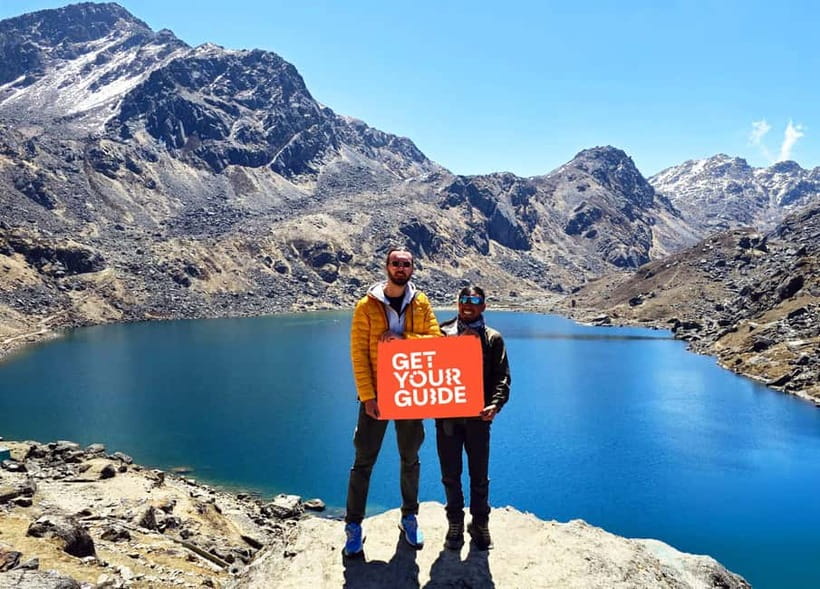
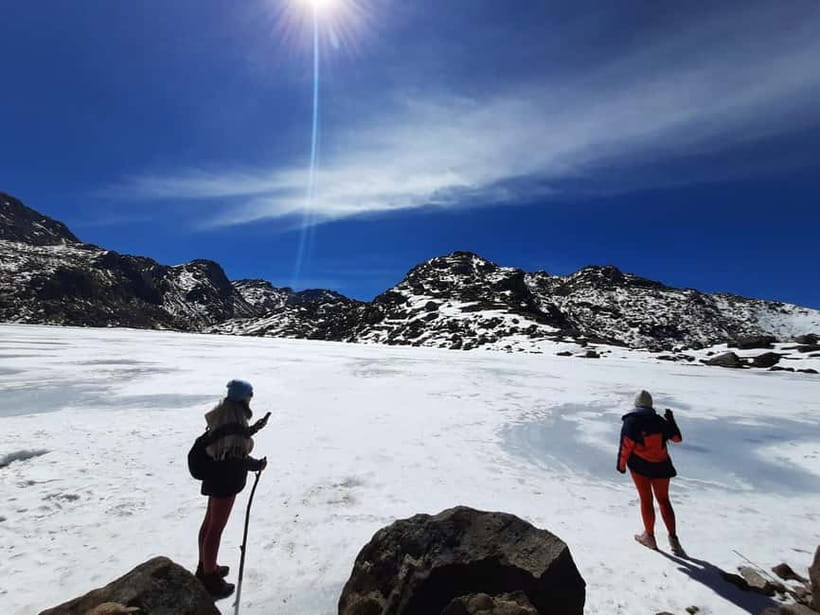
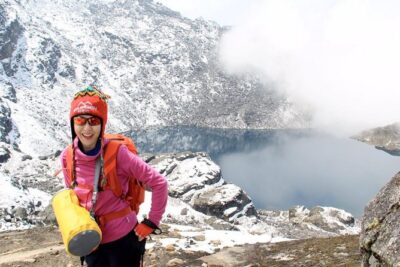
Day three is the trek’s main event: a round trip from Laurebina to Gosaikunda, with a maximum altitude of 4,380 meters. The lake is an alpine freshwater lake within Langtang National Park. It freezes during winter, and its meltwater feeds the Trishuli River.
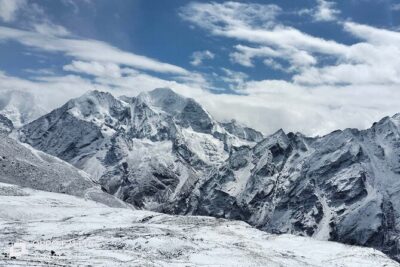
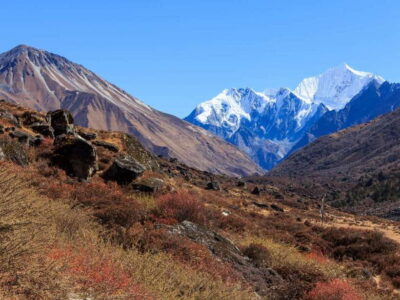
You also have the chance to see nearby Bhairav Kunda, Chandra Kunda and Saraswati Kunda. The route’s appeal is not only reaching one famous lake, but spending time among several high lakes in the same area. The Langtang range provides the setting, and clear skies make a real difference to how much of the surrounding mountains you can see.
After exploring, you return to Laurebina for the night. That out-and-back arrangement means you do not need to pack up and change guesthouses on the lake day, though you still face a demanding walk at altitude. The available information does not specify how long you spend at each lake, so expect the guide to shape the day around the group and conditions rather than a fixed sightseeing schedule.
This is the point where the trek’s short duration becomes most apparent. You get a focused visit to Gosaikunda, but not a long stay in the region. If your priority is seeing the lake and experiencing the national park on a limited schedule, that is a sensible compromise. If you want more time to explore, this five-day plan may feel too compressed.
Forest trails back to Dhunche
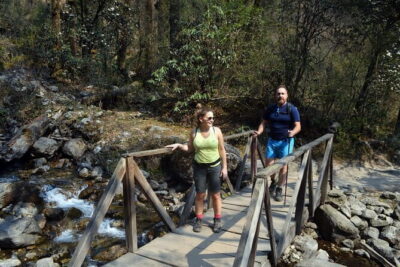
Day four is mostly downhill. You descend through rhododendron, pine and bamboo forests toward Deurali, then continue through another forest section and cross a river on the way to Dhunche. After the steep climb, the change in direction can be welcome, but downhill walking still takes effort, particularly after several days on foot.
The forest gives the return leg a different character from the exposed high-altitude lake visit. You may also see flora and fauna in Langtang National Park, though no particular wildlife sightings are guaranteed. Keep your attention on the trail and allow time for the full descent rather than treating it as a quick walk back.
You spend the fourth night in Dhunche, which sets up the final bus journey. The route returns to its starting point rather than continuing through to another trekking area. That makes the schedule straightforward, but it also means day five depends on road transport back to Kathmandu.
More multi-day treks in Kathmandu:
- Everest Base Camp Trek – 14 Days
★ 5.0 · 1,499 reviews - Everest Base Camp Trekking
★ 5.0 · 485 reviews - Everest Base Camp Trekking – 13 Day
★ 5.0 · 365 reviews - Everest Base Camp Trek -14 Days
★ 5.0 · 321 reviews
The return drive and the five-day rhythm
After breakfast on day five, you take the bus from Dhunche to Kathmandu. On arrival at the bus station, a transfer takes you back to your hotel. As on the way out, the drive is a meaningful part of the day, not a short hop after breakfast.
In practice, the itinerary gives you three main walking days: the short first hike, the ascent to Laurebina and the lake round trip, followed by a longer descent. The bus journeys bookend those days. I like that this structure gets you to a high Himalayan lake without using a full week, but you should not mistake five calendar days for five easy days.
The pace suits someone who has limited time and wants a guided route with transport arranged. It is less suitable if you want flexibility to extend a stop, add rest days or adjust the route at your own pace. The tour is listed as a small group, with a limit of 14 people, so it is not a private trek unless you arrange that separately.
What $179 covers, and what to budget for
At $179 per person, the price includes several useful building blocks: hotel pickup and drop-off, bus transport between Kathmandu and Dhunche, a licensed trek guide, four nights in mountain guesthouses, permits and a TIMS card. Government taxes and service charges are included, as are water purification tablets when required and first aid if needed.
You can also borrow a down jacket, sleeping bag and trekking poles. That is a genuine help if you do not own cold-weather gear or would rather avoid buying equipment for one trek. One past couple said the loaned sleeping bags and gear made the trip more comfortable, and they had private rooms throughout. Still, room arrangements are not promised as private for every booking, so check if that matters to you.
Meal coverage depends on the option you choose. The full-board option includes four breakfasts, five lunches and four dinners. Meals are not included with the budget option, so compare the total cost rather than judging the trek by the starting price alone. Personal expenses are also excluded, and a porter is available only as an add-on.
Travel insurance is not included and is recommended. Bring cash for personal expenses, along with your passport and camera. You must provide a passport copy and a recent passport-sized photo at least one day before the trek so the required permits can be processed.
Guides, gear and a few practical checks
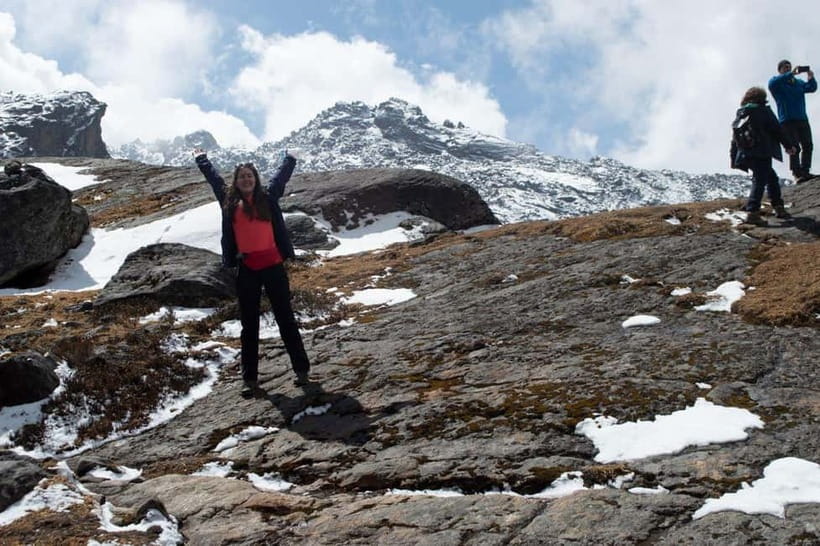
The guide can make a real difference on a route that combines a steep ascent and a high lake visit. Ohm, Terence and Raj are among the guides named by people who have taken the trek. Past feedback singled out their explanations, communication, encouragement and focus on safety; your guide may be different, but those are good qualities to expect from a licensed professional.
The operator also lends basic trekking equipment: a down jacket, sleeping bag and poles. A duffel bag is included if you book the option with a porter. Because porter service is an add-on rather than a standard inclusion, check what your selected package covers before setting out.
This trek is offered throughout the year, but clear skies are the better bet for mountain views. The lake remains frozen during winter, which changes its appearance but does not remove its appeal. No specific season is guaranteed to provide ideal conditions, so consider whether your main goal is the lake itself, clear mountain views or simply getting onto the trail.
The tour offers free cancellation up to 24 hours in advance and a reserve-now, pay-later option. Those terms can help if your plans are still taking shape, but they do not replace checking your own travel insurance and the provider’s current booking details.
Who should choose this route
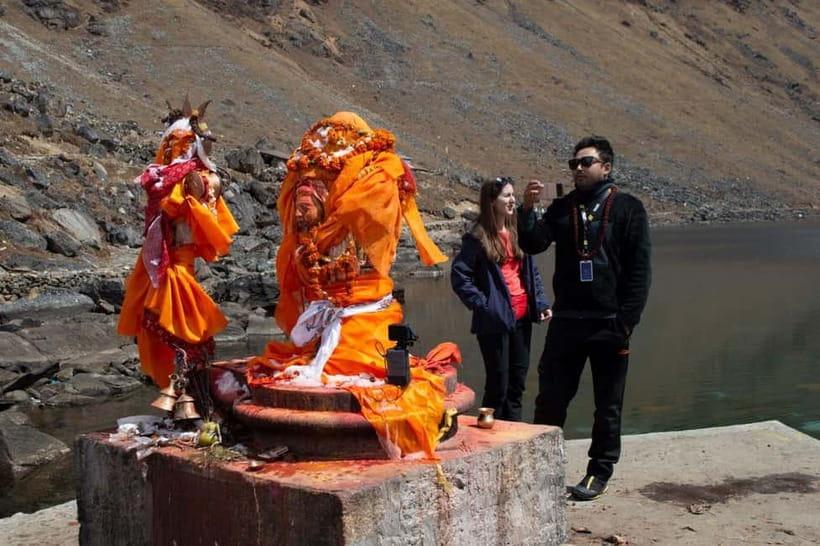
I would consider this trek if you want a guided, relatively short Himalayan outing from Kathmandu and are prepared for steep walking at altitude. The national park, the cluster of lakes and the view toward Langtang make it more than a simple walk to a single viewpoint. The logistics are also useful: transport, permits, guesthouse nights and a guide are arranged together.
It is not a good match for someone who needs an easy walking holiday, has mobility impairments or wants a leisurely schedule with spare days. It is listed as unsuitable for children under 10 and people over 140 kilograms. If you have concerns about managing the altitude or strenuous hiking, ask a qualified medical professional and discuss your ability with the operator before booking.
Book it if the lake is your priority and five days is your limit. Before paying, confirm whether your price includes full-board meals, whether you want to add a porter and what room arrangements you can expect. If you want a slower trek or more time in the mountains, choose a longer itinerary instead.
FAQ
How long is the Gosaikunda Lake trek?
The trip lasts five days, including bus travel between Kathmandu and Dhunche, trekking and the return transfer to your hotel.
How high is Gosaikunda Lake?
Gosaikunda Lake is at 4,380 meters. Laurebina, where you stay before and after the lake visit, is at 3,910 meters.
How long does the drive from Kathmandu to Dhunche take?
The drive takes approximately five to six hours. The return journey is also by bus.
Are meals included in the price?
Meals are included with the full-board option, which covers four breakfasts, five lunches and four dinners. Meals are not included with the budget option.
What equipment can I borrow?
A down jacket, sleeping bag and trekking poles are available to borrow. A duffel bag is included with the option that includes a porter.
Is a porter included?
No. A porter is available as an add-on. The duffel bag is listed for the option with a porter.
What documents do I need to provide before the trek?
You need to send a copy of your passport and a recent passport-sized photograph at least one day before the trip so the trekking permits can be processed.
What languages can the guide speak?
The listed guide languages are English, Hindi and Icelandic.
More 5-Day Experiences in Kathmandu
- Kathmandu to Annapurna Base Camp (ABC) 5-Day Trek
★ 5.0 · 102 reviews - 5-Day Sunrise Tour in Kathmandu Near Everest
★ 5.0 · 12 reviews - 5 Days Hiking, Tour, Meditation and Yoga Retreat in Kathmandu, Nepal
★ 5.0 · 10 reviews - Pokhara: 5-Day Annapurna Base Camp (ABC) Trek
★ 5.0 · 9 reviews
Newly listed in Kathmandu
- Traditional Momo Making Class★ 5.0 · 10 reviews
- Walking tour of real Kathmandu through back streets.★ 5.0 · 3 reviews
- Kathmandu 2 Nights 3 Days Chitwan Jungle Safari Tour★ 5.0 · 9 reviews
- Visit Swayambhunath and Bauddhanath Stupa with Guide★ 5.0 · 5 reviews
- Walking tour of Kathmandu with awesome local guides★ 5.0 · 4 reviews
- Kathmandu Street Food Walking Tour – Eat Like a Local★ 5.0 · 3 reviews
- Private Manaslu Circuit Trek at Himalayas★ 5.0 · 3 reviews
- Kathmandu to Pokhara Vip Sofa Bus Ticket★ 4.0 · 4 reviews
Langtang Treks, compared.
Journey to Dhunche A Scenic Bus Ride to the Gateway of Langtang
Read our review →
Explore The Beauty Of Langtang Valley In 8-Days Trek
Read our review →Browse the lists this tour appears in