
Reviewed · KATHMANDU TOURS
Knife Khukuri Making Workshop
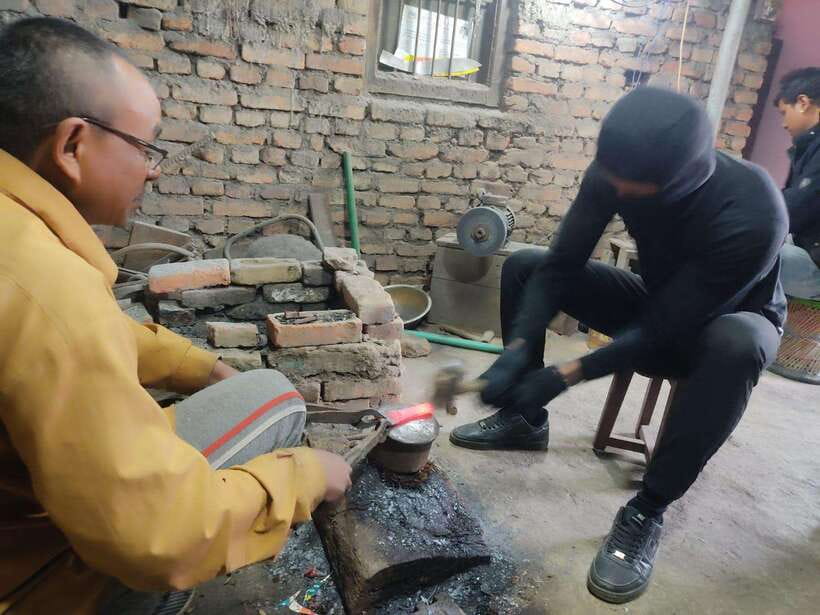
A piece of raw iron becomes a small, sharp khukuri in this hands-on workshop in Nepal’s Bagmati Zone. You’ll meet blacksmith Indra, whose craft spans about four decades, and take part in shaping a blade that carries a place in Gurkha and Nepali tradition.
I like two things especially: you get to work the metal yourself, rather than only watch, and the guide helps connect the craft to the khukuri’s cultural meaning. Hotel pickup, tea, snacks, and a knife to take home add practical value to the four-hour visit.
One consideration: this is a guided introduction, not a chance to make every part of the knife independently. For safety and quality, the blacksmith handles key steps, including final blade grinding and sharpening. The finished blade is small, about six inches.
What makes this workshop special
- A small khukuri with a long story: Learn why the curved knife is associated with Gurkha loyalty and is also used for everyday tasks.
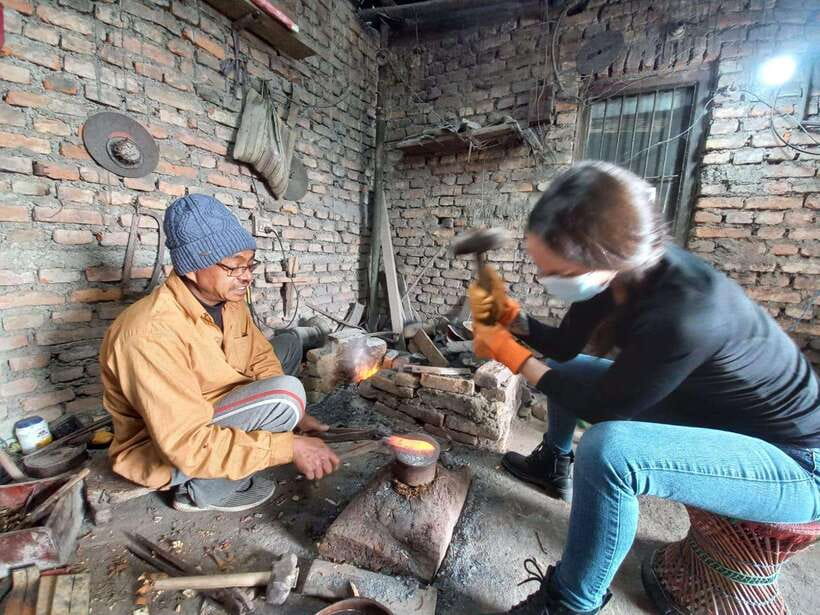
- Real work at the forge: You can hammer the iron and help with the first grinding, with the blacksmith controlling the riskier steps.
- A skilled local maker: Blacksmith Indra has been making knives for about 40 years or more.
- A personal visit: The workshop takes place at the blacksmith’s home, with a guide translating and explaining the process.
- A useful take-home object: Your small khukuri comes with a knife cover; a horn or bone cover is available for an extra cost.
From raw iron to a six-inch khukuri
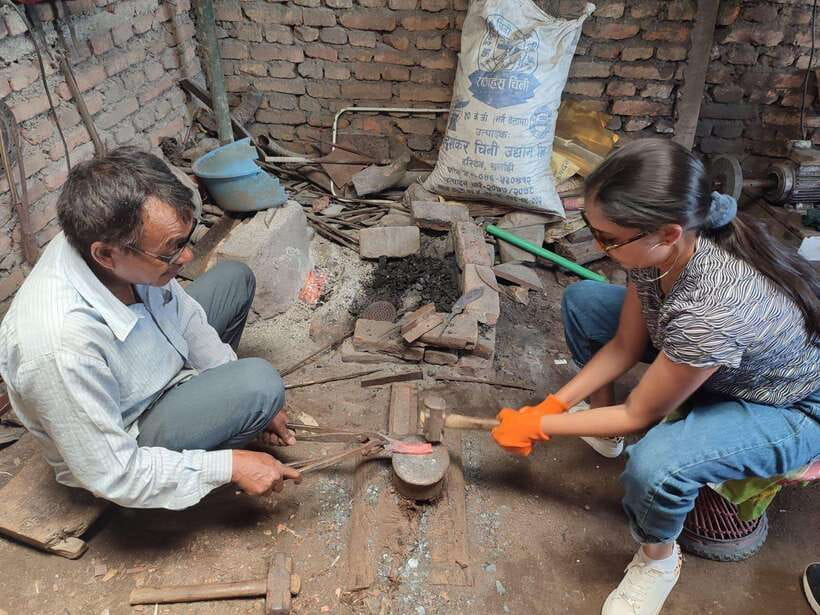
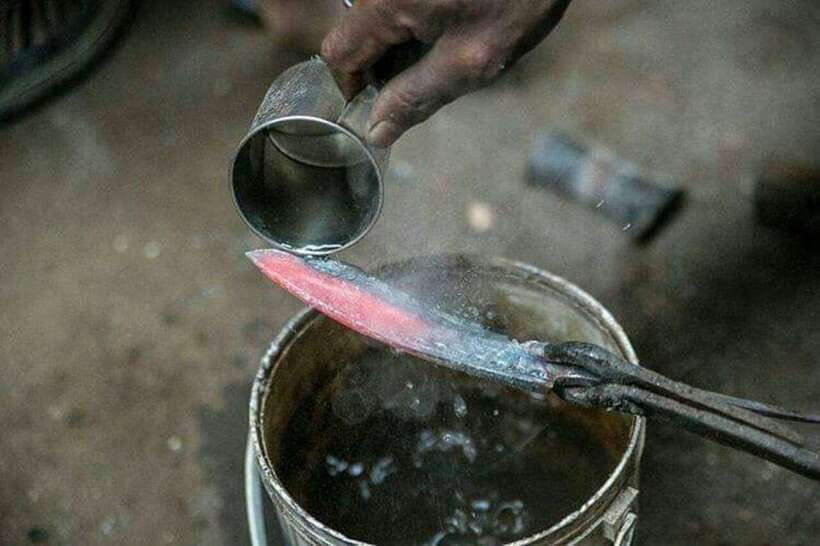
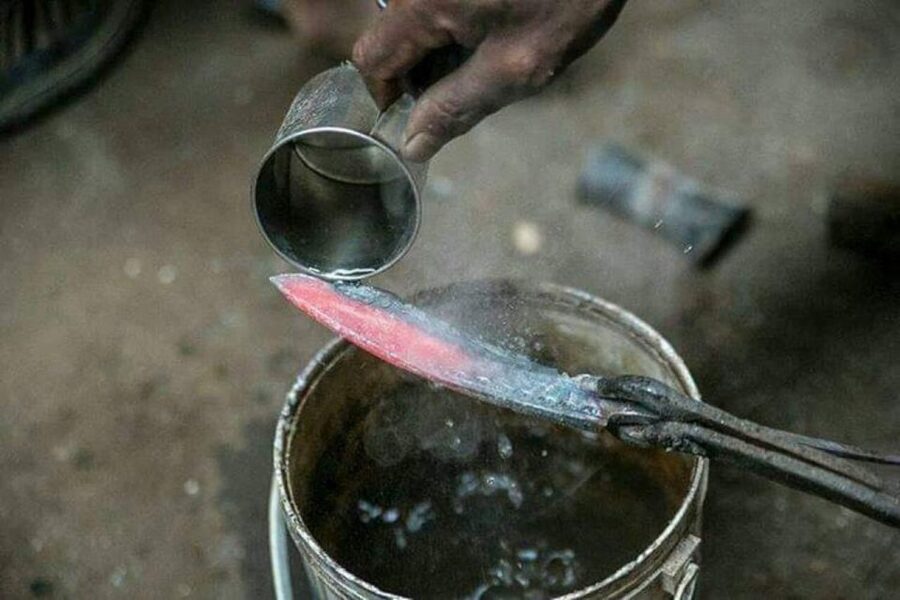
This is not a showroom demonstration where you stand at a polite distance and leave with a mass-produced souvenir. You take part in selected steps of making a small khukuri, starting with a rough piece of iron and helping to turn it into a blade.
The full activity lasts about four hours, including pickup and drop-off. The hands-on work itself can take less time, depending on the pace and the steps involved. One participant described the transformation as taking under three hours, but you should plan around the stated four-hour duration rather than count on a shorter visit.
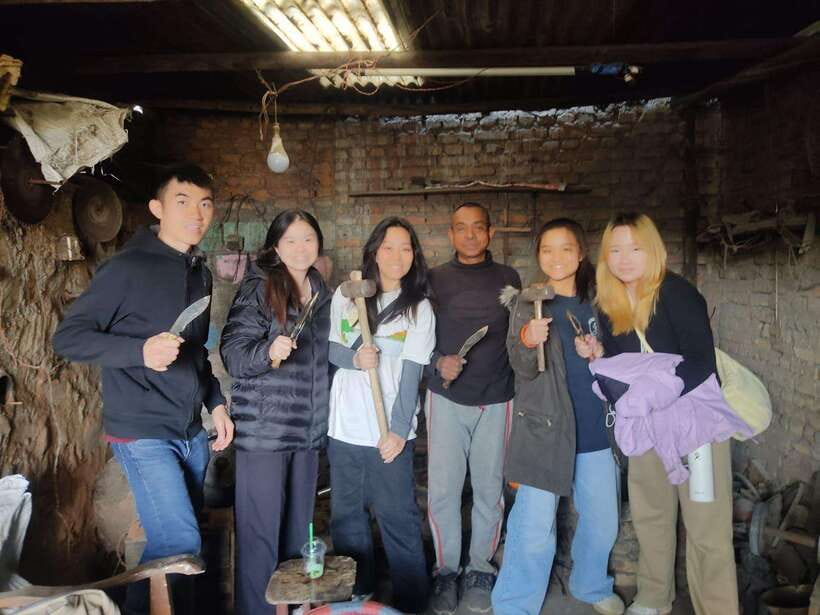
The small group limit is five people. That matters at a forge: there is room for questions, and the blacksmith can keep an eye on each person during the practical parts. You are not expected to master blacksmithing in an afternoon. You are there to understand the process and get a safe taste of it.
More hands-on workshops in Kathmandu:
- Knife (Khukuri) Making Workshop- Forge of the Gurkhas
★ 5.0 · 143 reviews - Gurkha Knife Making
★ 5.0 · 19 reviews - Kathmandu: Wood Carving Workshop with Local Artisan (Thamel)
★ 4.9 · 17 reviews
Meeting the maker at his home
Pickup is included from your hotel lobby, followed by a drive to the blacksmith’s home workshop. This home setting is part of the appeal. You are meeting a craftsperson in the place where he works, rather than touring a staged display built for passing groups.
Indra is the blacksmith named by participants, and his experience is often described as more than 40 years. The guide helps make the visit work across languages. Guides who have led the experience include Namrata, Sajeena, and Swayam. English and Hindi are offered, and a guide can explain the steps as the work progresses.
The welcome can be personal, too. One visitor was offered tea and guava from the family garden. That sort of hospitality is not a formal feature to count on at every visit, but it gives you a sense of the workshop’s family setting.
Learning what the khukuri means
Before the hammering begins, you learn about the khukuri’s place in Nepali life. It is linked with Gurkha loyalty and military history, but it is also a practical tool associated with hill communities. Its uses can include shaping timber and cutting meat or vegetables.
The blade has a distinctive curve and is made from tempered steel. Traditional handles are often made from wood or buffalo horn, and the blade sits in a scabbard made of wood and leather. The small notch near the handle has both practical and symbolic explanations: it is said to keep blood from running onto the grip, and it is also associated with the Hindu trinity of Brahma, Vishnu, and Shiva.
That context changes how the finished knife feels. You are not simply taking home a sharp object; you have learned why its shape and details matter. The guide can help turn the craft into a conversation about local traditions, rather than a sequence of workshop instructions.
Hammering the iron yourself
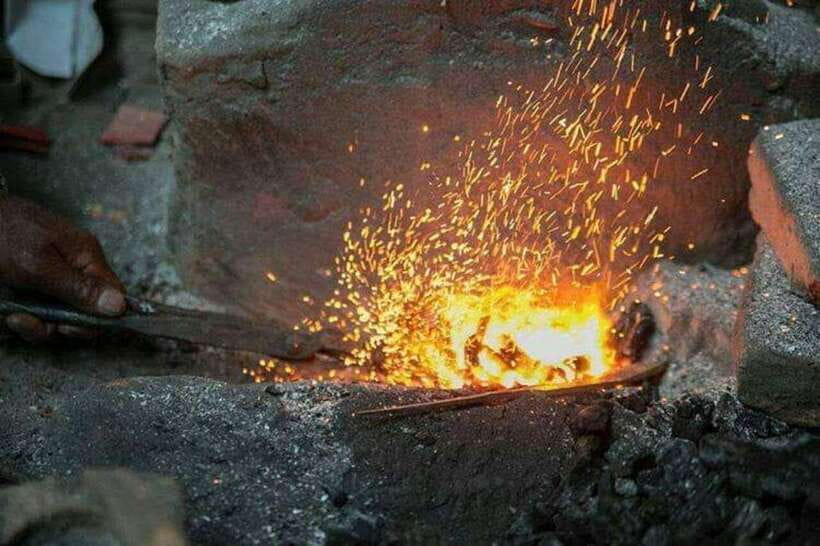
The main hands-on step is hammering. You help shape the raw iron under the blacksmith’s direction, while he manages the more demanding work that calls for years of practice. It is physical and direct: the material has to be worked into a blade rather than assembled from ready-made parts.
That division of labor is sensible. Khukuri-making takes skill, and the workshop is clear that some steps remain in professional hands. You get to participate without being asked to perform work that could put you or the finished knife at risk.
Your role may vary with your ability and the blacksmith’s judgment. Families have been able to take part at a level suited to them, with assistance where needed. The experience is therefore a better fit for curiosity and participation than for anyone expecting full control over every detail of the final design.
More Kathmandu tours in Kathmandu:
- Everest Base Camp Trek – 14 Days
★ 5.0 · 1,499 reviews - Private Kathmandu Sightseeing Tour | UNESCO World Heritage sites
★ 5.0 · 756 reviews - Everest Base Camp Helicopter Tour landing at Everest View Hotel
★ 5.0 · 668 reviews - Half day cooking class in Thamel kathmandu
★ 5.0 · 607 reviews
Grinding, sparks, and safety
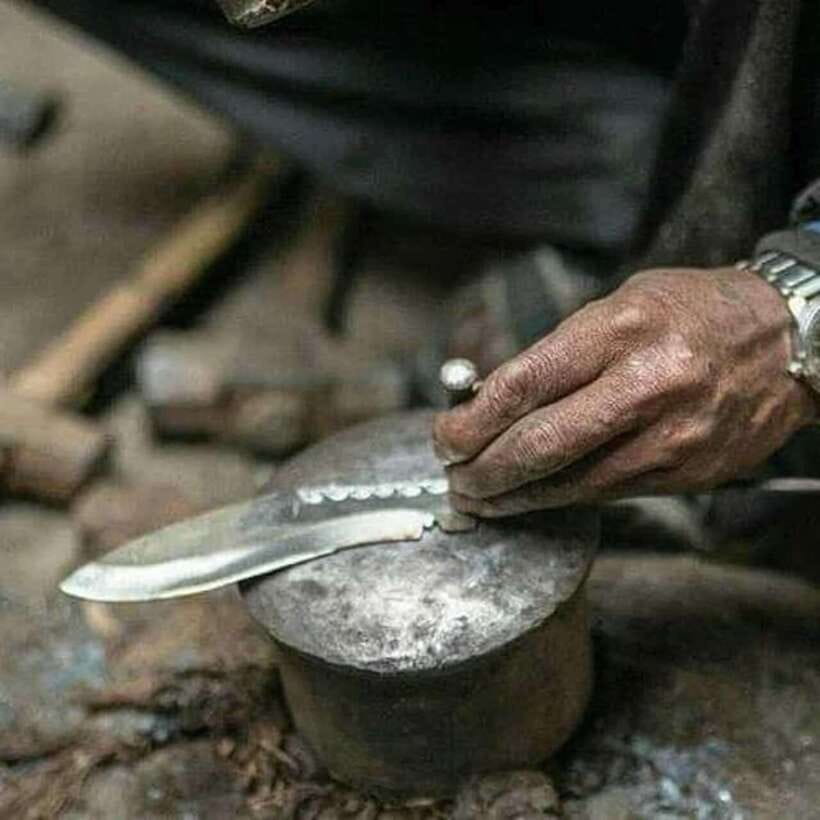
You can help with the first grinding step, but the blacksmith handles blade grinding that carries greater risk. The sparks are a clear reason to stay well back when he is working. Follow the host’s instructions, keep out of the grinding area, and wear long pants as advised.
Some participants have helped with an early grinding stage, while the professional forms and sharpens the more difficult sections. That distinction is worth understanding before you book: this is a chance to assist with parts of the process, not to operate every tool or sharpen the blade yourself.
The safety limits do not make the workshop less worthwhile. They let you see the careful work up close without pretending that a few hours can replace decades at the forge. The blacksmith’s skill is part of what you are paying to see.
A finished knife and what comes with it
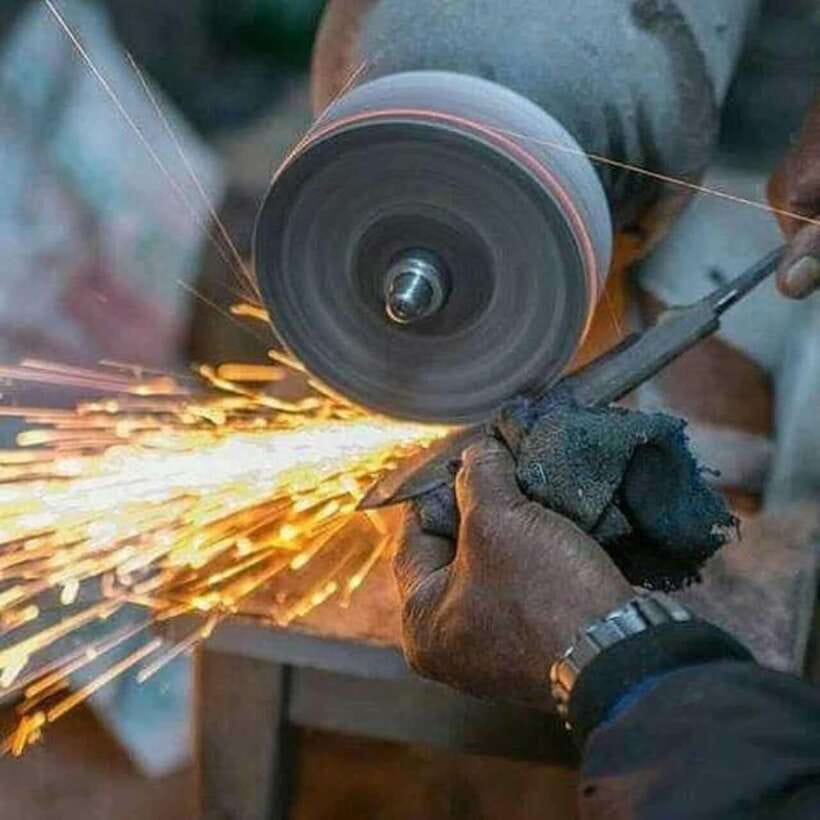
The workshop focuses on a small blade, about six inches long. You take the khukuri home as a souvenir, along with a knife cover. The exact cover materials are not specified, so ask the host if the type matters to you.
A horn or bone cover can be made for an additional cost. Since the included cover and the optional upgrade are described separately, confirm what the extra-cost option refers to before agreeing to pay for it.
The finished knife is a lasting reminder of the process, and participants have been pleased with its quality and appearance. Still, remember that it is sharp and should be treated as a tool, not a decorative trinket. If you plan to travel onward by air, check the relevant airline and destination rules before packing it. Those rules are not part of the workshop information, so do not assume the knife can go in your cabin bag.
Is $73 a fair price?
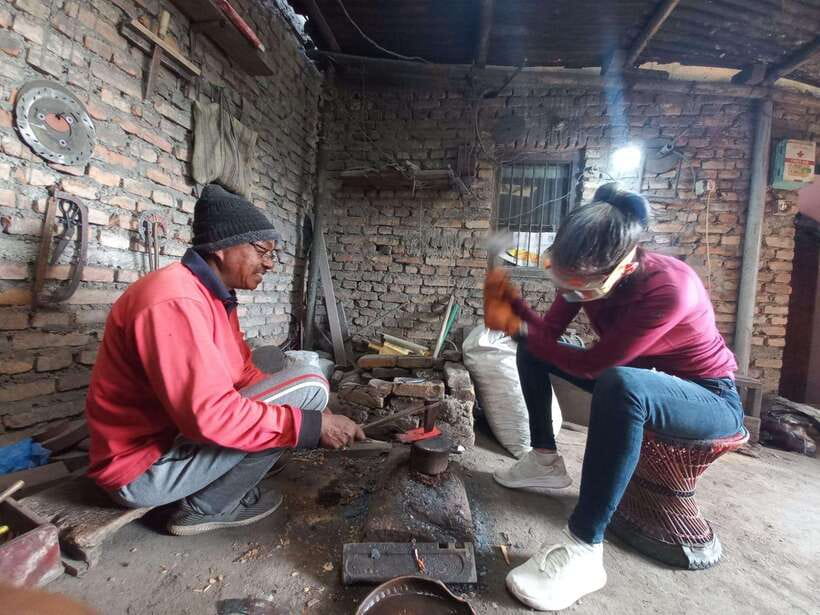
At $73 per person, the price covers a four-hour activity, hotel pickup and drop-off, the tools, the knife cover, and tea, water, and snacks. You are also paying for a small-group setting, a guide, and time with a maker whose experience stretches across decades.
The strongest value is the combination of instruction and participation. A simple demonstration might show you a khukuri being made; here, you can help hammer the iron and take part in an early grinding stage. You also leave with a handmade knife, which gives the activity a more tangible payoff than a visit that ends at the workshop door.
It is not the cheapest way to buy a knife, and that is not really the point. The price makes most sense if you value the craft, the cultural explanation, and the chance to meet the people behind the work. If all you want is a khukuri for the lowest possible price, a market purchase may suit you better.
Who will get the most from the visit
I’d recommend this workshop if you enjoy learning by doing, have an interest in Nepali culture, or want a souvenir with a story attached. It also suits families whose children are old enough to follow safety directions. Children under 10 are not eligible, and even older children will have a supervised role rather than unrestricted access to the tools.
You do not need blacksmithing experience. The host chooses safe tasks, and the guide can help explain what is happening. If you are nervous around sparks or prefer not to handle tools, you can still watch the skilled work, but you may find the activity less engaging than someone who wants to participate.
The group is capped at five, which keeps the experience more personal than a large workshop tour. English and Hindi are available. Wear long pants, and let the guide know if you have questions about the process or the optional cover before the work begins.
Booking details worth knowing
The workshop costs $73 per person and lasts four hours. Hotel pickup and drop-off are included, and starting times depend on availability. You can reserve without paying immediately, and cancellation is free up to 24 hours in advance.
The activity is led by a host or greeter who speaks English or Hindi. The blacksmith’s home is the setting, and the guide provides explanations along the way. Tea, water, and snacks are included, though the optional horn or bone cover costs extra.
The transport receives particularly strong marks, which matters because pickup takes the guesswork out of reaching a home workshop. Even so, confirm the pickup details when arranging your booking, and allow the full four hours in your day.
Should you book the khukuri workshop?
Book it if you want more than a souvenir and are curious about the people and skill behind a traditional Nepali blade. The best parts are the chance to hammer the iron, see a seasoned blacksmith at work, and hear how the khukuri fits into Nepali culture. The included pickup and small group make the visit straightforward.
Skip it if your main goal is to make an entire knife on your own. The host controls important steps for good reason, and final grinding and sharpening are not yours to do. For a safe, personal introduction to khukuri-making, though, this is a strong use of half a day.
FAQ
How long does the khukuri workshop last?
The activity lasts four hours, including hotel pickup and drop-off.
How much does the workshop cost?
The listed price is $73 per person.
Is hotel pickup included?
Yes. Pickup from your hotel lobby and drop-off are included.
What parts of making the knife can I do?
You can hammer the iron and take part in the first grinding. The blacksmith handles the more demanding steps, including blade grinding for safety.
What size knife will I make?
The workshop makes a small khukuri with a blade of about six inches.
What is included in the price?
Tools, a knife cover, pickup and drop-off, and tea, water, and snacks are included.
Can I get a horn or bone cover?
A horn or bone cover is available for an extra cost.
Is the workshop suitable for children?
Children under 10 are not suitable for this activity.
Newly listed in Kathmandu
- Traditional Momo Making Class★ 5.0 · 10 reviews
- Walking tour of real Kathmandu through back streets.★ 5.0 · 3 reviews
- Kathmandu 2 Nights 3 Days Chitwan Jungle Safari Tour★ 5.0 · 9 reviews
- Visit Swayambhunath and Bauddhanath Stupa with Guide★ 5.0 · 5 reviews
- Walking tour of Kathmandu with awesome local guides★ 5.0 · 4 reviews
- Kathmandu Street Food Walking Tour – Eat Like a Local★ 5.0 · 3 reviews
- Private Manaslu Circuit Trek at Himalayas★ 5.0 · 3 reviews
- Kathmandu to Pokhara Vip Sofa Bus Ticket★ 4.0 · 4 reviews
Kathmandu Tours, compared.

Private Kathmandu Sightseeing Tour | UNESCO World Heritage sites
Read our review →
Everest Base Camp Helicopter Tour landing at Everest View Hotel
Read our review →

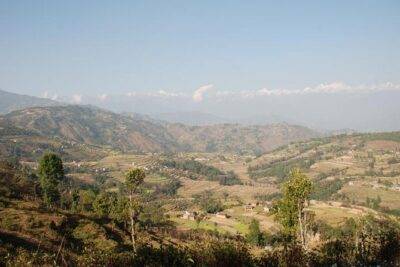
Nagarkot Sunrise View and Day Hiking from Kathmandu
Read our review →
Full Day 7 UNESCO Tour with Lunch – Private/Group
Read our review →
Browse the lists this tour appears in