Reviewed · KATHMANDU TOURS
Life and spirituality tour of Kathmandu
Kathmandu’s spiritual life is not tucked away behind temple walls. It runs through old courtyards, workshops, sacred sites, and the everyday routines of the city. This private tour links Hindu and Buddhist traditions with Kathmandu’s medieval architecture, giving you a fuller picture than a string of photo stops.
I like two things here: a guide who can explain complex religious ideas in plain language, and time to explore old quarters as well as major sites. The private car and hotel pickup also make a long day easier to manage.
The trade-off is the pace. Four stops over six to eight hours means a lot to take in, and admission fees and lunch are extra. If you want a slow day at one temple, this is not the right fit.
What to know before you go
- Four major stops: Kathmandu Durbar Square, Patan Durbar Square, Pashupatinath Temple, and Boudhanath Stupa.
- A private outing: Only your group joins the tour, so you can ask questions and request a more personal pace.
- A guide-led cultural focus: Expect explanations of Hindu and Buddhist practices, medieval life, and local spiritual customs.
- Hotel pickup and car transport: An air-conditioned vehicle, bottled water, and an expert guide are included.
- Budget for extras: Lunch, tips, and entrance fees are not included. Admission is specifically listed as extra at Pashupatinath and Boudhanath.
- A full day: Plan on six to eight hours. The four listed visits add up to about six hours, before allowing for drives and transitions.
Old Kathmandu begins in its courtyards
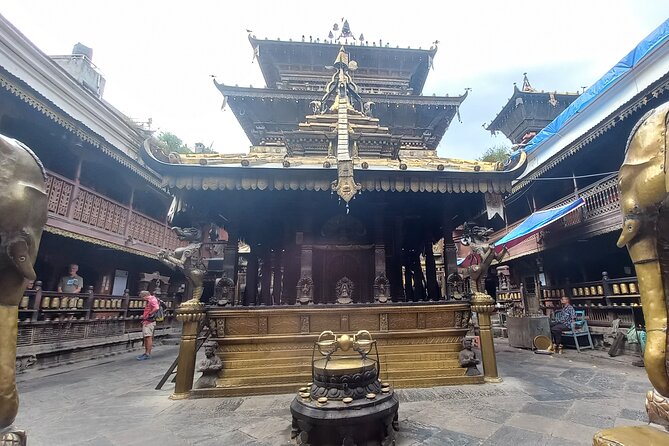
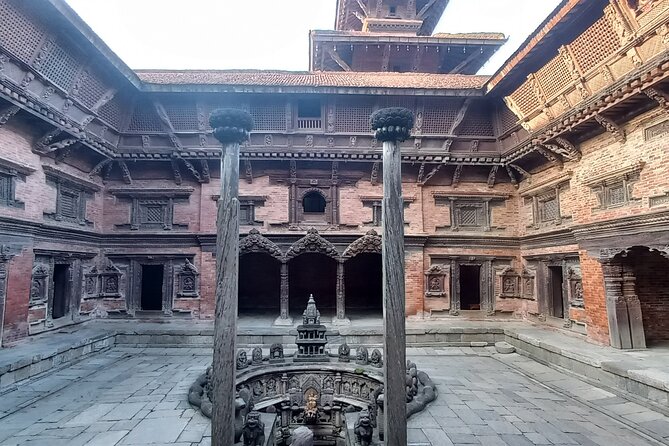
The day opens at Kathmandu Durbar Square, where the plan is to walk through old Kathmandu and find courtyards that offer a glimpse of medieval spiritual and cultural practices. The focus is not only on prominent buildings. You’ll also look at Vastu architecture and the marks left by important historical events.
That distinction matters. A square can be impressive at first glance, but it is easier to understand when someone can explain how its spaces were used and what their design meant. A good guide can connect details in the built environment to the religious and civic life around them. Visitors who want to ask questions as they go should benefit from the private format.
The stop is scheduled for about two hours, the longest portion of the day. That gives you time to walk and listen rather than rush straight through. Still, the overall schedule is full, so this is not a promise of an unhurried, open-ended visit. If a particular courtyard or architectural feature catches your attention, tell your guide early and see how the timing allows for it.
Kathmandu Durbar Square is also a useful first stop because it sets up the tour’s larger theme: spirituality is part of the city’s history and daily life, not a separate subject reserved for religious specialists. You’ll have context to carry with you as the day moves from the old city to Patan, then on to Hindu and Buddhist sacred sites.
More Kathmandu tours in Kathmandu:
- Everest Base Camp Trek – 14 Days
★ 5.0 · 1,499 reviews - Private Kathmandu Sightseeing Tour | UNESCO World Heritage sites
★ 5.0 · 756 reviews - Everest Base Camp Helicopter Tour landing at Everest View Hotel
★ 5.0 · 668 reviews
Patan’s craft traditions and medieval city life
From Kathmandu, the tour drives to Patan, also called Lalitpur, known for its fine art and craft. The city’s work travelled to India, Tibet, and China during medieval times, and many people in Patan still work as artisans. That connection between historic craft and present-day livelihoods gives this stop a particular focus.
The plan allows roughly two hours at Patan Durbar Square. It is a substantial visit, not a quick photo break, and that is welcome if you care about art, architecture, and how a city’s identity is made. Your guide can help explain why Patan became known for its makers and how its artistic traditions fit into the wider cultural story of the Kathmandu Valley.
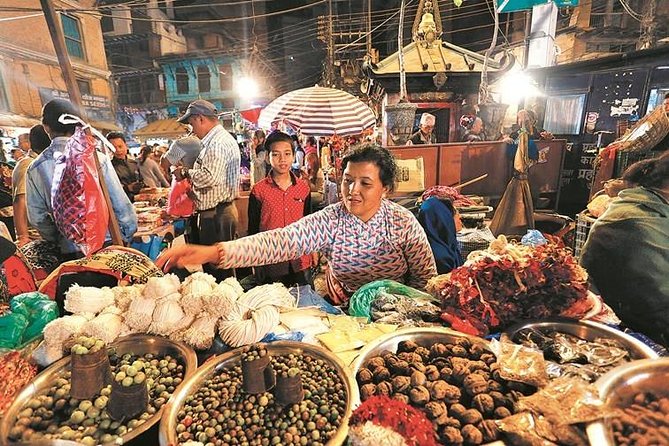
I would use this stop to look closely and ask questions rather than treat it as a checklist. The tour is designed to show more than the best-known monuments, including the less touristy side of heritage sites. You may also walk through local streets and markets along the way. The exact route is not specified, so don’t expect a guaranteed market visit or a particular workshop stop.
Two hours can feel generous after a fast-paced sightseeing tour, but Patan is only one part of a full day. There are two more major sites ahead, plus the drives between them. If you have a special interest in craft, let your guide know so you can make the most of the time available.
Pashupatinath, where Hindu practice is visible
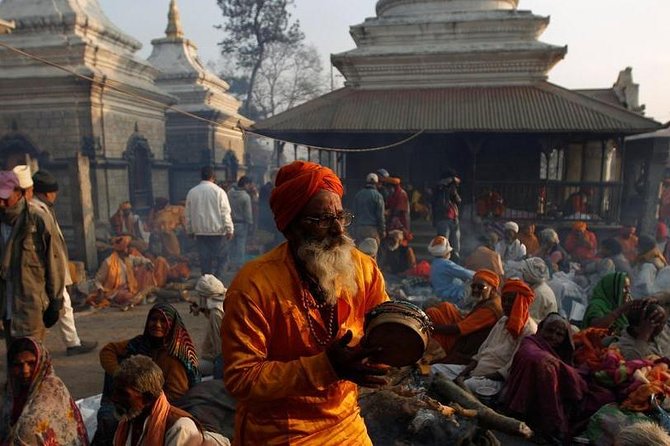
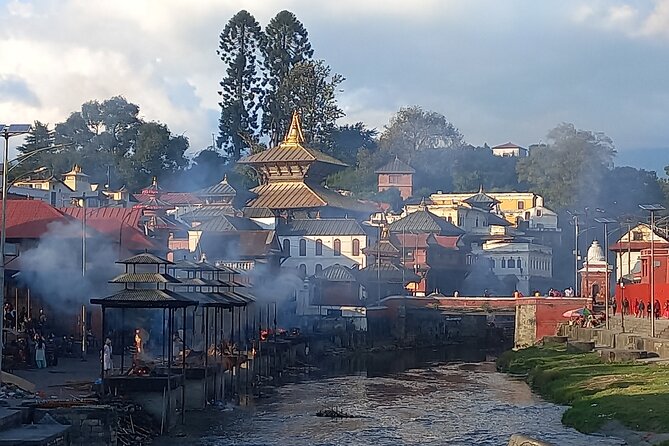
At Pashupatinath Temple, the tour turns to Hindu life and the worship of Shiva. The complex is known for its religious activity, and the visit may include seeing Hindu ascetics, astrologers, devotees, and open cremation. This is the day’s most direct encounter with living religious practice, and it calls for attention and respect.
A guide is especially useful here. Cremation and devotional customs can be unfamiliar, and a thoughtful explanation can help you understand what you are seeing without reducing it to spectacle. Guides on this tour, including Indra, Ripu, Rabi, and Rudi, have been described as able to explain Hindu and Buddhist ideas clearly and answer questions. Which guide you have will depend on the day.
The stop is scheduled for about one hour, and admission is not included. The short visit means you should be prepared to focus on the main experience rather than expect to see every part of the complex. This is also a place to follow your guide’s direction and approach what you see with care. The tour description specifically includes open cremation, so consider in advance whether you are comfortable witnessing a public funeral practice.
If you are interested in religion as it is lived, rather than only in temple design, Pashupatinath may be the most memorable stop. It can also be emotionally demanding. There is no need to treat every part of a sacred site as a photo opportunity; listening and observing respectfully are enough.
Boudhanath and Kathmandu’s Tibetan Buddhist community
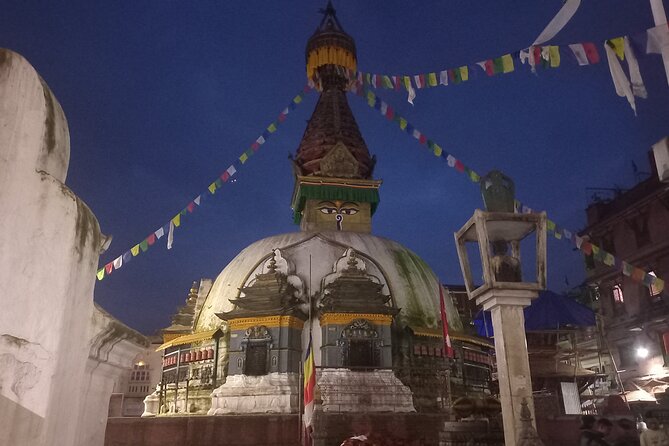
The final stop is Boudhanath, in an area often called Little Tibet of Kathmandu. The site includes Nepal’s largest stupa and draws pilgrims from Himalayan villages. The area is also home to about 60 Tibetan Buddhist monasteries, making this a strong place to consider Buddhism as a continuing community practice.
The visit is scheduled for about an hour, with admission extra. After the Hindu traditions at Pashupatinath, Boudhanath offers a clear contrast in religious setting and practice. Your guide can help draw out those differences and explain Buddhist traditions in terms that make sense, rather than leaving you to guess at the meaning of what you see.
The tour is not simply a temple circuit. Its value lies in setting these places beside the older urban centers and connecting them to everyday life. That wider frame can make Boudhanath more than a final stop on a busy itinerary. It gives you a chance to bring together the day’s themes: faith, craft, history, and the ways these continue to shape Kathmandu.
One hour is enough for an introduction, not a deep study of the site or its monasteries. If you want more time at Boudhanath, consider whether you would rather arrange a separate visit. Here, the point is to understand it as part of a wider picture of the city.
A different kind of day in the valley:
- Half day cooking class in Thamel kathmandu
★ 5.0 · 607 reviews - Everest Base Camp Trekking
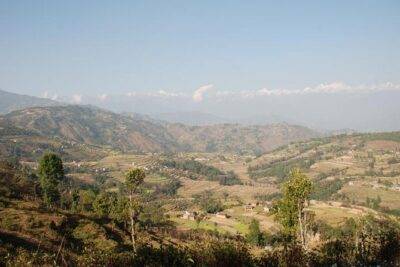
★ 5.0 · 485 reviews - Nagarkot Sunrise View and Day Hiking from Kathmandu
★ 5.0 · 471 reviews - Kathmandu: Full Day 7 UNESCO Tour with Lunch – Private/Group
★ 5.0 · 415 reviews
What a private guide adds to the day
This is a private tour, so only your group participates. That makes a practical difference on a day built around explanation. You can ask about a custom you have just seen, request clarification, and tell your guide what interests you. The tour has been led by guides such as Indra, Ripu, Rabi, and Rudi, with visitors noting the value of calm, friendly explanations and the ability to make difficult spiritual concepts understandable.
The guide’s role is not just to move you between sites. The subject can be complex, especially when the day covers Hindu and Buddhist traditions, medieval architecture, local craft, and contemporary practice. Clear explanations help you make connections instead of collecting disconnected facts. The tour also aims to include local streets and less touristy parts of heritage sites, which can add useful perspective beyond the main landmarks.
A private tour does not automatically mean that every stop can be extended indefinitely. The schedule still covers four destinations in six to eight hours, so speak up if you want more time in one place. It is easier to adjust expectations at the start than to discover halfway through the day that you hoped for a slower visit.
The real cost and the practical details
The listed price is $55 per person. For a private day with hotel pickup, an air-conditioned vehicle, bottled water, and a guide, that can be a fair value, particularly if you want context at each stop and prefer not to sort out transport between sites yourself. The price is per person, and group discounts are offered.
Keep extra costs in mind. Lunch, tips, and all fees and taxes are not included, and admission is specifically marked as extra for Pashupatinath and Boudhanath. Kathmandu Durbar Square and Patan Durbar Square are each shown with free admission on the schedule, but check the details of your booking for any charges that may apply. The tour information does not give a specific entrance-fee total, so leave room in your budget.
The day lasts approximately six to eight hours. The listed visit times total about six hours, with driving and transitions making up the balance. Hotel pickup is offered, and the tour operates daily within the stated hours of 9:15 a.m. to 5:15 p.m. Those are operating hours, not a confirmed pickup time, so check your booking for your own start time.
The experience is described as wheelchair and stroller accessible, and most people can participate. If you have specific access needs, confirm how they apply to the vehicle and each site before booking. It is typically booked about ten days ahead, so planning early is sensible if your dates are fixed. Free cancellation is available up to 24 hours before the start time; later cancellations are not refunded.
Who should book this Kathmandu tour
I’d choose this tour if you have one full day in Kathmandu and want more than a quick introduction to the city’s landmarks. It suits people who enjoy asking questions, want to understand both Hindu and Buddhist traditions, and are interested in the link between historic places and daily life. The private format is also useful for couples, families, or a small group with shared interests.
It may be less suitable if you prefer to explore at your own pace, want a long lunch break, or would rather spend most of the day at one site. Four stops make for a full schedule, and the religious practices at Pashupatinath can be intense. Book it for the explanations and the broad view of Kathmandu, not for a leisurely day with plenty of unplanned time.
FAQ
How long does the tour last?
Plan for approximately six to eight hours. The four listed stops account for about six hours, with driving and transitions adding time.
Which places does the tour visit?
The tour visits Kathmandu Durbar Square, Patan Durbar Square, Pashupatinath Temple, and Boudhanath Stupa.
Is the tour private?
Yes. It is a private tour, and only your group participates.
Is hotel pickup available?
Yes. Pickup from your hotel in Kathmandu is offered.
What is included in the price?
The tour includes an air-conditioned vehicle, bottled water, and an expert guide.
Are entrance fees included?
No. Entrance fees are extra. Pashupatinath Temple and Boudhanath Stupa are specifically marked as having admission fees not included.
Is lunch included?
No. Lunch is not included.
Is the tour wheelchair and stroller accessible?
Yes. The tour is described as wheelchair and stroller accessible.
What is the tour’s operating schedule?
The stated operating hours are 9:15 a.m. to 5:15 p.m., Monday through Sunday. Check your booking for your specific pickup time.
Can I cancel for a refund?
You can cancel for a full refund if you do so at least 24 hours before the tour’s start time. Cancellations made less than 24 hours before the start time are not refunded.
Newly listed in Kathmandu
- Traditional Momo Making Class★ 5.0 · 10 reviews
- Walking tour of real Kathmandu through back streets.★ 5.0 · 3 reviews
- Kathmandu 2 Nights 3 Days Chitwan Jungle Safari Tour★ 5.0 · 9 reviews
- Visit Swayambhunath and Bauddhanath Stupa with Guide★ 5.0 · 5 reviews
- Walking tour of Kathmandu with awesome local guides★ 5.0 · 4 reviews
- Kathmandu Street Food Walking Tour – Eat Like a Local★ 5.0 · 3 reviews
- Private Manaslu Circuit Trek at Himalayas★ 5.0 · 3 reviews
- Kathmandu to Pokhara Vip Sofa Bus Ticket★ 4.0 · 4 reviews
Kathmandu Tours, compared.
Private Kathmandu Sightseeing Tour | UNESCO World Heritage sites
Read our review →
Everest Base Camp Helicopter Tour landing at Everest View Hotel
Read our review →

Nagarkot Sunrise View and Day Hiking from Kathmandu
Read our review →
Full Day 7 UNESCO Tour with Lunch – Private/Group
Read our review →