
Reviewed · KATHMANDU SPIRITUAL TOURS
Spiritual Journey to Kailash Manasarovar 16 Days Overland Trip
Mount Kailash is the heart of this trip: after days crossing the Tibetan plateau, you reach the sacred mountain and walk its three-day kora, or circumambulation. The route pairs a demanding pilgrimage with a chance to see Lake Manasarovar and take part in a puja by its shore.
I like two practical choices here: the first days give you time for Kathmandu’s major temples and heritage sites, and the small group is capped at 10. I also value the stated daily blood pressure and oxygen checks, plus a team member named Kashyap is singled out for personal support.
The main caution is altitude and effort. The kora reaches Dolma La Pass, and its second day is listed at nine hours; you need moderate fitness, patience for long road days and a willingness to manage discomfort at high elevation.
At a glance
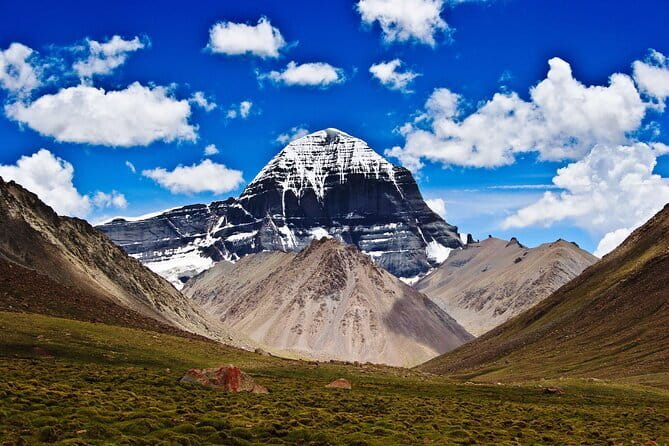
- The kora is the trip’s central challenge: Three days of walking take you from Darchen to Diraphuk, across Dolma La Pass to Zuthulphuk, then back to Darchen.
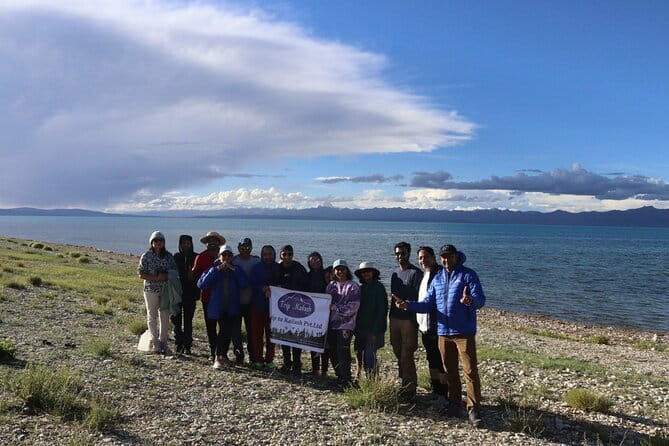
- Lake Manasarovar gets a dedicated stop: The plan includes a puja beside this sacred high-altitude lake.
- Kathmandu is more than a transit point: Temple visits, Bhaktapur and a hike at Shivapuri National Park are part of the package.
- Daily health checks are included: The team monitors blood pressure and blood oxygen, and an oxygen cylinder is available in case of altitude sickness.
- Costs are mostly bundled: Transport, permits, accommodation and full-board vegetarian meals are included, while kora horse or pony fees and Kathmandu monument entry fees are extra.
- You travel in a small group: The maximum is 10 people, with private departures available for groups of more than five.
Kathmandu sets the spiritual tone
The trip starts in Kathmandu, with airport pickup listed and a 10:15 a.m. start time. On the first evening, you visit Pashupatinath Temple for the aarti beside the Bagmati River. Lamps, bells, prayers and hymns make this a strong introduction to the religious life of the city, and a fitting opening for a pilgrimage devoted to Shiva.
The next day mixes paperwork with a view. After breakfast, you go to the Chinese Visa Centre to apply for the Tibet visa, then head to Chandragiri Hills. The visit offers a change of pace after the formalities, though admission is not included. Visa processing is a key part of the schedule, not a detail to leave until the last minute.
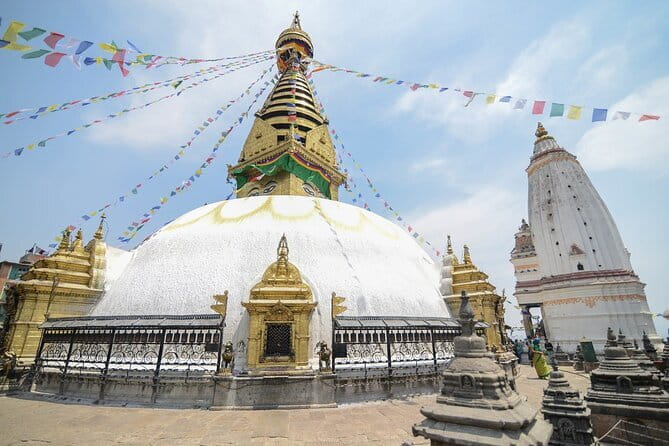
Day 3 is devoted to Kathmandu’s major heritage sites: Swayambhunath, Boudhanath, Pashupatinath and Patan Durbar Square. Five hours is enough for an introduction, but not a leisurely study of every complex. If a particular temple or neighborhood matters to you, ask in advance how the sightseeing time is divided.
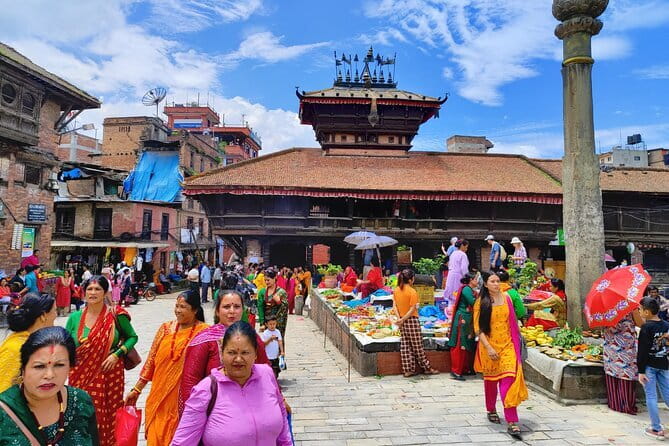
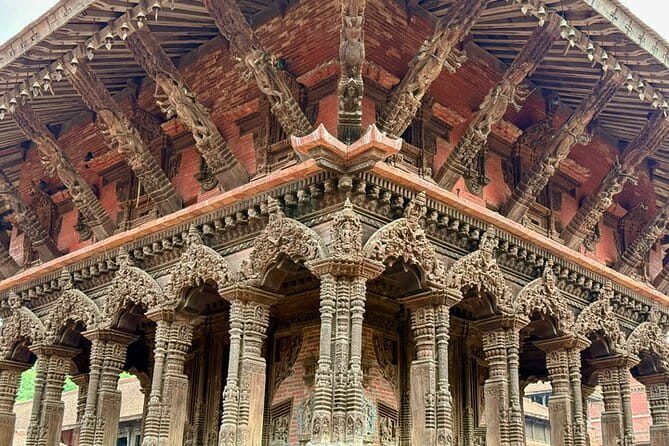
Bhaktapur fills Day 4 with medieval architecture and sacred Shiva sites. At Bhaktapur Durbar Square, look for the 55-Window Palace and the tiered Nyatapola Temple. The day also includes Doleshwor Mahadev, a pilgrimage site associated with Kedarnath, and the 143-foot Kailashnath Mahadev statue at Sanga. That is a lot of ground to cover in five hours, so expect a busy sightseeing day rather than a slow wander.
Kathmandu’s early days are valuable preparation, culturally and practically. They also give you a gentler start before the long drives and high-altitude walking begin. Monument entry fees are not included and are estimated at about $30, so keep some extra money available.
More spiritual and monastery visits in Kathmandu:
- Kathmandu Spiritual Sites: Bodhnath & Pashupatinath Tour
★ 5.0 · 185 reviews - From Kathmandu: 2 Stupas and Kopan Monastery Spiritual Tour
★ 4.8 · 115 reviews - Lunch with Nuns – Monastery
★ 5.0 · 75 reviews
The road to Tibet
On Day 5, you collect your Tibet visa and drive roughly seven hours from Kathmandu to Syabrubesi, a village at about 1,550 meters. The route passes through Himalayan foothills, but the day is mainly about getting to the border region. Long road hours can be tiring, and the changing altitude makes it sensible to conserve energy rather than treat every stop as a photo call.
Day 6 takes you across the Nepal-Tibet border and onward to Gyirong, also spelled Kyirong in the itinerary. Allow for immigration formalities and a further drive of about seven hours. The town, set among peaks and valleys, is your first overnight stop in Tibet and a chance to begin adjusting to higher elevation.
The following day brings a six-hour drive to Saga across the Tibetan plateau. The route is described as passing nomadic herders, traditional villages and broad open views. These are the kinds of details that make the overland format worthwhile: the journey itself shows how quickly the terrain and scale change as you move away from Kathmandu.
Day 8 is the first major spiritual milestone. You drive about four hours to Lake Manasarovar, one of the world’s highest freshwater lakes and a sacred place for Hindus and Buddhists. A puja on the shore is included. The setting and ritual give you time to pause before the trek, although the schedule does not specify how long you spend at the lake.
On Day 9, you continue to Darchen, the starting point of the kora, at a stated elevation of 4,575 meters. The drive is listed at seven hours. This is a useful night to prepare your clothing and daypack, get clear instructions from your guide, and ask what support is available on the walk. Darchen’s altitude is already significant, so do not assume that feeling fine at lower elevations guarantees an easy trek.
Three days around Mount Kailash
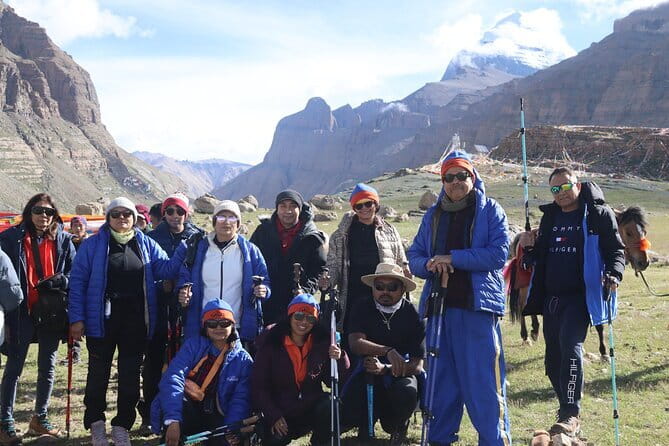
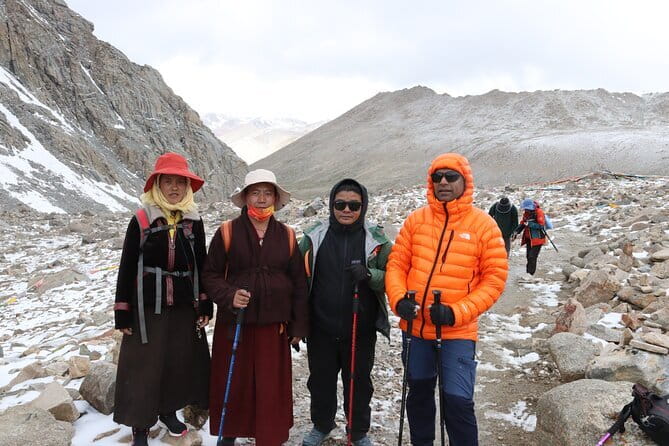
The kora begins on Day 10 with a seven-hour walk from Darchen to Diraphuk. The route crosses rugged ground and offers views of Mount Kailash and nearby Himalayan peaks. This is not a casual stroll: at altitude, even a moderate pace can feel slow, and the long walking day calls for steady effort. The itinerary does not give distance or elevation gain, so ask the operator for those figures before booking.
Day 11 is the toughest day on paper. You walk from Diraphuk to Zuthulphuk, with up to nine hours scheduled and a crossing of Dolma La Pass, the high point of the trek. It is a serious physical and mental test, made harder by thin air and the need to keep moving at a careful pace. The operator includes daily blood pressure and blood oxygen monitoring and an oxygen cylinder in case of altitude sickness, but these are safeguards, not a substitute for suitable preparation or medical advice.
The final leg on Day 12 returns from Zuthulphuk to Darchen and is listed at seven hours. Completing the circuit may carry deep personal meaning, whether you approach it as a religious act or a demanding walk through a remarkable high-altitude region. You then have a six-hour drive back to Saga the following day, a welcome chance to rest after three consecutive days on foot.
Horse and pony fees during the kora are extra. If you think you may need help walking, ask the operator about availability, cost and arrangements before you travel. Do not count on being able to decide at the last moment, especially on a busy fixed departure.
The return to Kathmandu
Day 14 is a five-hour drive back to Kyirong for an overnight stay. The team is described as helping with necessary arrangements, though the exact support is not detailed. Day 15 brings border formalities at Rasuwa Gadhi and a return drive to Kathmandu, given as about 265 kilometers and roughly nine to eleven hours. The day is listed as eight hours elsewhere in the schedule, so treat the timing as an estimate and avoid making tight onward plans.
The final morning is set aside for breakfast and a two-hour transfer to Tribhuvan International Airport. Before booking flights, confirm the airport transfer time and whether your departure schedule leaves enough room for the long return drive the day before. The final overland leg can be affected by road and border conditions, neither of which is specified.
More Kathmandu tours in Kathmandu:
- Everest Base Camp Trek – 14 Days
★ 5.0 · 1,499 reviews - Private Kathmandu Sightseeing Tour | UNESCO World Heritage sites
★ 5.0 · 756 reviews - Everest Base Camp Helicopter Tour landing at Everest View Hotel
★ 5.0 · 668 reviews - Half day cooking class in Thamel kathmandu
★ 5.0 · 607 reviews
What the $3,999 price covers
At $3,999 per person, this is a substantial outlay, but the price includes many of the hard-to-arrange parts of a Kailash trip: private transportation, Tibet visa and permit fees, accommodation, full-board vegetarian meals, and Kathmandu sightseeing. It also includes daily health checks and an oxygen cylinder for altitude sickness. For a remote, permit-dependent route, having these elements organized together can make planning simpler.
Accommodation is specified as three-star hotels in Kathmandu and the best available during the kora. That wording signals a difference in comfort between city stays and the remote trekking section. If comfortable rooms are a high priority, ask what lodging is used in each overnight stop rather than assuming city standards continue throughout.
Meals are described as full-board pure vegetarian, with 15 breakfasts, 15 dinners and 11 lunches listed. That is useful for budgeting and for anyone who prefers vegetarian food, but it also means you should ask what happens during the days when lunch is not included. Personal expenses and tips are extra, as are monument entry fees in Kathmandu, estimated at about $30, and horse or pony fees for the kora.
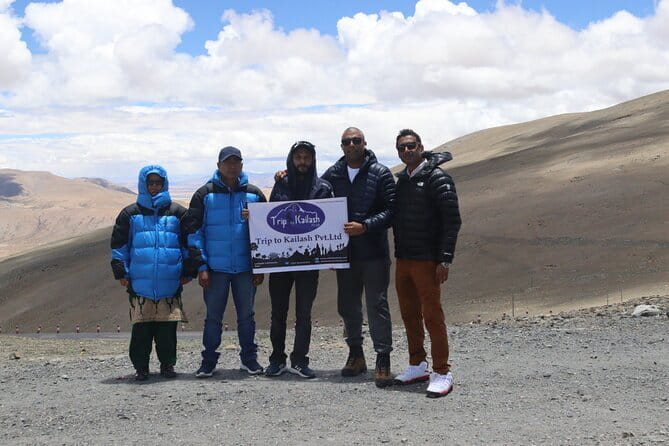
The group cap of 10 is a real advantage on a trip with border procedures, health checks and a strenuous trek. A small group can make it easier to get individual attention, though you should confirm how guides and support staff are assigned. The information names Kashyap as a team member who provided steady, attentive support to someone on the pilgrimage. That is a reassuring sign, but it is still worth asking who will lead your specific departure and what their role is.
Who should book this pilgrimage?
This trip suits you if the spiritual meaning of Kailash matters, you want a guided overland route from Kathmandu, and you are prepared for a demanding three-day walk at high altitude. It is also a good fit if you value having permits, transport, meals and basic health monitoring arranged as part of one package.
It is less suitable if you need a relaxed sightseeing holiday, dislike long drives, or are not prepared for altitude-related uncertainty. The itinerary calls for moderate fitness, but the Dolma La crossing makes that a minimum guide, not a promise that the trek will feel moderate. Discuss your health and preparation with a medical professional, and ask the operator for the trek’s distances, elevation profile, acclimatization plan and emergency procedures.
There are a few practical checks to make before paying. Booking must be made at least 20 days ahead to allow time for the Tibet entry permit, and you must send a passport photo within two days of confirmation. Your passport needs at least six months of validity. The fixed departure dates provided are for 2024, so ask for current dates rather than relying on that old schedule. Confirmation is subject to availability, and the stated cancellation terms offer a full refund at least six full days before departure, with smaller or no refunds closer to the start.
Book it if you want the kora enough to accept the effort and uncertainty that come with it. The strongest reasons to go are the full pilgrimage route, the lakeside puja, the small group and the included logistics. If your priority is comfort or a gentle pace, choose a less demanding trip.
FAQ
How long is the trip?
The trip lasts approximately 16 days, starting and ending in Kathmandu.
What is included in the $3,999 price?
The price includes private transportation, Tibet visa and permit fees, accommodation, full-board vegetarian meals, Kathmandu sightseeing, a Shivapuri National Park hike, daily health checks and an oxygen cylinder in case of altitude sickness.
Are horse or pony fees included for the kora?
No. Horse and pony fees during the kora are not included.
How difficult is the Mount Kailash kora?
The tour requires moderate physical fitness. The three-day kora includes a day of up to nine hours walking and a crossing of Dolma La Pass, the trek’s highest point.
What documents and advance planning are required?
You must book at least 20 days in advance for the Tibet entry permit. After confirmation, send a passport photo within two days, and make sure your passport is valid for at least six months.
What is the maximum group size?
The maximum group size is 10. A private tour can be arranged for a group of more than five people.
Newly listed in Kathmandu
- Traditional Momo Making Class★ 5.0 · 10 reviews
- Walking tour of real Kathmandu through back streets.★ 5.0 · 3 reviews
- Kathmandu 2 Nights 3 Days Chitwan Jungle Safari Tour★ 5.0 · 9 reviews
- Visit Swayambhunath and Bauddhanath Stupa with Guide★ 5.0 · 5 reviews
- Walking tour of Kathmandu with awesome local guides★ 5.0 · 4 reviews
- Kathmandu Street Food Walking Tour – Eat Like a Local★ 5.0 · 3 reviews
- Regular Yoga for all levels of practitioners in Kathmandu★ 5.0 · 4 reviews
- Private Manaslu Circuit Trek at Himalayas★ 5.0 · 3 reviews
Kathmandu Spiritual Tours, compared.
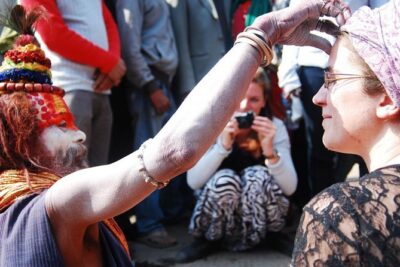
Kathmandu Spiritual Sites: Bodhnath & Pashupatinath Tour
Read our review →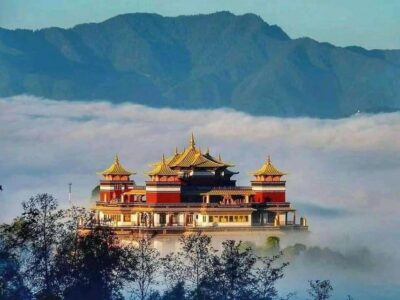
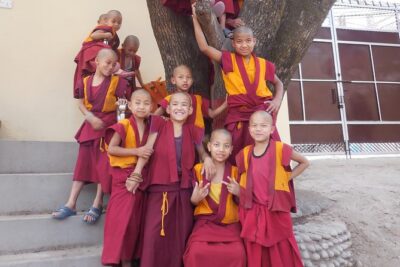
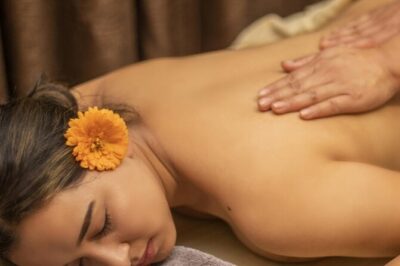
Shirodhara and Sound Healing Spa Experience in Kathmandu
Read our review →
Spiritual Nepal: Expert insight into Multifaith Journey
Read our review →
Namo Buddha and Thrangu Tashi Yangtse Monastery Half-Day Tour
Read our review →
Browse the lists this tour appears in