
Reviewed · KATHMANDU COOKING CLASSES
Traditional Nepali Momo Making Classes
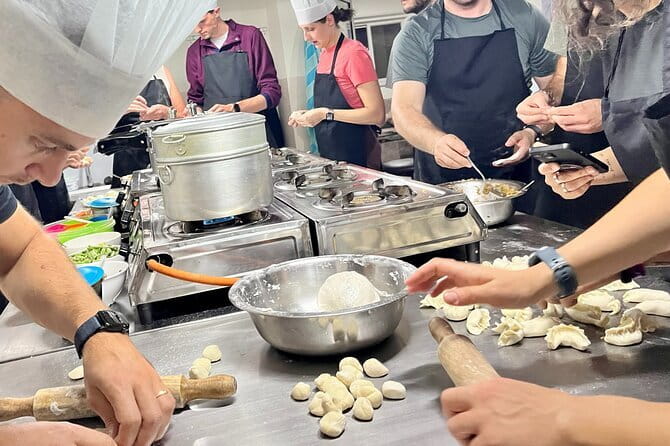
Momos are easy to order around Kathmandu, but making them from scratch shows you why these dumplings are more than a quick lunch. At Namaste Cooking School, you start with a cup of masala chai, learn about the spices behind the filling, then roll, fill, and shape your own momos with a teacher beside you.
I like two things about this class: it gives you a useful taste of Nepali food culture, and it puts you to work rather than leaving you to watch a demonstration. You also get lunch and a recipe book, so the experience has a practical afterlife once you’re back home.
One consideration: the class lasts about 90 minutes, so it’s a focused introduction, not a full course in Nepali cooking. It’s also a group activity, with up to 16 people, and the published start time is 12:30 pm.
What makes this momo class worth your time
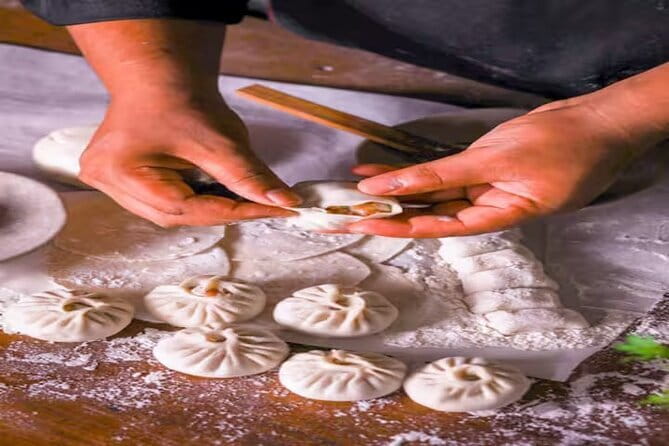
- You make momos from scratch. The lesson includes hands-on work with dough and filling, followed by practice shaping the dumplings.
- Masala chai sets a welcoming tone. The class opens with a traditional cup, a small but fitting introduction to Nepali hospitality.
- You get more than a recipe. A short introduction to regional spices helps explain the flavors you’ll use.
- Lunch is included. You eat the momos you make, turning the lesson into a meal rather than a cooking demonstration alone.
- The class is run by women and connected to local food producers. Namaste Cooking School emphasizes indigenous ingredients and sourcing from local farmers.
- You leave with a recipe book. It gives you a way to try the process again at home, though you may need to adapt to the ingredients available where you live.
A warm start with chai in central Thamel
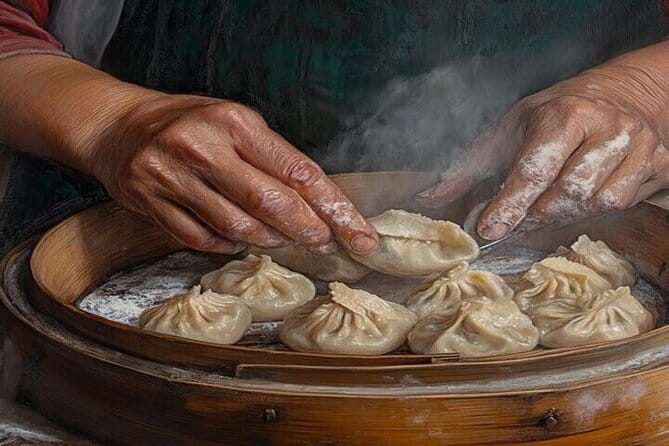
The class begins at Bhagwati Marg in Kathmandu, in the heart of Thamel. That central location is convenient if you’re staying nearby or already exploring this busy visitor district. The activity ends back at the meeting point, so you won’t need to arrange a separate ride at the finish.
At the school, you’re welcomed with masala chai. It’s a simple opening, but it gives the class a more personal feel than arriving straight at a work station and launching into instructions. The tea also introduces one of the lesson’s broader themes: Nepali cooking is built from familiar ingredients combined with local habits, preferences, and techniques.
If you don’t drink masala chai, one participant was offered ginger and lemon tea instead. That suggests the hosts may be able to accommodate a preference, but don’t treat a substitute as guaranteed. It’s sensible to mention dietary needs, allergies, or other restrictions when you arrive. The school says it asks about these before cooking so it can make the session safer and more comfortable.
The class is offered in English. That matters in a hands-on lesson, where you’ll want to follow instructions about the dough, filling, and shaping rather than simply watch what the person beside you is doing.
More cooking classes in Kathmandu:
- Half day cooking class in Thamel kathmandu
★ 5.0 · 607 reviews - Kathmandu: Local Women-Led Nepali Cooking & Momo Class
★ 4.9 · 360 reviews - Kathmandu: Local Lead Nepali Cooking & Momo-Making Class
★ 5.0 · 212 reviews
Choosing a menu and meeting Nepali spices
After the welcome, you choose from the school’s momo menus. The exact choices aren’t specified in advance, so ask what’s available on the day if you have a strong preference. The class also checks for allergies and dietary restrictions at this point, giving you a chance to explain what you can and can’t eat before ingredients are prepared.
Next comes an introduction to regional spices used in Nepali momo cooking. This is a useful bridge between learning a recipe and understanding how a dish gets its character. You’re not just being shown how to assemble a dumpling; you’re getting some context for the seasonings that distinguish the filling.
The school’s emphasis on indigenous ingredients and direct relationships with local farmers adds another layer. It connects the food on your plate with the people who grow it, and helps make the class feel rooted in Nepal rather than like a generic cooking lesson transplanted to Kathmandu.
Don’t expect a long lecture on the country’s entire food culture. The session is short, and its focus is specific: momo preparation and the spices that support it. That narrow scope is part of the appeal if you want to spend an afternoon learning one widely loved dish without committing half a day.
Making the dough, filling, and folds
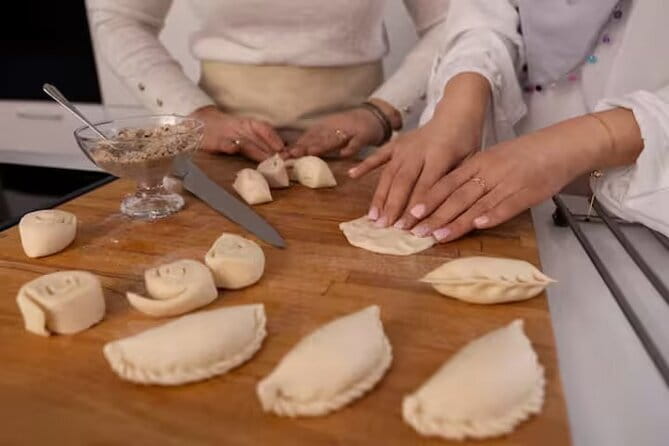
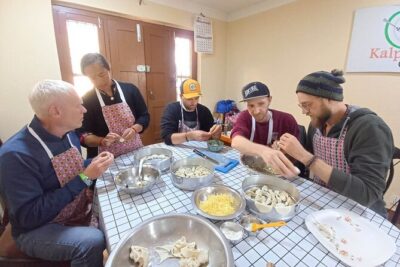
The main event is a practical cooking session. You take part in preparing the momos, rather than only watching an instructor make a batch. The experience includes working with dough and filling, then learning how to shape the dumplings. That progression is useful: the finished momo may look simple, but getting it ready to cook takes several small steps.
Shaping is where the class becomes especially engaging. You’ll have to turn what looks like an easy fold into a repeatable technique, and a patient teacher can make a difference. Sushila and Sabita are named as instructors by people who have taken the class, and they are described as kind, funny, and patient. Their teaching style seems to suit beginners who want to try things themselves without feeling rushed or judged.
A few participants have also described learning different ways to shape momos. That’s a welcome bonus, since the folds are part of what makes the dumpling appealing on the plate. Still, this is a short class, so think of it as a strong first lesson rather than a guarantee that you’ll master every style in one sitting.
The filling can be vegetable-based, and a private class has included vegetable momos. The menus vary, so check the available options if you have a particular diet in mind. The class asks about restrictions, but you should be clear about allergies before cooking begins.
One of the best reasons to make momos yourself is that it changes how you think about ordering them later. You notice the work in the wrapper and the care needed to keep the filling enclosed. And if your first few folds look more rustic than elegant, that’s part of the lesson. They still cook, and they still taste like lunch.
Lunch is part of the lesson
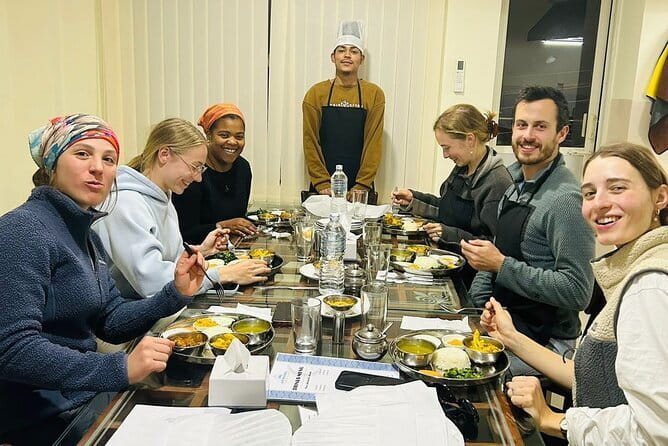
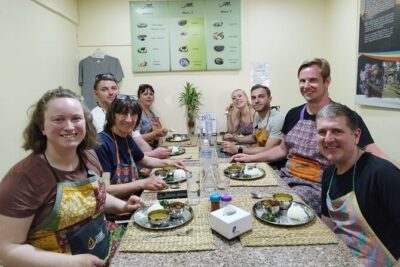
Lunch is included, and the momos you make are the reward for the work. That makes the $18 price easier to assess: you’re paying for instruction, ingredients, a meal, and a recipe book, not just a short demonstration. For a central Kathmandu activity, it can also replace a restaurant lunch while giving you something more memorable to do with the hour and a half.
The food is described as fresh and filling, and the class is often enjoyed as a quick, satisfying midday experience. You should arrive hungry enough to eat, but not assume the meal will suit every appetite or dietary need without checking. Menu options aren’t listed in detail, and the class needs to know about restrictions in advance.
There’s a small practical point here: the session starts at 12:30 pm and lasts about 90 minutes. If you’re planning another activity, allow some flexibility around the end time rather than scheduling something immediately afterward. The stated duration is approximate, and cooking with a group can take a little time.
More Kathmandu tours in Kathmandu:
- Everest Base Camp Trek – 14 Days
★ 5.0 · 1,499 reviews - Private Kathmandu Sightseeing Tour | UNESCO World Heritage sites
★ 5.0 · 756 reviews - Everest Base Camp Helicopter Tour landing at Everest View Hotel
★ 5.0 · 668 reviews - Everest Base Camp Trekking
★ 5.0 · 485 reviews
A small class with a personal feel
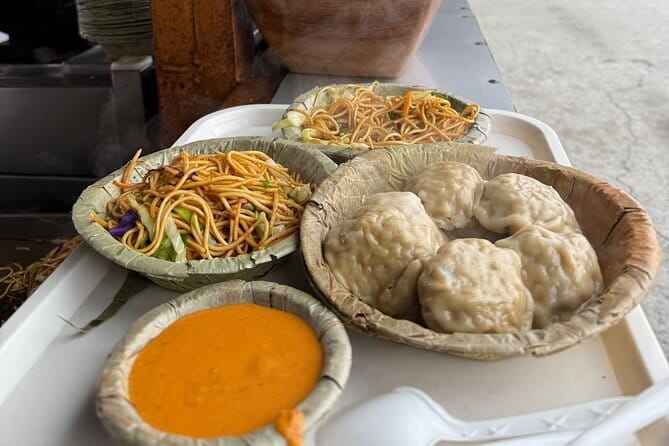
The maximum group size is 16. That’s intimate enough for a hands-on activity compared with a large demonstration, but it isn’t necessarily a private lesson. If you want a one-to-one session, ask whether a private booking is available; a couple has taken a private class, but private arrangements aren’t part of the standard details.
The school is run by women, and its approach places local ingredients and Nepali culinary traditions at the center. For you, that means the class offers more than a souvenir recipe. You get time with local cooks who can explain the steps and help you through them, while the food itself offers a direct way to engage with Kathmandu’s everyday dining culture.
There are occasional personal touches beyond the cooking. Sushila and Sabita have been described as singers and dancers as well as teachers, and one participant stayed afterward to talk over beers. Those details shouldn’t be treated as scheduled parts of every class, but they hint at the friendly, informal tone you may find.
One participant also described a rooftop setting with views over Kathmandu. The exact venue arrangement isn’t guaranteed, so don’t book on the assumption that you’ll get a rooftop meal or panoramic views. The reliable appeal is the cooking lesson and lunch, not a particular view.
What the $18 price buys
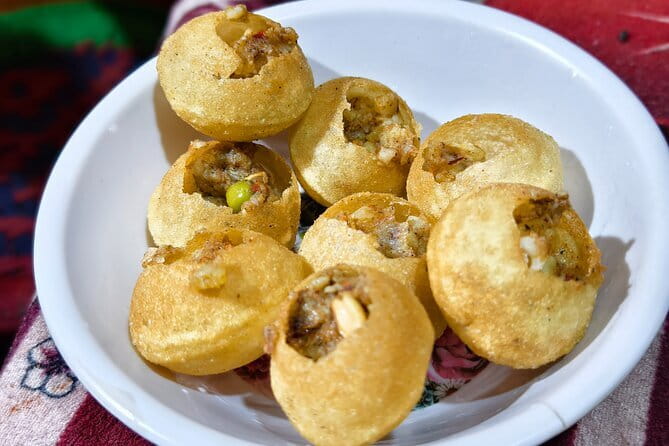
At $18 per person, this is a modestly priced activity with several clear inclusions: English-language instruction, the cooking session, lunch, and a take-home recipe book. The welcome tea and spice introduction add context, while the hands-on format gives you a skill to practise later. If you’re comparing it with simply eating momos at a restaurant, the class costs more than lunch alone, but you’re paying for an activity as well as food.
Its value depends on what you want from your Kathmandu visit. If your priority is to see as many landmarks as possible, 90 minutes may feel like time better spent elsewhere. If you want a break from sightseeing and a closer look at local food, this is an efficient way to spend part of an afternoon.
The class is booked, on average, eight days in advance. That doesn’t mean you must reserve exactly that early, but it’s a useful planning signal if your dates are fixed. Confirmation is provided at booking. Free cancellation is available up to 24 hours before the start time; cancellations or changes made later are not accepted for a refund. The activity may also be canceled if weather is poor or the minimum number of participants isn’t met, in which case you’re offered another date or a refund.
Who should book this class
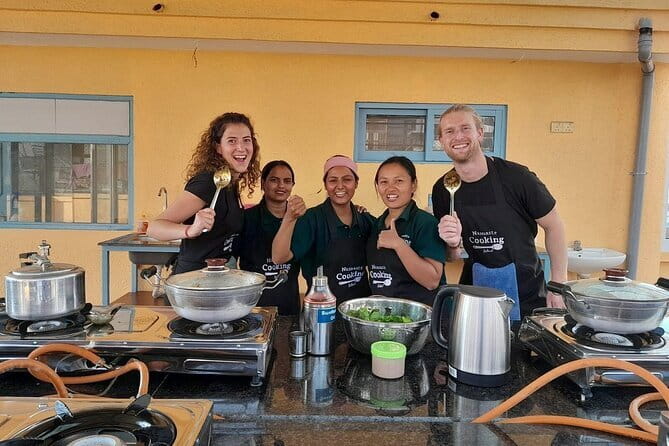
This is a good fit if you like to learn by doing, enjoy local food, or want a low-key activity that breaks up a day of walking around Kathmandu. It also suits families: an eight-year-old who initially didn’t want to take part ended up enjoying the class. That doesn’t mean every child will be keen, but the practical format can hold a young cook’s attention better than a lecture.
You don’t need prior cooking experience. The lesson is designed around guided preparation, and the patient teaching style makes it welcoming for beginners. It’s also a good choice for vegetarians if the day’s menu includes vegetable momos, but confirm the options and explain any dietary needs before you book or at the start.
Skip it if you’re looking for a broad survey of Nepali cuisine, a long workshop, or a guaranteed private class. This is a short, focused session built around one dish. The best reason to book is that you want to understand how momos are made, eat what you prepare, and take a practical recipe home.
FAQ
How long is the momo-making class?
It lasts approximately 1 hour and 30 minutes.
What time does the class start?
The stated start time is 12:30 pm.
Where does the class meet?
It starts at Bhagwati Marg, Kathmandu 44600, Nepal, in the Thamel area.
Does the activity include lunch?
Yes. Lunch is included, and you eat the food prepared during the class.
What language is the class taught in?
English is offered.
How many people can join?
The maximum group size is 16 travelers.
Is a recipe included?
Yes. You receive a Namaste Cooking School recipe book after the class.
Can I cancel for a refund?
You can cancel up to 24 hours before the experience starts for a full refund. Cancellations made less than 24 hours before the start time are not refundable.
Newly listed in Kathmandu
- Traditional Momo Making Class★ 5.0 · 10 reviews
- Walking tour of real Kathmandu through back streets.★ 5.0 · 3 reviews
- Kathmandu 2 Nights 3 Days Chitwan Jungle Safari Tour★ 5.0 · 9 reviews
- Visit Swayambhunath and Bauddhanath Stupa with Guide★ 5.0 · 5 reviews
- Walking tour of Kathmandu with awesome local guides★ 5.0 · 4 reviews
- Kathmandu Street Food Walking Tour – Eat Like a Local★ 5.0 · 3 reviews
- Private Manaslu Circuit Trek at Himalayas★ 5.0 · 3 reviews
- Kathmandu to Pokhara Vip Sofa Bus Ticket★ 4.0 · 4 reviews
Kathmandu Cooking Classes, compared.
The best Private Nepali Cooking Class in Kathmandu
Read our review →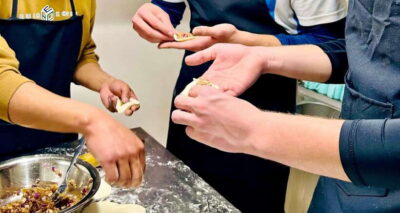
Best Nepali Cooking Class in Thamel with Local Market Trip
Read our review →
Women-Led Cooking Class & Momo Making-Local Taste
Read our review →
Momo Making Class in Kathmandu with Pickup & Drop off from Hotel
Read our review →Browse the lists this tour appears in