
Reviewed · KATHMANDU COOKING CLASSES
Kathmandu: Local Lead Nepali Cooking & Momo-Making Class
Momos are the hook, but this class gives you more than a dumpling lesson. At Kathmandu Cooking Academy, you start with Nepali masala tea, shop for ingredients with a local chef, then make three dishes and sit down to eat what you have cooked.
I like the market-to-meal format, which connects ingredients to the food on your plate, and the chance to shape momos yourself instead of just ordering them in a restaurant. The small group cap of 12 also gives the lesson room to feel social rather than like a kitchen demonstration.
One consideration: the dishes are selected from a traditional menu, so you may not get to choose every recipe in advance. The class takes about three and a half hours, too, a pleasant half-day activity but not a quick stop between sightseeing plans.
Key points to know before you book
- Momo-making is hands-on: You make Nepal’s best-known dumplings, choosing a vegetarian or chicken version.
- A market or shop visit comes first: Pick up ingredients with your chef before returning to the academy to cook.
- Three dishes are on the menu: Expect one entrée, one main course and one dessert, with dishes selected from a wider traditional menu.
- You finish by eating your work: A tasting session is included, along with masala tea during the lesson.
- The group is capped at 12: That keeps the class relatively intimate, and makes it a good option if you are traveling solo and want to meet people.
- The listed price is $5 per person: Check the final booking details and selected option, especially if you want hotel pickup.
From masala tea to the market
The class begins at Kathmandu Cooking Academy on Yapikhya Marg, with a cup of Nepali masala tea to settle in. It is a simple but fitting start: before you get to the stove, you get a taste of the kind of warm spice that runs through the meal.
Next comes a short visit to a local market or shop to buy ingredients. This is one of the class’s most useful parts. You are not only handed a prepared bowl of vegetables and spices; you see some of the shopping that goes into a Nepali meal and learn what is needed for the dishes you will make.
The outing is described as short, so think of it as a practical ingredient stop, not a full market tour. That makes sense for a cooking class, though anyone hoping for a long, guided look at Kathmandu’s food markets should keep expectations in check.
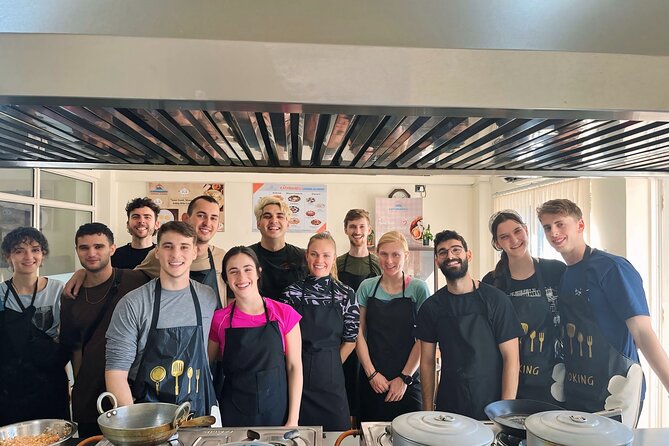
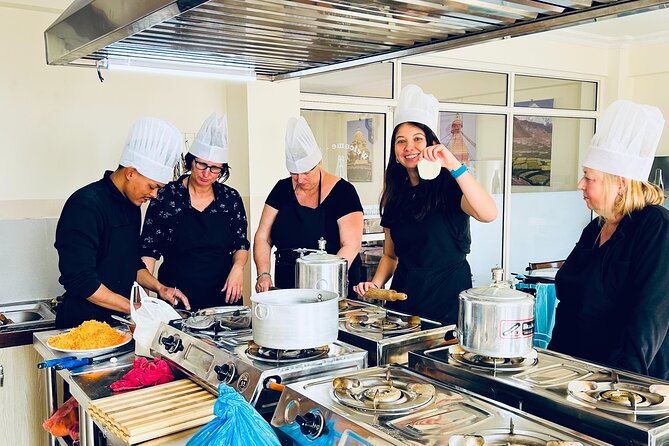
The ingredients come back with you to the academy, where the cooking begins. The class uses traditional utensils and equipment, and the chef talks through both the techniques and the cultural background of the food. Instructions are described as clear and easy to follow, a plus if you are new to cooking or working in a kitchen with other people.
More cooking classes in Kathmandu:
- Half day cooking class in Thamel kathmandu
★ 5.0 · 607 reviews - Kathmandu: Local Women-Led Nepali Cooking & Momo Class
★ 4.9 · 360 reviews - The best Private Nepali Cooking Class in Kathmandu
★ 5.0 · 83 reviews
Folding momos, one by one
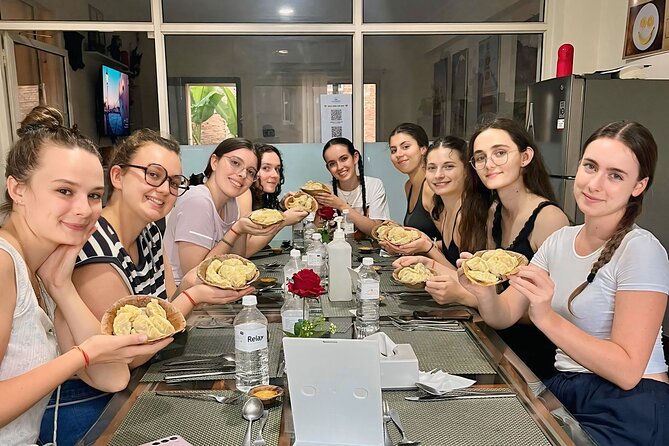
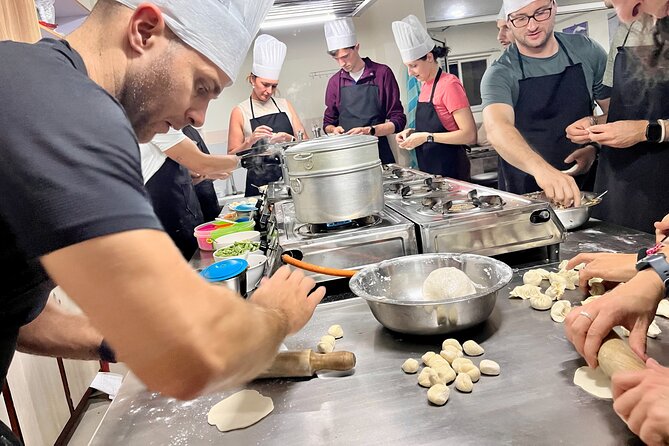
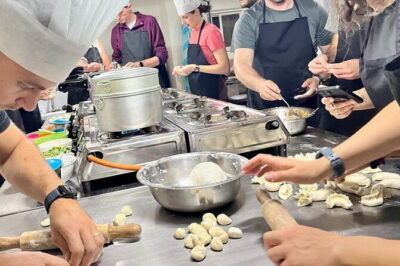
Momo-making is the signature activity, and the best reason to book if you have watched dumplings being made and wondered how the folds happen. You get to prepare them yourself, with a choice of vegetarian or chicken filling.
Expect some trial and error. One person’s neat dumpling may look quite different from the instructor’s, and that is part of the fun. The class is meant to be hands-on, not a polished cooking show, so there is room to laugh at imperfect shapes and learn by doing.
That practical approach also helps you understand why momos take more work than simply ordering a plate. You handle the process yourself, from preparing ingredients to shaping the dumplings, then taste the result at the end. If you enjoy learning a repeatable kitchen skill, this is likely to be the most memorable part of the session.
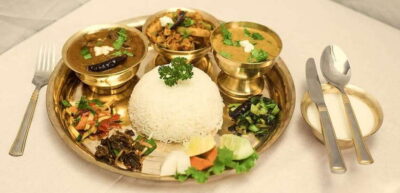
The menu is not limited to momos. The class teaches three Nepali dishes in total: one entrée, one main course and one dessert. Dal bhat and yomari are among the traditional dishes highlighted, while the exact selection can vary. A class menu described by one participant included bara, momos, dal bhat and three kinds of dessert, so you may get a broader sample than the three-course outline suggests. Still, treat that as an example rather than a promise of the same menu each time.
Cooking dal bhat and other Nepali staples
Dal bhat is a familiar meal across Nepal, and making it in class gives you a closer look at an everyday staple than a restaurant order alone can provide. The value here is not just learning a recipe. It is understanding how individual dishes fit together into a meal and seeing the ingredients before they reach the plate.
The menu can also include dishes less familiar to many visitors, such as bara or yomari. That variety makes the class useful for curious eaters who want to move beyond the dishes they already recognize. Since recipes are selected from a larger traditional menu, you may want to ask about the day’s dishes when you arrive if you have a particular interest.
The chef leads the steps and explains them in straightforward English, according to the class information and participant accounts. That matters in a practical lesson: a clear explanation lets you focus on the chopping, mixing and cooking instead of trying to guess what comes next.
This is not a specialist course for advanced cooks. The format is designed to work for beginners and more experienced home cooks alike. If you already cook often, you can pay attention to unfamiliar ingredients or techniques; if you are new to the kitchen, the guided pace should make the process manageable.
A shared meal, not just a recipe lesson
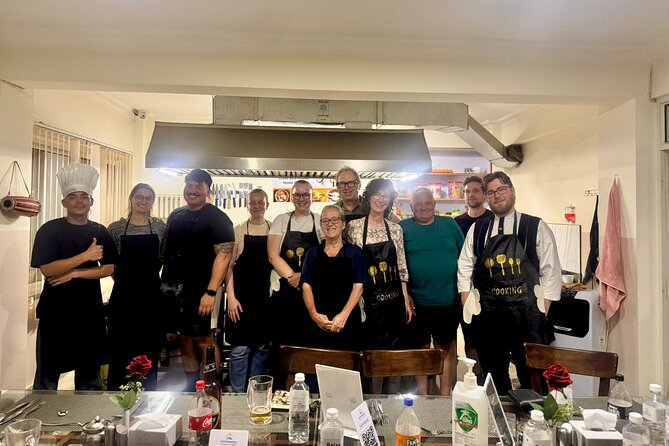
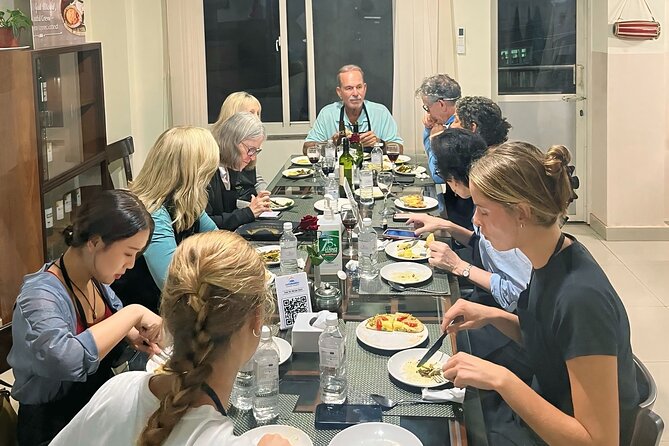
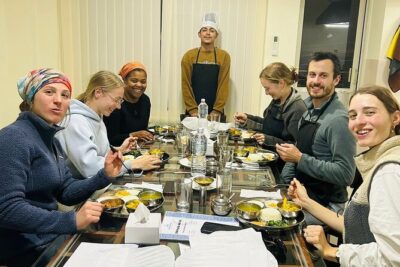
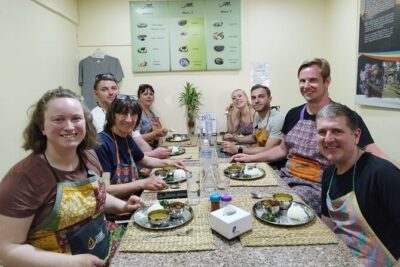
Once the cooking is done, the group sits down for a tasting session. You eat the food you have prepared, which makes the meal feel like the natural finish to the class rather than an extra tacked on at the end.
The shared table is also part of the appeal for solo visitors. The group is limited to 12, and the cooking gives people an easy reason to talk. You do not need to arrive with a companion or be an expert cook to take part. In fact, comparing everyone’s first attempts at momo folds gives the room an easy, light mood.
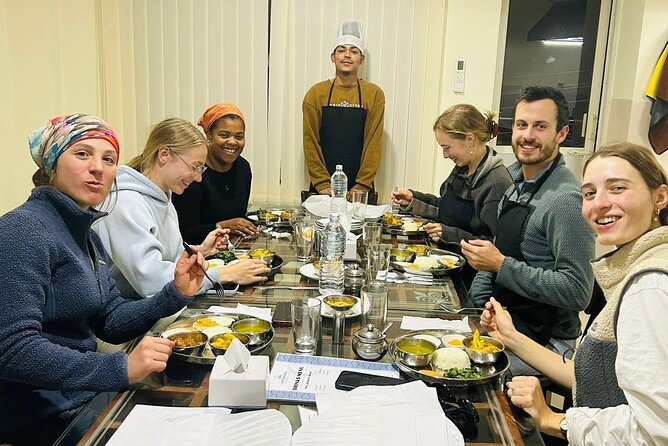
The food itself is a strong part of the experience. The class is built around cooking and tasting Nepali dishes, and participants have praised both the meals and the patient instruction. That said, this is not a restaurant meal with a fixed menu and guaranteed dish list. You are there to prepare the food, and what you eat depends on the recipes selected for the session.
Some participants have received a detailed cookbook or recipes in a PDF format. Those extras could be handy for cooking the dishes again at home, but they are not listed as guaranteed inclusions. If having recipes to take away matters to you, ask the academy before booking.
More Kathmandu tours in Kathmandu:
- Everest Base Camp Trek – 14 Days
★ 5.0 · 1,499 reviews - Private Kathmandu Sightseeing Tour | UNESCO World Heritage sites
★ 5.0 · 756 reviews - Everest Base Camp Helicopter Tour landing at Everest View Hotel
★ 5.0 · 668 reviews - Everest Base Camp Trekking
★ 5.0 · 485 reviews
What the $5 price does and does not tell you
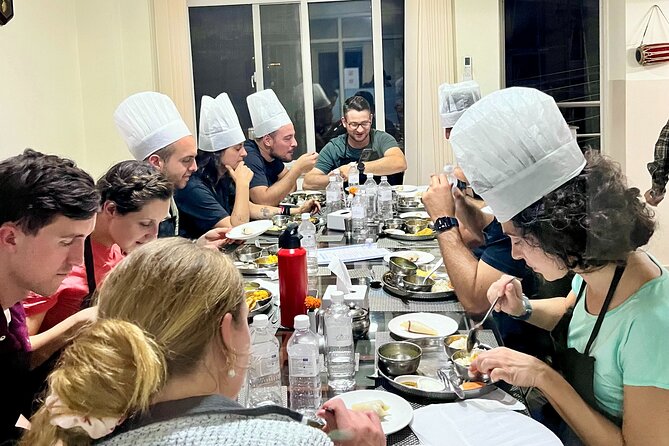
At a listed price of $5 per person, this looks like an unusually inexpensive way to spend three and a half hours cooking, eating and learning about Nepali food. The core experience includes instruction from an experienced chef, the market or shop visit, use of cooking equipment, masala tea and a tasting of the dishes you make.
There are a couple of details worth checking before you commit. Hotel pickup and drop-off are included only if you select that option, and specialty or alcoholic drinks are not included. Tips are also not included. The stated price may depend on the option you select, so check the total at checkout rather than assuming pickup is part of the lowest price.
The academy is on Yapikhya Marg in Kathmandu, and the activity ends back at the meeting point. It is described as about a 10-minute walk from Thamel, which makes it practical if you are staying in that area and prefer to walk. Public transportation is nearby as well.
The listed group limit is 12 people. That is small enough for a more personal lesson, although the exact feel of the class will depend on how many people have booked that day. If you want a private lesson or a very quiet kitchen, the available information does not promise either.
Free cancellation is available up to 24 hours before the start time. Within 24 hours, the payment is nonrefundable, and changes are not accepted. Keep the local start time in mind when deciding whether your plans are firm.
Who will enjoy this class most?
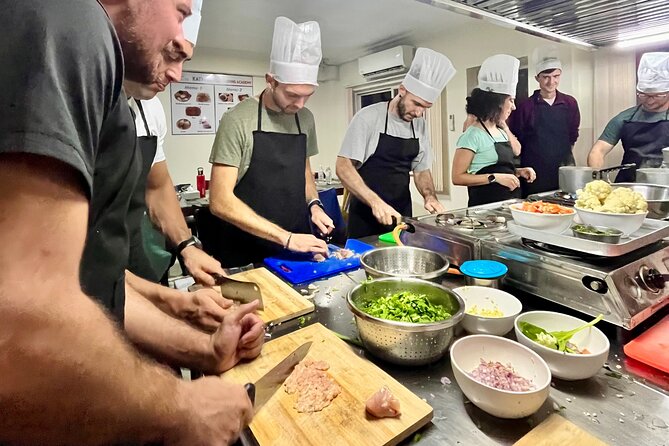
I would put this class near the top of the list if you want an activity that gives you a taste of local food culture without requiring prior cooking skills. It is especially well suited to solo visitors, curious eaters, and anyone who wants to learn a practical dish rather than spend another afternoon only looking at sights.
It also suits couples or small groups who enjoy doing something together. The process gives everyone a job, and the final meal makes the time feel complete. If you are traveling with children, the supplied details do not specify an age range, so check with the academy before booking.
This may be less suitable if you have a strict schedule. Three and a half hours is a meaningful block of time, and the market visit, cooking and meal are all part of the experience. It is also not the best fit if you need to know the precise menu in advance, since dishes are chosen from a wider selection.
Should you book the Kathmandu cooking class?
Book it if you want to make momos, learn a few Nepali recipes and share a meal in a small-group setting. The market stop and cultural explanations give the class more substance than a simple kitchen demonstration, while the accessible instructions make it welcoming for beginners.
Before you pay, confirm the total price for your chosen option, whether pickup is included, and which dishes are planned for your session. If you are happy with a flexible menu and can spare half a day, this is a practical, hands-on way to get closer to Kathmandu through its food.
FAQ
How long does the cooking class last?
The class lasts about three hours and 30 minutes.
Where does the class start and end?
It starts at Kathmandu Cooking Academy, Yapikhya Marg, Kathmandu 44600, Nepal, and ends back at the meeting point.
Are hotel pickup and drop-off included?
Pickup and drop-off are included if you select that option. They are not listed as standard inclusions for every booking.
What dishes will I learn to make?
You will make three Nepali dishes: one entrée, one main course and one dessert. The menu varies, and can include dishes such as momos, dal bhat and yomari.
Can I choose vegetarian or chicken momos?
Yes. The momo-making portion offers a vegetarian or chicken option.
How many people can join the class?
The activity has a maximum group size of 12 people.
What is the cancellation policy?
You can cancel at least 24 hours before the start time for a full refund. Cancellations or changes made less than 24 hours before the start time are not accepted for a refund.
Newly listed in Kathmandu
- Traditional Momo Making Class★ 5.0 · 10 reviews
- Walking tour of real Kathmandu through back streets.★ 5.0 · 3 reviews
- Kathmandu 2 Nights 3 Days Chitwan Jungle Safari Tour★ 5.0 · 9 reviews
- Visit Swayambhunath and Bauddhanath Stupa with Guide★ 5.0 · 5 reviews
- Walking tour of Kathmandu with awesome local guides★ 5.0 · 4 reviews
- Kathmandu Street Food Walking Tour – Eat Like a Local★ 5.0 · 3 reviews
- Private Manaslu Circuit Trek at Himalayas★ 5.0 · 3 reviews
- Kathmandu to Pokhara Vip Sofa Bus Ticket★ 4.0 · 4 reviews
Kathmandu Cooking Classes, compared.
The best Private Nepali Cooking Class in Kathmandu
Read our review →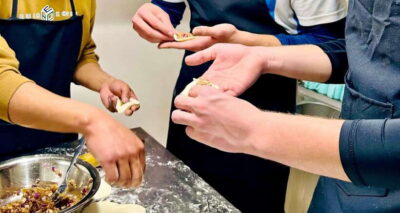
Best Nepali Cooking Class in Thamel with Local Market Trip
Read our review →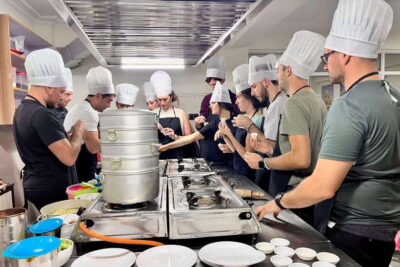
Women-Led Cooking Class & Momo Making-Local Taste
Read our review →Browse the lists this tour appears in