
Reviewed · KATHMANDU COOKING CLASSES
Kathmandu: Local Lead Nepali Cooking & Momo Making Class
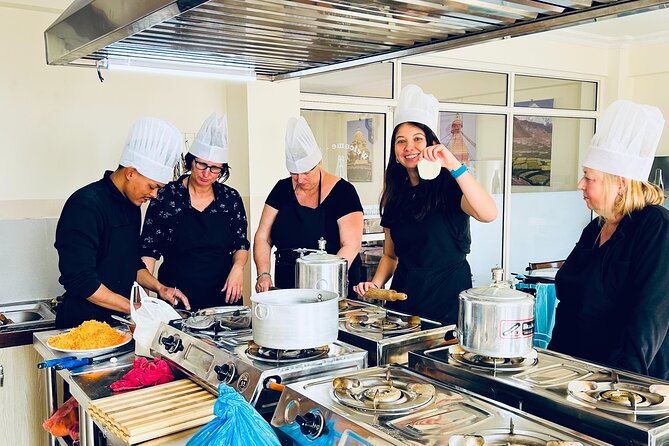
Kathmandu’s momo are more than a snack to order: here, you learn to make and fold them yourself, then sit down to eat the results. The class begins with a short market or shop visit and moves into a kitchen session focused on Nepali dishes, including momo and dal bhat.
I like two things in particular: you get hands-on instruction rather than a cooking demonstration, and the small group size gives you room to ask questions and practice. The menu can include dishes beyond the mainstays, such as bara and yomari, and the meal ends with Nepali masala tea.
One consideration: this is a three-to-four-hour commitment, not a quick tasting stop. You’ll be standing and preparing food, so wear comfortable clothes, arrive 15 minutes early, and let the academy know about dietary needs in advance.
What makes this cooking class worth your time
- You shop for ingredients first: Take a short walk to a nearby market or shop with your chef, then use the ingredients in the kitchen.
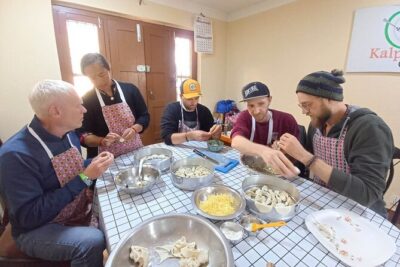
- You make the food yourself: Learn step by step, including the hands-on work of shaping momo.
- The menu has room to vary: Momo and dal bhat are central, but additional traditional dishes may be available to choose from.
- The meal is part of the class: Taste the dishes you have prepared, with complimentary Nepali masala tea.
- The group is capped at 10: A small class makes it easier to get individual help and practice at your own pace.
- Pickup is optional: You can meet at Kathmandu Cooking Academy near Thamel or arrange pickup within Kathmandu Valley.
Start with a market stop near Thamel
The class starts at Kathmandu Cooking Academy, in the Thamel area. If you’re walking, the academy is about 10 to 15 minutes from Thamel. Arrive at least 15 minutes before the scheduled start, look for the sign outside the building, and staff will direct you to the registration area.
If you select pickup, a driver can meet you at an address within Kathmandu Valley and take you to the academy. The starting point depends on the option you book. Pickup is useful if your lodging is farther away or you would rather not navigate across town before class, but it is optional, so you can also make your own way to the meeting point.
The first activity is a short visit to a nearby market or shop to choose fresh ingredients. That stop gives the meal a practical beginning: you see what goes into the recipes before you start cooking, rather than meeting each ingredient only after it has been prepared. The chef guides the shopping, so you can ask what an item is for and how it fits into Nepali cooking.
It is a market visit, not a full market tour, and the class has a kitchen session and meal to fit into roughly three hours. Think of it as a useful introduction to the ingredients, not a separate sightseeing excursion.
More cooking classes in Kathmandu:
- Half day cooking class in Thamel kathmandu
★ 5.0 · 607 reviews - Kathmandu: Local Women-Led Nepali Cooking & Momo Class
★ 4.9 · 360 reviews - Kathmandu: Local Lead Nepali Cooking & Momo-Making Class
★ 5.0 · 212 reviews
Learn momo folding, not just the recipe
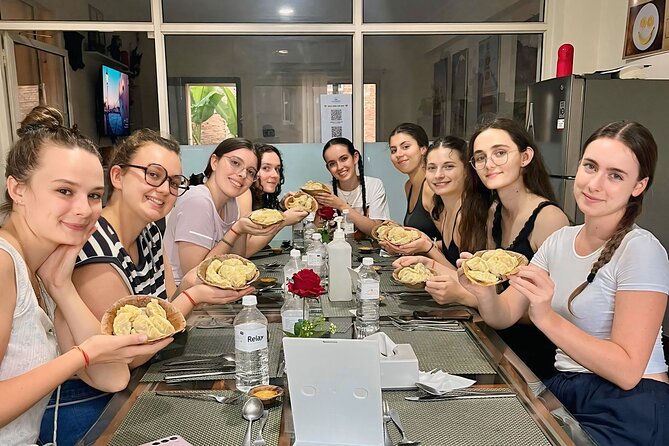
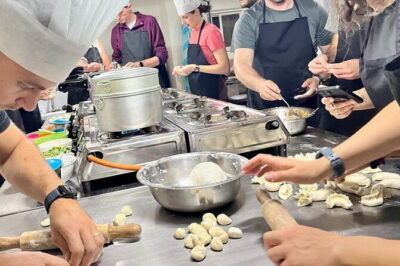
Momo making is the draw for many people, and the class gives you a chance to take part in the fiddly, satisfying part: shaping the dough around the filling. Folding can take practice. Instructors have been described as patient when teaching the technique, which matters if you have never made dumplings before or your first few look more artistic than uniform.
The chef gives step-by-step guidance, and the class is designed for participation. You are not simply watching someone else prepare a meal. The amount you do can vary with the class and the instructor; one former student described a teacher who judged how much help each person wanted and adjusted accordingly. That flexible approach is a good fit for beginners and for cooks who already have some kitchen confidence.
English is the listed teaching language. Instructors who have led classes include Niche and Vikram, though your teacher may be someone else. Past students have described the instructions as clear and easy to follow. The recipes are presented in simple steps, so the value is not only the meal you eat in Kathmandu but also the chance to take techniques home and try them again.
Momo and dal bhat are the main dishes, but the class can offer additional choices. Depending on the menu selected, those options have included bara, a savory lentil-based dish, and yomari, a sweet rice-flour dumpling. You may be able to prepare several dishes; the exact selection can depend on the group and available choices, so tell the academy ahead of time if you have a particular interest or dietary restriction.
Dal bhat and the wider Nepali menu
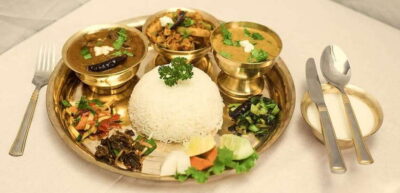
Dal bhat gives the class a second kind of lesson. Where momo practice focuses on making and folding, preparing dal bhat introduces you to a familiar Nepali meal built around lentils and rice. The class frames these dishes as food you can learn to cook, not just items to sample while eating out.
The option to choose other traditional dishes is useful if you have already eaten plenty of momo during your stay or want to try something less familiar. Past menus have included three dishes chosen by participants, but don’t assume every class offers the same choices. The best plan is to ask about the menu when you book, especially if there is one dish you particularly want to learn.
There is usually a dessert as well as the main courses, followed by a tasting session. Complimentary Nepali masala tea is included. Specialty drinks and alcoholic drinks are not, so budget separately if you want something beyond the tea and the food you prepare.
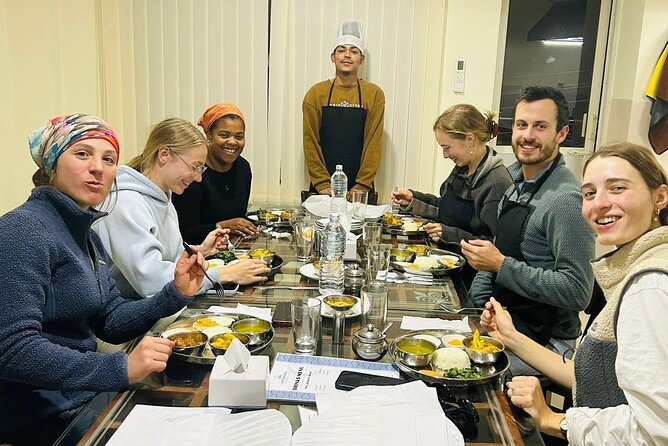
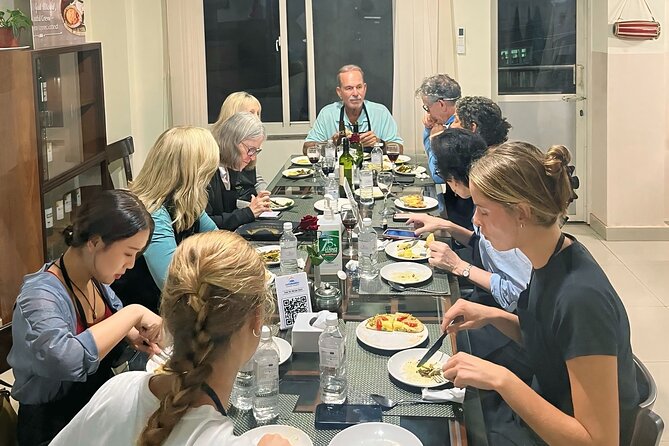
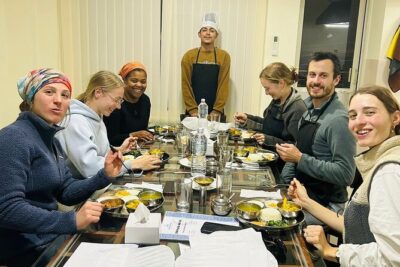
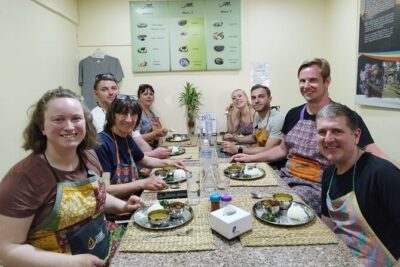
The finished meal is a real part of the class, not an afterthought. You sit down to eat in the academy’s kitchen and dining space, sharing the dishes made during the session. Bring your appetite: the meal is the payoff for several hours of preparation, and one participant’s practical advice was to arrive hungry.
A small class makes the teaching personal
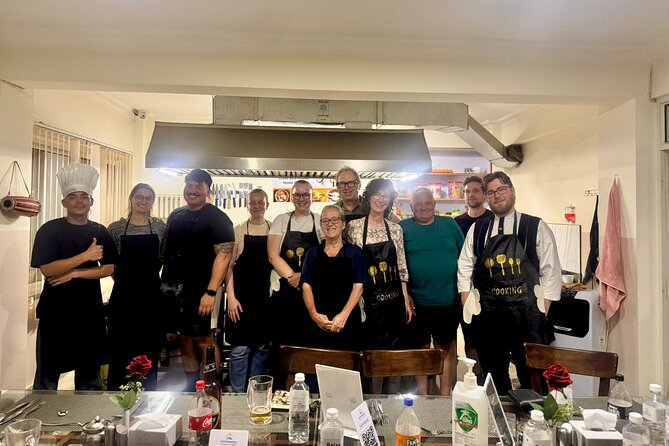
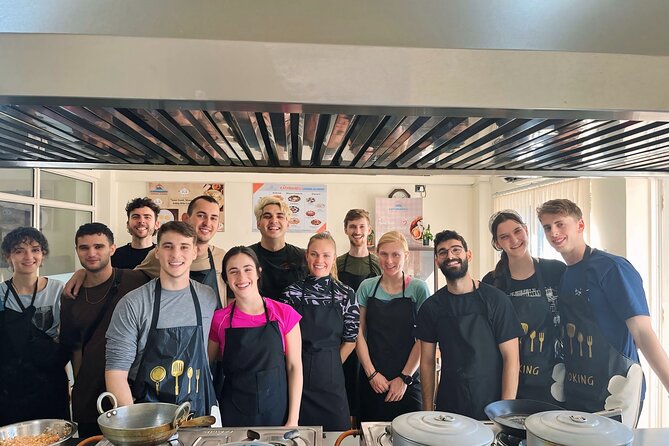
The group is limited to 10 people, and a minimum of two participants may be needed for the class to run. A smaller group gives the instructor more opportunity to help with a tricky fold or explain a cooking step, and it keeps the session from feeling like a demonstration for a crowd. If the minimum is not met, the academy offers another date or a refund.
The academy has been described as clean and well equipped, with cooking tools provided. That takes some pressure off your packing: you do not need to bring utensils or special gear. Wear comfortable clothing, since you will be actively cooking, and bring a camera if you want photos. Professional photos and videos are not included, though they may be available for an additional fee.
The pace is another point in the class’s favor. Cooking sessions have been described as unhurried, with patient instruction and time to prepare multiple dishes. Still, three hours in the kitchen is a substantial block of a Kathmandu day. If you have a tight schedule, keep the full three-to-four-hour duration in mind, including the market visit and meal.
More Kathmandu tours in Kathmandu:
- Everest Base Camp Trek – 14 Days
★ 5.0 · 1,499 reviews - Private Kathmandu Sightseeing Tour | UNESCO World Heritage sites
★ 5.0 · 756 reviews - Everest Base Camp Helicopter Tour landing at Everest View Hotel
★ 5.0 · 668 reviews - Everest Base Camp Trekking
★ 5.0 · 485 reviews
Is $4 a good value?
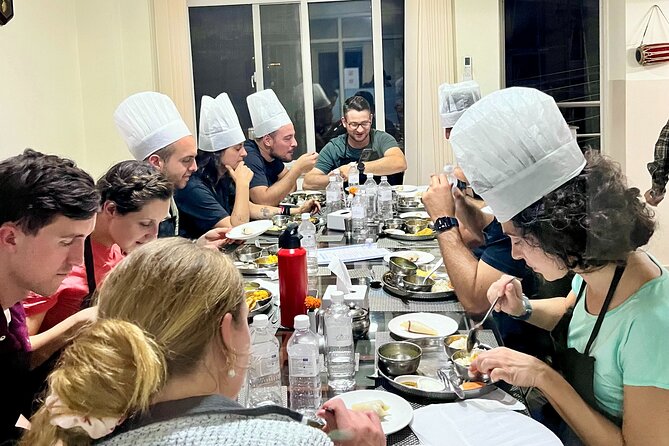
The stated price is $4 per person, which is low for a three-to-four-hour activity that includes a market stop, instruction, use of equipment, a prepared meal, and masala tea. At that price, the class offers more than a recipe lesson: you get an introduction to ingredients, a chance to practice, and lunch or dinner that you helped make.
Check the price and selected option before booking, particularly if you want hotel pickup. Pickup is optional, and specialty drinks and professional photos or videos cost extra. The listed price is the starting point for judging value, not a reason to assume every add-on is included.
The lasting value is practical. You leave with cooking experience and recipes or techniques you can try at home, rather than only a meal that disappears once you finish eating. That makes the class especially worthwhile if you like learning by doing or want a low-key cultural activity that connects food with everyday life.
Who will enjoy this class most?
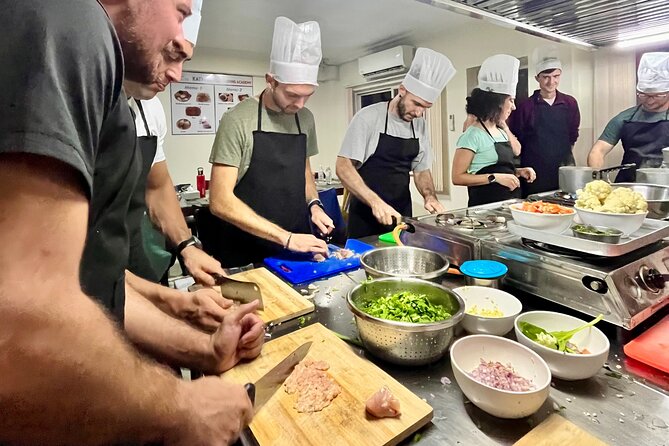
This is a strong choice for food lovers, curious beginners, and anyone who wants a break from sightseeing that still feels connected to Nepal. It suits solo participants, couples, and small groups who enjoy preparing a meal together. The group cap of 10 helps keep the class personal, while the option to choose dishes gives you some say in what you learn.
It may be less suitable if you want a quick activity, prefer not to cook, or have a packed day. The class is not suitable for children under 5 or people over 95. It is listed as wheelchair accessible, and you should share dietary restrictions or preferences in advance so the academy can plan around them.
For the easiest start, meet at the academy if you are staying nearby, or select pickup if you want transport arranged from your Kathmandu Valley address. Either way, arrive early and come ready to participate.
Should you book it?
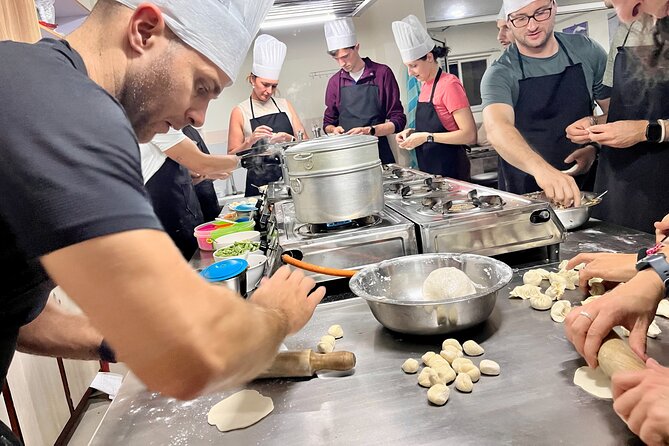
Book this class if you want to learn how Nepali dishes are made, not merely order them at a restaurant. The strongest reasons are the market stop, patient step-by-step teaching, hands-on momo folding, and the chance to eat several dishes you prepared yourself. The small group and low stated price add to the value.
Skip it if you have only a short window in Kathmandu or would rather spend your time on a non-food activity. If you do book, ask about the menu and flag dietary needs in advance. Then show up hungry: you will have earned the meal.
FAQ
How long does the cooking class last?
The class is listed as three to four hours. The market visit, cooking, and meal together typically take about three hours.
Where does the class meet?
The meeting point is Kathmandu Cooking Academy in the Thamel area, about a 10-to-15-minute walk from Thamel. Look for the sign outside the building and arrive at least 15 minutes early.
Is hotel pickup included?
Pickup and drop-off are optional. If you select that option, a driver can meet you at an address within Kathmandu Valley.
Which dishes will I learn to cook?
Momo and dal bhat are the main dishes. Additional traditional options may be available, including dishes such as bara and yomari. Tell the academy in advance if you have a particular dish or dietary preference in mind.
Is food or tea included?
You eat the meal you prepare, and Nepali masala tea is included. Specialty drinks and alcoholic drinks are not included.
How many people are in each class?
The group is limited to 10 participants. A minimum of two participants may be required for the class to take place.
Can I cancel for a refund?
You can cancel up to 24 hours in advance for a full refund.
Newly listed in Kathmandu
- Traditional Momo Making Class★ 5.0 · 10 reviews
- Walking tour of real Kathmandu through back streets.★ 5.0 · 3 reviews
- Kathmandu 2 Nights 3 Days Chitwan Jungle Safari Tour★ 5.0 · 9 reviews
- Visit Swayambhunath and Bauddhanath Stupa with Guide★ 5.0 · 5 reviews
- Walking tour of Kathmandu with awesome local guides★ 5.0 · 4 reviews
- Kathmandu Street Food Walking Tour – Eat Like a Local★ 5.0 · 3 reviews
- Private Manaslu Circuit Trek at Himalayas★ 5.0 · 3 reviews
- Kathmandu to Pokhara Vip Sofa Bus Ticket★ 4.0 · 4 reviews
Kathmandu Cooking Classes, compared.
The best Private Nepali Cooking Class in Kathmandu
Read our review →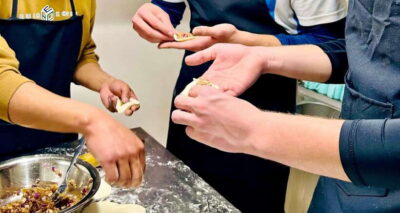
Best Nepali Cooking Class in Thamel with Local Market Trip
Read our review →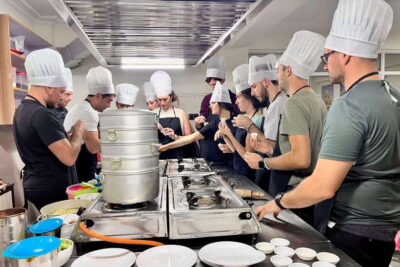
Women-Led Cooking Class & Momo Making-Local Taste
Read our review →Browse the lists this tour appears in