
Reviewed · KATHMANDU COOKING CLASSES
Kathmandu: Local Women-Led Nepali Cooking & Momo Class
Kathmandu’s best souvenir might be a skill you can use back home: folding a momo, seasoning its filling, and making the dipping sauce that gives it a proper kick. I like that this class starts with a market visit, then turns the shopping into a hands-on lesson, and that instructors such as Nish and Bikram guide the cooking in clear, friendly English.
I also like the choice to add dishes beyond the main focus of momo and dal bhat, so you can shape the meal around your appetite and interests. One thing to plan for: the class is not a quick snack stop. It usually takes about three hours, and the location may involve stairs or a steep approach depending on where you’re staying and how you get there.
What makes this class worth your time
- Shop before you cook: Walk to local stalls or shops to choose vegetables, spices, and other ingredients for the meal.
- Make momos from scratch: Prepare the dough, filling, and dipping sauce, then learn the folding technique.
- Build a Nepali meal: Dal bhat is the central meal option, with chicken or vegetarian momos and other dishes available to choose from.
- Cook alongside local instructors: Nish and Nishma lead many classes, with Bikram and other team members also teaching.
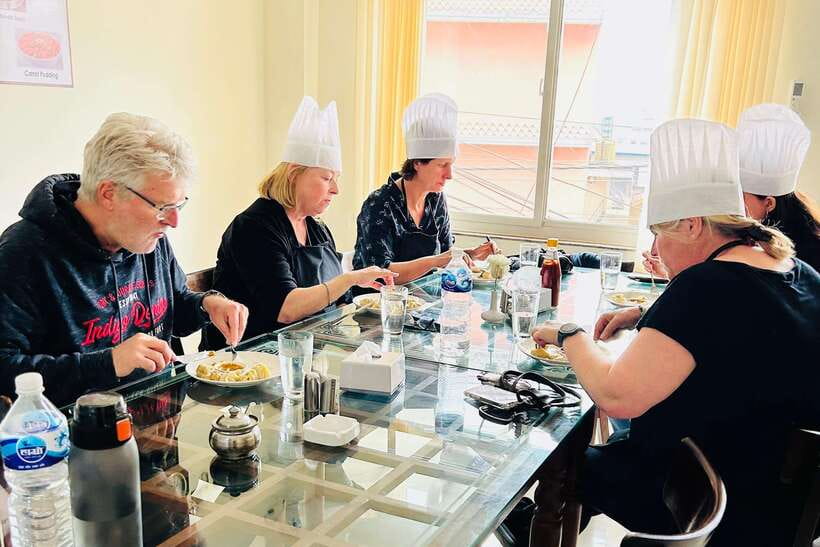
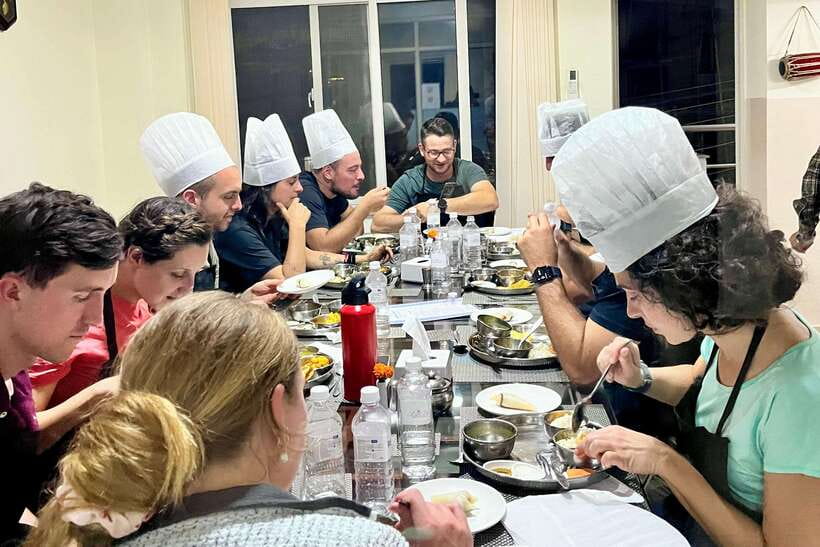
- Expect a proper meal: You eat the food you make, and portions can be generous enough to take leftovers away.
- Plan for roughly three hours: The visit, cooking, and meal take time, so arrive hungry and leave room in your schedule.
From Thamel’s food stalls to your cooking station
The experience is based in Thamel, Kathmandu’s well-known visitor district. Your exact starting point depends on the option you book, so check the meeting details in advance. Hotel pickup and drop-off are available if included in your chosen option, and pickup can be arranged from locations within Kathmandu.
The class generally begins with a walk to a local market or shop to buy ingredients. This is a useful change of pace from simply arriving at a kitchen with everything laid out. You see what goes into the meal before cooking begins, and you can connect the spices and produce on the counter with the flavors you’ll taste later.
The market stop is practical rather than a separate sightseeing tour. The focus is on choosing the ingredients needed for the class, not on spending hours touring food stalls. If you want a detailed explanation of every unfamiliar vegetable or spice, ask as you go. Some dishes may receive more explanation than others, and the walk itself is part of a cooking lesson, not a full market seminar.
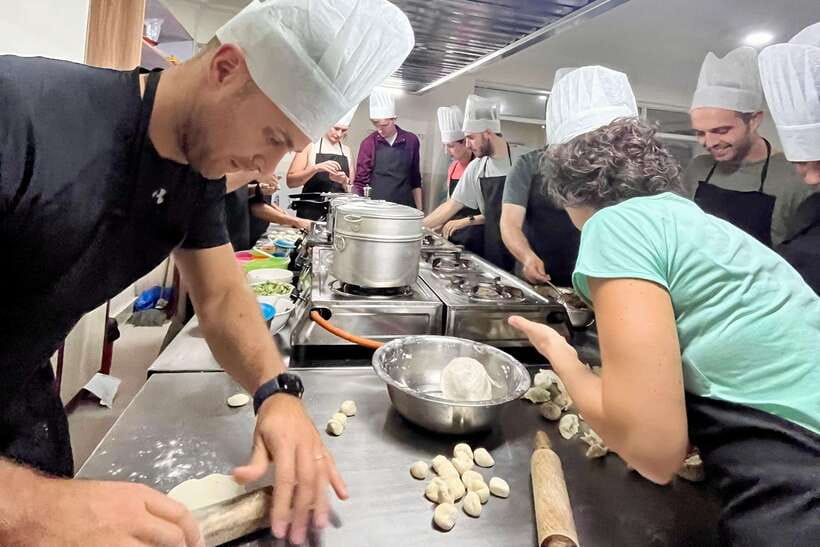
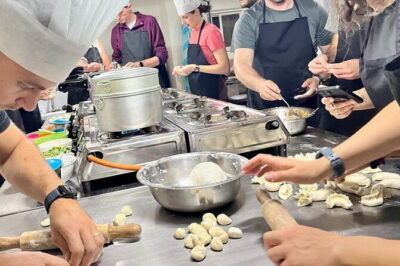
Then it’s back to the kitchen for the hands-on portion. Equipment and cooking accessories are provided, and aprons are available. The class is designed to be small enough for personal guidance, though the exact group size may vary. In a group, you may share tasks, which makes the cooking social and keeps the work moving. If you prefer to handle every step yourself, say so early and ask where you can get involved.
More cooking classes in Kathmandu:
- Half day cooking class in Thamel kathmandu
★ 5.0 · 607 reviews - Kathmandu: Local Lead Nepali Cooking & Momo-Making Class
★ 5.0 · 212 reviews - The best Private Nepali Cooking Class in Kathmandu
★ 5.0 · 83 reviews
Making momos, one fold at a time
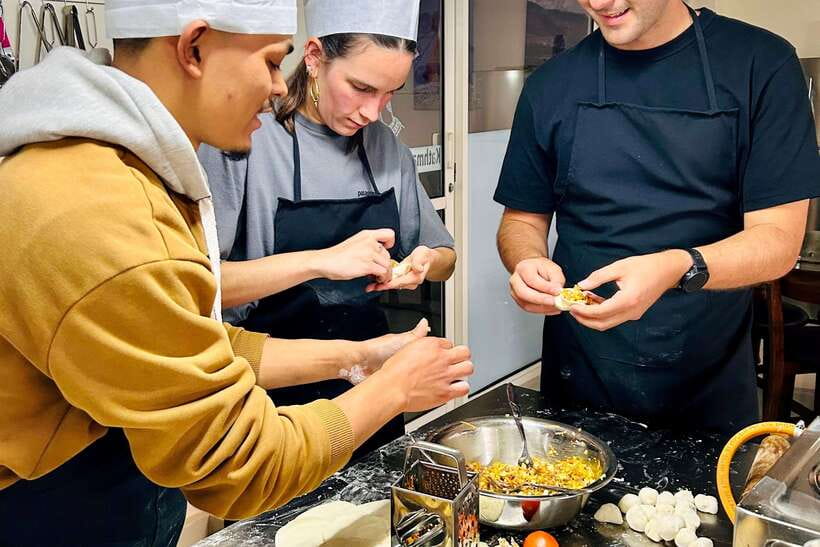
Momos are the star attraction, and for good reason. These dumplings are familiar across the region, but the class gives you a chance to learn how they are prepared in a Nepali kitchen rather than just ordering a plate. You work with the dough and filling, form the dumplings, and prepare a dipping sauce.
The folding takes practice. Don’t worry if your first momo looks more like a small parcel than a neat crescent. Instructors such as Nish are praised for patient, unrushed teaching, and the class is meant for beginners as well as people who already enjoy cooking. You can ask questions as you work, and the instructors explain each stage rather than leaving you to copy silently.
The filling can be vegetarian or meat-based, depending on the menu you choose. Some classes prepare both, while others focus on one option. Tell the team about dietary requirements before the class, especially allergies or medical concerns, so they can discuss what is possible. A participant with both vegan and gluten-free needs was accommodated, but it is still sensible to confirm your own requirements in advance.
The finished momos are eaten as part of the meal. You may make more than you can comfortably finish, so arrive hungry. One practical bonus: leftovers can sometimes be packed to take away, though you should not count on a take-home portion as a formal part of the experience.
Dal bhat and the wider Nepali menu
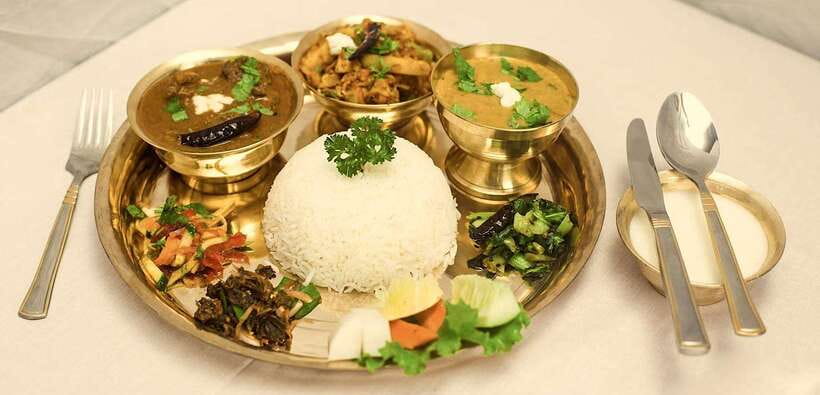
Dal bhat, a combination of rice and lentil soup served with curry, is another central dish. It is a good introduction to everyday Nepali dining because it shows how a meal can bring together several simple components. You learn not just how to cook the individual parts, but how they work together on the plate.
The menu can extend well beyond dumplings and rice. Depending on the selected dishes, you might make chatamari, a flatbread often compared with Nepali pizza, or bara, a crisp lentil patty. Other possibilities include chicken curry with roti, thukpa noodle soup, mushroom choila, yomari filled with jaggery and sesame, and carrot pudding.
You should not assume every class includes all these dishes. The class focuses mainly on momos and dal bhat, and additional dishes can be selected. Ask which menu is available when booking, particularly if you have your heart set on a specific recipe. The range makes the activity more flexible, but it also means the precise meal can differ from one session to another.
Masala tea is served during the lesson. It is a welcome pause between cooking tasks, and a small taste of a familiar Nepali drink. Specialty drinks and alcohol are not included, so plan to pay separately if you want something beyond the tea and the food you prepare.
A welcoming lesson, not a restaurant demonstration
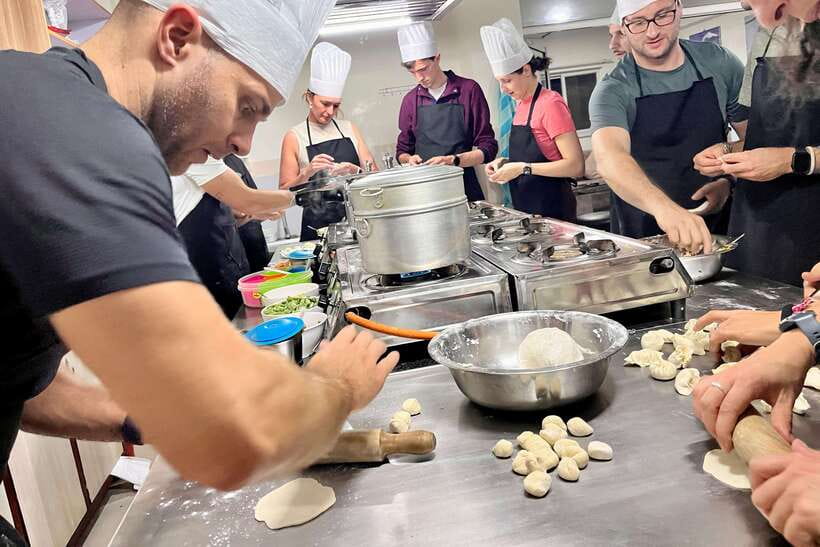
The strongest part of this class is its teaching style. The cooking is led by local instructors, with Nish and Nishma frequently taking the lead and Bikram among the other team members. The atmosphere is relaxed and conversational, and the instructors are known for patience, humor, and clear step-by-step explanations.
That matters if you are new to cooking. A demonstration can be entertaining, but you learn more when you handle the dough, mix the filling, and take part in the prep yourself. Here, the emphasis is on doing the work, with guidance close at hand. You can ask questions about techniques and ingredients, and the class gives you time to talk with the instructors and other participants.
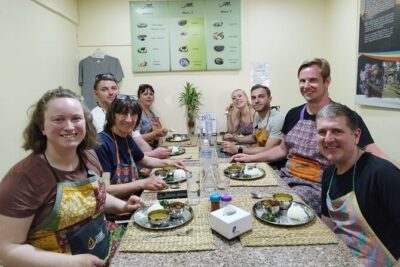
It also suits people traveling alone. The group setting gives you easy company without requiring you to arrive with a friend. Couples, families, and groups of friends can enjoy it together, too. The class is a social activity, but the food remains the point: you’re there to cook, taste, and learn, not just to sit through a talk about cuisine.
English is the listed teaching language. The instructors are described as easy to communicate with, but if you have a question about a particular ingredient or cooking method, ask it while that step is happening. That is the best moment to understand what you are doing and how to repeat it later.
More Kathmandu tours in Kathmandu:
- Everest Base Camp Trek – 14 Days
★ 5.0 · 1,499 reviews - Private Kathmandu Sightseeing Tour | UNESCO World Heritage sites
★ 5.0 · 756 reviews - Everest Base Camp Helicopter Tour landing at Everest View Hotel
★ 5.0 · 668 reviews - Everest Base Camp Trekking
★ 5.0 · 485 reviews
How long it takes, and what the price buys
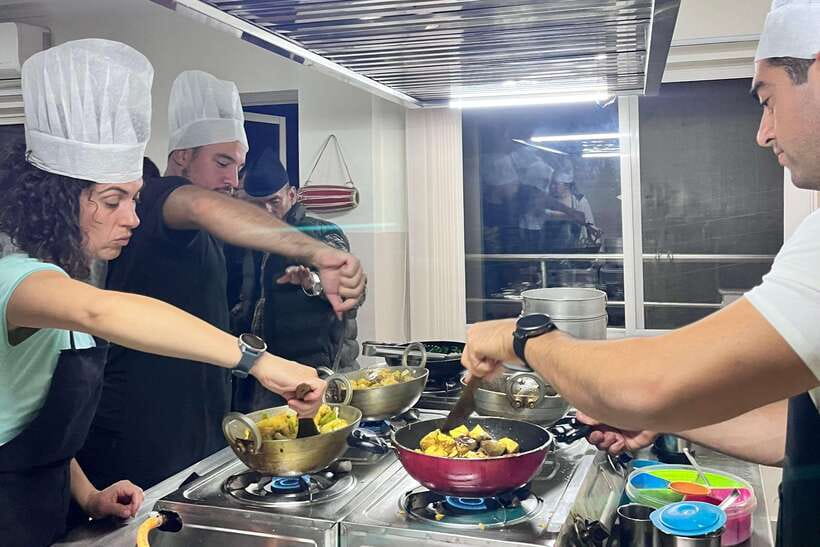
The advertised duration ranges from two to four hours, with the usual session lasting around three hours. That estimate includes the market visit, cooking, and eating. Allow a little flexibility, especially if you have another appointment afterward. A class that ends with a full meal is not likely to feel like a brisk one-hour activity.
The stated price is $4 per person, which is exceptional value for a market outing, instruction, ingredients, use of cooking equipment, masala tea, and the meal you make. Confirm the price and inclusions for your selected option before booking, since pickup is optional and the starting point can vary. Specialty or alcoholic drinks are not included.
The value is not only in the food. You leave with techniques you can try at home, and a better sense of how Nepali flavors and dishes fit together. A recipe PDF is available on request through WhatsApp after the class; physical recipe books can be purchased at an additional cost. If you want to cook the dishes again, ask for the PDF before you leave and make a note of any variations you enjoyed.
Free cancellation is available up to 24 hours in advance, and the reserve-now, pay-later option lets you hold a place without paying immediately. These terms can be useful when your Kathmandu plans are still shifting, but check the conditions attached to your specific booking.
Getting there and preparing for class
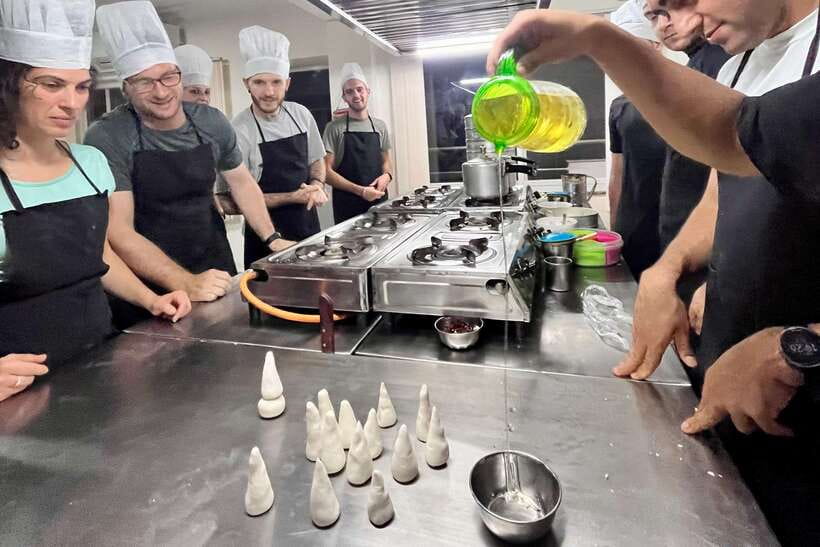
The meeting point depends on the option you choose. If you select pickup, provide your hotel details when booking so the team can coordinate. Otherwise, check the location carefully and arrive 15 minutes before the start time. One attendee found that the route suggested by a map app included a steep hill, and the venue may have stairs, so consider your route and footwear rather than assuming the final walk will be flat.
Wear comfortable clothes suitable for cooking. Equipment and aprons are provided, so you do not need to bring cooking tools. A camera is suggested, though clean hands and a free counter space are more useful once the prep starts.
The class is not suitable for wheelchair users or visually impaired people. If you have allergies, other medical conditions, or dietary needs, contact the team in advance. The kitchen maintains hygiene standards, but telling the instructors early gives them a chance to discuss ingredients and possible adjustments.
Who should book this Kathmandu cooking class?
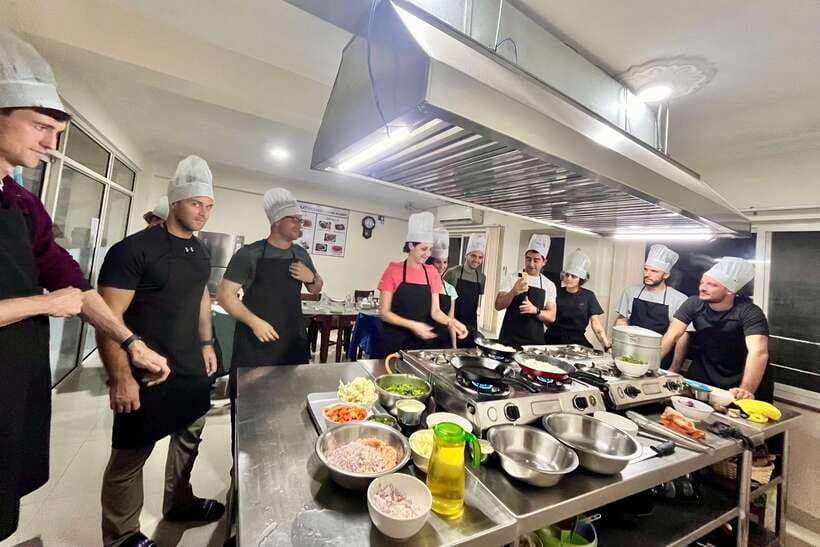
Book it if you want more than a meal out and like the idea of learning a few dishes by doing the work yourself. It is especially well suited to first-time cooks, food-minded visitors, solo travelers who enjoy small-group activities, and anyone keen to take home a practical memory of Nepal.
It is also a sensible choice if your schedule has a free afternoon or evening. The class combines a short local shopping trip with several hours of cooking and eating, so it fills a good part of a day without requiring a long excursion. The friendly, hands-on style makes it easy to join even if you arrive knowing little about Nepali cuisine.
Think twice if you are looking for a fast activity, need step-free access, or want a guaranteed deep explanation of every market ingredient. The menu can vary, too, so confirm your preferred dishes and dietary needs before you commit. For most people who enjoy cooking and sharing a meal, though, this class offers a rare combination: a taste of Kathmandu’s food culture and recipes you can try again at home.
FAQ
How long does the cooking class last?
The experience is listed as two to four hours. The usual class takes about three hours, including the market visit, cooking session, and meal.
Where does the class meet?
The meeting point can vary depending on the option you book. Check your selected option for the specific starting location.
Is hotel pickup available?
Yes. Pickup and drop-off are available if included in the option you select. The provider can arrange pickup from locations within Kathmandu.
What dishes will I learn to cook?
The main focus is momo and dal bhat. Depending on the menu you choose, additional dishes may include chatamari, bara, yomari, thukpa, curry, or carrot pudding.
Can I choose vegetarian food?
Vegetarian and meat options are available, including vegetarian or chicken momos. Tell the team about your preferences or dietary restrictions in advance.
Is the class suitable for beginners?
Yes. The class includes step-by-step instruction and hands-on cooking, and is suitable for novice cooks as well as experienced food enthusiasts.
What language is the class taught in?
The listed teaching language is English.
What should I bring or wear?
Wear comfortable clothing for cooking. Aprons and equipment are provided, and a camera is suggested.
Can I get the recipes afterward?
A recipe book PDF can be shared through WhatsApp after the class if you request it. Physical books are available for purchase at an additional cost.
Newly listed in Kathmandu
- Traditional Momo Making Class★ 5.0 · 10 reviews
- Walking tour of real Kathmandu through back streets.★ 5.0 · 3 reviews
- Kathmandu 2 Nights 3 Days Chitwan Jungle Safari Tour★ 5.0 · 9 reviews
- Visit Swayambhunath and Bauddhanath Stupa with Guide★ 5.0 · 5 reviews
- Walking tour of Kathmandu with awesome local guides★ 5.0 · 4 reviews
- Kathmandu Street Food Walking Tour – Eat Like a Local★ 5.0 · 3 reviews
- Kathmandu to Pokhara Vip Sofa Bus Ticket★ 4.0 · 4 reviews
- Regular Yoga for all levels of practitioners in Kathmandu★ 5.0 · 4 reviews
Kathmandu Cooking Classes, compared.
The best Private Nepali Cooking Class in Kathmandu
Read our review →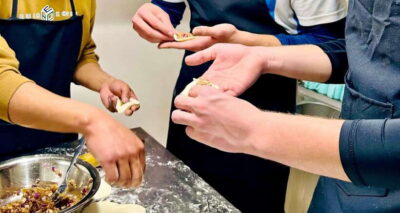
Best Nepali Cooking Class in Thamel with Local Market Trip
Read our review →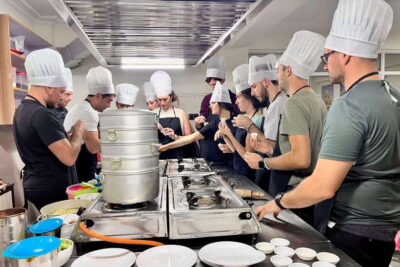
Women-Led Cooking Class & Momo Making-Local Taste
Read our review →
Momo Making Class in Kathmandu with Pickup & Drop off from Hotel
Read our review →Browse the lists this tour appears in