
Reviewed · KATHMANDU COOKING CLASSES
Momo, Dhalbhat & Thukpa Cooking Class, Nepal
The best part of this Kathmandu-area cooking class starts before anyone turns on a stove: Esther Rai takes you to a local vegetable market to choose ingredients and talk with sellers. Then you return to cook Nepali dishes together, with Patan’s historic quarter close by.
I like two things in particular: the market visit makes the meal part of daily life, not just a recipe lesson, and Esther can adjust the menu to suit requests. The class is also small, capped at 10, so you should have room to take part.
One consideration: the menu may involve some preparation already done for you, so this may not be a fully hands-on class from the first chop to the last fold. If you want to cook every component yourself, ask Esther what will be ready before you arrive.
- Market first: Shop for vegetables with Esther and meet local sellers before cooking.
- Three Nepali staples: Learn to make momo, dal bhat and thukpa, with other menu requests possible.
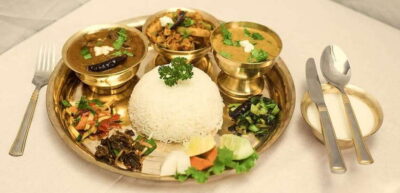
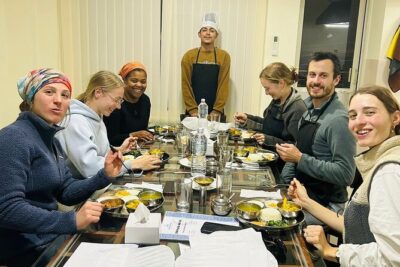
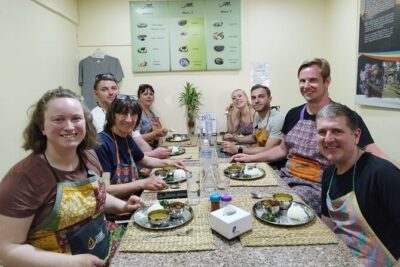
- Eat what you make: The session ends with a shared meal prepared during class.
- Patan setting: The class is about a five-minute walk from Patan Durbar Square, near the Golden Temple.
- Small group: No more than 10 people can join, and the activity takes about three hours.
- Good value: At $25 per person, the price includes a market outing, cooking instruction and lunch or an early meal.
From Patan’s market to the cooking table
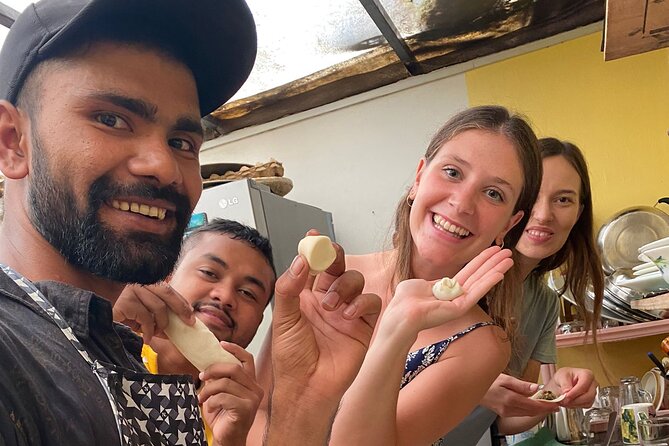
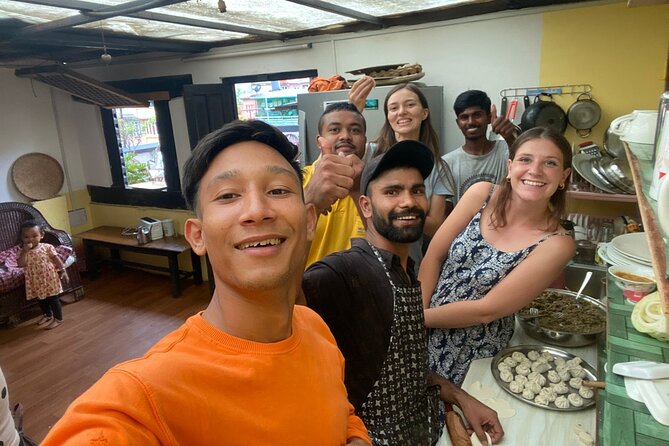
This class makes cooking a way into Nepali food and home life. Esther Rai says her interest began in the kitchen with her mother and sister, and she started teaching during the Covid-19 period to help support her family. That personal connection gives the session a different feel from a demonstration in which you watch a chef work and then go elsewhere to eat.
You begin with a visit to a local vegetable market. Esther takes you to buy ingredients and gives you a chance to interact with the sellers. That small errand matters: you see the produce before it becomes part of a dish, and you can ask questions about unfamiliar ingredients in the place where they are sold.
The market visit also gives the class a useful rhythm. Instead of arriving at a prepared kitchen and jumping straight into instructions, you first get a glimpse of the everyday food economy around Patan. The exact market route and length are not specified, so keep your expectations flexible, but the stated purpose is to shop and meet local vendors.
Afterward, you practise making the dishes and eat once the food is ready. The class is listed at about three hours in total. That gives you a compact introduction to shopping, preparation and the finished meal, without taking up an entire day of your Kathmandu schedule.
What the three dishes teach you
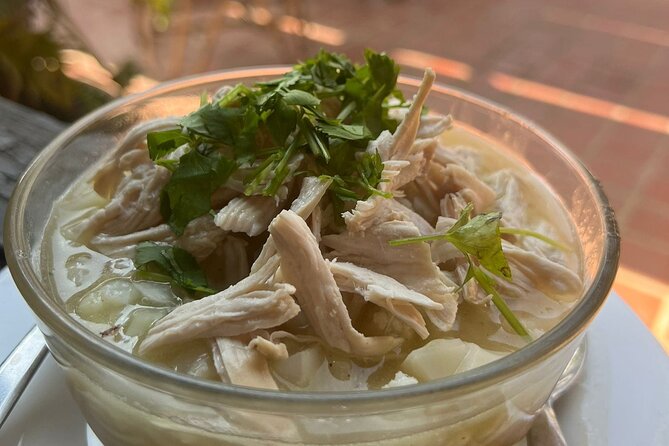
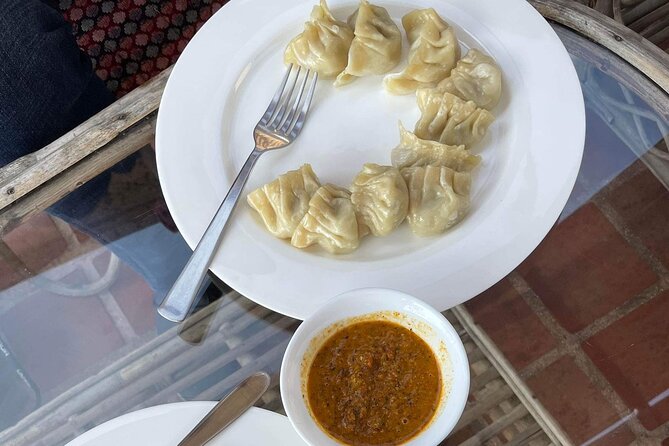
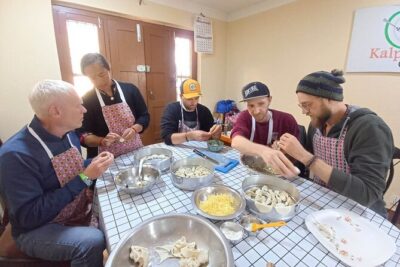
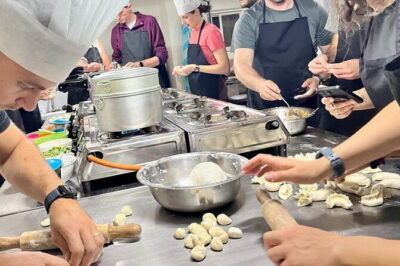
The advertised menu covers momo, dal bhat and thukpa, three familiar parts of Nepali food culture. Momo are dumplings, dal bhat is a meal built around lentils and rice, and thukpa is a noodle soup. The class aims to teach you how to make them, not simply serve you a plate and leave you guessing about what went into it.
There is room for some variation. Esther says she can set the menu according to a request, and one class has included momo, chicken curry and dal bhat. If a particular dish matters to you, it is sensible to ask about it ahead of time rather than assume every session covers the same list.
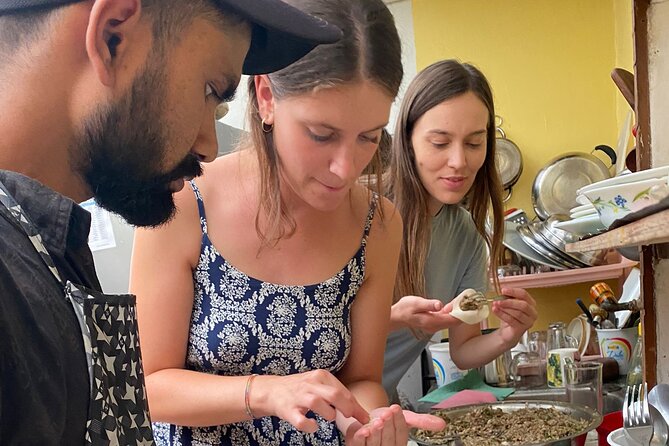
The emphasis is on practice, but the amount of hands-on work may vary. One participant was disappointed that some tasks had already been done, while other accounts describe learning to cook a complete meal. That is a fair point to clarify before booking: you may be invited to shape momo or help prepare components, but the available details do not promise that every step is done from scratch in front of you.
Still, a little advance preparation is not necessarily a flaw. It can help a short class stay within its three-hour window and leave enough time to eat together. If you are most interested in technique, tell Esther so she can explain which stages you will handle and which will be ready.
More cooking classes in Kathmandu:
- Half day cooking class in Thamel kathmandu
★ 5.0 · 607 reviews - Kathmandu: Local Women-Led Nepali Cooking & Momo Class
★ 4.9 · 360 reviews - Kathmandu: Local Lead Nepali Cooking & Momo-Making Class
★ 5.0 · 212 reviews
Patan’s setting adds more than a kitchen
The meeting point is in Nagabahal, Lalitpur, and the cooking location is described as about a five-minute walk from Patan Durbar Square. The listed itinerary includes the Golden Temple, also called Hiranya Varna Mahavihar, and Patan. Those names place the experience in a historic part of the Kathmandu Valley, rather than in the tourist centre of Thamel.
The main activity, however, is market shopping and cooking. The available details do not spell out a separate guided sightseeing visit inside the Golden Temple or around Patan Durbar Square. Treat the nearby landmarks as useful context and an opportunity to explore before or after class, not as a guaranteed history tour.
That distinction matters when planning your day. If you want a focused food activity with a local setting, the location is a plus. If you expect a full walking tour of Patan’s temples and courtyards as part of the three hours, check what is included before you book.
Patan also makes a good counterpoint to time spent in Thamel. The class offers a reason to get beyond the main visitor hub, while keeping the cooking experience close to a well-known area. You can pair it with your own exploration of Patan, but allow extra time for that rather than counting on the cooking session to cover it all.
Learning from Esther and her family
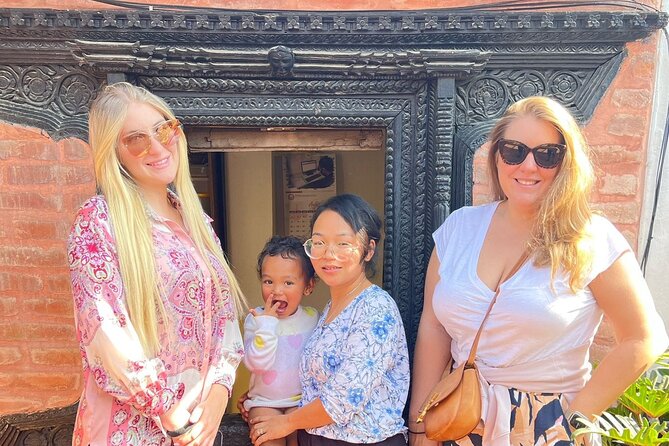
Esther is the central guide and teacher. The class is rooted in her own enjoyment of cooking and sharing food, and the experience is described as taking place with family or a collaborator. Amos is also named in connection with the class, though the exact staffing can vary. You can expect a welcoming, personal atmosphere rather than a large commercial kitchen operation.
The food itself is a major draw. The dishes are cooked and eaten together, and the meal can be a highlight even if you have already tried Nepali food elsewhere. One particularly useful detail from the experience is the chance to encounter new spices and hear about customs, family life and other parts of Nepali culture while cooking.
That informal conversation is part of the value. Food questions often lead to practical discussions about what people eat at home, how ingredients are used and how family traditions shape a meal. You should not expect a formal lecture, but you can make the most of the time by asking Esther about the dishes as you prepare them.
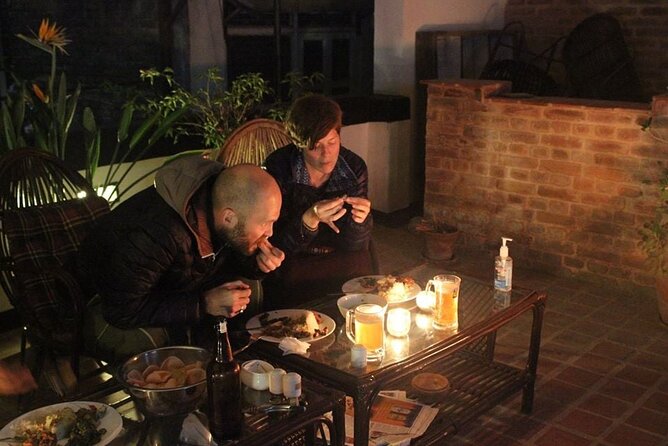
A class may take place in a rooftop cooking space, as one participant described. That sounds appealing, but it is not stated as a guaranteed feature, so do not book solely for a rooftop setting. The dependable draw is the market visit, the cooking and the meal.
Is $25 a fair price?
At $25 per person, this is a strong-value half-day activity if you want more than a restaurant meal. The price gets you a market visit, instruction in several Nepali dishes, a small-group setting and food to eat at the end. You are also spending time with someone who cooks these meals and enjoys teaching them, which is a more personal exchange than ordering from a menu.
The value depends on what you want to learn. If your priority is a polished, step-by-step culinary course with every ingredient prepared in front of you, the uncertainty about how much prep is done may matter. If you want a friendly introduction to local food, a chance to shop with a local cook and a meal you helped make, the price is easier to justify.
The group limit of 10 helps keep the class from becoming a crowd, though it is not a private lesson. You can book it as a solo visitor or with company, but do not expect one-on-one attention throughout if the group is full.
The activity averages about six days’ advance booking, which is useful context if you are arranging a short stay. Confirmation is provided at booking, and the ticket is mobile. It is near public transportation, though no specific route or transport directions are provided.
More Kathmandu tours in Kathmandu:
- Everest Base Camp Trek – 14 Days
★ 5.0 · 1,499 reviews - Private Kathmandu Sightseeing Tour | UNESCO World Heritage sites
★ 5.0 · 756 reviews - Everest Base Camp Helicopter Tour landing at Everest View Hotel
★ 5.0 · 668 reviews - Everest Base Camp Trekking
★ 5.0 · 485 reviews
Who will enjoy this class most?
I would choose this class if you like understanding a place through food and are happy to participate in a casual, home-style lesson. It suits curious cooks, first-time visitors to Nepali cuisine and anyone who wants an activity that takes them beyond the usual restaurant routine.
It is also a good fit for people who value conversation as much as technique. You can learn recipes while hearing about local customs, family and life in Nepal. The small cap and the chance to meet market sellers make the experience feel more connected to its setting than a class that begins and ends indoors.
It may be less suited to you if you need a guaranteed menu, have strong dietary requirements that have not been discussed, or want every step to be hands-on. The available details do not specify dietary accommodations or promise that all preparation happens during class. Ask before booking if those points are important.
The weather also matters. The activity requires good weather, and a cancellation for poor conditions offers a different date or a full refund. That is worth bearing in mind if your schedule in Kathmandu is tight.
Should you book Esther’s cooking class?
Book it if you want a relaxed, affordable introduction to Nepali cooking that includes a market visit and a meal you help prepare. Its strongest points are Esther’s personal approach, the chance to meet local sellers and the combination of familiar dishes such as momo and dal bhat with conversation about Nepali life.
Before you commit, ask how much of the preparation you will do yourself and whether the menu can include the dishes you most want to learn. If you are comfortable with a flexible, social class rather than a tightly scripted cooking course, this is a practical way to spend three hours in Patan.
FAQ
How long is the cooking class?
The activity lasts about three hours.
What dishes can I learn to make?
The advertised dishes are momo, dal bhat and thukpa. Esther also offers menu changes by request; a class has included chicken curry.
Does the class include a market visit?
Yes. Esther takes you to a local vegetable market to buy ingredients and interact with sellers before cooking.
Where does the class meet?
The meeting point is Nagabahal, Nyadha Galli, Lalitpur 44600, Nepal. The activity ends back at the meeting point.
How many people can join?
The maximum group size is 10 people.
How much does the class cost?
The listed price is $25 per person.
Is the class close to Patan Durbar Square?
Yes. The cooking location is described as about a five-minute walk from Patan Durbar Square. The listed stops also include the Golden Temple and Patan.
What happens if bad weather cancels the activity?
You will be offered a different date or a full refund if the activity is canceled because of poor weather.
Newly listed in Kathmandu
- Traditional Momo Making Class★ 5.0 · 10 reviews
- Walking tour of real Kathmandu through back streets.★ 5.0 · 3 reviews
- Kathmandu 2 Nights 3 Days Chitwan Jungle Safari Tour★ 5.0 · 9 reviews
- Visit Swayambhunath and Bauddhanath Stupa with Guide★ 5.0 · 5 reviews
- Walking tour of Kathmandu with awesome local guides★ 5.0 · 4 reviews
- Kathmandu Street Food Walking Tour – Eat Like a Local★ 5.0 · 3 reviews
- Private Manaslu Circuit Trek at Himalayas★ 5.0 · 3 reviews
- Kathmandu to Pokhara Vip Sofa Bus Ticket★ 4.0 · 4 reviews
Kathmandu Cooking Classes, compared.
The best Private Nepali Cooking Class in Kathmandu
Read our review →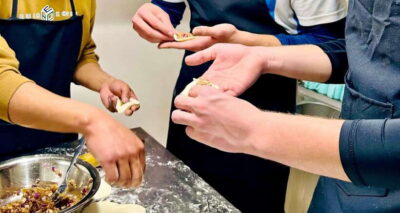
Best Nepali Cooking Class in Thamel with Local Market Trip
Read our review →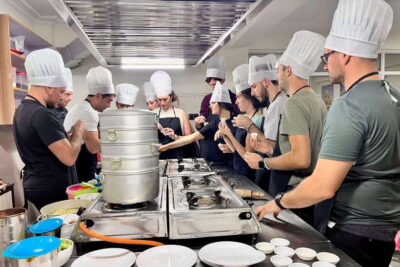
Women-Led Cooking Class & Momo Making-Local Taste
Read our review →Browse the lists this tour appears in