
Reviewed · NEPAL TREKKING TOURS
4 Days Pikey Peak Trek : The Best View of Mt Everest
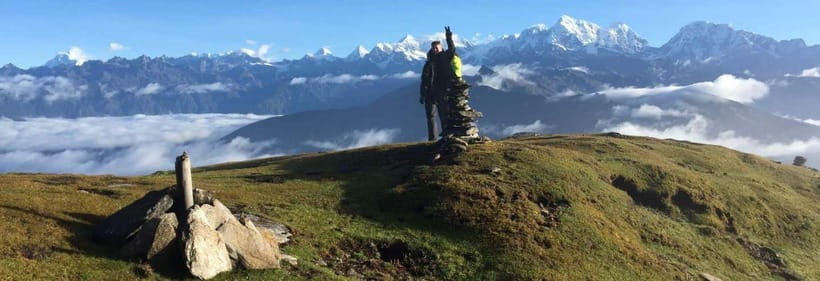
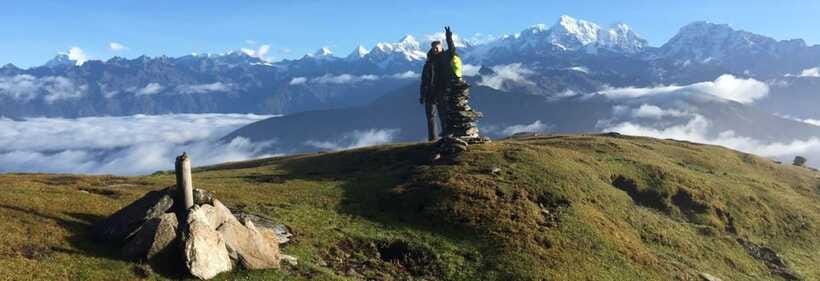
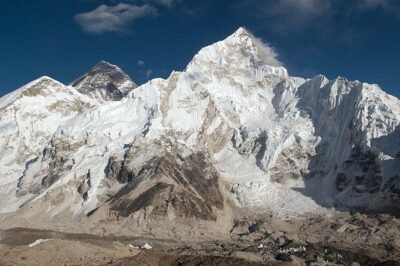
Pikey Peak’s great reward comes early: a sunrise from 4,065 meters, with Everest among a wide sweep of Himalayan summits. You get a high mountain view without committing to a long Khumbu trek, though clear skies are never guaranteed.
I like two things about this route: its quiet trails pass through Sherpa villages and Buddhist sites, and the summit panorama can reach from Kanchenjunga in the east to Dhaulagiri in the west. Guides on recent trips have included Pemba, Sukbir Tamang and Ngima Chhechi Sherpa.
The catch is the journey time. The drive from Kathmandu to Dhap takes about seven to nine hours, and the return is just as long. The walking days are also substantial, especially the summit day, so this is short on the calendar, not effortless.
The details that matter on this four-day trek
- The summit sits at 4,065 meters. Expect a real mountain climb and take altitude symptoms seriously, even on a short itinerary.
- The Everest view comes with a broad Himalayan panorama. On a clear day, you may see peaks including Dhaulagiri, Everest and Kanchenjunga.
- The trail runs through Sherpa country. Villages, monasteries, stupas and stone walls give the walk cultural interest beyond the summit.
- Day three is the toughest stretch. The hike to Pikey Peak and the descent to Jhapre together take about seven hours.
- The $350 price covers important logistics. A private vehicle, guide, permits, lodge accommodation and breakfast are included; other meals and a porter are not.
- The approach road eats up time. Plan for a long drive each way between Kathmandu and Dhap.
Why Pikey Peak suits a short Himalayan break
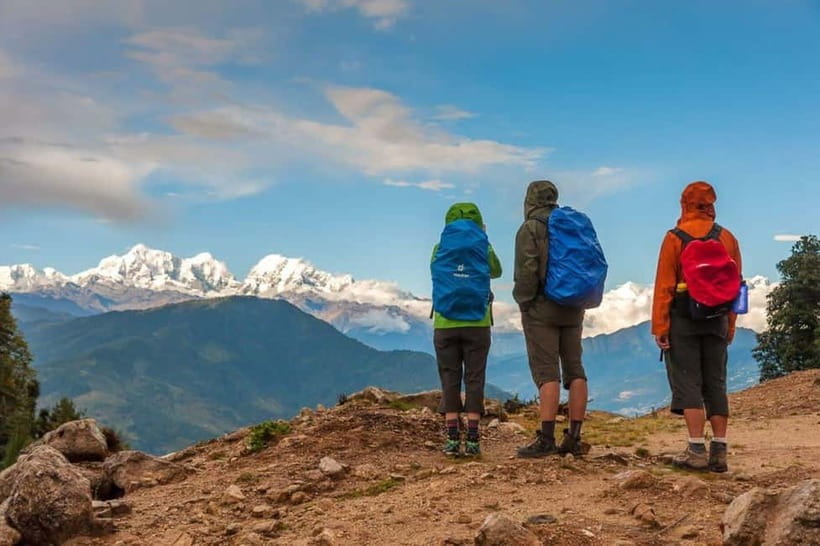
Pikey Peak is a practical choice if you want a taste of the Himalayas but cannot spare the time for a longer trek. The four-day format links Kathmandu with a high ridge, mountain villages and an early summit start. You still get a proper walking trip, rather than a quick roadside viewpoint.
The route is in the Lower Khumbu region, away from the busier trekking corridors. That quieter setting is part of the appeal. You pass through villages and woodland, then climb into more open high country, with the changing scenery making the days feel varied.
Do not mistake short for easy. The summit is at 4,065 meters, and the days include several hours on foot. The itinerary is presented as suitable for beginners and families, but your comfort with long walks, altitude and basic lodging matters more than the label. If you are new to trekking, be ready to go slowly and tell your guide if you feel unwell.
More multi-day treks in Kathmandu:
- Everest Base Camp Trek – 14 Days
★ 5.0 · 1,499 reviews - Everest Base Camp Trekking
★ 5.0 · 485 reviews - Everest Base Camp Trekking – 13 Day
★ 5.0 · 365 reviews
Day one: Kathmandu to Dhap, then on to Jhapre
The trip starts with pickup in Thamel and a long drive to Dhap Bazaar. The road follows the Sunkoshi River and passes forests, rivers and terraced fields. It offers a look at the countryside outside Kathmandu, but it is a demanding transfer. Allow about seven to nine hours for the drive, and do not plan a busy evening after reaching the trailhead.
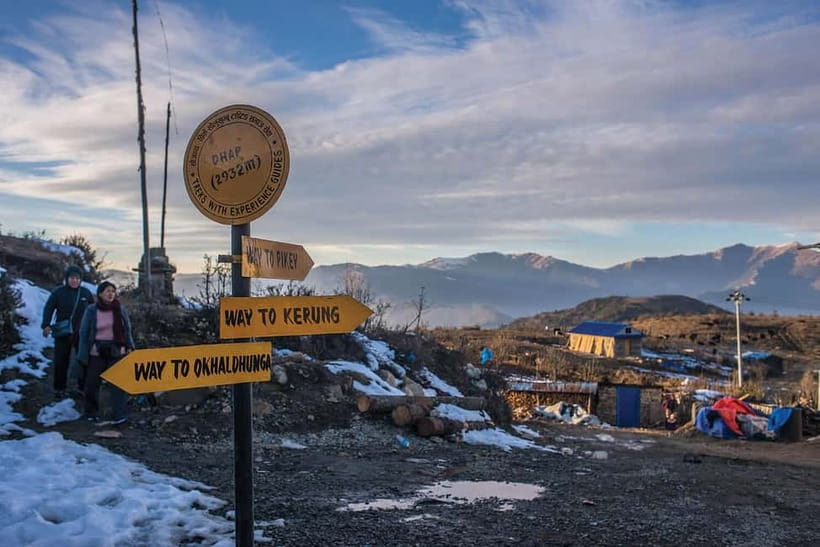
From Dhap, you walk toward Jhapre, at 2,820 meters. This first hike takes around two hours. Along the way, the route passes Kerung, a village with Tibetan influence, and Buddhist monasteries. The mix of village life and religious sites gives the trek a cultural start before the climb grows more strenuous.
You spend the night in a local lodge in Jhapre. Accommodation is basic but cozy, with twin-sharing rooms and blankets. Breakfast is included, but lunch, dinner and drinks are at your own expense. It is worth carrying Nepali rupees, since there are no ATMs on the trail.
Day two: Climbing from Jhapre to Pikey Base Camp
The second day is a longer uphill walk, about six hours, to Pikey Base Camp at 3,640 meters. The route passes stone walls, old stupas and Buddhist monasteries. As you gain height, the setting shifts from settled village country toward open alpine ground.
Base camp is the trek’s second-highest point and a useful place to rest before summit day. The elevation is already high enough that pacing matters. Drink water, take your time and pay attention to how you feel. A headache, nausea or unusual fatigue can be signs of mild acute mountain sickness, or AMS.
The overnight stop is in a lodge, where facilities are simple. Some lodges have hot showers for an extra charge. Electricity can be limited or solar-powered, so charge devices when you can rather than assuming you will find a convenient socket later.
Day three: Sunrise at Pikey Peak, then back to Jhapre
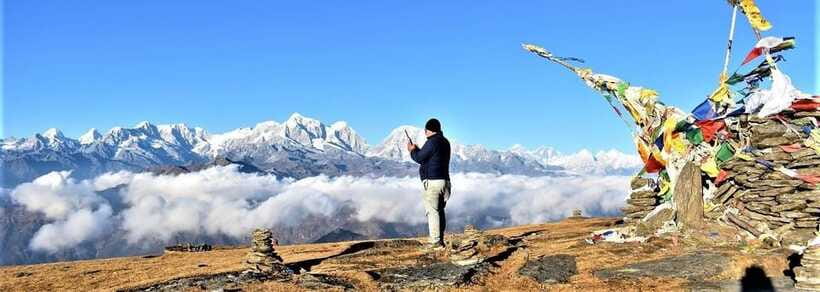
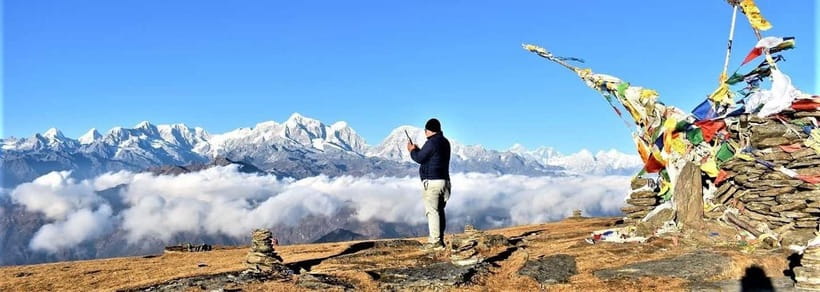
Summit day begins with an early climb. From base camp, the ascent to Pikey Peak takes about an hour and a half. The goal is to reach the summit for sunrise, when the Himalayan range may come into view. The payoff is the panorama: the itinerary identifies Kanchenjunga to the east, Dhaulagiri to the west and Everest among the peaks in between.
The weather decides how much you see. Autumn, from September to November, is noted for good visibility and trekking conditions. Spring, from March to May, brings rhododendron blooms as well as clear-view opportunities. Winter can offer clear skies but is cold. In any season, clouds can obscure the peaks, so treat the sunrise as a strong possibility, not a promise.
After time at the summit, you descend to base camp and continue to Jhapre. The day’s walking is around seven hours in total, with the descent back to Jhapre listed as about six hours after the summit hike. That is a long day on your feet. Trekking poles, broken-in boots and snacks can make the hours more manageable.
You sleep again in Jhapre. Returning to a lower elevation after the summit is sensible, and the schedule gives you that chance. Keep the evening simple, eat, drink water and rest.
More ways to spend a day in Kathmandu
- 3 night 4 Day Yoga & Ayurveda Retreat to Detox the Body & Mind, Nepal
★ 5.0 · 37 reviews - From Kathmandu/Pokhara: 2, 3, or 4-Day Chitwan Jungle Safari
★ 4.8 · 24 reviews - Bhutan Tour- 4 DAYS 3 NIGHTS
★ 5.0 · 6 reviews - Bhutan 4-Day Private Tour from Kathmandu
★ 5.0 · 5 reviews
Day four: Dhap and the long road back to Kathmandu
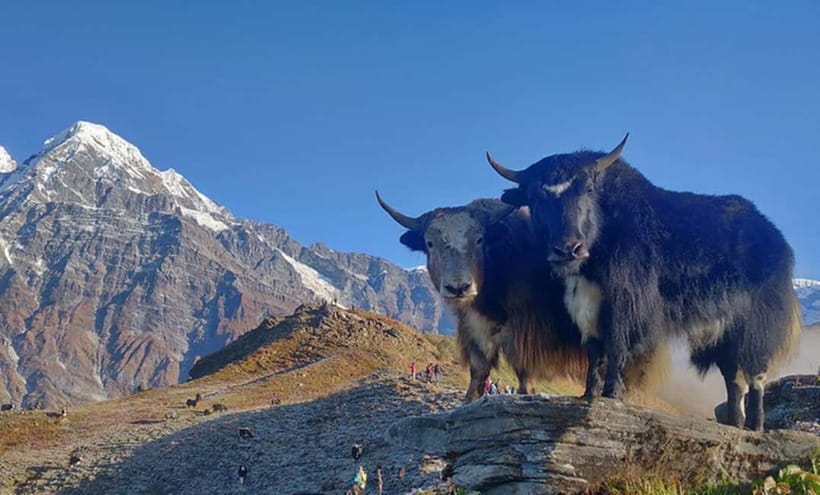
The final walking stretch takes about two hours from Jhapre to Dhap. From there, a private jeep or van takes you back to Kathmandu, with drop-off at your hotel. As on the way out, the drive can take seven to nine hours, so this is not a leisurely travel day.
The transfer is included in the price, which is useful on a route where arranging private transport would otherwise be another task to manage. Still, the return drive is a real part of the trip. If you have an onward flight or another fixed commitment, leave a sensible buffer rather than relying on a precise arrival time.
What the $350 price includes, and what it leaves out
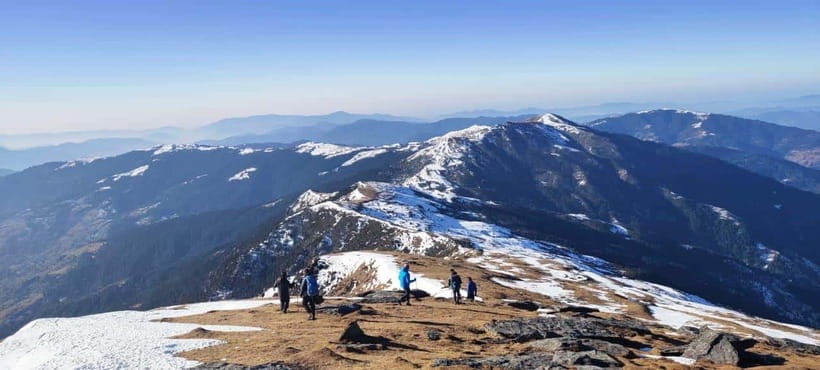
At $350 per person, the price bundles several essential pieces: an English-speaking trekking guide, required permits, government taxes, private transport between Kathmandu and Dhap, hotel pickup and drop-off, lodge accommodation and breakfast. For a four-day route with a long road transfer at both ends, having transport and a guide arranged is a meaningful part of the value.
The price does not include lunch, dinner, beverages, a porter or personal expenses. Those costs add up over four days, particularly if you order several drinks or pay for hot showers. Bring enough cash in Nepali rupees, as there are no ATMs along the trail. The lodges serve familiar trekking meals such as dal bhat, noodles, soup, eggs, potatoes, Tibetan bread, tea and coffee.
A porter is not included, so you should plan to carry your own belongings unless you arrange other help separately. Pack for changing conditions, but keep your load manageable. A sleeping bag is on the suggested gear list, though lodges provide blankets; bringing one is a personal comfort choice rather than a stated requirement.
Guides, group size and the feel of the walk
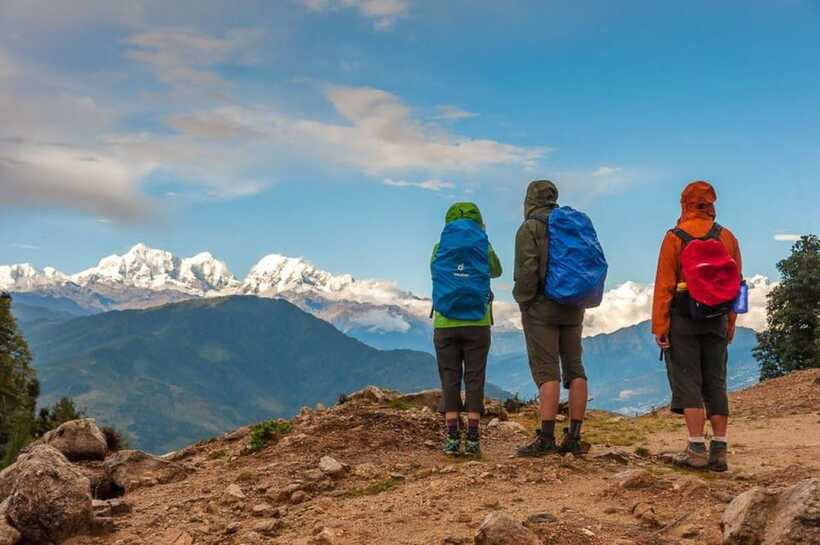
The group is limited to eight people, with a live English-speaking guide. A small group can make it easier to keep a steady pace and ask questions along the trail. Recent departures have included guides named Pemba, Sukbir Tamang and Ngima Chhechi Sherpa, with all three associated with positive feedback about the trip and the support they provided.
The guide is more than a route-finder on a walk through villages and high-altitude terrain. Follow their pacing advice, especially on the climb to base camp and the summit morning. If you develop a headache, nausea or fatigue, say so promptly rather than trying to push through to keep up.
Packing and practical preparation
Bring your passport or ID, trekking boots that are already broken in, layered clothing and a waterproof shell. A fleece and down jacket help with cold conditions at elevation, while gloves, a warm hat and a scarf or buff are useful for the summit start. Sunglasses and sunscreen matter at altitude, even when the air feels cool.
A headlamp is useful for an early start. Carry water purification tablets or a filter, snacks such as nuts or energy bars, a small first-aid kit and a power bank. Include any personal altitude or stomach medicine you may need. Electricity is limited in some lodges, and mobile coverage from NTC or Ncell is available in many villages but can be patchy.
The best seasons listed are spring and autumn. Spring brings rhododendrons, while autumn is known for strong visibility and favorable weather. Winter is colder, though skies may be clear. The supplied information does not specify a monsoon-season recommendation, so ask the operator about current trail and weather conditions if considering dates outside these windows.
Should you book this Pikey Peak trek?
Book it if you want a short, guided mountain trek from Kathmandu, value Sherpa village life as much as the summit, and can handle long walking days and lengthy drives. The route’s strongest appeal is its combination of cultural stops, quieter trails and a high viewpoint that may reveal Everest alongside a much wider chain of peaks.
Think twice if you want a relaxed holiday with little time in a vehicle, prefer private rooms or need every meal included in the upfront price. This is a compact trek with basic lodge comforts, not a luxury escape. If those trade-offs suit you, Pikey Peak offers a substantial Himalayan outing in four days. Free cancellation is available up to 24 hours before the activity, and you can reserve now and pay later. The trek is not suitable for pregnant women.
FAQ
How long is the Pikey Peak trek?
The trek lasts four days, including the drives between Kathmandu and Dhap. Walking time varies by day, from about two hours on days one and four to around seven hours on summit day.
How high is Pikey Peak?
Pikey Peak is 4,065 meters above sea level. Pikey Base Camp is at 3,640 meters, and Jhapre is at 2,820 meters.
Is the drive from Kathmandu to Dhap long?
Yes. The drive is listed at about seven to nine hours each way. The itinerary describes the transfer as around eight hours.
What is included in the $350 price?
The price includes an English-speaking guide, necessary permits, government taxes, private transport between Kathmandu and Dhap, hotel pickup and drop-off, lodge accommodation and breakfast.
Are lunch and dinner included?
No. Meals other than breakfast and all beverages are excluded. Lodges serve options such as dal bhat, noodles, soup, eggs, potatoes, Tibetan bread, tea and coffee.
What kind of accommodation is provided?
You stay in teahouses or lodges. Rooms are twin-sharing, blankets are provided, and some lodges offer hot showers for an extra cost.
Can altitude sickness affect this trek?
Yes. Pikey Peak’s altitude can cause mild AMS symptoms such as headache, nausea or fatigue. Drink water, walk slowly, avoid alcohol and tell your guide if you feel unwell.
What is the best season to go?
Spring, from March to May, is noted for rhododendrons and clear views. Autumn, from September to November, is listed for good visibility and weather. Winter is cold but may have clear skies.
Is a porter included?
No. A porter is not included, so plan to carry your own gear. Personal expenses are also excluded.
Is the trek suitable for pregnant women?
No. The activity is listed as not suitable for pregnant women.
Newly listed in Kathmandu
- Traditional Momo Making Class★ 5.0 · 10 reviews
- Kathmandu 2 Nights 3 Days Chitwan Jungle Safari Tour★ 5.0 · 9 reviews
- Walking tour of real Kathmandu through back streets.★ 5.0 · 3 reviews
- Visit Swayambhunath and Bauddhanath Stupa with Guide★ 5.0 · 5 reviews
- Walking tour of Kathmandu with awesome local guides★ 5.0 · 4 reviews
- Kathmandu Street Food Walking Tour – Eat Like a Local★ 5.0 · 3 reviews
- Private Manaslu Circuit Trek at Himalayas★ 5.0 · 3 reviews
- Kathmandu to Pokhara Vip Sofa Bus Ticket★ 4.0 · 4 reviews
Nepal Trekking Tours, compared.
Everest Base Camp Trek with Helicopter Return from Gorakshep to Lukla
Read our review →
Kathmandu to Annapurna Base Camp (ABC) 5-Day Trek
Read our review →Browse the lists this tour appears in