
Reviewed · EVEREST BASE CAMP TREKS
12 Days Everest Base Camp Trek
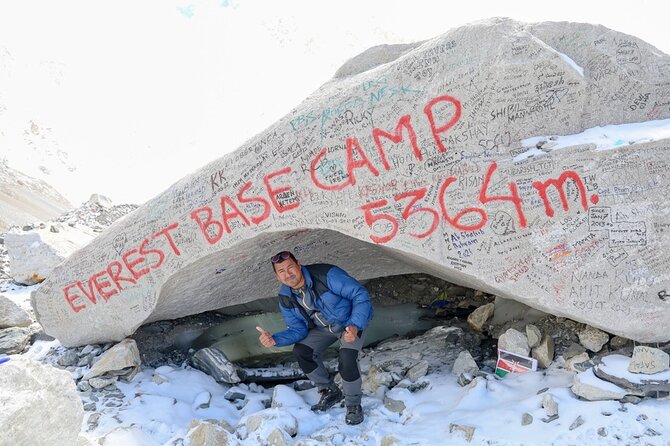
The big prize here is not just reaching Everest Base Camp at 5,364 metres. The early-morning climb to Kala Patthar, at 5,545 metres, is the itinerary’s high point for views of Everest, and it asks you to earn the panorama with a steep, rocky walk.
I like two things in particular: the route builds in time to acclimatize, and the price includes major costs such as flights, meals, lodge accommodation, permits and a porter. The trail also passes through Sherpa villages beside the Dudhkoshi River, giving the trek more texture than a march toward a famous pin on a map.
The main caution is altitude. This is not an easy introductory hike, despite the broad claim that the trip suits beginners and seniors. You need moderate fitness, and the schedule climbs high enough that careful pacing and listening to your guide matter.
Key points before you book
- Two high-altitude milestones: You reach Everest Base Camp at 5,364 metres and hike to Kala Patthar at 5,545 metres.
- Acclimatization is part of the plan: Rest and shorter hikes in Namche Bazaar and Dingboche help prepare you for higher elevations.
- Major trip costs are included: The $605 price covers Kathmandu-Lukla flights, three meals a day, lodge accommodation, permits, a guide and one porter for every two trekkers.
- The return route is on foot: After the high point, you retrace the trail to Lukla, then fly back to Kathmandu.
- The guide is central to the experience: Guides including Gopal and Bikram have been praised for pacing, care and practical advice. Your specific guide is not named in advance.
- Plan for extra expenses: Travel insurance, personal gear, snacks, drinks and tips are not included.
From Kathmandu to the trail at Lukla
The trip starts at Tribhuvan Airport in Kathmandu, where airport pickup and drop-off are included. You then take a roughly 45-minute flight to Lukla, the mountain airstrip that serves as the starting point for the trek. The flight is part of the adventure, but it is also a reminder that this is a remote mountain journey, not a city-based excursion.
From Lukla, you walk downhill to Phakding, following the Dudhkoshi River. The first day is a gentler introduction to the trail, with about four hours of walking after the flight. The river, also called the Milk River, stays with you through much of the early journey. Look out for the Danphe, Nepal’s national bird, though a sighting is never guaranteed.
Lodging is in the best available twin-sharing rooms at local lodges. That keeps the package practical and rooted in the villages along the route, but it is not a luxury-hotel trek. You’ll share a room with another trekker, and comfort should take second place to location and recovery.
More Everest Base Camp treks in Kathmandu:
- Everest Base Camp Trek – 14 Days
★ 5.0 · 1,499 reviews - Everest Base Camp Trekking
★ 5.0 · 485 reviews - Everest Base Camp Trekking – 13 Day
★ 5.0 · 365 reviews
The long climb to Namche Bazaar
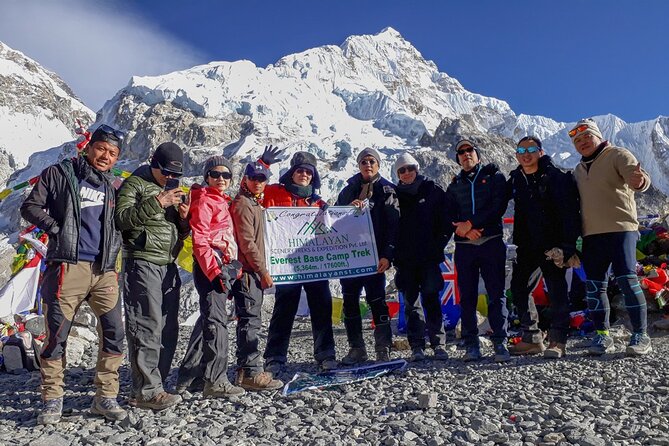
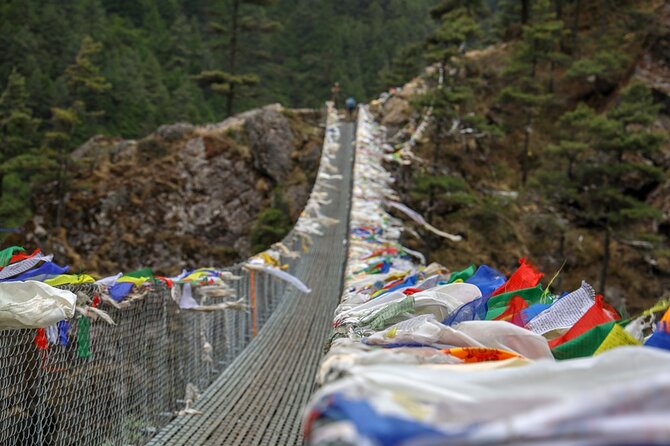
Day two is a demanding seven-hour walk from Phakding to Namche Bazaar. You cross high suspension bridges and follow the river through settlements before a sustained climb toward the main Sherpa town of the Khumbu. The route’s up-and-down rhythm can be tiring, especially if you are new to multi-day hiking.
Namche is an important pause in the trek, not just a place to sleep. You spend a full day there to acclimatize, with a short hike to the Everest View Hotel via the Syangboche airstrip. The outing is listed at about two hours and includes tea. It gives your body a chance to adjust while you gain a look toward the mountains.
Do not treat an acclimatization day as wasted time or an optional stroll. The schedule includes it because the trail keeps climbing, and feeling fine at a lower elevation does not mean you can safely rush higher. The guide carries an oximeter to check pulse, oxygen saturation and heart rate, a useful practical measure at altitude.
Monastery views and the route into Dingboche
After Namche, the trail climbs steeply before easing into a more moderate stretch toward Tengboche, also written as Tyangboche in the schedule. The walk takes about five hours. You pass through forest and arrive at the monastery area, where an early start the next morning is planned to catch sunrise.
From Tengboche, you descend through rhododendron forest to Deboche, then continue toward Dingboche. This sixth-hour walking day brings you higher into the Khumbu, with broad mountain views and a changing, more exposed feel to the terrain. The forest does not last forever; as you gain elevation, the route becomes barer and the air thinner.
Dingboche is the next place to slow down. The itinerary gives you a rest and acclimatization day, with a roughly three-hour hike up nearby Nagarjuna Hill. The climb helps you get used to the elevation, while the hill offers views of the surrounding peaks. The aim is not to conquer the hill quickly. It is to move at a pace that leaves you able to recover.
The approach to Lobuche and Gorakshep
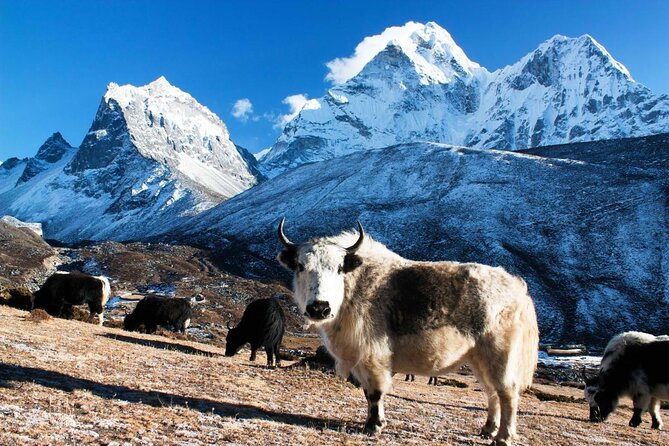
The walk to Lobuche takes about six hours. You follow a wide valley beneath the Cholatse and Tawache peaks, with increasingly rugged terrain as you approach the higher parts of the route. This is where the trek’s physical demands become more real: the walking day is not exceptionally long by itself, but altitude makes every uphill section count.
From Lobuche, you continue toward Gorakshep on a rocky trail beside the Khumbu Glacier. The walk is listed at about three hours, followed by the push to Everest Base Camp. The schedule allows another four hours for the out-and-back visit, over rocky ground that rises and falls. It is not a simple walk to a viewing platform. You reach a high-altitude camp area surrounded by the glacier and peaks, then return to Gorakshep.
Everest is not necessarily the clearest or most dramatic sight from Base Camp itself. Kala Patthar is the itinerary’s dedicated viewpoint, and the two stops offer different experiences: Base Camp brings you to the staging ground for climbing expeditions, while the next morning’s hike is designed for a broad view of Everest.
More multi-day treks in Kathmandu:
- Everest Base Camp Trek -14 Days
★ 5.0 · 321 reviews - Everest Base Camp Trekking – 2025/2026
★ 5.0 · 199 reviews - Everest Base Camp Trek
★ 5.0 · 193 reviews - Everest Base Camp Trek with Helicopter Return from Gorakshep to Lukla
★ 5.0 · 161 reviews
Kala Patthar at sunrise
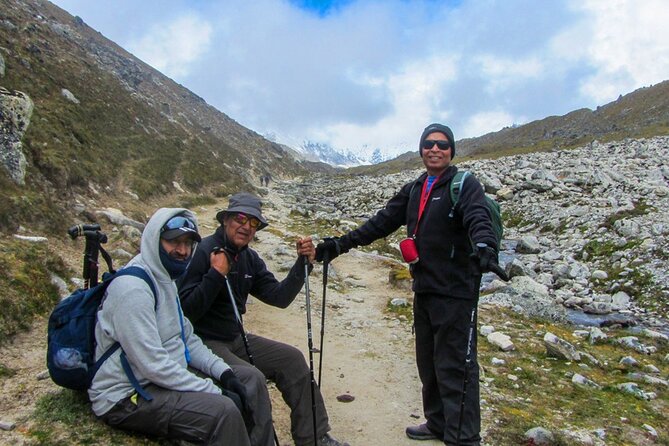
Day nine starts early for the steep, rocky climb to Kala Patthar. The schedule allows eight hours for the day, including the hike and time at the viewpoint. At 5,545 metres, it is the highest point of the trip, and the sunrise is the reward for an effort that can feel slow and strenuous in thin air.
This is a demanding morning, not a casual photo stop. Take your guide’s pacing seriously, bring the personal gear you need for the cold and conditions, and avoid judging your progress by how quickly you walk at home. The trek provides a trekking pole, but you should still have suitable personal clothing and equipment.
After the viewpoint, the route begins the long return toward Namche Bazaar. The itinerary describes the descent as comparatively easier because you lose elevation, but it is still a full walking day of about six hours. Downhill miles can be hard on tired legs, so do not assume the return is effortless.
Back to Lukla, then Kathmandu
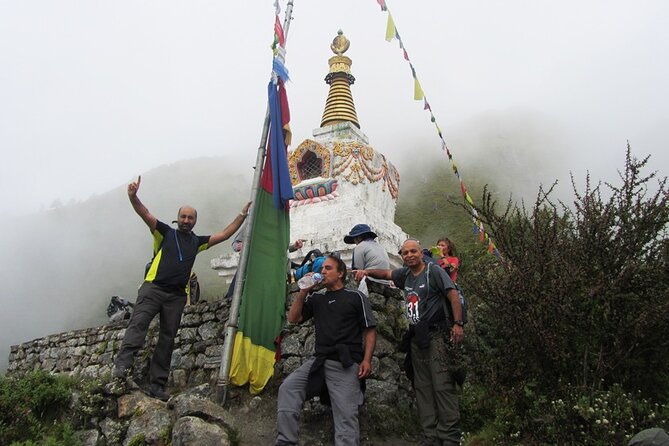
From Namche, you descend through forests and villages, cross bridges and streams, and retrace the route through Monjo and Phakding to Lukla. This final trekking day takes about seven hours. It is a satisfying chance to see familiar stretches from a different direction, but by now you may be ready for a bed and a rest more than another view.
On day 12, you fly from Lukla back to Kathmandu. The flight is listed at about 35 minutes, followed by a drive to your hotel. The rest of the day is free. You may want that time to recover, sort your gear or explore the city, but those activities are not part of the trek itself.
The itinerary includes domestic flights in both directions. It does not describe a backup plan for flight disruption, so it is sensible to avoid scheduling an important onward connection too close to the return from Lukla. That is a practical precaution for any trip whose access depends on a mountain flight.
What $605 covers, and what it does not
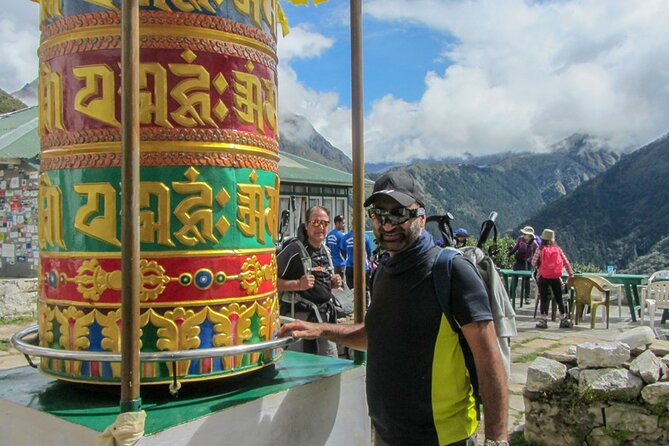
At $605 per person, the package looks strong on inclusions. It covers airport transfers, Kathmandu-Lukla flights, three meals a day during the trek, twin-sharing lodge rooms, a licensed and high-altitude-trained guide, permits, local tax and a porter for every two trekkers. A first-aid kit, oximeter, trekking map, hat, duffel bag and trekking pole are also provided.
Those inclusions matter because flights, meals and permits can otherwise add up across a 12-day trip. The package also provides a clearer structure than arranging each piece independently. A maximum group size of 20 is stated, though the actual group can be smaller. The group size matters on narrow trails and when a guide is managing different walking speeds.
The price does not cover personal travel insurance, snacks, drinks, personal trekking gear or tips. Bring a budget for those costs, and check your insurance carefully: the supplied information does not say that your personal medical or evacuation expenses are covered. Staff accident insurance is included, but that is not the same as insurance for you.
Three meals are included on each trekking day, with 11 breakfasts, lunches and dinners specified. The package description does not include meals in Kathmandu, so do not assume city meals are part of the price. Group discounts are offered, and the experience has free cancellation up to 24 hours before its start time.
What the guide can change
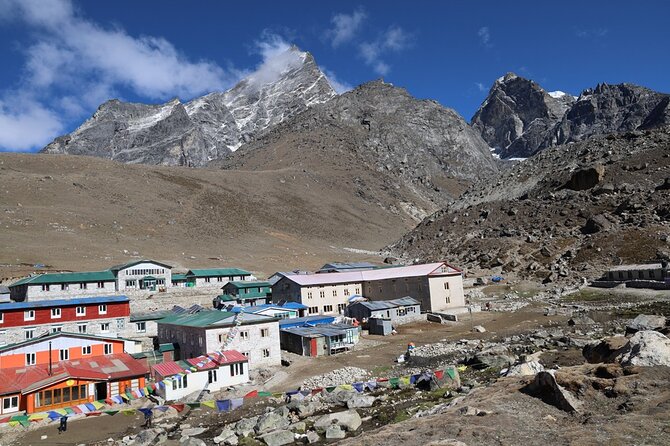
A capable guide is especially valuable on a high-altitude route, where judgment and pacing matter as much as navigation. Guides named in accounts of this company’s trips include Gopal, Bikram, Rajesh Magar and Narayan Ntc. They are associated with attentive care, useful acclimatization advice and adjusting the pace to suit the group. Still, the guide assigned to your departure is not specified, so ask the operator who will lead your trek.
The porter arrangement is one porter for two trekkers, which means you can walk with less weight on your back. You should still pack for yourself and carry what you need during the day. The included duffel bag and trekking pole are useful additions, but personal trekking gear remains your responsibility.
The group can have up to 20 people. That is a sizable party for a mountain trail, and different walking speeds may shape how the day feels. The company’s trip accounts include examples of guides adapting start times and pace to individuals, but you should discuss your needs before departure rather than assume the group will move at your preferred speed.
Who should choose this trek
This itinerary suits you if you want the classic Everest Base Camp route with logistics, meals, permits and a guide arranged in one package. It also suits fit walkers who are prepared for long days, rocky paths, steep climbs and several nights at high elevation. The acclimatization stops make the schedule more considered, but they do not remove the strain of altitude.
I would be cautious about booking if you are looking for a gentle introduction to hiking or expect comfort to be the main feature. The trip requires a moderate fitness level, and reaching Kala Patthar means a demanding climb above 5,500 metres. Seniors and beginners may be able to take part, but the broad description should not replace an honest assessment of fitness and altitude tolerance.
The Khumbu trekking season is described as favorable for about eight months of the year, but no exact months are specified here. Confirm the dates that suit your trip and ask about conditions for your departure. The trek is commonly booked about 38 days in advance, which is a useful planning signal, not a guarantee that space will always be available.
Should you book it?
Book this trek if reaching Everest Base Camp is a serious goal and you value a guided route with major costs bundled into a relatively low package price. Its strongest points are the acclimatization days, the porter support, the included flights and meals, and the chance to experience Sherpa villages as well as the high mountain viewpoints.
Think twice if you are unprepared for altitude, want a private or highly flexible itinerary, or need personal insurance and gear included. Ask who your guide will be, clarify what meals are covered in Kathmandu, and confirm your insurance before paying. If those details suit you, this is a practical way to take on a demanding and memorable Himalayan trek.
FAQ
How long is the Everest Base Camp trek?
The experience lasts about 12 days, including flights between Kathmandu and Lukla and the return trek from the high Khumbu.
How high is Everest Base Camp?
Everest Base Camp is at 5,364 metres. The trek also includes a hike to Kala Patthar at 5,545 metres.
Where does the trek start?
The meeting point is Tribhuvan Airport in Kathmandu. The trekking route begins in Lukla after the domestic flight.
Are flights between Kathmandu and Lukla included?
Yes. Domestic flights from Kathmandu to Lukla and back are included in the package.
Are meals included?
Breakfast, lunch and dinner are included during the trek. The package specifies 11 of each. Meals in Kathmandu are not listed as included.
What kind of accommodation is provided?
The trek includes the best available twin-sharing room in lodge accommodation. The specific lodges are not named.
Is a guide included?
Yes. The package includes one government-licensed, high-altitude-trained guide. Your assigned guide is not specified in advance.
Is a porter included?
Yes. One porter is provided for every two trekkers.
What is not included in the price?
Personal travel insurance, snacks, drinks, personal trekking gear, tips and anything not listed as included are excluded.
What is the cancellation policy?
You can cancel at least 24 hours before the experience’s start time for a full refund. Cancellations or changes made within 24 hours are not accepted, and no refund is provided.
Newly listed in Kathmandu
- Traditional Momo Making Class★ 5.0 · 10 reviews
- Kathmandu 2 Nights 3 Days Chitwan Jungle Safari Tour★ 5.0 · 9 reviews
- Walking tour of real Kathmandu through back streets.★ 5.0 · 3 reviews
- Visit Swayambhunath and Bauddhanath Stupa with Guide★ 5.0 · 5 reviews
- Walking tour of Kathmandu with awesome local guides★ 5.0 · 4 reviews
- Kathmandu Street Food Walking Tour – Eat Like a Local★ 5.0 · 3 reviews
- Private Manaslu Circuit Trek at Himalayas★ 5.0 · 3 reviews
- Kathmandu to Pokhara Vip Sofa Bus Ticket★ 4.0 · 4 reviews
Everest Base Camp Treks, compared.
Everest Base Camp Trek with Helicopter Return from Gorakshep to Lukla
Read our review →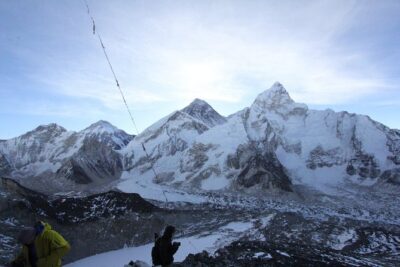
Browse the lists this tour appears in