
Reviewed · EVEREST BASE CAMP TREKS
Luxury Everest Base Camp Trek – 11 Days
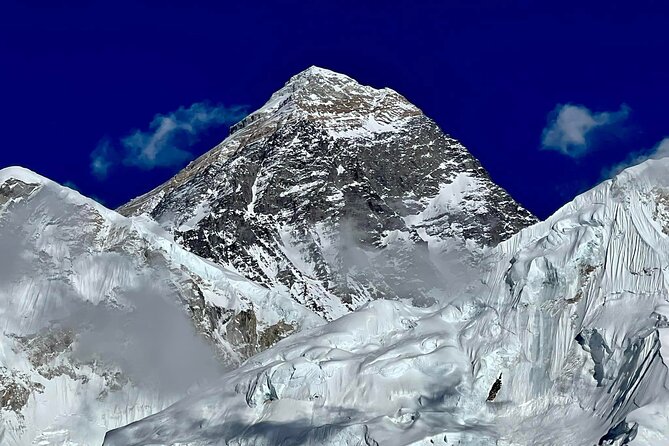
Everest Base Camp is the headline, but the appeal of this 11-day trip is the way it combines a demanding high-altitude trek with helicopter flights and upgraded accommodation. You walk through Sherpa settlements and mountain valleys, then finish with an early hike toward Kala Patthar for a close look at Everest and its neighbors.
I like two practical features: helicopter transfers cut out the long return trek, and planned acclimatization time in Namche Bazaar and Dingboche gives your body a chance to adjust. I also like that guides and porters are included, with past guests naming guides such as Prakash, Babu, Keshab, and Ram.
The main consideration is the pace. Eleven days is a short window for a high-altitude trek, and the schedule includes strenuous walking as well as time above 4,000 meters. The word luxury needs clarification, too: accommodation is described as luxury, but the specific lodges and room standards are not listed.
At a glance
- Helicopter to Lukla: Begin the trek with a flight from Kathmandu rather than a listed road transfer.
- Eight days of included lunches and dinners: Breakfast is included for nine days, but meals in Kathmandu are mostly your responsibility.
- Acclimatization in Namche and Dingboche: These stops provide time to adjust to the rising altitude.
- A demanding route: The trek passes through Dingboche at 4,410 meters and Gorak Shep at 5,164 meters.
- Helicopter return from Gorak Shep: The package includes a flight back to Kathmandu, avoiding a long walk down the trail.
- A small-group limit: The group is capped at 15 people, with a moderate fitness level recommended.
From Kathmandu to the Khumbu
Your first day is for arrival. A guide meets you at the airport and takes you to your booked hotel in Thamel, Kathmandu’s central tourist district. The schedule does not describe sightseeing that day, so treat it as a useful chance to rest, check your gear, and prepare for the early start ahead.
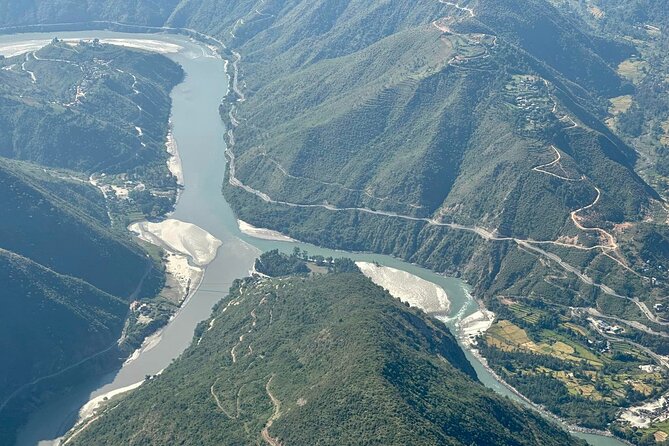
The next morning begins at 5:15 a.m. with a transfer to Kathmandu Airport and a helicopter flight to Lukla. Once there, you meet the rest of the trekking crew and start walking toward Phakding. The listed walking time is about four hours, so this is not merely a travel day. You begin the trek soon after landing.
A helicopter start can save time, but mountain flights depend on weather. The trip does include helicopter transfers, yet no flight can make Himalayan conditions predictable. Allow flexibility in your wider Nepal plans, especially if you have a fixed international departure soon after the trek.
More Everest Base Camp treks in Kathmandu:
- Everest Base Camp Trek – 14 Days
★ 5.0 · 1,499 reviews - Everest Base Camp Trekking
★ 5.0 · 485 reviews - Everest Base Camp Trekking – 13 Day
★ 5.0 · 365 reviews
Phakding, Monjo, and the climb to Namche
The early walking days take you through the Khumbu toward Namche Bazaar. The schedule refers to Monjo and describes a trail that begins with a gentler ascent through pine forest before the climb becomes more demanding. Namche is a key stop on the route, with mountain views and a busy town atmosphere.
This stretch is where the trip shifts from helicopter logistics to steady walking. You gain altitude as you move between villages, and the scenery changes with the route. The itinerary gives little detail about the exact daily distances or elevation gains, so ask the operator for those figures before booking, particularly if you want to assess the pace against your fitness.
Namche is more than a place to sleep. It is a chance to take a break from the trail, look around town, and begin adjusting to the thinner air. A day is set aside for acclimatization, with an excursion to an Everest viewpoint mentioned in the schedule. The day is described as relaxed, but it still has a purpose: giving your body time to adapt before you continue higher.
Tengboche and Dingboche: altitude becomes real
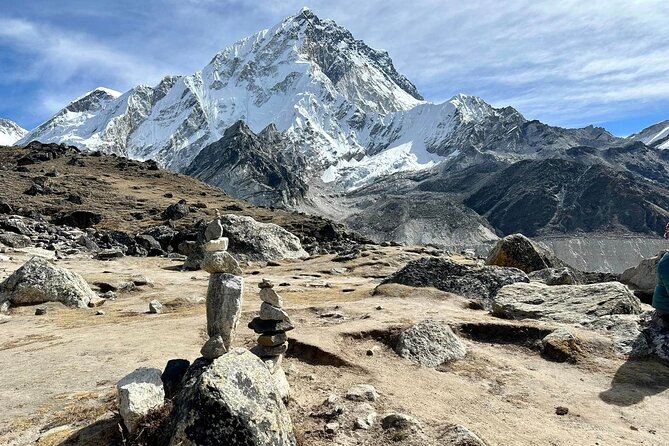
After Namche, the route heads toward Tengboche. The trail passes through rhododendron forest, and the destination is known as a cultural stop, with an ancient monastery described as a focal point. This is a rewarding change from walking through forest and villages: the mountains are not the only story here. Tengboche offers a look at the region’s spiritual life, though the schedule does not specify a monastery visit or how much time you will have there.
The following day continues to Dingboche, at 4,410 meters. The walk from Tengboche is listed as about five to six hours, and Dingboche sits in the Imja Valley. At this height, the challenge is not just how far you walk. The altitude can make ordinary effort feel harder, which is why a measured pace and close communication with your guide matter.
A further day is based around Dingboche, with a walk toward Chukhung and an emphasis on acclimatization. That is a useful feature in a compact trek: rather than pressing upward every day, the schedule gives you time to adjust. Still, a rest or acclimatization day is not a guarantee against altitude problems. The company notes asthma as a concern, and the trip requires moderate physical fitness. If you have asthma or another health issue, speak with a medical professional and the operator before committing.
Lobuche, Gorak Shep, and Everest Base Camp
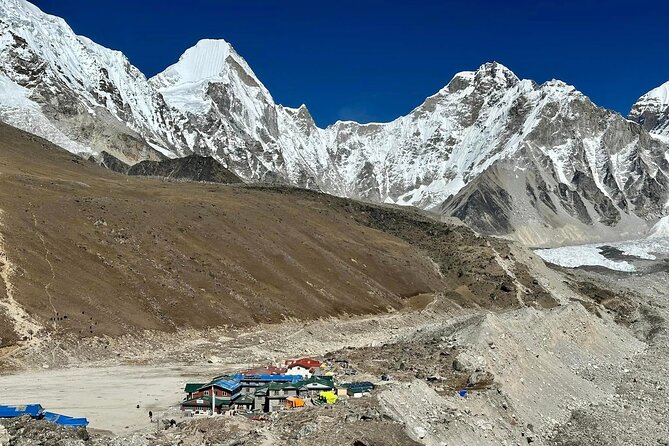
From Dingboche, the route continues to Lobuche, following the terminal moraine of the Khumbu Glacier. The description evokes a more stark, rocky setting as the trail climbs higher. You are now far from the easier early walking, and the days demand patience, energy, and a willingness to move at your guide’s pace.
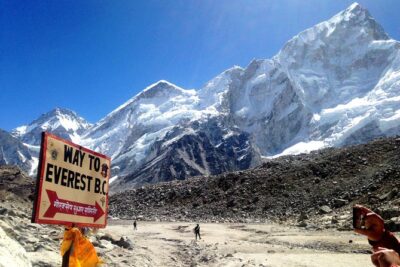
The next stage takes you to Gorak Shep, listed at 5,164 meters, and then to Everest Base Camp. This is the high point of the walking portion and the moment many people have been working toward. Base Camp is an iconic destination, but this is a trek, not a summit climb. The experience is about reaching the area at the foot of Everest and seeing the mountain region up close, not climbing Everest itself.
The schedule gives short stop times for several named places, including Everest Base Camp, but those entries do not explain how long the full walking day takes. Ask the company for the expected hours, distance, and overnight arrangements for the Gorak Shep and Base Camp portion. At this altitude, small differences in pace and rest can matter.
More multi-day treks in Kathmandu:
- Everest Base Camp Trek -14 Days
★ 5.0 · 321 reviews - Everest Base Camp Trekking – 2025/2026
★ 5.0 · 199 reviews - Everest Base Camp Trek
★ 5.0 · 193 reviews - Everest Base Camp Trek with Helicopter Return from Gorakshep to Lukla
★ 5.0 · 161 reviews
Kala Patthar and the helicopter return
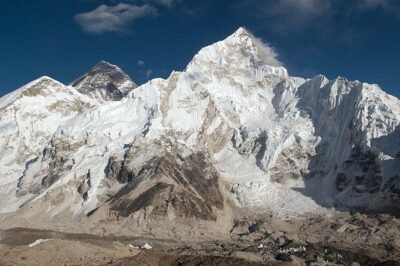
The following morning starts early, with a hike toward Kala Patthar at first light. The route description identifies it as a landmark on the south ridge of Pumori above Gorak Shep. The appeal is the morning view across the high peaks, including Everest. Sunrise means an early alarm and cold conditions are likely, so pack appropriate layers and follow the guide’s advice.
There is a detail worth confirming before you book: the day heading mentions a helicopter landing at Kala Patthar, while its description says you hike there. The included helicopter transfer is specifically described as Gorak Shep to Kathmandu. Ask the operator to clarify exactly how the Kala Patthar visit and helicopter flight fit together, and whether any flight segment beyond the return to Kathmandu is part of the package.
The helicopter return is one of the clearest comfort advantages of this tour. Instead of walking back down the same route, you fly from Gorak Shep to Kathmandu. That saves several trekking days and makes the 11-day schedule possible, but it also leaves less spare time if weather disrupts flights. The final day is listed as an airport transfer and departure home.
What luxury means at this altitude
The price is $4,070 per person. That covers the Kathmandu-to-Lukla helicopter, the Gorak Shep-to-Kathmandu helicopter, luxury accommodation during the trek, guides and porters with their daily wages, insurance, and meals on eight days. Breakfast is included on nine days.
This can be good value if you want the major flight transfers and trekking support arranged as one package. Helicopter travel is a significant part of the cost, and having guides and porters included makes budgeting simpler. The cap of 15 people also keeps the group from becoming very large, though you may want to ask whether the trip is guaranteed to run with your preferred dates.
The accommodation description is less precise than the price. The tour promises luxury accommodation, but does not name lodges, explain room arrangements, or spell out what services are available at each stop. Comfort in remote mountain villages can differ from a five-star city hotel, so ask for the lodge names and what is included before treating luxury as a uniform standard throughout the trek.
You also need to budget for costs outside the package. International flights, travel insurance, extra Kathmandu hotel nights, most Kathmandu meals, personal purchases, laundry, internet, phone calls, cold drinks, drinking water, and crew tips are excluded. The included lunches and dinners cover eight days, not the entire 11-day trip.
Guides, porters, and the human side of the trek
The crew is central to the experience. Guides and porters are included, and past trips have been led by people named Prakash, Babu, Keshab, and Ram. Their roles go beyond carrying the day’s logistics: they help set the walking pace and support you through a route where altitude can change how you feel from one day to the next.
The company has also been praised for organizing airport pickup, hotel transfers, trekking support, and changes caused by weather or canceled flights. That matters in the Everest region, where a carefully planned schedule still has to bend when conditions shift. A guide who can explain local culture and respond calmly when plans change is a real part of the value, not an optional extra.
You are not guaranteed a particular guide by the information provided. If a specific guide matters to you, ask whether that person is available on your dates. It is also sensible to ask how the crew handles altitude concerns and what happens if you need to stop or change the pace.
Is this trek right for you?
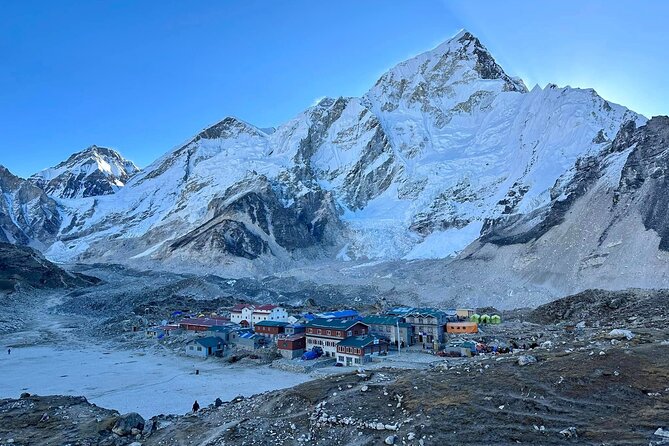
This trip suits you if reaching Everest Base Camp is a major goal, you have moderate fitness, and you value organized support over building every detail yourself. The helicopter transfers make the route shorter, while the Namche and Dingboche acclimatization stops provide breathing room within the schedule. A small-group cap of 15 is another plus if you prefer a more manageable group.
It is less suitable if you want an unhurried trek with many spare days, need a fully specified luxury standard, or are uncomfortable with high-altitude walking. The schedule moves quickly, and the listed elevations make clear that this is not a casual mountain holiday. The uncertain Kala Patthar and helicopter wording is another reason to get precise answers before paying.
The cancellation terms allow a full refund if you cancel at least 24 hours before the start time. Poor weather or failure to meet the minimum group size can also lead to a different date or a full refund. That is helpful, but it does not remove the practical need to plan for mountain-flight delays.
Should you book it?
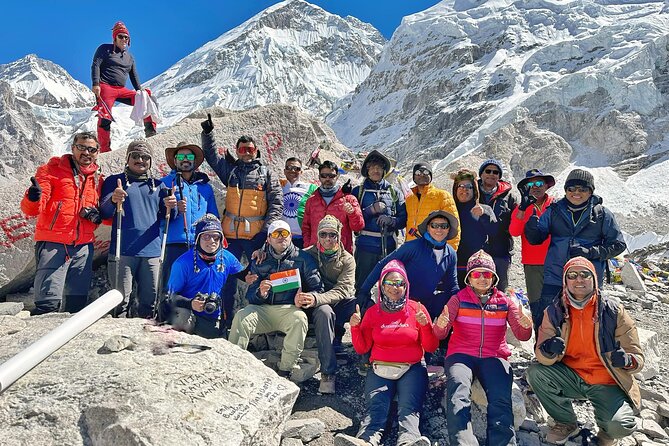
Book this trek if you want a supported, time-efficient route to Everest Base Camp and are comfortable paying extra for helicopter transfers and upgraded mountain accommodation. The strongest reasons are the included crew, acclimatization days, and flight back from Gorak Shep. Before booking, get the lodge list, daily walking details, meal plan, and a clear explanation of the Kala Patthar flight arrangements. If those answers match your expectations, this is a compelling way to reach the Khumbu’s best-known destination without trekking the return route.
FAQ
How long is the Luxury Everest Base Camp Trek?
The experience lasts approximately 11 days. The schedule begins with airport pickup in Kathmandu and ends with an airport transfer after the return flight.
What is the price per person?
The listed price is $4,070 per person.
Is a helicopter flight included?
Yes. A helicopter flight from Kathmandu to Lukla and a flight from Gorak Shep to Kathmandu are included.
Are guides and porters included?
Yes. Guides and porters are included, along with their daily wages, insurance, and meals.
What meals are included?
The package includes breakfast for nine days, plus lunch and dinner for eight days each. Meals in Kathmandu are generally not included, apart from breakfast and a farewell dinner.
What level of fitness is recommended?
A moderate level of physical fitness is recommended. The route includes high-altitude trekking, including a stop in Dingboche at 4,410 meters and Gorak Shep at 5,164 meters.
How large can the group be?
The group is limited to a maximum of 15 people.
Is travel insurance included?
No. Travel insurance is not included and must be arranged separately.
What should I confirm about the Kala Patthar visit?
The day description says you hike to Kala Patthar, while the day heading refers to a helicopter landing there. Confirm the exact plan with the operator before booking.
Newly listed in Kathmandu
- Traditional Momo Making Class★ 5.0 · 10 reviews
- Walking tour of real Kathmandu through back streets.★ 5.0 · 3 reviews
- Kathmandu 2 Nights 3 Days Chitwan Jungle Safari Tour★ 5.0 · 9 reviews
- Visit Swayambhunath and Bauddhanath Stupa with Guide★ 5.0 · 5 reviews
- Walking tour of Kathmandu with awesome local guides★ 5.0 · 4 reviews
- Kathmandu Street Food Walking Tour – Eat Like a Local★ 5.0 · 3 reviews
- Private Manaslu Circuit Trek at Himalayas★ 5.0 · 3 reviews
- Kathmandu to Pokhara Vip Sofa Bus Ticket★ 4.0 · 4 reviews
Everest Base Camp Treks, compared.
Everest Base Camp Trek with Helicopter Return from Gorakshep to Lukla
Read our review →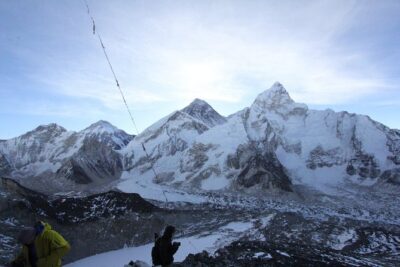
Browse the lists this tour appears in