
Reviewed · EVEREST BASE CAMP TREKS
Everest Base Camp Trek
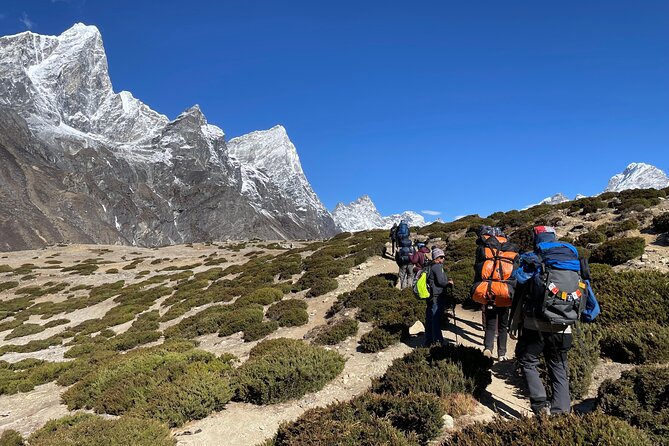
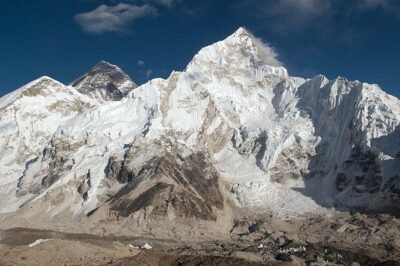
The draw here is the chance to walk into the Khumbu Valley and see Everest among a crowd of immense Himalayan peaks. Ama Dablam, known as mother’s necklace, is a striking landmark, while Namche Bazaar gives you an important pause to adjust to the altitude before continuing.
I like two things in particular: the private format, which can make it easier to adapt plans to your group, and the included guide costs, permits, domestic flight, and airport transfers. Named guides such as Roshan, Dipak, Arjun, and Sau Bir Rai have been praised for attentive care and well-managed logistics, though you should confirm who will lead your departure.
The main catch is the price’s fine print: at $990, your accommodation and food are not included, and the supplied itinerary is too brief to show each day’s route, walking hours, or overnight stops. Ask for those details before you book, and be realistic about the strong fitness level required.
Key points before you book
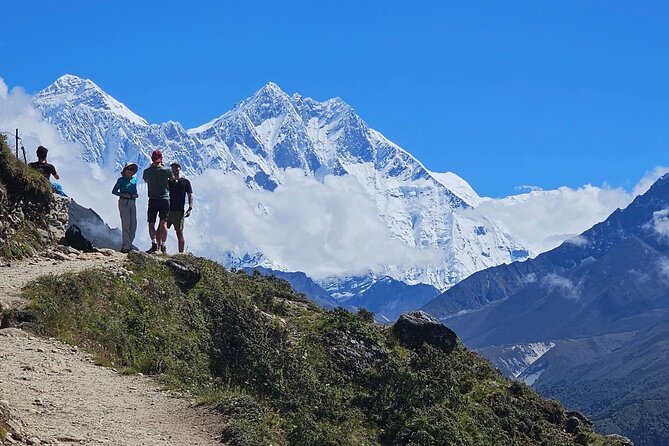
- Ama Dablam is a headline view: Its distinctive shape and position in the Khumbu Valley make it one of the trek’s memorable mountain sights.
- Namche Bazaar is more than a stop: It is a key acclimatization point on the way to Everest Base Camp.
- Your group stays private: The activity is for your party only, rather than a shared group.
- $990 covers important trip costs, not the whole trip: A domestic flight, permits, guide expenses, and airport transfers are included; your lodging and meals are extra.
- The guide can shape the experience: Previous trips have named guides including Roshan, Dipak, Arjun, and Sau Bir Rai, with praise for care, organization, and flexibility.
- Get the day-by-day plan in writing: The advertised trip lasts about 12 days, but the available outline names only Ama Dablam and Namche Bazaar.
What this Everest Base Camp trek offers
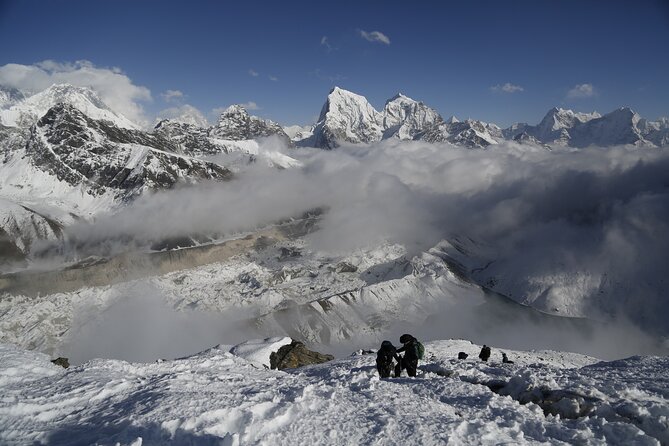
This is a private, roughly 12-day trek based in the Everest region, beginning and ending at Adventure Treks Nepal P. Ltd. on Thamel Marg in Kathmandu. Its stated aim is Everest Base Camp, the well-known gathering point for trekkers and mountaineers preparing for journeys toward the summit of Mount Everest.
That goal carries real appeal, but the trek is not simply a walk to a famous signpost. The route is also about moving through the Khumbu Valley and taking time to adjust to high altitude. Namche Bazaar is identified as a particularly important acclimatization stop, so the pace and the time spent there matter as much as the headline destination.
The outline names two stops: Mt. Ama Dablam and Namche Bazaar. It does not give a full daily schedule or state exactly how long you stay at either place. Treat those as highlights, not a complete description of every trekking day. Before paying, ask for a full itinerary that sets out the route, overnight locations, walking time, and what happens if your group needs to adjust the plan.
More Everest Base Camp treks in Kathmandu:
- Everest Base Camp Trek – 14 Days
★ 5.0 · 1,499 reviews - Everest Base Camp Trekking
★ 5.0 · 485 reviews - Everest Base Camp Trekking – 13 Day
★ 5.0 · 365 reviews
Ama Dablam: a mountain that earns its place
Ama Dablam is one of the defining peaks of the Khumbu Valley. Its name means mother’s necklace, and its sharply sculpted profile is a major part of its appeal. The route description calls it one of the world’s most beautiful mountains, and even without climbing it, you can appreciate why its dramatic shape attracts attention.
For most trekkers, Ama Dablam is a view to take in, not a technical climbing objective. The peak is also a goal for climbers drawn to steeper, more demanding routes, but this trek is described as a journey to Everest Base Camp, not an Ama Dablam climb. Keep that distinction clear when you discuss the experience with the operator.
A useful question is where the itinerary gives you time to see the mountain and how much walking that involves. The information provided does not say whether this is a dedicated stop, a viewpoint along the route, or simply a named highlight. That does not make the peak less compelling; it means you should ask what the stop looks like in practice.
Namche Bazaar: a necessary pause at altitude
Namche Bazaar is described as the gateway to the Everest Base Camp route and the place where trekkers halt for acclimatization. This is not a bonus activity tacked onto the trek. It is a central part of travelling safely through a high-altitude region, where your body needs time to adjust.
That makes Namche an important measure of the trip’s pacing. Ask how many nights the itinerary includes there and how the guide handles the acclimatization plan. The supplied details do not specify the number of nights or daily walking distances, so do not assume the 12-day estimate alone tells you how strenuous each day will be.
The practical lesson is simple: do not judge this trek only by its final destination. A well-paced journey gives you time to adapt on the way. If you are comparing options, look closely at how each company describes its acclimatization schedule, not just the number of days or the price.
A private guide can make the logistics easier
Only your group participates, which gives this trip a more personal format than a shared departure. That can be useful if you want to travel with family or friends, or if your party needs to discuss pace and plans directly with its guide. The details say that plans have been adaptable on some private treks, but you should confirm what flexibility is possible on your own booking.
The guide’s role extends beyond pointing out mountains. The included costs cover the guide’s salary, food, equipment, and insurance during the trip. Past departures have named guides including Roshan, Dipak, Arjun, and Sau Bir Rai. Their strengths have included organizing food, accommodation, and transport, offering attentive care, and helping groups feel prepared.
Those names are useful reference points, not a guarantee that one of those guides will lead your trek. Ask who is assigned to your departure, what language the guide speaks, and who you should contact if the guide changes. Some planning support has also come from a coordinator named Dil, who helped answer questions before a trek. If planning support matters to you, ask whether a similar point of contact is included.
More multi-day treks in Kathmandu:
- Everest Base Camp Trek -14 Days
★ 5.0 · 321 reviews - Everest Base Camp Trekking – 2025/2026
★ 5.0 · 199 reviews - Everest Base Camp Trek
★ 5.0 · 193 reviews - Everest Base Camp Trek with Helicopter Return from Gorakshep to Lukla
★ 5.0 · 161 reviews
What the $990 price covers, and what it leaves out
At $990 per person, the price includes several substantial items: a domestic flight, required permits and entrance fees, guide salary and trip costs, and airport transfers for arrival and departure, including the domestic flight. Having those parts organized can reduce the amount of separate planning you need to do.
But this is not an all-inclusive price. Your accommodation and food are not included, nor are drinks, travel insurance, personal expenses, or expected tips for the trekking guide. International flights and the Nepal visa fee are also excluded. Those costs can change the total considerably, so compare the full likely spend rather than treating $990 as the final bill.
Ask the operator for a clear estimate of the accommodation and meals you will need to pay for, and whether they can be arranged through the company or must be booked separately. Also clarify what the airport transfers cover and how the domestic flight fits into your route. The description says a domestic flight is included, but does not name the airport or provide flight details.
Tips are listed as expected, but no amount is given. Ask for local guidance on a suitable tip before the trek, and budget for drinks and personal expenses as well. This is a better way to assess value than comparing the headline price alone.
The 12-day outline needs more detail
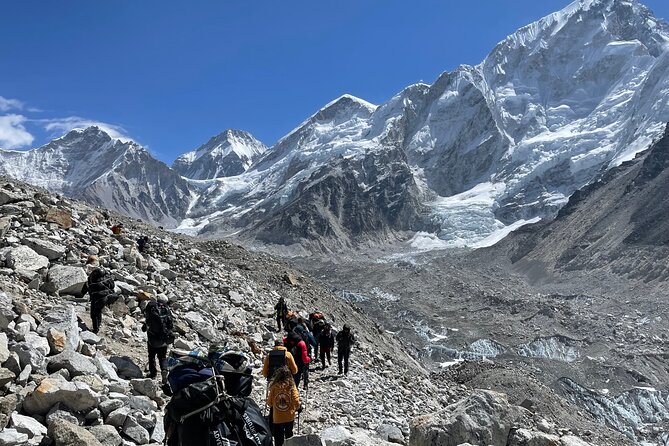
The trip is listed at about 12 days, with Kathmandu as the start and end point. That gives you a useful sense of the overall commitment, but the itinerary provided names only Ama Dablam and Namche Bazaar. It does not explain the sequence of days or specify where you sleep each night.
That missing detail matters on a trek of this length. Before booking, request a day-by-day plan with walking distances or hours, overnight stops, and the time set aside for acclimatization. Ask how the itinerary handles changes to the plan, too. A private format may allow some flexibility, but the exact terms are not stated.
You should also confirm what the meeting point arrangement looks like. The listed start and end point is Adventure Treks Nepal P. Ltd. on Thamel Marg in Kathmandu, and the activity ends back there. Airport transfers are included, but it is worth checking how those transfers connect with your arrival and departure schedule.
Fitness, preparation, and the limits of the details
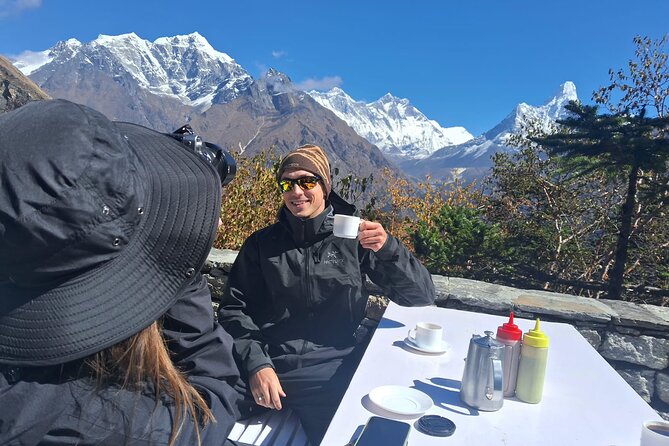
The trek requires a strong level of physical fitness. That is the clearest preparation guidance provided, and it should be taken seriously. This is a high-altitude trek with a route to Everest Base Camp and an acclimatization stop at Namche Bazaar. The information does not give a training plan, maximum altitude, daily distance, or elevation gain, so ask for those specifics when deciding if the trip fits your abilities.
Your own travel insurance is not included. Confirm that your policy covers the activities and locations involved, and ask the operator what insurance its guide carries, since guide insurance is included in the trip costs. Do not assume your personal policy is covered by the company’s arrangements.
The trip is private, but that does not make the terrain or altitude easier. If anyone in your party has concerns about fitness or health, discuss them with a qualified medical professional and the operator before committing. You will make a better decision with the full route and walking schedule in hand.
What past trips suggest about service
The most consistent strengths associated with this company are guide care and logistics. Roshan has been credited with organizing accommodation, food, and transport during a busy season. Dipak has been described as attentive and able to adapt a private EBC and Gokyo plan, while Arjun was praised for looking after a family with differing needs and a medical situation. Sau Bir Rai was described as experienced and reassuring.
These examples point to what you should value in a trek operator: clear planning before departure, a guide who listens, and practical help when the plan needs attention. They do not guarantee the same guide or outcome on every trip, but they give you useful questions to ask. Ask how the company handles medical concerns, itinerary changes, and arrangements when transport or lodging plans need to shift.
One account also described trekking in December, when conditions were cooler and the trails quieter. That is a personal example, not a promise about weather or trail conditions for your dates. If you are considering an off-season departure, ask the operator what changes to expect and whether the itinerary is suitable at that time.
Is this the right trek for you?
This option makes sense if you want a private Everest Base Camp trek with a guide and some major logistics included, and you are comfortable arranging or paying separately for accommodation, meals, insurance, and personal expenses. It may also suit a group that values having its own guide and wants a trip shaped around its own party.
I would hesitate to book based on the short itinerary alone. The mountain highlights are enticing, but you need a full day-by-day plan to judge the pace, acclimatization time, and total cost. Confirm who will guide your group, what the $990 includes in practice, and how lodging and meals will be handled.
If the operator answers those questions clearly and the physical demands fit your party, this can be a compelling way to approach Everest Base Camp. If you need an all-inclusive price or a fully documented schedule before you commit, get those details first rather than filling in the gaps yourself.
FAQ
How long is the Everest Base Camp trek?
The trek is listed as approximately 12 days. A complete day-by-day itinerary is not provided, so ask the operator for the daily route and overnight stops.
Where does the trek start and end?
It starts and ends at Adventure Treks Nepal P. Ltd. on Thamel Marg in Kathmandu. The activity ends back at the meeting point.
Is the trek private?
Yes. It is a private activity, and only your group participates.
What is included in the $990 price?
The stated inclusions are a domestic flight, required permits and entrance fees, guide salary and trip costs, and airport transfer services for arrival and departure, including the domestic flight.
Are accommodation and meals included?
No. Guest accommodation and food are excluded. Beverages are also excluded.
Do I need travel insurance?
Your personal insurance is not included. The trip information lists your insurance among the exclusions.
Can I cancel for a full refund?
Yes, if you cancel at least 24 hours before the experience’s start time. Cancellations made less than 24 hours beforehand are not refundable, and changes within 24 hours are not accepted.
Newly listed in Kathmandu
- Traditional Momo Making Class★ 5.0 · 10 reviews
- Walking tour of real Kathmandu through back streets.★ 5.0 · 3 reviews
- Kathmandu 2 Nights 3 Days Chitwan Jungle Safari Tour★ 5.0 · 9 reviews
- Visit Swayambhunath and Bauddhanath Stupa with Guide★ 5.0 · 5 reviews
- Walking tour of Kathmandu with awesome local guides★ 5.0 · 4 reviews
- Kathmandu Street Food Walking Tour – Eat Like a Local★ 5.0 · 3 reviews
- Private Manaslu Circuit Trek at Himalayas★ 5.0 · 3 reviews
- Kathmandu to Pokhara Vip Sofa Bus Ticket★ 4.0 · 4 reviews
Everest Base Camp Treks, compared.
Everest Base Camp Trek with Helicopter Return from Gorakshep to Lukla
Read our review →
Browse the lists this tour appears in