
Reviewed · EVEREST BASE CAMP TREKS
Everest Base Camp Trek
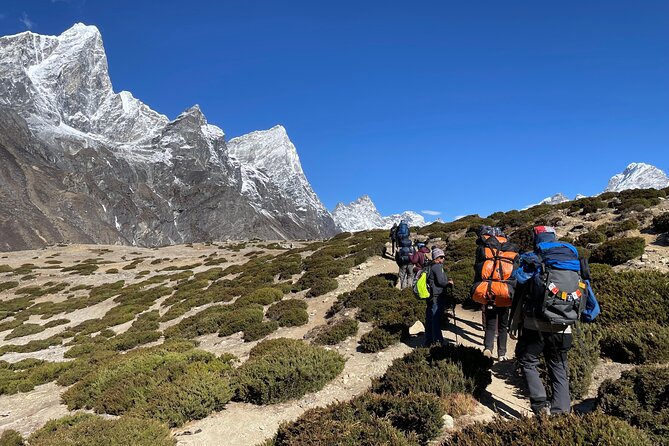
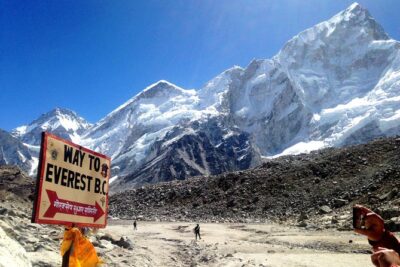
Everest Base Camp is the high point of a demanding two-week walk through the Khumbu, but the way there is part of the reward. You pass through Namche Bazaar, a hub of Sherpa life, and Tengboche, known for its monastery, before climbing to Base Camp at 5,364 meters and Kala Patthar at 5,545 meters.
I like that the plan builds in acclimatization stops at Namche Bazaar and Dingboche, and that a guide and a porter for every two people are included. I also like that the trip uses local tea houses, bringing you closer to daily life along the route than a string of large hotels would.
The main consideration is the altitude and the effort: the itinerary asks for strong fitness, and several trekking days are listed at around six hours. Lukla flights can also be delayed or canceled, so leave room in your plans and carry travel insurance that covers disruption.
What to know before you book
- The route tops out at Kala Patthar, 5,545 meters. Everest Base Camp is the headline destination, while the trek also reaches a higher viewpoint at Kala Patthar.
- Acclimatization is built into the schedule. You have a rest day in Namche Bazaar and another in Dingboche before continuing to higher ground.
- A guide and porters are included. One porter is provided for every two people, so you carry a day pack while the porter transports your main luggage.
- Tea houses are part of the deal. Expect clean, comfortable local lodge stays, not hotel comforts in the remote mountain villages.
- Lukla flights are a key uncertainty. If a flight is canceled, it may be rescheduled for the next day, subject to availability. A helicopter is an option at extra cost.
- The $1,500 price covers a lot, but not everything. Trek meals, lodging, guide and porter costs, permits and airport transfers are included; travel insurance and drinks are not.
From Kathmandu to the trail at Lukla
Your first day begins with an airport pickup at Tribhuvan International Airport and a transfer to a standard three-star hotel. The company asks for your international flight details so a representative can meet you after customs. If you have arranged your own Kathmandu hotel, share its details to set up a meeting.
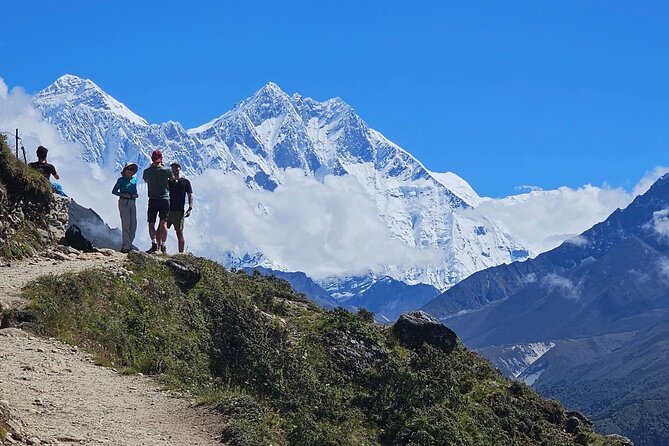
The trekking flight to Lukla is scheduled for early on Day 2. At 2,886 meters, Lukla is the gateway to the Khumbu route. After landing, you walk to Phakding, at 2,640 meters, in about four hours. This first stretch gives you a gentler start than heading straight into a long climb, though the flight itself is weather dependent.
Pack with that flight in mind. The stated domestic airline allowance is 15 kilograms, including your hand luggage. Excess weight costs $1 or more per kilogram, so keep your day pack compact and check your bag weight before leaving Kathmandu. A lockable bag for clothes you do not need on the trek can be left at the hotel, according to the operator.
More Everest Base Camp treks in Kathmandu:
- Everest Base Camp Trek – 14 Days
★ 5.0 · 1,499 reviews - Everest Base Camp Trekking
★ 5.0 · 485 reviews - Everest Base Camp Trekking – 13 Day
★ 5.0 · 365 reviews
Namche Bazaar: a trading town and a pause to adjust
Day 3 is a roughly six-hour walk from Phakding to Namche Bazaar, at 3,440 meters. This is a major gain in altitude and a demanding day, so pace matters. Namche is the capital of the Sherpa community in the Khumbu and an important stop before the route climbs higher.
The following day is set aside for acclimatization. It is not a spare day to dismiss as wasted time: it breaks up the ascent before Tengboche and gives your body time to adjust. The program lists six hours for the day, but does not specify a particular outing. Ask your guide what the plan is and follow their advice rather than treating the rest day as an invitation to push hard.
Namche is also one of the more substantial villages on the route. You stay in a tea house, and the included meals continue here. The package does not include alcoholic or non-alcoholic drinks, and you should budget separately for drinks, snacks, hot showers where available, and other personal purchases.
Tengboche and the climb toward Dingboche
On Day 5, you leave Namche for Tengboche, listed at 3,867 meters, on another six-hour trek. Tengboche is known for its monastery and offers a shift in mood from the commercial hub at Namche to a place with a strong spiritual presence. The itinerary does not specify a monastery visit or entrance fee, so check what your guide plans rather than assuming a formal tour is included.
Day 6 continues to Dingboche at 4,260 meters. The route is now firmly at high altitude, and even a walk that feels manageable at lower elevations can demand more of you here. The daily schedule gives about six hours for the trek.
Day 7 is another acclimatization day at Dingboche. The route description mentions the Chhukhung path, then returning to Dingboche to rest, but does not spell out the distance or exact walking plan. Confirm the day’s activity with your guide. As at Namche, this pause is a useful part of the itinerary, not a sign that the trek is easy.
Lobuche, Base Camp and Kala Patthar
The walk from Dingboche to Lobuche, at 4,930 meters, takes about six hours. You stop for lunch at Dugla, listed at 4,595 meters, before continuing to Lobuche. This is a high and increasingly demanding stretch, so keep your day pack light and drink treated water. The operator recommends water-purification tablets; bottled or boiled water can also be bought along the route.
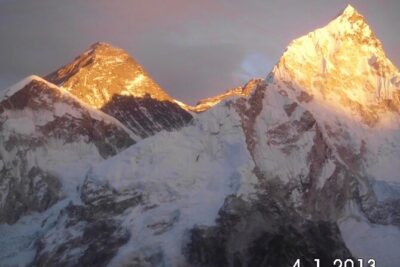
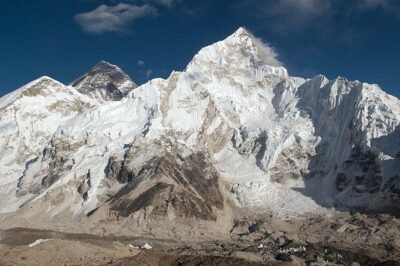
Day 9 takes you from Lobuche through Gorak Shep, at 5,140 meters, to Everest Base Camp at 5,364 meters. The listed walking time is six hours. Reaching Base Camp is the emotional centerpiece of the trip, but the elevation and rocky route make it a serious day, not a casual stroll to a photo stop. The program does not promise a view of Everest from Base Camp itself. The wider trek is sold for its views of the Everest range, and the next morning’s destination, Kala Patthar, is a high viewpoint.
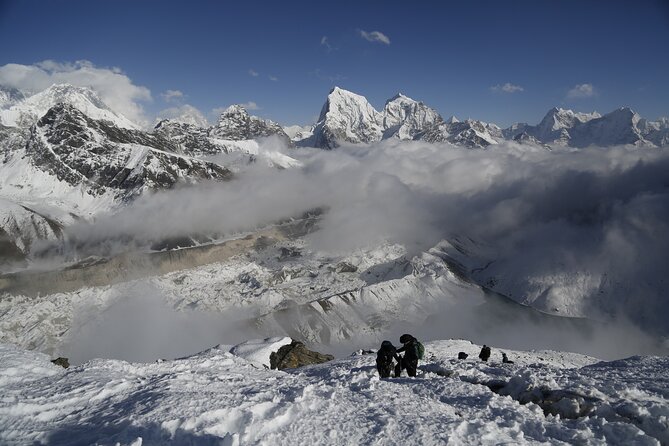
On Day 10, you climb from Gorak Shep to Kala Patthar at 5,545 meters, then descend to Pheriche at 4,243 meters. The schedule again gives six hours. This is the highest point on the itinerary, and reaching it takes effort even before the descent begins. Take the pace set by your guide and keep warm layers accessible, rather than buried in a porter’s bag.
The itinerary’s Day 11 description has a mismatch: its heading says Pheriche to Namche Bazaar, while the route text refers to walking from Tengboche to Namche. The stated arrival is Namche in the late afternoon. Ask the operator to confirm the exact route and overnight stop before you book, so you understand how this return leg is arranged.
More multi-day treks in Kathmandu:
- Everest Base Camp Trek -14 Days
★ 5.0 · 321 reviews - Everest Base Camp Trekking – 2025/2026
★ 5.0 · 199 reviews - Everest Base Camp Trek
★ 5.0 · 193 reviews - Everest Base Camp Trek with Helicopter Return from Gorakshep to Lukla
★ 5.0 · 161 reviews
Returning to Lukla and Kathmandu
Day 12 is the walk from Namche Bazaar back to Lukla, listed at about six hours. After reaching Lukla, you have time to freshen up and rest. Day 13 is an early flight back to Kathmandu, followed by a transfer to your hotel. Day 14 includes a private transfer to Tribhuvan International Airport for departure.
That schedule leaves little slack if Lukla flights are disrupted. The company says canceled flights may be moved to the following day, subject to availability. It may also be possible for a group to hire a helicopter to keep the planned schedule, at a minimum stated cost of $500 per person, depending on group size. That cost is yours, not part of the $1,500 trek price. Travel insurance that covers flight cancellation and helicopter expenses is especially important here.
Guides, porters and the practical value of the package
A guide and one porter for every two people are included, along with their wages, food, drinks, accommodation, transport and insurance. That support matters on a route where you will want to conserve energy for walking at altitude. You carry your own day pack with essentials such as water, a camera, sunscreen and a spare jacket; the porter carries your main luggage.
Past trekking accounts name guides including Pradip, also called Master Zi, and Laxman. Pradip is particularly associated with explaining the mountains and spotting wildlife, while Laxman is described as highly experienced. Those names are not a promise of who will lead your departure, so ask who is assigned and what experience they have. The helpful pre-trip coordination also matters: the company asks for flight and hotel details in advance and arranges airport pickup.
The group is capped at 15, which keeps the party from becoming unwieldy, though it is not a private trek. Ask how the group size affects the pace and porter arrangements. A single room during the trek is available for an additional $200, subject to the company’s arrangement, while the standard accommodation is twin-share.
What the $1,500 price covers
For $1,500 per person, the package includes airport transfers by private vehicle, two nights in a standard three-star Kathmandu hotel, tea-house accommodation during the trek, the guide and porter team, the TIMS card fee, a first-aid kit, taxes and service charges. It also lists 14 breakfasts, 11 lunches and 11 dinners.
The meal count is worth clarifying before departure. Meals on the trek are included, but lunch and dinner in Kathmandu are not, and drinks are excluded throughout. The operator says meals are served at the lodges, with the guide choosing a place for lunch each day. Confirm which breakfasts are covered in Kathmandu and how meal arrangements work on your particular dates.
The price is appealing for a guided trek that includes porters, lodging and many meals, but it is not an all-in holiday cost. You still need to pay for travel insurance, drinks, snacks, tips, optional hot showers, Kathmandu meals and any entrance fees for city sightseeing. The company suggests budgeting $12 to $15 per day for drinks, showers and snacks on the trek if you do not drink alcohol or shop, and recommends setting aside 10 to 15 percent of the tour cost for staff tips if you feel the service merits it.
Electricity is available in some villages, including places with solar power, but charging depends on local supply and costs extra. Bring spare batteries rather than relying on charging each night. Keep some cash available for these small expenses, since they can add up over two weeks.
Is this the right Everest trek for you?
This trek suits you if you are fit, comfortable with basic tea-house lodging and drawn to a long mountain journey with Sherpa culture, monastery visits, high passes and a clear goal at Base Camp. The guided format and porter support make the logistics easier, while acclimatization days provide a more considered pace than a nonstop ascent.
It is a poor fit if you need predictable flight times, hotel comforts every night or a low-effort holiday. The altitude is substantial, the schedule includes repeated six-hour walking days, and the journey depends on flights to and from Lukla. I would book only after confirming the Day 11 route, meal details, assigned guide and flight-disruption coverage. If those points suit you, this is a strong-value way to take on one of Nepal’s best-known treks with local support.
FAQ
How long is the Everest Base Camp trek?
The program is 14 days, including arrival and departure in Kathmandu, the flights to and from Lukla, and the trek itself.
What is the highest point on the route?
Kala Patthar is the highest listed point, at 5,545 meters. Everest Base Camp is listed at 5,364 meters.
Are meals included?
The package lists 14 breakfasts, 11 lunches and 11 dinners. Lunch and dinner in Kathmandu are not included, and alcoholic and non-alcoholic drinks are excluded.
What accommodation is provided?
You get two nights in a standard three-star hotel in Kathmandu and lodge or tea-house accommodation during the trek. Trek accommodation is normally twin-share; a single supplement is available for $200.
What happens if a Lukla flight is canceled?
The flight may be rescheduled for the following day, subject to availability. A helicopter may be arranged for at least $500 per person, depending on group size, and is an extra expense.
How much luggage can I take on the domestic flights?
The stated allowance is 15 kilograms, including your hand luggage. Excess weight is chargeable at $1 or more per kilogram.
Newly listed in Kathmandu
- Traditional Momo Making Class★ 5.0 · 10 reviews
- Walking tour of real Kathmandu through back streets.★ 5.0 · 3 reviews
- Kathmandu 2 Nights 3 Days Chitwan Jungle Safari Tour★ 5.0 · 9 reviews
- Visit Swayambhunath and Bauddhanath Stupa with Guide★ 5.0 · 5 reviews
- Walking tour of Kathmandu with awesome local guides★ 5.0 · 4 reviews
- Kathmandu Street Food Walking Tour – Eat Like a Local★ 5.0 · 3 reviews
- Private Manaslu Circuit Trek at Himalayas★ 5.0 · 3 reviews
- Kathmandu to Pokhara Vip Sofa Bus Ticket★ 4.0 · 4 reviews
Everest Base Camp Treks, compared.
Everest Base Camp Trek with Helicopter Return from Gorakshep to Lukla
Read our review →
Browse the lists this tour appears in