
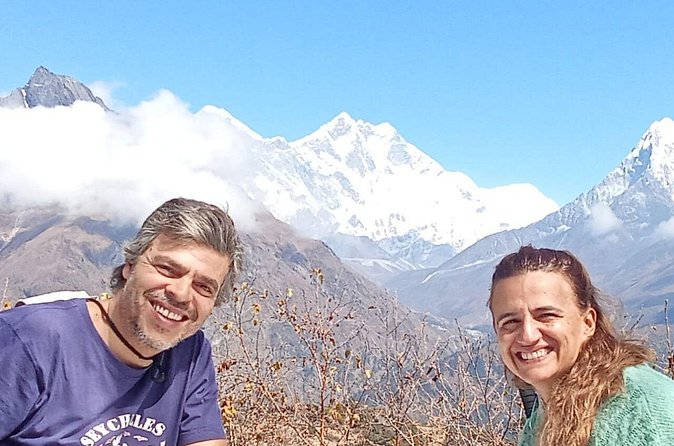
Reviewed · EVEREST BASE CAMP TREKS
Everest Base Camp Trek Via Gokyo Lake and Cho La Pass
Everest Base Camp is the headline, but the route’s real draw is the contrast: you reach the famous Khumbu Glacier, then cross Cho La Pass into the quieter Gokyo Valley. It is a demanding way to see two very different sides of the Everest region in one trip.
I like the mix of high points, from Kala Patthar’s sunrise views to Gokyo’s lakes, and the practical inclusions: flights, meals, permits, a guide, and porter support are part of the $1,000 price. The main consideration is the effort. Two weeks at altitude, including a glacier pass, is a serious trek, not a casual walking holiday.
- Cho La joins two classic routes: The pass links the Everest Base Camp trail with Gokyo, adding a challenging crossing to the usual out-and-back journey.
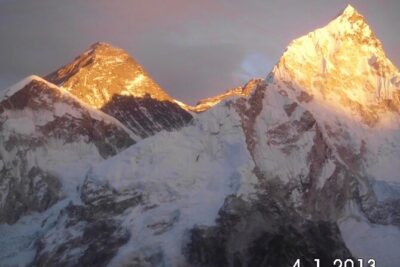
- Kala Patthar is the Everest viewpoint: The early climb on Day 9 is the planned spot for sunrise views of Everest.
- Gokyo offers a quieter change of pace: The itinerary includes a climb for wide mountain views and visits to the third and fourth lakes.
- You sleep in teahouses: Twelve nights of twin-sharing accommodation are included, along with three meals a day during the trek.
- The $1,000 package covers key logistics: Domestic flights, permits, airport transfers, and a licensed guide are included, but gear, insurance, tips, and some teahouse extras are not.
- Check the day-by-day timing before paying: Several listed durations look unusually long or short, so ask the operator to confirm the actual walking schedule.
Why this route earns its extra effort
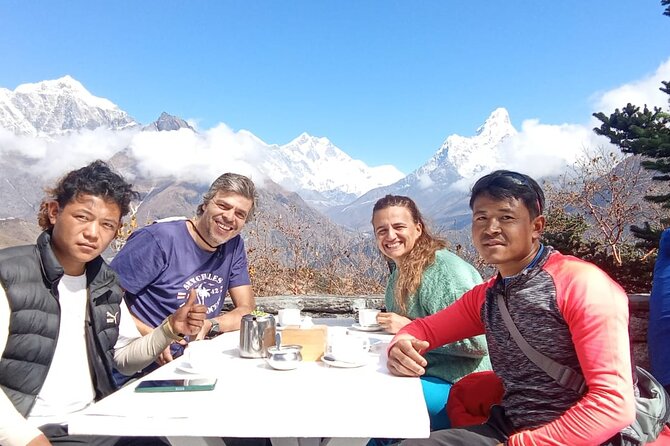
Many trekkers go to Everest Base Camp and return by the same trail. This route carries on across Cho La Pass and into the Gokyo Valley, so you get the landmark destination and a second set of mountain scenery. The payoff is variety: Sherpa villages, monasteries, glacier country, a high pass, and lakeside days all fit into one trip.
That variety comes with a cost in stamina. The itinerary includes several long walking days and a high-altitude pass. The trip information calls for moderate physical fitness, but that description should not be read as a promise that the route will feel moderate once you are high in the Himalaya. You should be comfortable with multi-day hiking and ready for the pace and conditions to feel harder as altitude increases.
The route also builds in a rest and acclimatization day in Namche Bazaar. That is useful, not wasted time. You can take an optional hike to Everest View Hotel, explore the market and Sherpa museum, or simply take it easier before continuing uphill.
The first days: Kathmandu to Namche Bazaar
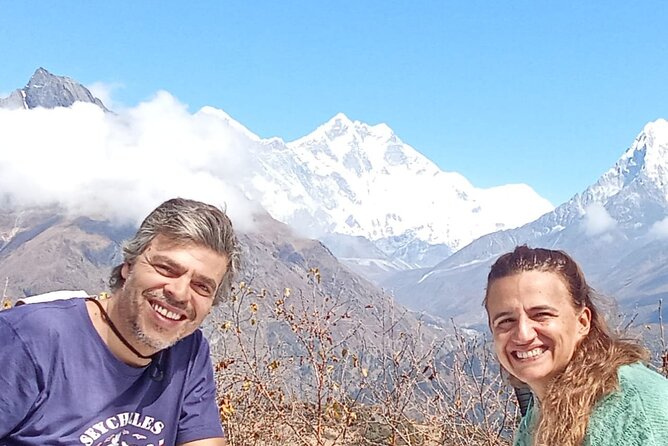
Day 1 begins at Tribhuvan International Airport, where a guide meets you with a name sign. You have a trek briefing and gear check, plus one Kathmandu hotel night with breakfast. That first meeting matters: use it to check your equipment, ask about the walking plan, and clarify what your porter will carry.
On Day 2, you take a morning flight to Lukla and start walking towards Phakding through Sherpa villages. Lukla is the gateway to the trek, and the flight puts you straight into the mountain journey. The supplied schedule does not give a duration or a named stop for this day, so confirm the expected walking time and overnight arrangements with the operator.
Day 3 takes you across suspension bridges and into Sagarmatha National Park, with Namche Bazaar as the destination. This is also when the itinerary notes a first glimpse of Everest. Namche is a natural place to pause and get your bearings before the trail climbs higher.
Day 4 is set aside in Namche. The optional walk to Everest View Hotel reaches 3,880 metres, while the local market and Sherpa museum offer a change from trail walking. I like that the day has options rather than requiring another major push. Still, an optional hike is not automatically an easy one at altitude, so decide how you feel after the previous days.
More Everest Base Camp treks in Kathmandu:
- Everest Base Camp Trek – 14 Days
★ 5.0 · 1,499 reviews - Everest Base Camp Trekking
★ 5.0 · 485 reviews - Everest Base Camp Trekking – 13 Day
★ 5.0 · 365 reviews
Monastery paths and higher ground
On Day 5, the route heads through pine forest towards Tengboche, with views of Thamserku and Everest along the way. Tengboche Monastery is the cultural stop, and it gives the day a different focus from simply gaining distance. The listed 15-hour duration looks unusually long for a walking stage. Ask whether that figure is a data error and what the expected walking time is.
Day 6 continues to Dingboche, crossing the Imja Khola and passing Pangboche. The itinerary notes that the effects of altitude begin to become more noticeable here. That is a useful reminder to keep a steady pace and tell your guide if you feel unwell, rather than treating every day as a race.
Day 7 climbs through alpine terrain to Lobuche, passing memorials to climbers. The memorials make the human cost of Himalayan climbing visible, while the gradual ascent keeps the focus on adapting to the height. The listed five-minute duration is clearly not useful as a planning figure. Get the actual walking time from the operator before you book.
Everest Base Camp and Kala Patthar
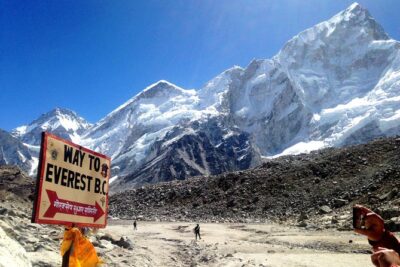
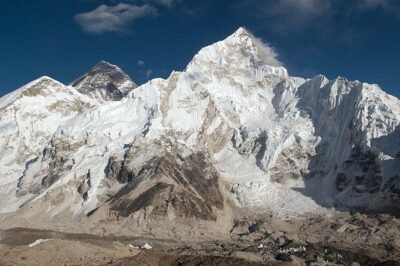
From Lobuche, Day 8 goes to Gorak Shep and on to Everest Base Camp, following the Khumbu Glacier. You return to Gorak Shep after reaching Base Camp. This is the route’s iconic milestone, but it is not the best place to expect a classic, unobstructed view of Everest itself. The itinerary’s stronger Everest viewpoint comes the next morning at Kala Patthar.
Day 9 starts with a sunrise climb to Kala Patthar, then descends to Lobuche and continues to Dzongla. That makes for a demanding day, with an early start and substantial walking. The reward is the planned panoramic view of Everest in the morning light, followed by a route that positions you for Cho La.
If the Base Camp day is your emotional high point, Kala Patthar may be your visual one. Keep your expectations practical: weather and visibility can affect mountain views, and no schedule can guarantee a clear sunrise. The trip information says poor weather can lead to a date change or refund if the experience is cancelled, but it does not specify how weather affects a trek already underway. Ask how the operator handles delays or route changes.
Cho La Pass and Gokyo’s lakes
Day 10 is the most demanding transition: you cross icy Cho La Pass early in the morning, then descend into the Gokyo Valley. The pass is what makes this itinerary more than a standard Everest Base Camp trek, and it is also the part that calls for the most respect. Ask the guide what conditions or safety decisions might change the crossing plan. Emergency oxygen is noted as part of the safety support, but you should still have mandatory travel insurance suitable for your trek.
Day 11 brings a climb for wide views of Everest, Cho Oyu, and Makalu, followed by visits to the third and fourth Gokyo Lakes. After the pass, this day offers a shift in mood: a high viewpoint and still water rather than a push towards Base Camp. You are not simply doubling back on the same trail, which is one of the route’s strongest advantages.
The itinerary does not give a duration for Day 11, or name the viewpoint for the morning climb. Confirm both details, along with the overnight stop. These specifics help you judge how much recovery time you have after Cho La.
More multi-day treks in Kathmandu:
- Everest Base Camp Trek -14 Days
★ 5.0 · 321 reviews - Everest Base Camp Trekking – 2025/2026
★ 5.0 · 199 reviews - Everest Base Camp Trek
★ 5.0 · 193 reviews - Everest Base Camp Trek with Helicopter Return from Gorakshep to Lukla
★ 5.0 · 161 reviews
The return to Lukla and Kathmandu
Day 12 descends past Machhermo, Dole, and Khumjung before reaching Namche for a hot shower and rest. That is a long list of places for one day, so ask the operator to confirm the planned route and walking time. Hot showers are not included in the package, and teahouses may charge extra for them.
Day 13 follows the Dudh Koshi River back to Lukla. It is the final trekking day, but do not treat it as a throwaway. You still have a full day on foot, and the next morning depends on a domestic flight.
On Day 14, you fly early from Lukla to Kathmandu. The flight is listed as about 35 minutes, and the rest of the day is free for rest, shopping, or an optional massage. The trip ends back at the airport meeting point; an extra hotel night or transfer is optional. Since flight delays may mean extra accommodation costs, leave flexibility in your onward travel plans and budget for an additional night if needed.
What the $1,000 price includes, and what it does not
At $1,000 per person, the package includes several of the costly building blocks of a Nepal trek: round-trip Kathmandu-Lukla flights, airport transfers, a Kathmandu hotel night with breakfast, permits, a licensed English-speaking guide, porter support at a 1:2 ratio, twelve nights of twin-sharing teahouse accommodation, and all trek meals. A duffel bag for trekking gear is provided and must be returned.
That is a useful bundle, especially if you want one operator to arrange the core logistics. Meals are included at breakfast, lunch, and dinner during the trek, so you are not paying separately for each meal. Still, the information does not spell out every service detail, so confirm the precise inclusions and the plan for flight disruptions before booking.
You pay separately for international airfare, a Nepal visa, Kathmandu lunches and dinners, personal trekking gear, and mandatory travel insurance. Tips for the guide and porter are optional but expected. Hot showers, Wi-Fi, and battery charging at teahouses also cost extra, and extra hotel nights caused by delays or an early return are not included. Those small charges can add up over two weeks, so bring a contingency budget rather than relying on the headline price alone.
Guide support, fitness, and preparation
The trek is listed as a private activity, meaning only your group participates. A licensed English-speaking guide and porter support are included, with one porter for every two trekkers. That arrangement can reduce the weight you carry, but you still need your own suitable boots, warm clothing, and other personal equipment. Gear can be rented in Kathmandu.
The assigned guide’s name is not specified. Guides named Udio and Shisir have led other Marvel Treks and Expedition outings, but neither is confirmed for this route. Ask who will lead your departure and how the guide handles altitude concerns, weather changes, and the Cho La crossing.
The company’s wider Nepal trips have been praised for organization, food, and guides who offer reassurance when people feel uncomfortable. Those are useful qualities on a long trek, where small practical help can make a hard day feel manageable. They are not a substitute for asking direct questions about this specific route and your own preparation.
Is this the right Everest trek for you?
I would consider this route if you want more than the standard Base Camp return and are prepared for a demanding two-week trek. The Cho La crossing and Gokyo Lakes add real variety, while the included flights, permits, meals, and guiding make the package easier to plan than arranging each piece separately.
I would pause if your main priority is a gentler pace, if you have little experience with multi-day hiking, or if you cannot allow flexibility for flight delays. Before booking, ask for corrected daily timings, the exact overnight plan, the guide’s name, and details of emergency and weather procedures. If those answers are clear and you are ready for the altitude and effort, this is a compelling way to pair Everest Base Camp with Gokyo in one trip.
FAQ
How long is the trek?
The experience is scheduled for 14 days, including arrival in Kathmandu and the return flight from Lukla.
What is the price per person?
The listed price is $1,000 per person. Group discounts are available, though the discount details are not specified.
Are the domestic flights included?
Yes. Round-trip flights between Kathmandu and Lukla are included.
Are meals included during the trek?
Yes. Breakfast, lunch, and dinner during the trek are included. Lunch and dinner in Kathmandu are not included.
Where do I stay during the trek?
The package includes twelve nights in twin-sharing teahouse accommodation, plus one night in a Kathmandu hotel with breakfast.
Is a guide included?
Yes. A licensed English-speaking trekking guide is included, along with porter support at a ratio of one porter for every two trekkers.
Do I need travel insurance?
Yes. Travel insurance is mandatory, though the supplied details do not specify the required coverage.
What personal costs should I budget for?
You pay separately for personal trekking gear, tips, hot showers, Wi-Fi, battery charging, Kathmandu lunches and dinners, and extra hotel nights caused by delays or an early return.
Where does the trek start and end?
The meeting point is Tribhuvan International Airport in Kathmandu. The activity ends back at the meeting point after the return flight.
Newly listed in Kathmandu
- Traditional Momo Making Class★ 5.0 · 10 reviews
- Walking tour of real Kathmandu through back streets.★ 5.0 · 3 reviews
- Kathmandu 2 Nights 3 Days Chitwan Jungle Safari Tour★ 5.0 · 9 reviews
- Visit Swayambhunath and Bauddhanath Stupa with Guide★ 5.0 · 5 reviews
- Walking tour of Kathmandu with awesome local guides★ 5.0 · 4 reviews
- Kathmandu Street Food Walking Tour – Eat Like a Local★ 5.0 · 3 reviews
- Private Manaslu Circuit Trek at Himalayas★ 5.0 · 3 reviews
- Kathmandu to Pokhara Vip Sofa Bus Ticket★ 4.0 · 4 reviews
Everest Base Camp Treks, compared.
Everest Base Camp Trek with Helicopter Return from Gorakshep to Lukla
Read our review →
Browse the lists this tour appears in