
Reviewed · EVEREST BASE CAMP TREKS
Everest Base Camp Trek
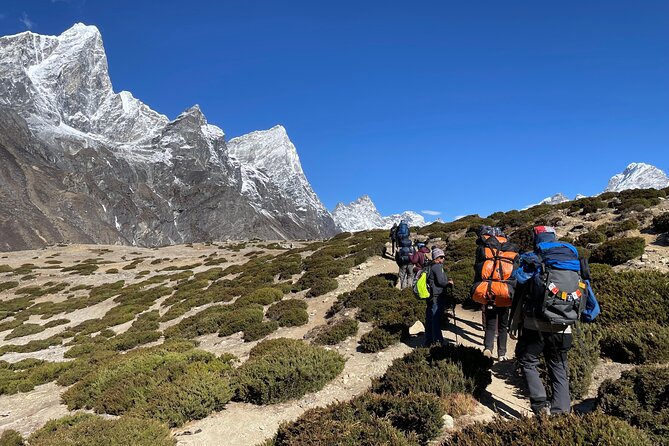
Everest Base Camp is not a quick mountain outing. It is a two-week walk into the Khumbu, with suspension bridges, Sherpa villages, monasteries, glacier paths, and days of steady climbing before you reach the foot of the world’s highest mountain. The route rewards patience: you gain altitude gradually, with two planned acclimatization days before the hardest stretch.
I like that the package covers key costs that can complicate a Nepal trek, including Kathmandu to Lukla flights, park permits, a licensed guide, meals, and sleeping gear. I also like the overnight stops in places such as Namche Bazaar and Dingboche, where you can pause, look around, and adjust to the height rather than simply push ahead.
The trade-off is that this is a demanding trek, not a comfortable sightseeing tour. You need strong physical fitness, and the price does not include travel and rescue insurance, porters, or a Kathmandu hotel. The itinerary also gives conflicting meal totals, so clarify exactly what is covered before paying.
What to know before you book
- Lukla flights are included: The package covers round-trip flights from Kathmandu to Lukla, the trailhead for the trek.
- Two acclimatization days are planned: You spend a day in Namche Bazaar and another in Dingboche, with short walks rather than a full day of trekking.
- Mountain gear is supplied: A sleeping bag, down jacket, and duffel bag are included, along with a medical kit.
- The trek has a private format: Only your group participates, and a government-licensed mountain guide from Kathmandu is part of the package.
- The base camp is not the only high point: The route also includes a walk to Kala Patthar, described as the trek’s sunrise viewpoint.
- Some major costs remain yours: Insurance, porter service, Kathmandu lodging, tips, and personal purchases are excluded.
From Kathmandu to the Khumbu
The tour begins with an airport pickup in Kathmandu. On the first day, a representative from Nepal High Trek & Expedition meets you at Tribhuvan International Airport and takes you to the arranged hotel. The itinerary names Mount Everest as the first stop, but the description makes clear that this is an arrival day in Kathmandu, not a visit to the mountain.
That distinction matters when planning flights. The package includes airport transfers and trek accommodation, but it specifically excludes your hotel in Kathmandu. Ask the operator which hotel, if any, is arranged for the first night and budget for the city nights separately. The final night in Kathmandu is also part of the schedule, so confirm the lodging plan for both ends of the trek.
Day two starts with a transfer to the domestic airport for the flight to Lukla. That short flight brings you to the start of the walking route. It is a small but important part of the trip: the package includes both Kathmandu to Lukla and return tickets, while flights can be affected by weather. The operator says that if poor weather cancels the experience, you can be offered a different date or a full refund. Ask how delays or cancellations during the trek are handled, since added expenses caused by flight disruption are not included.
More Everest Base Camp treks in Kathmandu:
- Everest Base Camp Trek – 14 Days
★ 5.0 · 1,499 reviews - Everest Base Camp Trekking
★ 5.0 · 485 reviews - Everest Base Camp Trekking – 13 Day
★ 5.0 · 365 reviews
The first trail days: Phakding and Namche
After Lukla, the route heads toward Phakding, then continues to Namche Bazaar. The itinerary’s descriptions focus on the walk to Namche, crossing suspension bridges over the Dudh Koshi River and catching views of Mount Thamserku. This is where the trip shifts from an airport transfer into a sustained mountain walk.
Namche is more than a place to sleep. The schedule sets aside a full acclimatization day here, with time to explore the town. It notes practical services such as banks, ATMs, and internet cafes, which can be useful before heading farther into the region. There is also an Irish Pub stop in the itinerary. Treat that as a named point of interest, not a promise of a particular meal or activity.
I like the decision to pause in Namche. The stop gives you a chance to get used to the altitude and to see a Sherpa community along the route, rather than treating the village as a quick pass-through. You should still expect a walking holiday, not a town break: the schedule’s rest day includes exploring the surrounding area.
Tengboche and Dingboche: time to adjust
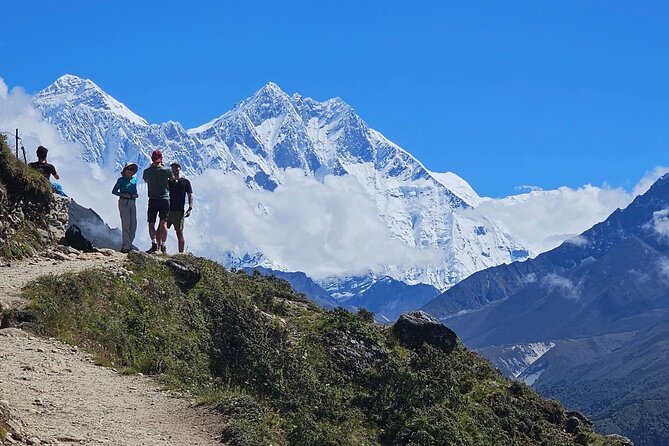
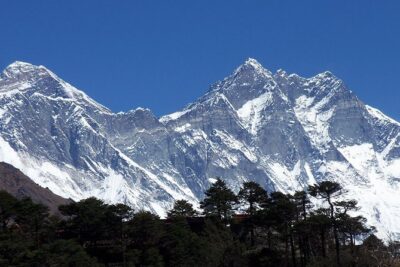
From Namche, the trail continues toward Tengboche. The route description points to views of Everest, Nuptse, Lhotse, and Ama Dablam, along with a visit to Tengboche Monastery. The monastery and its mountain setting provide a welcome change of pace from the steady trail. The following day continues to Dingboche, with the schedule allowing about three hours for the described visit and walk.
Dingboche gets another acclimatization day. The plan includes a short hike toward Chhukung through the Imja Khola valley, with views of Lhotse mentioned along the way. That extra day is valuable because the walk ahead reaches the higher, more exposed part of the route. It is not spare time to waste: follow your guide’s pace and instructions, and avoid treating a rest day as a chance to race ahead.
The itinerary uses sightseeing labels such as Dingboche View Point and Dingboche Stupa. These identify stops on the route, but the information does not give a detailed schedule for each one. If you want to know how long you will walk each day, ask the operator for a day-by-day trekking plan with distances and elevation changes. The tour description provides only a few walking-time estimates.
Toward the glacier and Everest Base Camp
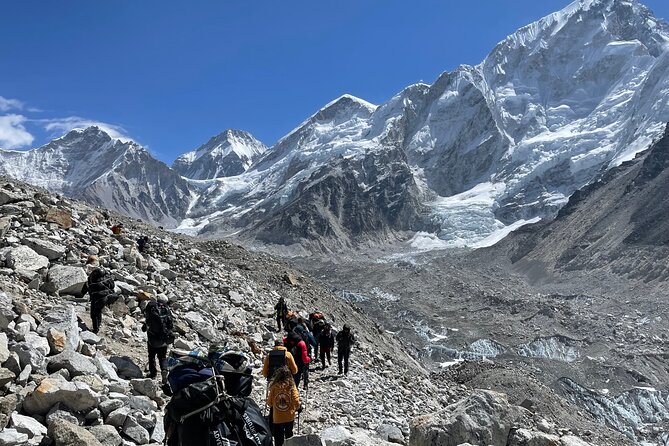
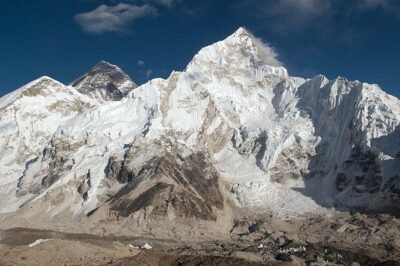
After Dingboche, the route continues toward the Khumbu Glacier. The description mentions walking beside its lateral moraine and passing stone memorials for climbers who died on nearby peaks. This is a sobering part of the trek. It puts the region’s beauty and mountaineering history in perspective without turning the walk into a summit climb.
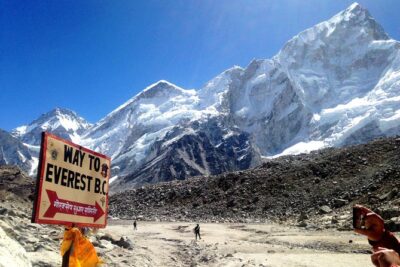
The next stage goes to Gorak Shep, then onward to Everest Base Camp. The itinerary gives four minutes for the Base Camp stop, which is clearly not a useful estimate of the full walk. Think of the day as a substantial trek, and ask the operator how much time is allowed for the approach and return. The actual stop at base camp may be brief, depending on conditions and the day’s pace.
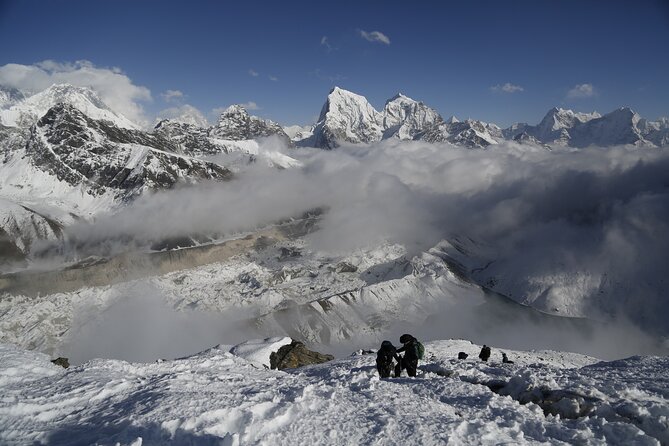
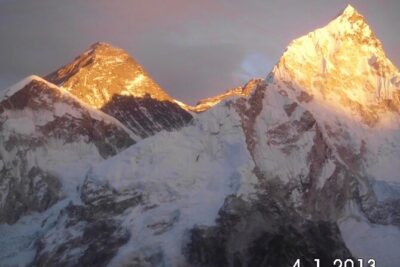
Base Camp is the name most people carry into the trip, but it is not a summit or a guaranteed view of Everest itself. The next morning’s planned climb to Kala Patthar is described as the key day, with an early start to watch sunlight reach the surrounding snow peaks. The itinerary assigns 30 minutes to the Gorak Shep stop, not the full Kala Patthar walk, so confirm the expected hiking hours and timing before departure.
You should also take the supplied medical kit and the insurance requirement seriously. The tour includes arrangements for emergency helicopter service, but the cost is to be paid by your travel insurance company. The package does not include travel and rescue insurance, so arrange suitable cover before you set off and check that it applies to this trek.
More multi-day treks in Kathmandu:
- Everest Base Camp Trek -14 Days
★ 5.0 · 321 reviews - Everest Base Camp Trekking – 2025/2026
★ 5.0 · 199 reviews - Everest Base Camp Trek
★ 5.0 · 193 reviews - Everest Base Camp Trek with Helicopter Return from Gorakshep to Lukla
★ 5.0 · 161 reviews
The return route through Pheriche and Lukla
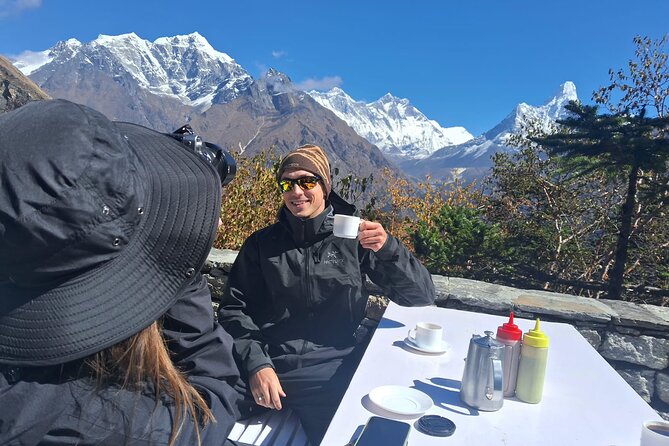
The trek turns back through Pheriche, with a listed seven-hour stop or walking segment. The route description says you take a different path down toward Orsho and pass Pangboche, where you can visit an old monastery. The itinerary mentions a local story about the monastery and the Yeti; take that as folklore tied to the place, not a confirmed exhibit or guaranteed sighting.
From the upper Khumbu, the route returns to Namche and then continues to Lukla. The schedule’s wording around these days is compressed, and its stop durations do not give a clear account of every walking day. Ask for the operator’s full daily route and walking estimates, especially if you need to coordinate an onward flight or have a tight schedule.
The final trekking night is at a guesthouse in Lukla. You have some leisure time to explore the valley, then fly back to Kathmandu the next day. The return flight is included, as are transfers to and from the domestic and international airports. Since flight disruption can bring extra costs, keep some flexibility in your plans rather than arranging an immediate onward departure.
What the $1,799.27 covers, and what it does not
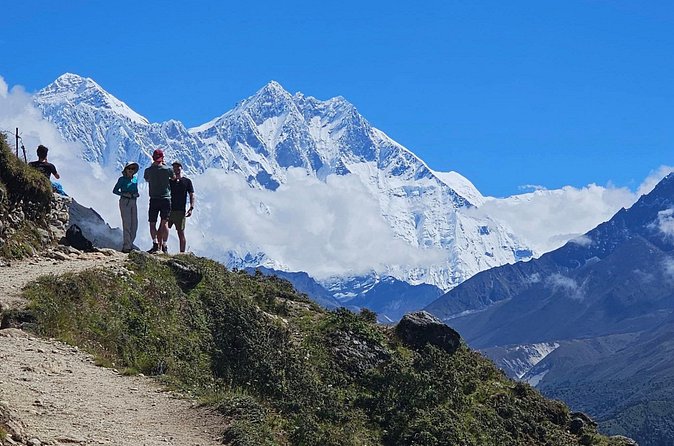
At $1,799.27 per person, the package includes several expensive or logistically useful parts of an Everest trek: round-trip Kathmandu to Lukla airfare, a licensed mountain guide, Sagarmatha National Park and Khumbu entrance fees, 11 nights of trekking accommodation, and a sleeping bag, down jacket, and duffel bag. Meals and three cups of hot tea during the trek are also listed, along with a medical kit and airport transfers.
The value depends partly on what you would otherwise have to arrange yourself. Having flights, permits, a guide, gear, and mountain lodging bundled together can simplify planning. The tour is private, so it is suited to a group that wants to trek together rather than join strangers. The description does not state whether porters are provided, and porter costs are explicitly excluded. If you do not want to carry your own main bag, ask about availability and price before booking.
There is an important detail to settle: the meal counts do not match. One section lists 12 breakfasts, 12 lunches, and 11 dinners; another lists 14 breakfasts, 13 lunches, and 13 dinners. Do not assume the larger totals are correct. Ask for a written meal schedule and confirm what you must pay for yourself.
Personal costs add up in the mountains. Phone calls, laundry, battery charging, bottled water, hot water, showers, and tips are all excluded. The package also excludes Kathmandu hotel stays and any added costs from strikes or delayed or canceled flights. The listed price is a starting point for comparing packages, not necessarily your full trip budget.
The tour is recommended for people with a strong level of physical fitness. You should also be comfortable with walking day after day and with the possibility that flight plans may change. The trip is typically booked about 77 days in advance, which is a useful signal to begin planning early, especially if you need time to arrange insurance, equipment, or leave from work.
A guide-led trek, with a few questions to settle
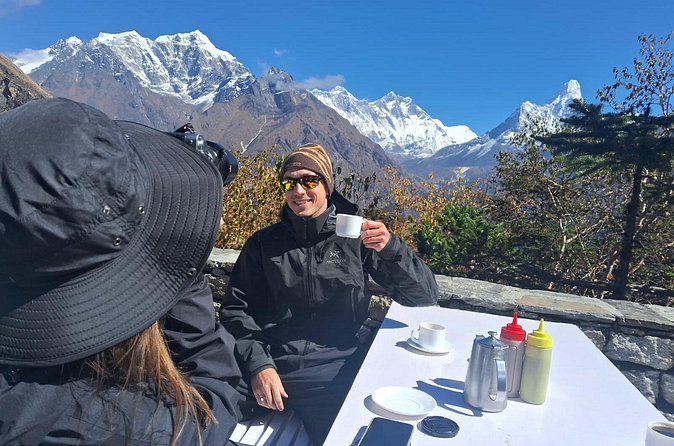
The strongest practical advantage is the guide. The tour includes a government-licensed mountain guide, and past accounts name Buddhi as a guide who led groups with care and encouragement. Another account names Pawan, but that was for a route via Gokyo Lakes and Cho La, not necessarily this standard itinerary. Ask who will guide your departure and what support is included.
The comments about the team repeatedly emphasize attentiveness, organization, and help through difficult days. That matters on a trek where the schedule is demanding and small decisions about pace and rest can shape the whole trip. The package includes a guide, but it does not list porter service as included, so be clear about who carries what.
Before you commit, ask for the full route with daily walking hours, a clear meal breakdown, the Kathmandu hotel arrangement, and the plan for flight delays. Those are not small print questions on a 14-day trek. They affect your budget, your luggage, and how much slack you need in your calendar.
The booking terms allow a full refund if you cancel at least 24 hours before the start time; cancellations within 24 hours are not refunded. Changes made within 24 hours are not accepted, and cut-off times follow local time. The listed start time is 8:15 am, but confirm exactly what that time refers to, since the first day involves airport pickup.
Should you book this Everest Base Camp trek?
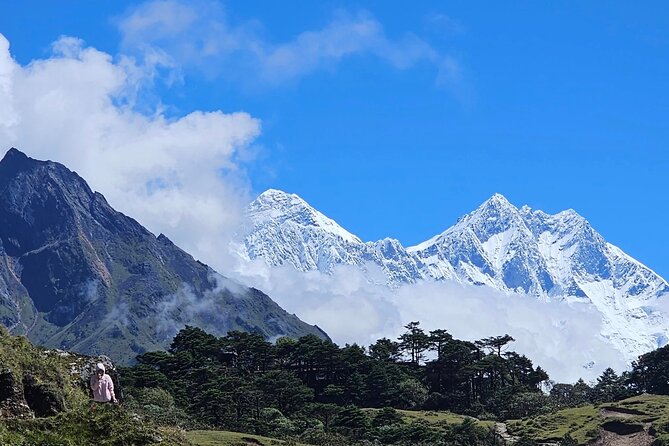
Book it if you want a guided, private trek with flights, permits, mountain lodging, meals, and basic cold-weather gear arranged in one package. The two acclimatization days, the visits around Namche and Tengboche, and the route to both Base Camp and Kala Patthar make it more than a simple out-and-back walk.
Look elsewhere, or ask more questions first, if you need porters included, want a fully itemized meal plan, or have little flexibility for weather-related delays. For a fit hiker prepared for a serious challenge, this package offers a clear route and useful logistical support. Its best value comes when you confirm the unresolved details before you pay.
FAQ
How long is the Everest Base Camp Trek?
The tour lasts approximately 14 days, including arrival and departure days in Kathmandu.
What is the price per person?
The listed price is $1,799.27 per person.
Are flights between Kathmandu and Lukla included?
Yes. Round-trip flights between Kathmandu and Lukla are included.
Is a guide included?
Yes. The package includes a government-licensed mountain guide from Kathmandu.
Is this a private tour?
Yes. Only your group participates.
Are travel insurance and porter service included?
No. Travel and rescue insurance and porter costs are excluded. The tour arranges emergency helicopter service, but the cost is to be paid by your travel insurance company.
What equipment and meals are included?
A sleeping bag, down jacket, and duffel bag are included, along with meals and three cups of hot tea during the trek. The meal totals in the package details conflict, so confirm the exact number of meals before booking.
Newly listed in Kathmandu
- Traditional Momo Making Class★ 5.0 · 10 reviews
- Walking tour of real Kathmandu through back streets.★ 5.0 · 3 reviews
- Kathmandu 2 Nights 3 Days Chitwan Jungle Safari Tour★ 5.0 · 9 reviews
- Visit Swayambhunath and Bauddhanath Stupa with Guide★ 5.0 · 5 reviews
- Walking tour of Kathmandu with awesome local guides★ 5.0 · 4 reviews
- Kathmandu Street Food Walking Tour – Eat Like a Local★ 5.0 · 3 reviews
- Private Manaslu Circuit Trek at Himalayas★ 5.0 · 3 reviews
- Kathmandu to Pokhara Vip Sofa Bus Ticket★ 4.0 · 4 reviews
Everest Base Camp Treks, compared.
Everest Base Camp Trek with Helicopter Return from Gorakshep to Lukla
Read our review →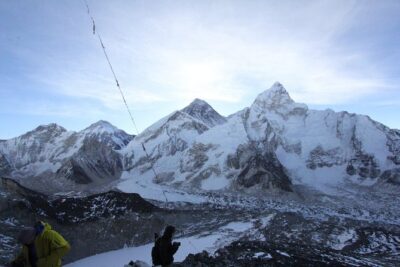
Browse the lists this tour appears in