
Reviewed · EVEREST BASE CAMP TREKS
Everest Base Camp Trek
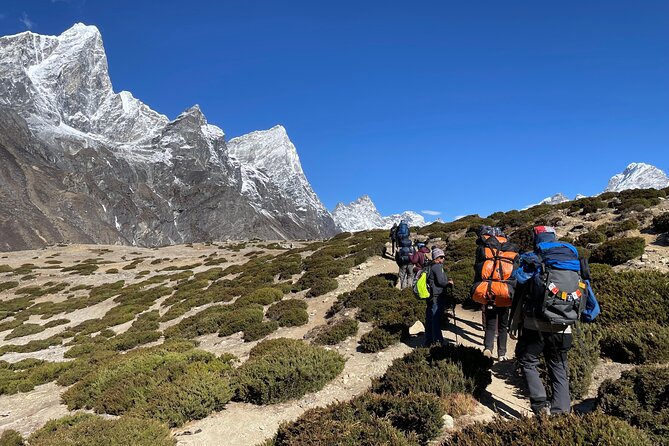
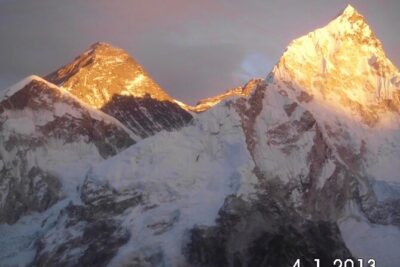
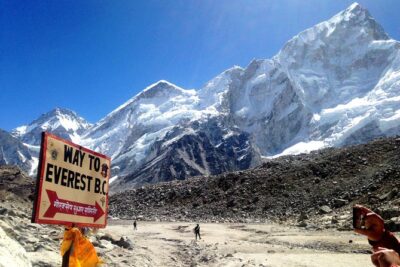
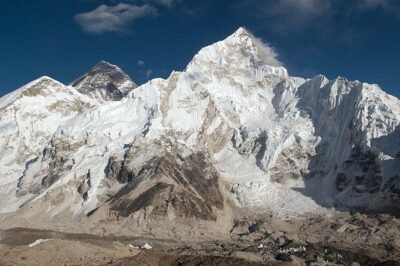
Everest Base Camp is not a quick mountain outing. This 12-day trek carries you from Lukla through Sherpa villages and high-altitude lodges to Base Camp, then up to Kala Patthar at 5,545 meters for a close view of the Everest region. The route is demanding, but the flights, guide, trail meals and lodging are arranged for you.
I like two practical things here: the acclimatization days at Namche Bazaar and Dingboche give you time to adjust, and the guide handles permits, transport and trail arrangements. I also like that sleeping bags, down jackets and a duffle bag are supplied, though you return them after the trek.
The main consideration is cost clarity. The headline is $1,300 per person, but the detailed inclusions say Kathmandu hotel and meals are not covered, despite an overview that says four Kathmandu nights are included. Confirm that point, and the optional porter fee, before paying.
Key points before you book
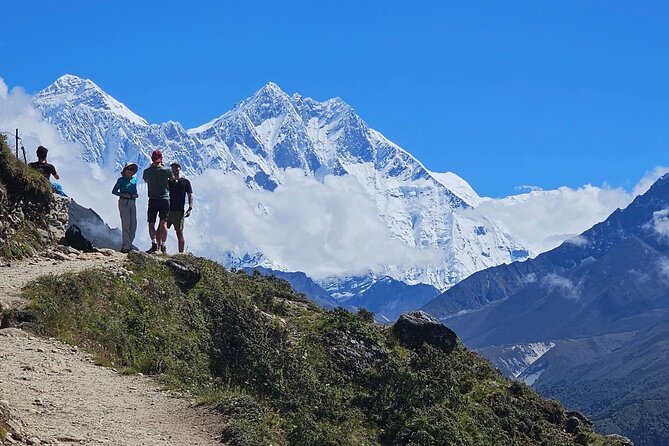
- The route reaches both Everest Base Camp and Kala Patthar: Base Camp is the trek’s landmark destination; Kala Patthar is the route’s highest listed point at 5,545 meters.
- Two planned acclimatization days break up the climb: You spend a day in Namche Bazaar and another in Dingboche before continuing higher.
- The $1,300 price covers core trail logistics: Domestic flights, trekking accommodation, meals on the trek, a guide and airport transfers are included.
- A porter costs extra: The stated rate is $20 per day, or $220 per person for the trek.
- You need to budget beyond the headline price: Travel insurance is compulsory, and the $40 Base Camp entrance fee, Kathmandu hotel and meals, drinks, tips and personal expenses are listed as extras.
- The group is capped at 14: That keeps the party to a manageable size, though it is still a group trek rather than a private trip.
A 12-day route from Lukla to Base Camp
The trek begins with a domestic flight from Kathmandu to Lukla, at 2,886 meters. From there, you walk to Phakding, a first day of about four hours with lunch and dinner included. It is a gentler opening than the longer days ahead, but you are already walking at altitude, so use it to settle into your pace and check how your gear feels.
On day two, the route climbs from Phakding to Namche Bazaar, at 3,440 meters. Expect about six hours on foot. Namche is an important stop on the way up, and the schedule gives you a full acclimatization day there on day three. That rest day is not wasted time. It is part of the plan for gaining height gradually, and a chance to rest before the route continues uphill.
Day four takes you from Namche to Tyangboche, listed at 3,867 meters, in about five hours. The next day brings another five-hour walk to Dingboche, at 4,260 meters. You then have a second acclimatization day. By this point, you are well above the elevation of most daily hiking routes, and the extra day gives the itinerary a more measured rhythm than a straight march toward Base Camp.
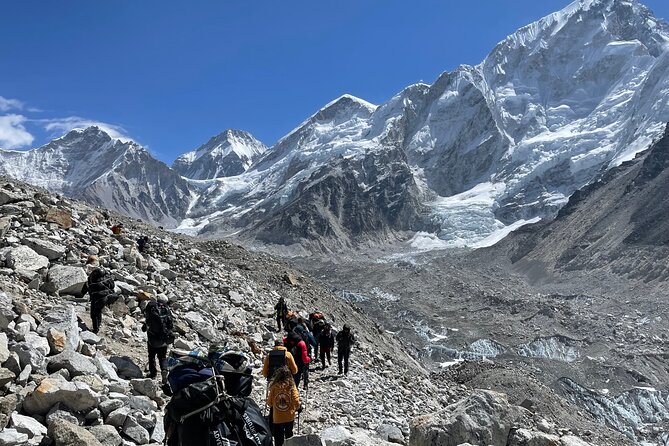
From Dingboche, day seven climbs to Lobuche, at 4,930 meters, in about five hours. The following day is the push to Everest Base Camp via Gorakshep, a six- to seven-hour day. You return to Gorakshep for the night. The itinerary does not give a specific Base Camp elevation, so ask the operator for any details you want about the day’s route and walking schedule.
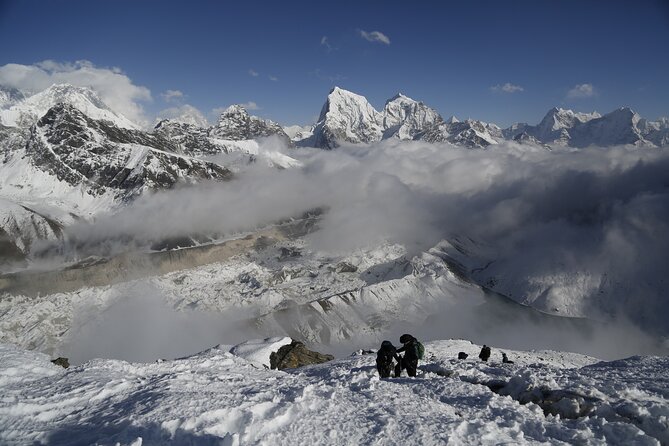
Day nine starts with the climb from Gorakshep to Kala Patthar, at 5,545 meters, then continues to Pheriche, at 4,243 meters. It is listed as a seven-hour day, and the high point of the trek in elevation. Reaching Base Camp is the famous goal, but Kala Patthar is another major milestone on this itinerary. Be ready for a long day, and follow your guide’s pace rather than treating the schedule as a race.
The return is also a substantial walk. Day ten goes from Pheriche to Namche Bazaar in about six hours. Day eleven continues to Lukla, also listed at about six hours. On day twelve, you fly back to Kathmandu and are transferred to your hotel. The itinerary includes breakfast that final morning, while lunch and dinner are included on most trekking days.
More Everest Base Camp treks in Kathmandu:
- Everest Base Camp Trek – 14 Days
★ 5.0 · 1,499 reviews - Everest Base Camp Trekking
★ 5.0 · 485 reviews - Everest Base Camp Trekking – 13 Day
★ 5.0 · 365 reviews
What the guide and group setup mean on the trail
A guide is included, along with the guide’s salary, meals, drinks, accommodation, transport and insurance. The company also says it will arrange emergency helicopter service if needed, but the cost is to be paid by your travel insurance company. That makes suitable travel insurance essential, not an optional extra.
The guide can also help manage the practical decisions that shape each day, from the walking pace to meal breaks and the day’s route. The trek is capped at 14 people. That is small enough to avoid a large procession, though your pace and stops will still be part of a group plan.
The company’s guides have included Kiran, Dinish and Arjun. Specific accounts of the trek praise patient support and clear explanations of what to expect each day. One guide, Arjun, was also noted for bringing fresh fruit for dessert. That is a small gesture, but after a hard day on the trail, small comforts count.
A porter is not included in the stated price. If you want one, the listed charge is $20 per day, or $220 per person. The overview says guides and porters are included, while the detailed cost list treats a porter as an optional extra. Ask the operator to confirm exactly what your $1,300 booking includes, and whether the porter fee applies to your group.
What the $1,300 price covers, and what it does not
The price includes the Kathmandu to Lukla and Lukla to Kathmandu flights, including domestic airport tax, plus private airport and hotel transfers. Along the route, it covers tea-house or lodge accommodation, breakfast, lunch and dinner, an experienced guide, government taxes, and use of a sleeping bag, down jacket, duffle bag and trekking map. The gear and map are to be returned after the trek.
That is a useful bundle for a trek with several moving parts. You do not have to book the domestic flights, arrange trail lodging night by night or sort out the included meals. The value depends on what the Kathmandu portion actually includes, however. The overview says four Kathmandu nights are included, but the detailed exclusions list says hotel and food in Kathmandu are not included. Get a written answer before you compare the price with other offers.
There are other costs to plan for. The $40 Everest Base Camp entrance fee is excluded, as are Nepal’s entry visa, international flights, drinks, hot showers, battery charging, sweets and other personal purchases. Tips for the guide and staff are also extra. The tour information lists a one-month visa at $40, available on arrival at Tribhuvan International Airport, and says you will need two passport-size photos.
Travel insurance is compulsory. It is especially important to understand the emergency helicopter arrangement: the operator arranges the service, but your insurer is expected to pay for it. Confirm that your policy covers the activities and route you are taking before departure.
Is this trek right for you?
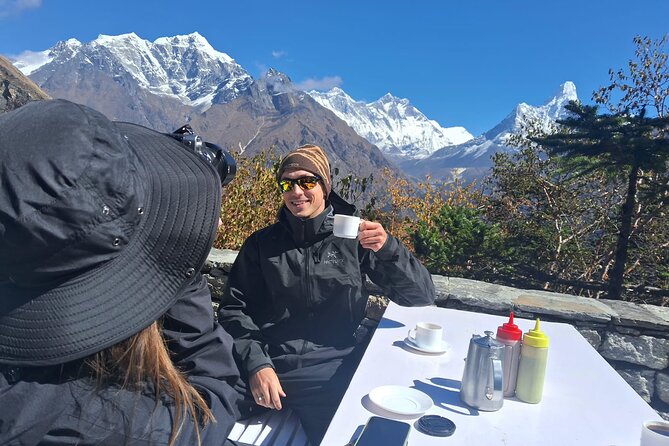
The activity calls for a moderate fitness level, but the itinerary includes several consecutive days of walking, a climb to 5,545 meters and a long day at the high point. If you are unsure whether that is suitable for you, talk with a medical professional and ask the operator what preparation they recommend. The two acclimatization days are valuable, but they do not make the route effortless.
This guided option suits you if you want the landmark trek without handling every flight, lodge and meal yourself. It also makes sense if you value having a guide and prefer a group no larger than 14. If you want to carry less, budget for the optional porter rather than assuming one is included.
Allow for disruption, too. Weather can affect the trip, and the company’s past response to serious monsoon-related road and travel problems was described as open and resourceful. That is encouraging, but no operator can make mountain weather behave. The stated policy is non-refundable and unchangeable for ordinary cancellations; if poor weather cancels the experience, you are offered a new date or a full refund. If the minimum group size is not met, you are offered another date or experience, or a full refund.
You meet at Tribhuvan Airport in Kathmandu, with a listed start time of 6:15 am. Booking confirmation is expected within 48 hours, subject to availability. Make sure your arrival plans match the start time, and check what happens if a flight delay affects your connection to the trek.
More multi-day treks in Kathmandu:
- Everest Base Camp Trek -14 Days
★ 5.0 · 321 reviews - Everest Base Camp Trekking – 2025/2026
★ 5.0 · 199 reviews - Everest Base Camp Trek
★ 5.0 · 193 reviews - Everest Base Camp Trek with Helicopter Return from Gorakshep to Lukla
★ 5.0 · 161 reviews
Should you book it?
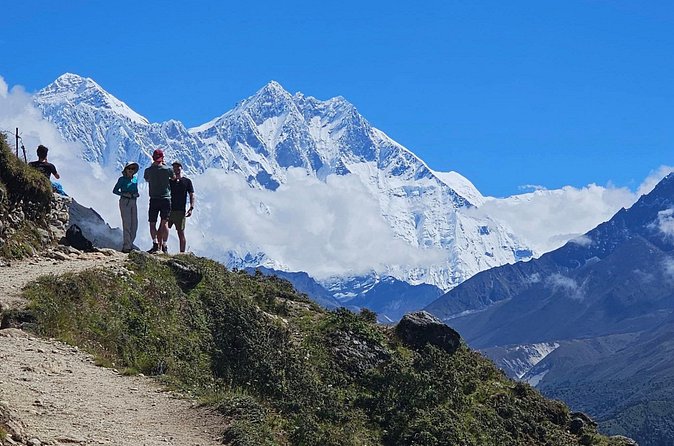
I would consider this trek if reaching Everest Base Camp is a major goal and you want the central logistics handled by a local operator. The route has two acclimatization days, a guide, included trail meals and domestic flights, plus a small-group limit. Those are real advantages on a demanding itinerary.
I would hold off until the operator confirms the Kathmandu hotel question and porter arrangement in writing. Then add the entrance fee, insurance, tips, visa, personal expenses and any Kathmandu costs to your budget. If the final total still works for you, this is a practical way to take on a serious trek without planning every leg alone.
FAQ
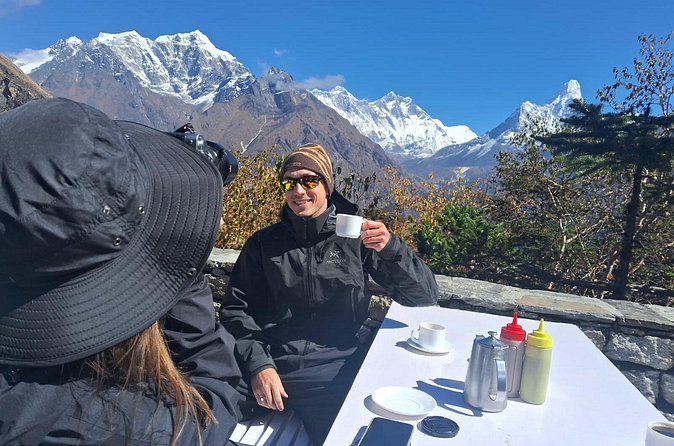
How long is the Everest Base Camp trek?
The itinerary is 12 days, including flights between Kathmandu and Lukla and the return transfer to a Kathmandu hotel.
Where does the trek start?
The listed meeting point is Tribhuvan Airport in Kathmandu, Nepal. The start time is 6:15 am.
Are domestic flights included?
Yes. The Kathmandu to Lukla and Lukla to Kathmandu flights, including domestic airport tax, are included.
Are meals included?
Breakfast, lunch and dinner are included during the trek. Kathmandu meals are listed as excluded.
Is a porter included?
The detailed inclusions list does not include a porter. The stated optional rate is $20 per day, or $220 per person.
Is accommodation in Kathmandu included?
The information is inconsistent. The overview says four Kathmandu nights are included, while the detailed exclusions list says Kathmandu hotel and food are not included. Confirm this with the operator before booking.
What fitness level is required?
The stated requirement is a moderate physical fitness level.
What is the maximum group size?
The maximum group size is 14 travelers.
Is the $40 Everest Base Camp entrance fee included?
No. The entrance fee is listed as an extra charge of $40 per person.
Newly listed in Kathmandu
- Traditional Momo Making Class★ 5.0 · 10 reviews
- Walking tour of real Kathmandu through back streets.★ 5.0 · 3 reviews
- Kathmandu 2 Nights 3 Days Chitwan Jungle Safari Tour★ 5.0 · 9 reviews
- Visit Swayambhunath and Bauddhanath Stupa with Guide★ 5.0 · 5 reviews
- Walking tour of Kathmandu with awesome local guides★ 5.0 · 4 reviews
- Kathmandu Street Food Walking Tour – Eat Like a Local★ 5.0 · 3 reviews
- Kathmandu to Pokhara Vip Sofa Bus Ticket★ 4.0 · 4 reviews
- Regular Yoga for all levels of practitioners in Kathmandu★ 5.0 · 4 reviews
Everest Base Camp Treks, compared.
Everest Base Camp Trek with Helicopter Return from Gorakshep to Lukla
Read our review →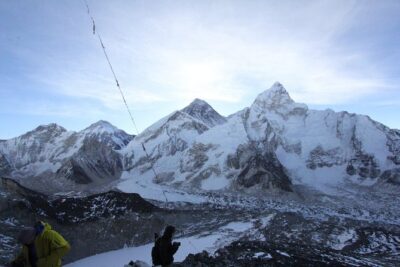
Browse the lists this tour appears in