
Reviewed · EVEREST BASE CAMP TREKS
Everest Base Camp trek 14 days
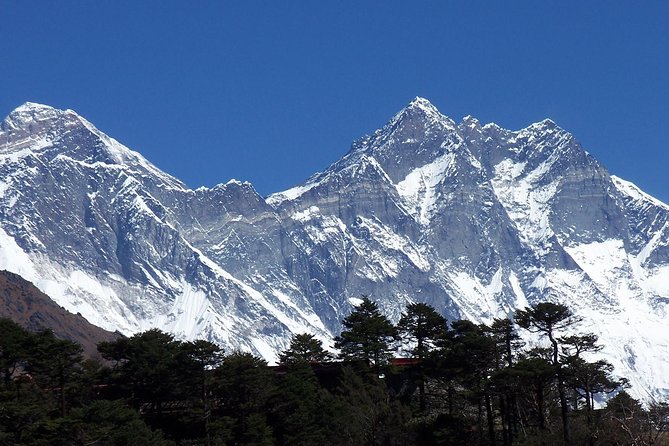
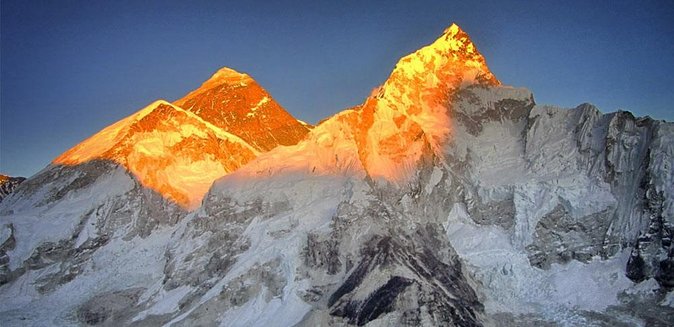
Everest Base Camp is the great draw, but the climb to Kala Patthar is the moment that puts the scale of the Himalaya in front of you. This 14-day trip links both goals with flights, lodging, meals on the trek, permits, and a guide arranged for you.
I like two practical details: the short Lukla flight saves a long approach on foot, and the planned rest days give you time to adjust to altitude. I also like that a sleeping bag and down jacket can be provided if you need them.
The main caution is the altitude and a confusing itinerary entry: Day 6 says acclimatization in Dingboche, but Day 7 says trek to Dingboche. Get the exact overnight plan from the operator before booking, and be honest with yourself about the physical demands.
- Lukla to Phakding begins the trek after a 40 to 45 minute flight from Kathmandu.
- Namche Bazaar and Dingboche are scheduled acclimatization stops, important pauses on a high-altitude route.
- The base camp route reaches Gorakshep, followed by an early hike to Kala Patthar.
- The $1,380 price covers key logistics, including domestic flights, permits, a guide, trekking accommodation, and most meals.
- The group can have up to 18 people, so ask how guiding and group pacing are handled.
- A cultural show and farewell dinner round off the trip in Kathmandu.
A 14-day route to Everest Base Camp
This is a package for people who want the big trek without arranging every hotel, transfer, meal, flight, and permit on their own. It starts and ends in Kathmandu, with a flight to Lukla, a walking route through the Khumbu region, and a return flight from Lukla.
The advertised price is $1,380 per person. That is a substantial trip, but the fee includes several costly and time-consuming pieces: Kathmandu to Lukla flights, airport transfers, trekking permits and a TIMS card, a guide, accommodations, and three daily meals on the trek. You still need to budget for international airfare, travel insurance, tips, meals in Kathmandu beyond those specified, bar bills, entrance fees, and personal expenses.
You get a standard city hotel on a twin-sharing basis with breakfast, plus trekking lodges along the route. This is useful if you would rather not arrange a sequence of beds yourself, but do not expect luxury lodging in the mountains. The package promises a place to sleep, not a private room or a particular level of comfort at every stop.
The operator is Sunrise Adventure Trek P. Ltd. The group limit is 18, which is large enough that the guide’s approach to pacing and support matters. Trip feedback names Suresh, Sobit, Ram, and Pasang, but those names do not guarantee who will lead your departure. Ask who is assigned and whether any porter service is included, since the listed inclusions specify a guide but do not clearly list porters.
From Kathmandu to Lukla and Phakding
Day 1 is for arrival in Kathmandu. Airport pickup is included, which takes one small task off your plate after an international flight. You stay in a standard hotel, with breakfast included, and should plan to pay separately for other Kathmandu meals and personal purchases.
On Day 2, you fly to Lukla, a short flight of about 40 to 45 minutes, then walk to Phakding. The trek is listed as three to four hours. This first walk is a gentler introduction than the days ahead, but it is still a real hike after travel, so arrive ready to walk rather than treating the day as a sightseeing stop.
The flight is a key part of the itinerary, not just a time-saving convenience. It connects Kathmandu with the starting point of the trek and is included in the package. The information provided does not explain how flight delays or changes are handled, so ask the operator what happens if your schedule is disrupted.
More Everest Base Camp treks in Kathmandu:
- Everest Base Camp Trek – 14 Days
★ 5.0 · 1,499 reviews - Everest Base Camp Trekking
★ 5.0 · 485 reviews - Everest Base Camp Trekking – 13 Day
★ 5.0 · 365 reviews
Namche Bazaar: a needed pause on the climb
Day 3 takes you from Phakding to Namche Bazaar, at 3,440 meters, in a five-to-six-hour trek. Namche is a major stop on the route and the first planned place to slow down for altitude. The next day is set aside for acclimatization, giving you a break from the main onward trek.
That pause is one of the itinerary’s strengths. The route climbs to high elevations, and a schedule that includes rest days is more sensible than trying to push onward every day. Still, the word acclimatization is not a promise that everyone will feel well or adapt at the same pace. Your comfort and health matter more than sticking rigidly to a timetable.
Namche also offers a chance to catch your breath and get organized before the route continues higher. Trip feedback describes time spent there taking mountain photos and buying a painting, so you may find a little room for browsing alongside the trek. The package does not list any specific guided town visits or entrance fees, so treat those as separate plans and expenses.
Tengboche, Dingboche, and the itinerary question
On Day 5, the route continues to Tengboche, at 3,860 meters. The listed walking time is six to seven hours, making it one of the longer days so far. This section is part of the steady climb toward the higher villages, and it is where you will begin to feel the cumulative effect of several days on foot.
The next two days need clarification. Day 6 is described as acclimatization in Dingboche, but Day 7 says you trek to Dingboche, at 4,410 meters, in five to six hours. Those descriptions do not fit together as written. The intended plan may involve reaching Dingboche on Day 6 and resting on Day 7, but that is not stated clearly, so do not rely on a guess. Ask the company for the confirmed sequence and overnight locations before paying.
The issue is practical, not just editorial. At these elevations, knowing where you will sleep and when you have a rest day helps you judge the effort required. The rest of the route depends on reaching higher ground in stages, so a clear day-by-day plan is worth getting in writing.
The final approach to base camp
Day 8 is the trek to Lobuche, listed at 4,910 meters, with about five hours of walking. By now you will have several days of trekking behind you, and the air is much thinner than in Kathmandu. The provided physical-fitness guidance is moderate, but that label should not be mistaken for an easy walk: this is a multi-day trek reaching high altitude.
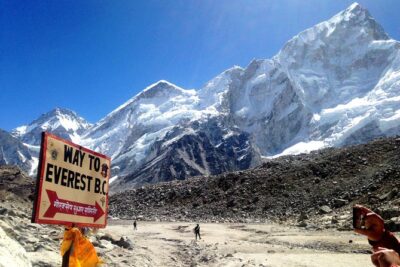
On Day 9, you walk to Everest Base Camp and return to Gorakshep, listed at 5,200 meters. The schedule gives no walking-time estimate for this day, so ask how long the group typically spends on the trail and at base camp. The achievement is the destination, but the return to Gorakshep is part of the same day’s effort.
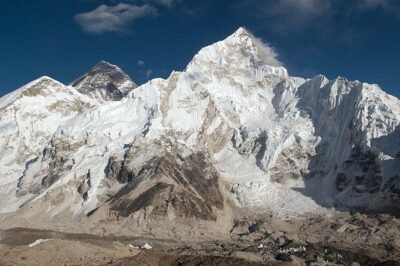
The next morning brings a hike to Kala Patthar, listed at 5,550 meters, followed by a seven-hour descent to Periche, at 4,200 meters. The timetable gives a two-and-a-half-hour estimate for the hike up Kala Patthar. That high point gives you another chance to see the surrounding peaks, including Everest, Ama Dablam, Lhotse, Makalu, and Cho Oyu, which are named among the sights of the trip.
Kala Patthar and base camp are distinct stops, and the plan includes both. If your main aim is to stand at base camp, you get that on Day 9; if you want the high viewpoint as well, Day 10 adds it before the descent. The elevation is a serious consideration, so talk through the daily pace and the guide’s approach to altitude before departure.
More multi-day treks in Kathmandu:
- Everest Base Camp Trek -14 Days
★ 5.0 · 321 reviews - Everest Base Camp Trekking – 2025/2026
★ 5.0 · 199 reviews - Everest Base Camp Trek
★ 5.0 · 193 reviews - Everest Base Camp Trek with Helicopter Return from Gorakshep to Lukla
★ 5.0 · 161 reviews
The return walk and Kathmandu finish
Days 11 and 12 bring you back down the trail, first to Namche Bazaar and then to Lukla. The schedule lists six hours for the walk to Namche and seven hours to Lukla. Descending is not simply a rest after the climb; it is still several hours of walking, and your legs may be tired by this stage.
On Day 13, you fly back to Kathmandu. The package includes the Lukla to Kathmandu flight, as well as airport transfers. Day 14 is set aside for departure, with breakfast listed. A cultural show and farewell dinner are included as part of the trip, giving you a planned closing event before you leave.
The itinerary does not specify the exact night-by-night accommodation list or the precise timing of the show and dinner. If you are coordinating onward flights, ask the operator how the final evening and departure day fit your schedule. Also check which meals are included in Kathmandu: the listed meals are breakfast on the city hotel basis and breakfast and dinner on the flight day, while most other Kathmandu meals are at your own expense.
What the $1,380 covers, and what it does not
The package bundles a lot of the trip’s basic machinery. Included are airport pickup and departures, domestic flights, transport by air-conditioned car or tourist deluxe bus where applicable, city hotel lodging, trekking lodge accommodation, trekking meals, permits, a TIMS card, a guide’s salary and expenses, first-aid medicine items, a T-shirt, a trip certificate, and the cultural show and farewell dinner.
Three meals a day are included while trekking, as specified in the schedule. That is meaningful value in a remote route where arranging meals independently would add daily decisions and costs. The exact menu and serving sizes are not described, so if you have dietary needs, ask the company directly rather than assuming they can be accommodated.
A sleeping bag and down jacket are available if you need them. That can save you from buying or carrying bulky gear, especially if you do not trek often. Confirm what is provided, the condition and size options, and whether you must request the items in advance.
The exclusions matter. International flights, travel insurance, tips for the trekking crew, entrance fees, extra Kathmandu meals, bar bills, and personal expenses are not included. Travel insurance is particularly worth sorting out before setting off, since it is explicitly your responsibility. The tour also includes a guide, but the supplied details do not state that a porter is included. Ask about luggage carrying before you decide what to bring.
Who should consider this trek
This package suits you if you want a guided, organized route to Everest Base Camp and are comfortable spending much of two weeks walking, sleeping in trekking lodges, and adapting to high altitude. It is especially useful if you value having flights, permits, meals, and accommodation planned together rather than booking each piece separately.
It is less suitable if you need a short, low-effort introduction to Nepal or expect a polished hotel stay throughout. The trek involves long walking days and reaches elevations above 5,000 meters. The tour’s moderate-fitness description is a starting point, not a substitute for assessing your own readiness or discussing concerns with a medical professional.
The 100 percent recommendation figure and overall five-star rating across 46 ratings are encouraging, and the strongest praise centers on organization, guides, service, and the mountain views. Individual accounts name Suresh and Sobit, Ram, and Pasang, with positive comments about coordination and help along the route. Those are useful signs, but they cannot tell you who will guide your particular trip, so confirm that detail.
Should you book it?
I would shortlist this trek if you want the classic Everest route with the main logistics bundled at a relatively clear price. The included flights, permits, lodging, guide, and trekking meals make the $1,380 cost easier to assess than a bare-bones trek price, and the rest days are a sensible feature.
Before booking, get the Dingboche schedule clarified, ask whether a porter is included, confirm the sleeping bag and jacket arrangements, and check the plan for Lukla flight changes. If the answers suit your needs and you are prepared for long days at altitude, this is a practical way to take on a demanding Himalayan trek with much of the planning handled for you.
FAQ
How long is the Everest Base Camp trek?
The itinerary is a 14-day trip, beginning with arrival in Kathmandu and ending with departure on Day 14. The trek itself starts after the flight to Lukla on Day 2.
What is the price?
The listed price is $1,380 per person.
Are flights between Kathmandu and Lukla included?
Yes. The package includes flights from Kathmandu to Lukla and from Lukla back to Kathmandu. The outbound flight is listed as about 40 to 45 minutes.
Are meals included?
Three meals a day are included during the trek, as listed in the schedule. Extra meals in Kathmandu and personal expenses are not included.
Where will I stay?
The package includes a standard city hotel on a twin-sharing basis with breakfast, plus trekking lodge accommodation during the trek.
Is a sleeping bag and down jacket provided?
They are provided if you need them. Confirm the arrangements with the operator before departure.
How large can the group be?
The maximum group size is 18 people.
What is the cancellation policy?
You can cancel at least 24 hours before the experience starts for a full refund. Cancellations or changes made less than 24 hours before the start are not accepted for a refund or change.
Newly listed in Kathmandu
- Traditional Momo Making Class★ 5.0 · 10 reviews
- Kathmandu 2 Nights 3 Days Chitwan Jungle Safari Tour★ 5.0 · 9 reviews
- Walking tour of real Kathmandu through back streets.★ 5.0 · 3 reviews
- Visit Swayambhunath and Bauddhanath Stupa with Guide★ 5.0 · 5 reviews
- Walking tour of Kathmandu with awesome local guides★ 5.0 · 4 reviews
- Kathmandu Street Food Walking Tour – Eat Like a Local★ 5.0 · 3 reviews
- Private Manaslu Circuit Trek at Himalayas★ 5.0 · 3 reviews
- Kathmandu to Pokhara Vip Sofa Bus Ticket★ 4.0 · 4 reviews
Everest Base Camp Treks, compared.
Everest Base Camp Trek with Helicopter Return from Gorakshep to Lukla
Read our review →
Browse the lists this tour appears in