
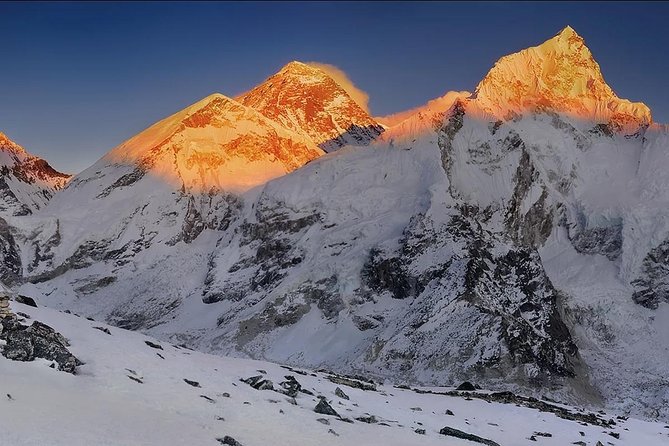
Reviewed · EVEREST BASE CAMP TREKS
Everest Base Camp Trek 15 Days
Everest Base Camp is the prize, but the route’s real pleasure is the gradual change in scenery and culture as you walk toward it. This private, roughly 15-day trek from Kathmandu reaches 5,364 metres, passing Sherpa villages, Buddhist monasteries, alpine forests and the stark glaciers of the Khumbu.
I like two things in particular: you get time in communities shaped by Sherpa traditions, and the package includes meals plus a sleeping bag and duffel bag, useful support on a long trek. The main consideration is altitude: moderate fitness is advised, but the itinerary’s acclimatization details are not specified, so ask the operator how the schedule handles the climb.
- A high-altitude goal: Everest Base Camp sits at 5,364 metres, a demanding elevation even for fit walkers.
- A private trip: Only your group participates, giving you a more personal experience than a large group departure.
- Culture along the trail: Sherpa villages and Buddhist monasteries are part of the journey, not just scenery on the way to base camp.
- Meals are included: Breakfast, lunch and dinner are covered, while snacks, soft drinks and alcohol are extra.
- Practical gear is supplied: A sleeping bag and duffel bag are included, along with fees and taxes.
- A consistent meeting point: The trek starts and ends at Sherpa Expedition & Trekking on Chaksibari Marg in Kathmandu.
The long walk toward Everest Base Camp
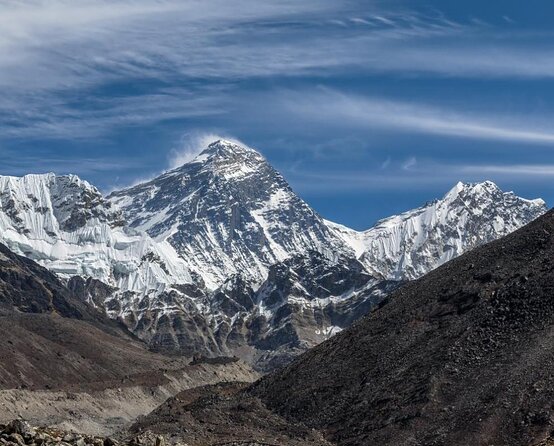
This is not a quick mountain outing with a big view at the end. Over about 15 days, you make your way toward the foot of the world’s highest peak, moving through changing terrain and Sherpa settlements. The base camp itself is the headline, but the steady progression through villages, forests and high mountain country is what gives the trip its shape.
The advertised endpoint, Everest Base Camp, is at 5,364 metres. That number matters. You should treat this as a serious trek, not a sightseeing tour that happens to include walking. The operator recommends a moderate level of physical fitness, and the elevation makes it sensible to ask specific questions about the walking schedule and acclimatization before you book.
The exact daily route is not provided here, so I would not assume which villages you’ll pass through or how many hours you’ll walk each day. Ask for the full itinerary, including rest and acclimatization days, before committing. That is especially important if you have not trekked at altitude before.
Sherpa villages and Buddhist monasteries
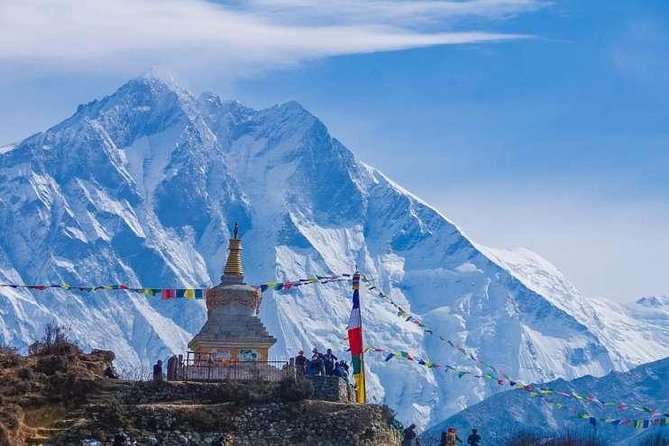
The cultural side is a real strength. The route is described as passing through traditional Sherpa villages and visiting older heritage sites and monasteries. These are not minor pauses between mountain views: they offer a chance to see how Buddhist customs and local life shape the region.
I like that the experience pairs walking with time among the communities along the way. You are not simply chasing a famous photograph. You are also moving through a region with its own traditions, architecture and religious life. The details of which monasteries are visited are not specified, so ask the company for names if particular sites matter to you.
The trail also brings you through alpine rhododendron and pine forests. These wooded stretches offer a different feel from the exposed high country, and they help make the journey more varied than a steady march through rock and ice. The timing of your trip will affect what you see, but no season-specific information is provided.
More Everest Base Camp treks in Kathmandu:
- Everest Base Camp Trek – 14 Days
★ 5.0 · 1,499 reviews - Everest Base Camp Trekking
★ 5.0 · 485 reviews - Everest Base Camp Trekking – 13 Day
★ 5.0 · 365 reviews
From forests to the Khumbu glaciers
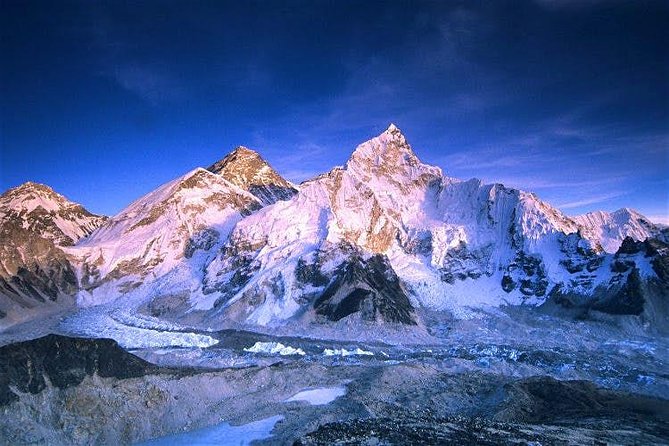
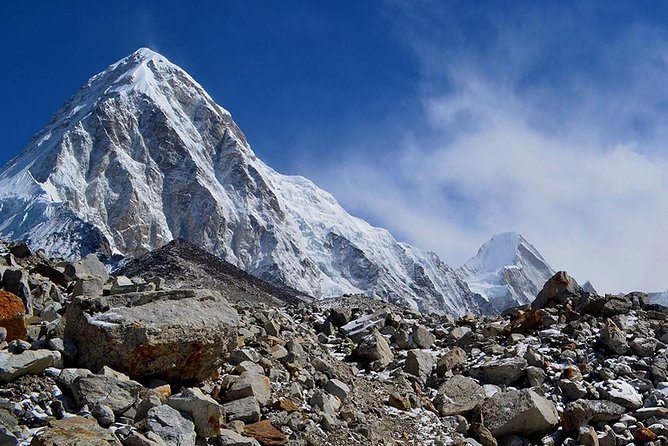
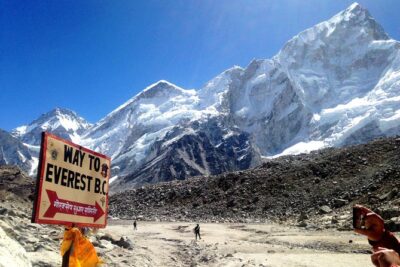
The scenery changes as you climb. Forest gives way to harsher, more open mountain terrain, with the Khumbu icefall glaciers part of the promised high-altitude setting. Expect a trek built around big contrasts: wooded paths, lived-in villages, monastery visits and a stark glacial environment near the goal.
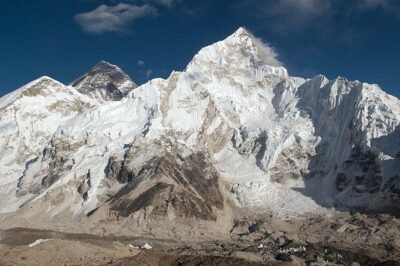
The mountain views are a central part of the experience. The tour is designed to bring you into the presence of some of the world’s highest peaks, with panoramic views along the way and lodges set in scenic surroundings. That is a strong reason to take your time rather than judge the trip only by the moment you reach base camp.
The trek’s setting is also a reminder that conditions are not fully within the operator’s control. The experience requires good weather. If poor weather forces cancellation, you are offered another date or a full refund. That is sensible protection, though it cannot remove the inconvenience of a changed plan.
What the 15-day format means
Fifteen days gives this trip room to be a substantial trek rather than a rushed dash. It also means you should plan for two weeks away from ordinary routines, plus whatever travel time you need to reach Kathmandu. The listed start time is 6:15 am, and the meeting point is Sherpa Expedition & Trekking at Chaksibari Marg in Kathmandu.
The trip begins and ends at that meeting point. Pickup is offered, but the details are not spelled out, so confirm where pickup is available and how to arrange it. Public transportation is nearby, which may help if you are making your own way to the start.
Because the daily stages are not listed, you should not book on the assumption that every day is a full walking day, or that rest days are included. Ask for the stage lengths, elevation changes and plan for adapting to altitude. Those answers will help you judge whether the 15-day schedule suits your pace and experience.
Guides can shape the whole journey
On a trek this demanding, your guide is more than a pathfinder. The guide’s judgment, communication and care can influence how secure and manageable the trip feels, especially when you are tired or adjusting to elevation. Names associated with especially warm guiding include Pasang, Lakpa, Buddha Tamang, Gumbo and Tendi. Ram is also praised for handling trip logistics and being flexible when a flight delay affected preparation.
Those names are useful context, not a promise that you will be assigned a particular person. Ask who is likely to lead your departure, what support the guide provides, and how the company handles changes if flights or weather disrupt plans. The trekking team also includes porters on some trips. Past accounts name Neema, Pasang and Kumar among the porters, with practical help and care singled out.
The experience is sold as a private activity, meaning only your group participates. That can make it easier to discuss your pace and preferences with your guide than in a large mixed group. It does not mean you should expect to set every detail yourself: the route and safety decisions still need to be managed by the trekking team.
More multi-day treks in Kathmandu:
- Everest Base Camp Trek -14 Days
★ 5.0 · 321 reviews - Everest Base Camp Trekking – 2025/2026
★ 5.0 · 199 reviews - Everest Base Camp Trek
★ 5.0 · 193 reviews - Everest Base Camp Trek with Helicopter Return from Gorakshep to Lukla
★ 5.0 · 161 reviews
Lodges, meals and the price
At $2,400 per person, this is a substantial purchase. The value depends on how much of the trekking infrastructure and support you want handled for you. Breakfast, lunch and dinner are included, as are all fees and taxes, a sleeping bag and a duffel bag. Those inclusions reduce the number of basic trip expenses you need to arrange separately.
Nights are described as being spent in clean, scenic lodges, with warmth and Sherpa hospitality part of the appeal. The lodging is presented as comfortable for a trek, not as a luxury stay. No room type or exact lodging standard is specified, so ask what to expect and whether any costs at the lodges are not covered.
You will need to budget separately for Nepal visa, insurance, tips for your guide or porter, alcoholic beverages, soda or pop, and snacks. Insurance deserves particular attention on a high-altitude trek. Confirm that your policy covers the activities and elevations on your planned route rather than assuming ordinary travel cover is enough.
The food plan is helpful, but snacks are not included. If you rely on particular foods or want extra items between meals, ask what is available along the route and bring enough spending money. The tour data does not specify the meal menu, so dietary needs should be discussed with the company before departure.
Fitness, altitude and smart questions
The stated fitness level is moderate. That is a broad label, not a training plan. You will be walking for much of a 15-day mountain journey, and the destination is over five kilometres above sea level. Your usual fitness may help with the effort, but it does not tell you how your body will respond to altitude.
Before booking, ask for the full day-by-day plan, including walking hours, elevation gain and rest days. Ask how the guide responds if someone feels unwell, what the group does if a member cannot continue, and whether the itinerary can be adjusted. These are practical questions, not signs of doubt. On a remote trek, clear answers are part of good preparation.
Also confirm which equipment you should bring beyond the included sleeping bag and duffel bag. The information provided does not list clothing, footwear or other personal gear. A packing list from the operator will be more useful than guessing from the tour description.
Who will get the most from this trek
This trip suits you if reaching Everest Base Camp is a major personal goal and you want more than a quick arrival-and-departure experience. The combination of village life, Buddhist sites, forests, glaciers and mountain panoramas gives the days purpose beyond the final destination.
It may be a good fit if you prefer a private group and want meals and some key gear included in the price. It is less suitable if you need a clearly published daily schedule before making a decision, since the details available here do not name the trail stages or explain the acclimatization plan. Get that information first.
The high level of recommendation and the consistent praise for guides and porters point to strong personal support as an important part of the experience. Still, no trek can guarantee clear weather, a specific guide or an easy response to altitude. Go for the mountain journey, but book with a clear understanding of the demands and the practical details.
Should you book the Everest Base Camp Trek?
Book it if you want a private, roughly 15-day trek to Everest Base Camp, value cultural stops as much as the mountain views, and are ready to prepare for a high-altitude walk. The included meals, sleeping bag and duffel bag add useful value at $2,400, while the named guides and porters give you a sense of the human support that can make a long trek feel more manageable.
Before paying, request the day-by-day route, acclimatization plan, packing list and details of pickup. If those answers fit your needs, this is a compelling way to approach one of the Himalaya’s great trekking goals. If you want a low-effort holiday or need all walking details spelled out upfront, wait until the company provides a fuller schedule.
FAQ
How long is the Everest Base Camp Trek?
The trek lasts about 15 days.
How high is Everest Base Camp?
The stated elevation of Everest Base Camp is 5,364 metres.
Where does the trek start and end?
It starts and ends at Sherpa Expedition & Trekking, Chaksibari Marg, Kathmandu 44600, Nepal.
What time does the trek start?
The listed start time is 6:15 am.
Is this a private tour?
Yes. Only your group participates.
What meals are included?
Breakfast, lunch and dinner are included.
Are snacks and drinks included?
No. Snacks, alcoholic beverages and soda or pop are not included.
What equipment is included?
A sleeping bag and a duffel bag are included.
What costs are not included?
Nepal visa, insurance, tips for the guide or porter, alcoholic beverages, soda or pop, and snacks are not included.
What is the cancellation policy?
You can cancel at least 24 hours before the start time for a full refund. Changes or cancellations made less than 24 hours before the start time are not accepted for a refund.
Newly listed in Kathmandu
- Traditional Momo Making Class★ 5.0 · 10 reviews
- Walking tour of real Kathmandu through back streets.★ 5.0 · 3 reviews
- Kathmandu 2 Nights 3 Days Chitwan Jungle Safari Tour★ 5.0 · 9 reviews
- Walking tour of Kathmandu with awesome local guides★ 5.0 · 4 reviews
- Kathmandu Street Food Walking Tour – Eat Like a Local★ 5.0 · 3 reviews
- Visit Swayambhunath and Bauddhanath Stupa with Guide★ 5.0 · 5 reviews
- Private Manaslu Circuit Trek at Himalayas★ 5.0 · 3 reviews
- Kathmandu to Pokhara Vip Sofa Bus Ticket★ 4.0 · 4 reviews
Everest Base Camp Treks, compared.
Everest Base Camp Trek with Helicopter Return from Gorakshep to Lukla
Read our review →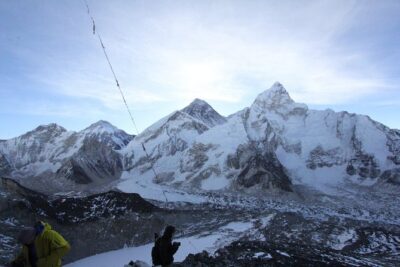
Browse the lists this tour appears in