
Reviewed · EVEREST BASE CAMP TREKS
Everest Base Camp Trek
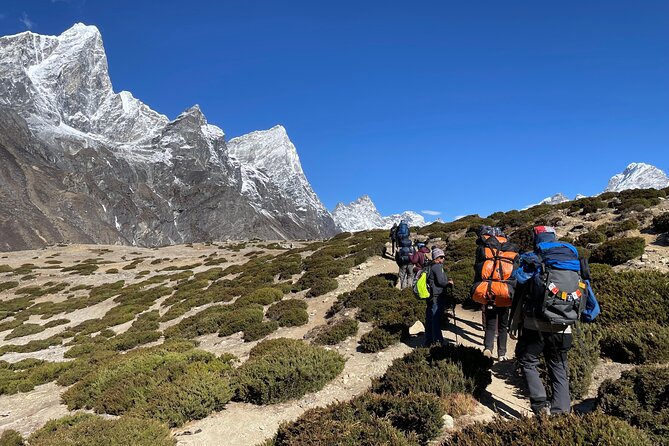
Everest Base Camp is the big draw, but the value of this 14-day trip is in the whole route: you walk through Sherpa villages, pause to adjust to altitude, and reach the high Khumbu with a guide beside you. I like that the package includes round-trip flights to Lukla and a licensed guide, two costly and important pieces to arrange for a trek this demanding.
I also like the mix of tea-house nights and Kathmandu hotel stays. It gives you a supported route without turning the trek into a fully catered luxury trip. One trip account names Bishnu for keeping the arrangements on track and Basu as an attentive guide, though you should confirm who will lead your own group.
The main caution is the altitude. The route reaches about 5,364 meters at Everest Base Camp, and the package details are inconsistent about how many nights are included in Kathmandu and in tea houses. Confirm the exact lodging plan before paying, and discuss the trek with your doctor.
- Lukla flights are included: The package covers Kathmandu to Lukla and back, including airport tax, though weather can delay or cancel flights.
- A guide leads your private group: The guide holds a government license, and the maximum booking size is eight.
- The route allows acclimatization stops: You spend additional time around Namche Bazaar and Dingboche before pushing higher.
- The package has a few cost gaps: Food and drinks are listed at $350 per person, and gratuities at $150 per person, outside the $999 price.
- You carry your own luggage: Keep your pack under 22 pounds (10 kilograms), and leave extra bags at the office or hotel.
- Confirm the nights: The package information gives conflicting counts for Kathmandu hotel and tea-house stays.
What the $999 package does and does not cover
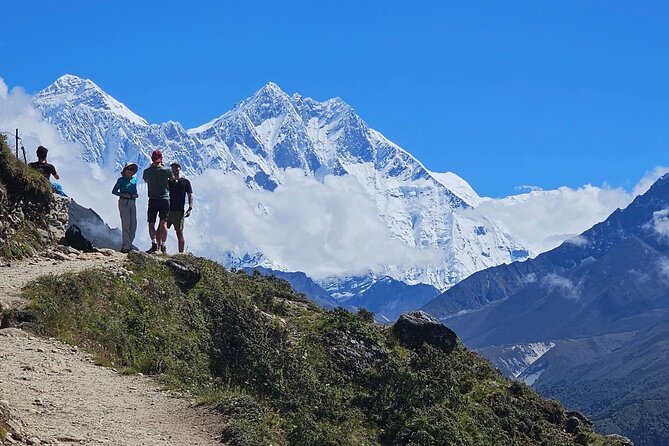
At $999 per person, the core inclusions are substantial: a licensed trekking guide with their stated facilities, round-trip Kathmandu to Lukla airfare with airport tax, tea-house accommodation, some Kathmandu hotel lodging with breakfast, airport pickup and drop-off by private car, taxes, a first-aid kit, and a company T-shirt. Dinner is also listed as included, as are two breakfasts.
The price is not all-in. Food and drinks not specified as included are listed at $350 per person, while gratuities are listed at $150 per person. If those are the amounts you plan to set aside, the rough total becomes $1,499 before travel insurance, any equipment you buy or rent, or extra costs caused by a delay. Ask the company what the food allowance covers and whether the gratuity figure is a suggested amount or an expected payment.
There is an important detail to settle before you book: the package overview promises three Kathmandu hotel nights and ten tea-house nights, while the inclusions list says two Kathmandu nights and eleven tea-house nights. Since the trip is about 14 days, that difference matters. Get the night-by-night lodging plan in writing, including what happens on arrival and after the return flight.
Kathmandu gives you a short runway before the trail
The trip starts at Tribhuvan Airport in Kathmandu, where a private car pickup is offered. Send your arrival details in advance, as requested, and allow yourself time to meet the guide and sort out permits and gear before heading into the mountains.
The first day lists Kathmandu and Thamel, the city’s main visitor district. It is a practical time to settle in, check your kit, and prepare the documents needed for permits: a clear color passport scan, a passport valid for at least six months, two passport-size photos, your occupation, and your home address.
The schedule also names Swayambhunath, Boudhanath Stupa, and the Garden of Dreams. These are Kathmandu sights, but their placement in the day-by-day plan is unclear, especially since the next day also lists a flight to Lukla and a long trek to Phakding. Treat them as possible city stops to confirm with the operator, not as guaranteed visits at a specific time.
More Everest Base Camp treks in Kathmandu:
- Everest Base Camp Trek – 14 Days
★ 5.0 · 1,499 reviews - Everest Base Camp Trekking
★ 5.0 · 485 reviews - Everest Base Camp Trekking – 13 Day
★ 5.0 · 365 reviews
Lukla to Phakding starts the walking
The flight from Kathmandu to Lukla takes about an hour according to the schedule. It is included in the price, but it is also a weak link in any fixed mountain timetable: the company specifically warns that flights can be delayed or canceled. It recommends leaving one or two extra days in your plans. If you must connect to an international flight right after the trek, that buffer is especially worth considering.
From Lukla, the route heads toward Phakding. This is your first day on foot and a change from city errands to a trek through remote villages and mountain scenery. The schedule marks the stretch as a 12-hour stop, but it does not give a clear walking-time breakdown. Ask the guide for the expected daily start times and hiking hours.
Namche Bazaar is more than a waypoint
The next section follows the Dudh Koshi River toward Namche Bazaar. The itinerary places the river as a stop along the way, then gives you a full day in Namche, with an Everest viewpoint listed for two hours. That extra time is useful: the route climbs to high altitude, and a slower pace gives you room to rest and adjust rather than simply race uphill.
Namche is one of the main settlements on the trail and a natural place to pause before gaining more height. The schedule does not specify what you will do during the full day beyond the viewpoint, so ask whether the guide plans a particular acclimatization walk or leaves the time open. Either way, resist the urge to treat a rest day as wasted time. Here, careful pacing is part of getting to the goal safely.
Tengboche brings the mountain scenery closer
From Namche, the trek continues to Tengboche. The plan includes Tengboche Gompa, as well as views of Ama Dablam and Taboche. The monastery gives the day a cultural point of interest alongside the physical work of walking, while the named peaks help you read the country around you instead of seeing it as a succession of uphill miles.
The schedule labels this a 12-hour stop, but does not say how much of that is walking or time at the monastery. Confirm the day’s plan with your guide, especially if you want to know how long you will have at the gompa. The admission is listed as included.
More multi-day treks in Kathmandu:
- Everest Base Camp Trek -14 Days
★ 5.0 · 321 reviews - Everest Base Camp Trekking – 2025/2026
★ 5.0 · 199 reviews - Everest Base Camp Trek
★ 5.0 · 193 reviews - Everest Base Camp Trek with Helicopter Return from Gorakshep to Lukla
★ 5.0 · 161 reviews
Dingboche is a key pause before the high country
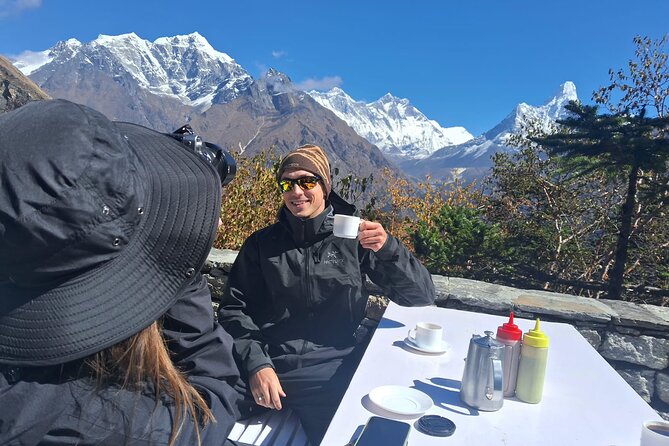
The route moves on to Dingboche, then allows another day there, with Chukhung mentioned as a possible direction. This second acclimatization pause is a meaningful feature of the schedule. You are heading toward elevations where even fit people can feel unwell, and a rest day provides a chance to adjust before the trek climbs higher.
The listed stop also says get way to Island Peak, but the tour description does not promise an Island Peak climb. Do not read that wording as an included summit attempt. Ask the company what the Dingboche day actually involves, how much walking is planned, and whether it is intended mainly for acclimatization.
Lobuche and the Khumbu Glacier mark the push toward Base Camp
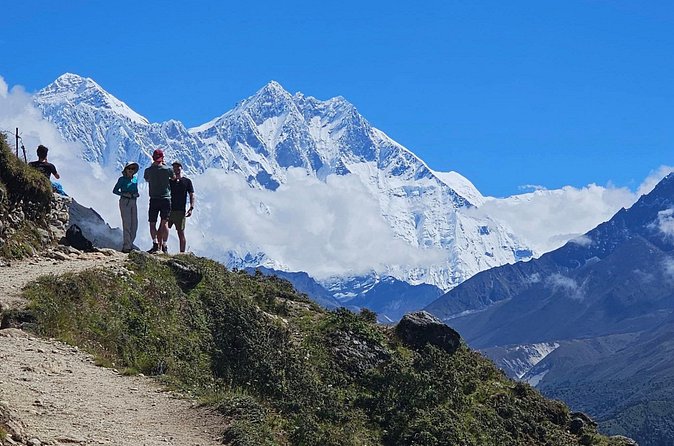
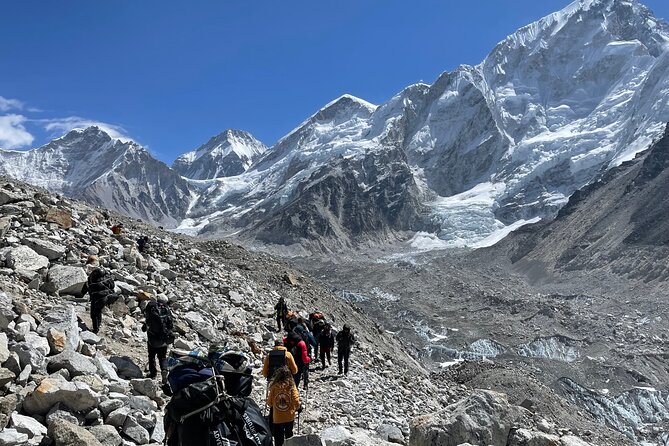
From Dingboche, the route goes to Lobuche, with the Khumbu Glacier listed as a stop. At this point, you are close to the heart of the high Khumbu, and the glacier is a striking part of the approach. The itinerary does not provide a detailed route description or walking hours, so your guide’s daily briefing will be the best source for the practical plan.
Lobuche is also a reminder that this is not a casual day hike with a dramatic finish. You will have spent several days gaining altitude, and the final approach asks for patience and steady pacing. The guide has basic first-aid training and knows the closest medical facilities, but that is not a substitute for insurance that covers medical expenses and emergency repatriation.
Gorak Shep, Everest Base Camp, and Kala Patthar
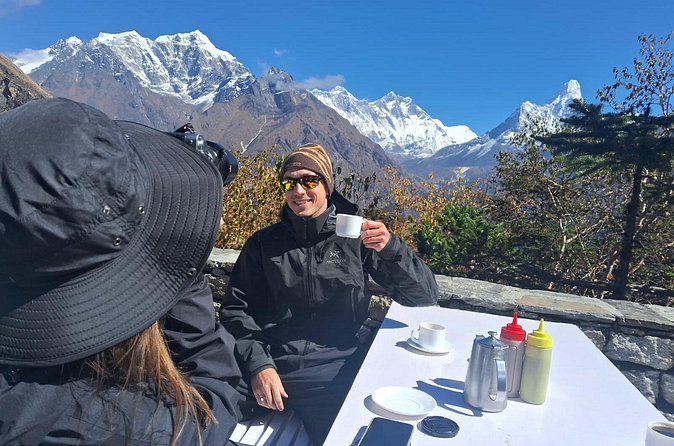
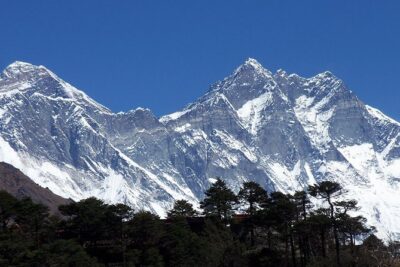
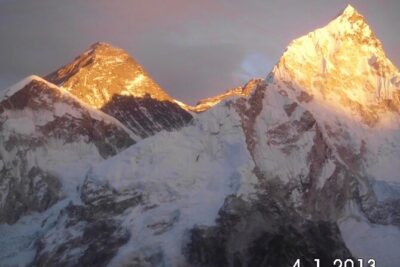
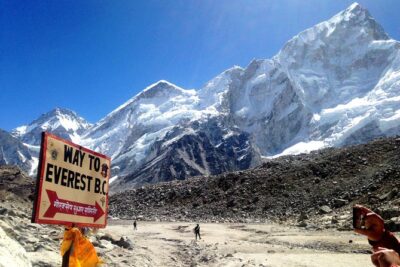
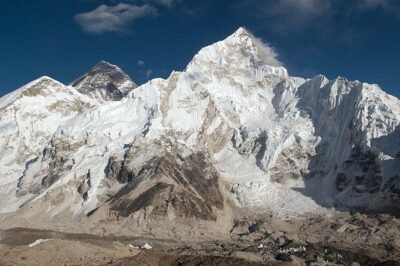
The schedule places Gorak Shep and Mount Everest on day nine, followed by Kala Patthar on day ten. Everest Base Camp is the trek’s central objective, but it is worth being clear about the views: the itinerary names Mount Everest, not a summit climb. This is a trek to the base-camp area, with Kala Patthar also included as a high viewpoint.
Gorak Shep is the staging point named for this part of the route. The plan gives it a 12-hour stop, while Everest is listed for three hours, but it does not explain the precise timing or sequence. Ask whether the Base Camp walk is planned on the same day as the arrival in Gorak Shep and how the guide will handle the next morning at Kala Patthar.
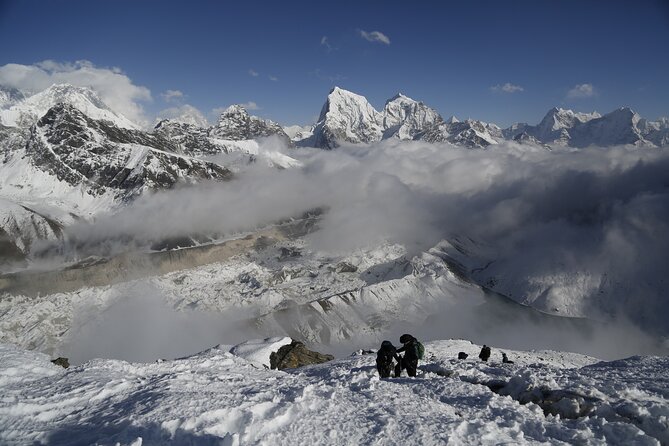
Kala Patthar is listed for an hour. The short duration does not make it an easy stop: this is among the highest points of the trek, at an altitude where conditions can affect people of any age or fitness level. You should be prepared to follow your guide’s pace and instructions, and to turn back if your health makes continuing unsafe. The tour’s own guidance recommends consulting a doctor before departure.
The return route is a trek, not a quick exit
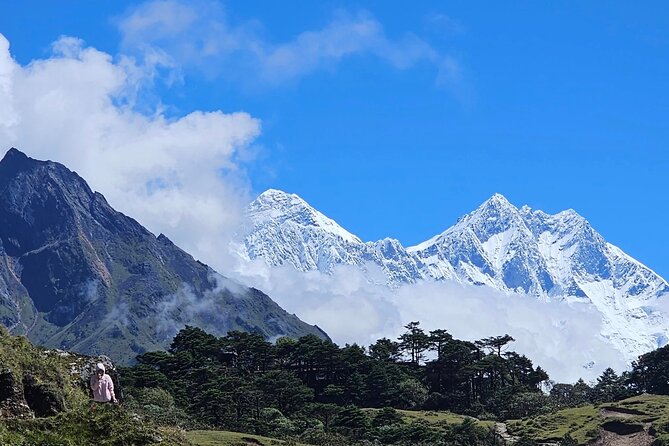
After the high point, the plan descends toward Pheriche and Pangboche, then Namche Bazaar and Lukla. A descent can feel like a relief, but it still takes time and effort, particularly after several days at altitude. The schedule marks the Pheriche-Dughlha road and Pangboche on day ten, Namche on day eleven, and Lukla on day twelve.
You then fly back to Kathmandu on day thirteen, with day fourteen also listed in Kathmandu. That makes it especially important to pin down the hotel-night discrepancy and the exact flight day. If weather holds up the Lukla flight, an extra day or two may be needed, so avoid making tight onward travel plans.
A private group helps, but the trek remains demanding
This is described as a private activity, with up to eight people per booking. That can make communication with your guide easier than in a large mixed group, and the guide can keep an eye on the group’s pace. It does not remove the physical demands or make altitude risk disappear.
The minimum age is eight, but the tour also requires a strong fitness level. Age alone is not a useful measure of readiness for a high-altitude trek. Talk to your doctor, especially if you have health concerns, and make sure your policy covers medical costs and emergency repatriation. You must show proof of insurance to the tour leader on the first day.
The guide is a government license holder and has basic first-aid training. One trip account names Bishnu for coordination and Basu as the guide, praising their attention to arrangements and the group’s care. Those names offer a useful glimpse of the people behind the trip, not a guarantee that either will be assigned to you. Ask who will lead your departure and what support is available if someone cannot continue.
Pack light and budget for the unpredictable
You are expected to carry your own luggage, and the recommended maximum is 22 pounds, or 10 kilograms. You can leave extra luggage at the company office or hotel and collect it after the trek. If you need gear, trekking equipment can be bought or rented in Kathmandu, and the guide can help arrange it.
The package includes a first-aid kit, but you should not mistake that for comprehensive medical support. Carry the personal items you need, and confirm any equipment requirements with the operator before departure. The tour asks for permit details in advance, so do not leave passport copies and photos until the last minute.
Free cancellation is available up to 24 hours before the start time for a full refund. Within 24 hours, the stated policy gives no refund and does not accept changes. Since the flight schedule can shift, ask how flight disruptions affect the trip dates and any hotel arrangements before you book.
Is this the right Everest Base Camp trek for you?
I would consider this trip if you want a guided route with Lukla flights and tea-house lodging handled in one package, and you are ready for a serious high-altitude trek. Its private-group format and planned acclimatization days are useful, while the guide and airport transfers reduce some of the Kathmandu logistics.
I would pause if you need a firm, tightly timed schedule or an all-inclusive price. The lodging counts need clarification, meals and gratuities add to the headline price, and Lukla flights can disrupt plans. Book only after you have confirmed the exact hotel and tea-house nights, the guide assignment, meal coverage, and what the operator expects you to pay beyond $999.
FAQ
How long is the Everest Base Camp trek?
The experience is listed as approximately 14 days, starting and ending in Kathmandu.
What is included in the $999 price?
The listed inclusions include a licensed trekking guide, round-trip Kathmandu to Lukla airfare with airport tax, tea-house accommodation, some Kathmandu hotel lodging with breakfast, private airport transfers, taxes, a first-aid kit, and a company T-shirt. Dinner and two breakfasts are also listed.
How many nights of accommodation are included?
The details conflict. The overview says three Kathmandu hotel nights and ten tea-house nights, while the inclusions list says two Kathmandu nights and eleven tea-house nights. Confirm the exact plan with the operator before booking.
Are meals included?
Dinner and two breakfasts are listed as included. Other food and drinks are listed as an additional $350 per person.
What is the group size?
The tour is private, and the maximum is eight people per booking.
How fit should I be?
The tour requires a strong fitness level. The route reaches about 5,364 meters, and the operator recommends discussing the trip with your doctor before departure.
Is travel insurance required?
Yes. Insurance must cover medical expenses, including emergency repatriation, and you must show proof to the tour leader on the first day.
What happens if the Lukla flight is delayed?
The operator warns that Lukla flights can be delayed or canceled and recommends allowing one or two extra days in your plans.
What is the cancellation policy?
You can cancel at least 24 hours before the experience starts for a full refund. Cancellations or changes made less than 24 hours before the start time are not accepted, and no refund is given.
Newly listed in Kathmandu
- Traditional Momo Making Class★ 5.0 · 10 reviews
- Walking tour of real Kathmandu through back streets.★ 5.0 · 3 reviews
- Kathmandu 2 Nights 3 Days Chitwan Jungle Safari Tour★ 5.0 · 9 reviews
- Visit Swayambhunath and Bauddhanath Stupa with Guide★ 5.0 · 5 reviews
- Walking tour of Kathmandu with awesome local guides★ 5.0 · 4 reviews
- Kathmandu Street Food Walking Tour – Eat Like a Local★ 5.0 · 3 reviews
- Private Manaslu Circuit Trek at Himalayas★ 5.0 · 3 reviews
- Kathmandu to Pokhara Vip Sofa Bus Ticket★ 4.0 · 4 reviews
Everest Base Camp Treks, compared.
Everest Base Camp Trek with Helicopter Return from Gorakshep to Lukla
Read our review →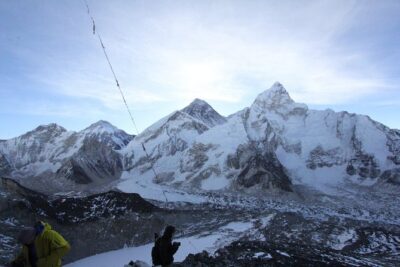
Browse the lists this tour appears in