
Reviewed · EVEREST BASE CAMP TREKS
Everest Base Camp Trek
Everest Base Camp is not a quick photo stop. This 14-day trek carries you from Lukla through Sherpa villages and high mountain country to the Khumbu Glacier, with a final push to Base Camp and Kala Patthar. I like the way the route builds in acclimatization days at Namche Bazaar and Dingboche, and I like that the package includes the Lukla flights, airport transfers, and two nights in Kathmandu.
The trade-off is plain: this is a demanding trek at high altitude, not simply a long walk with dramatic views. Lukla flights can be delayed or canceled by weather, and the peak-season route may involve a drive to Ramechhap before flying. At $1,300, the price covers useful essentials, but check exactly what lodging and other trek costs are covered before you book.
What matters on this Everest trek
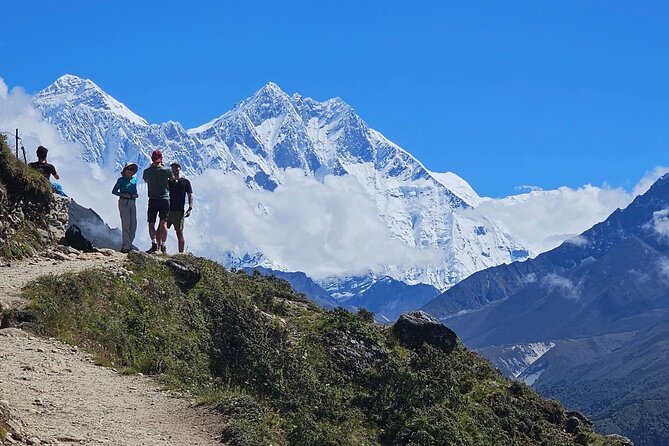
- A small group: The maximum is eight, which should make it easier to keep a shared pace and stay in touch with your guide.
- Acclimatization built into the schedule: You spend extra time in Namche Bazaar and Dingboche before climbing higher.
- A mix of mountain and Sherpa culture: Stops include the Sherpa Museum, Tengboche Monastery, and villages along the Khumbu route.
- Two major high points: Everest Base Camp is the trek’s destination; Kala Patthar, at 5,550 metres, is the scheduled viewpoint for sunrise over Everest.
- Flights are included: The package covers the client’s and guide’s Lukla flights, with Kathmandu or Ramechhap used depending on flight arrangements.
- Pack for extra costs: Personal expenses, drinks, alcohol, and tips are not included.
Starting in Kathmandu, then flying to Lukla
Your first day is for arrival, an airport pickup, and a transfer to a hotel near Thamel. A pre-trek meeting gives you time to meet the team and prepare for the early start. Two Kathmandu hotel nights are included on a bed-and-breakfast basis, though the listed schedule places the second night after the return flight.
The flight to Lukla takes about 40 minutes when conditions allow. The views are part of the appeal, but the flight is also a weak link in the timetable: bad weather or other local factors can cause delays or cancellations. In peak season, flights may use Ramechhap instead of Kathmandu, with a drive to the airport. Treat the stated flight time as flight time, not as a promise of a quick door-to-door transfer.
After landing, you walk to Phakding, where you spend the night. The day’s trek is listed at about three hours, a relatively gentle introduction before the longer days ahead. You can use the remaining time to explore the village and settle into the rhythm of the route.
More Everest Base Camp treks in Kathmandu:
- Everest Base Camp Trek – 14 Days
★ 5.0 · 1,499 reviews - Everest Base Camp Trekking
★ 5.0 · 485 reviews - Everest Base Camp Trekking – 13 Day
★ 5.0 · 365 reviews
Namche Bazaar, the first serious acclimatization stop
On Day 3, the route follows the Dudh Koshi and crosses suspension bridges on the way toward Monjo and Namche Bazaar. Allow about six hours for this walk. Namche is both the gateway to the Everest region and a Sherpa cultural centre, so it is more than a place to sleep before heading uphill.
Day 4 is set aside for acclimatization. That pause is a practical part of the trek, not wasted time: you are gaining altitude, and the schedule gives you a chance to adjust before continuing higher. The day includes an Everest viewpoint visit, with the Hotel Everest View area noted as a place for broad mountain views.
You can also visit the Sherpa Museum, which focuses on Sherpa culture and mountaineering history. I like this stop because it gives some context to the communities and climbing stories that accompany the route. Still, the schedule does not specify exactly how long you will spend at each site, so ask your guide how the day will be paced.
Tengboche and the trail toward Dingboche
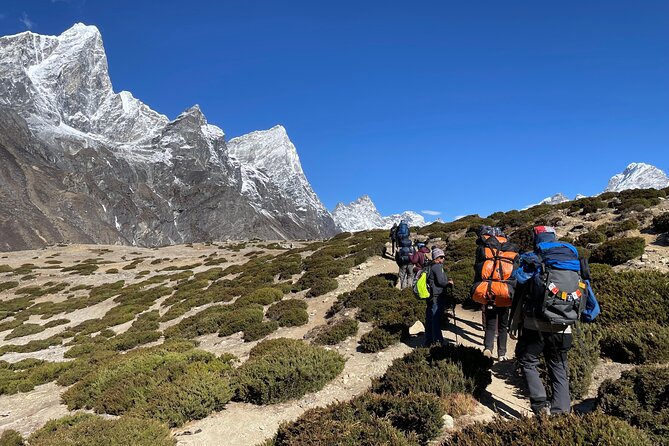
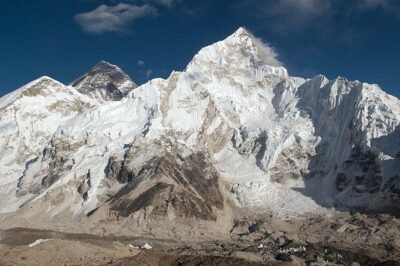
On Day 5, the trail climbs above the Dudh Koshi toward Tengboche. The walk is listed at about five hours, with views of Everest, Nuptse, Lhotse, Thamserku, and Kwangde along the way. Tengboche is known for its monastery, a worthwhile cultural pause amid the increasingly high mountain scenery.
The next day takes you through rhododendron forest and meadows, past the Buddhist nunnery at Deboche and across the Imja Khola toward Dingboche. The route description notes views of Island Peak and Amphu Laptsa Peak. Expect a longer-feeling day even though the stated walking time is about five hours: you are moving into higher country, where taking your time matters.
Day 7 is another rest and acclimatization day in Dingboche. You can stay put or take a short walk before returning to the same village for the night. The schedule leaves the day flexible, so ask your guide what outing makes sense for your group and how much effort to put in. A rest day is useful only if you treat it as one.
Lobuche, the memorials, and Everest Base Camp
From Dingboche, the route heads toward Dughla and passes memorials to Sherpas who died on Everest expeditions. This is a sobering stop, and it changes the tone of the trek. The mountain is not just a scenic backdrop or a personal goal; it is a place where climbers and local workers have faced serious danger.
The walk to Lobuche is listed at about six hours. Views include Kala Patthar and Pumori, followed by a route along the Khumbu Glacier moraine. The terrain grows stonier as you approach the upper valley. Take your time, drink regularly, and follow your guide’s pace rather than treating the day as a race.
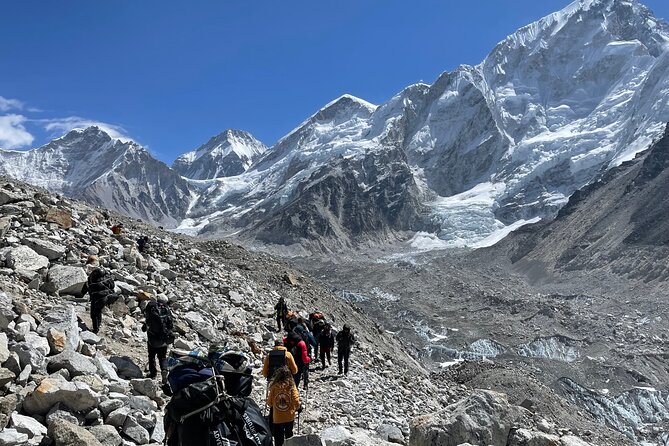
Day 9 is the push to Everest Base Camp, with about six hours listed for the walk. The trail crosses rocky ground, moraines, and streams toward the Khumbu Icefall and Base Camp. The exact view from Base Camp can depend on conditions and the season, but reaching the site and seeing the glacier and icefall up close are the central rewards of this stretch.
The schedule then has you continue to Gorak Shep, where you spend the night. The listed walk for this leg is about three hours. At this altitude, even a short distance can feel substantial; do not judge the effort by the clock alone. Your guide’s pacing and support matter, especially on the toughest days.
More multi-day treks in Kathmandu:
- Everest Base Camp Trek -14 Days
★ 5.0 · 321 reviews - Everest Base Camp Trekking – 2025/2026
★ 5.0 · 199 reviews - Everest Base Camp Trek
★ 5.0 · 193 reviews - Everest Base Camp Trek with Helicopter Return from Gorakshep to Lukla
★ 5.0 · 161 reviews
Kala Patthar at sunrise, then back down
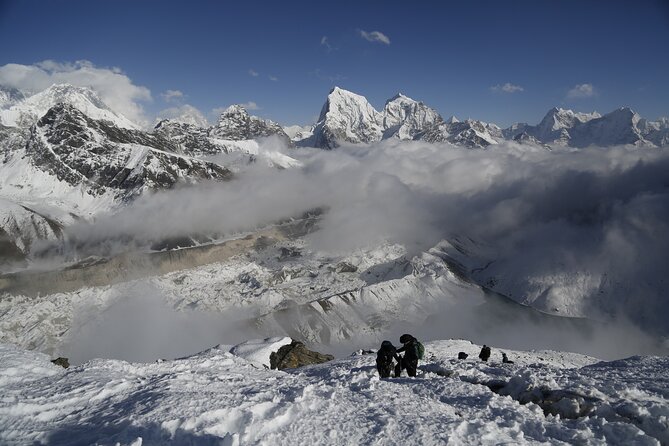
Day 10 begins with the climb to Kala Patthar, at 5,550 metres. The ascent takes about two hours, and the viewpoint is chosen for its broad views of Everest at dawn. It is the trek’s highest point, so warm layers and a steady pace are sensible. You then descend to Gorak Shep for breakfast and continue down to Pheriche, a long day listed at about six hours.
The route back retraces familiar ground, but the experience changes when you are descending. On Day 11, you head through the area around Tengboche and continue toward Namche Bazaar, with the schedule listing about six hours of walking. Pangboche Monastery, described as the oldest in the area, is another possible cultural stop.
Day 12 is the final walking day, back to Lukla. The route passes Sherpa hamlets and the Hillary Suspension Bridge, with about six hours on foot. Reaching Lukla feels like a milestone, but keep in mind that the return flight is still ahead.
The return flight, meals, and what $1,300 covers
Day 13 is for flying from Lukla to Kathmandu or Ramechhap, depending on the flight arrangement and season. If you land at Ramechhap, the schedule includes a four-hour flight-and-transfer period, though it does not spell out every transfer detail. The company says a guide will take you to your accommodation after the flight, and Day 14 is set aside for airport transfer or onward plans.
This return leg deserves flexibility. The trip’s own schedule notes weather-related flight disruption, and one account of the experience describes canceled flights from Lukla to Kathmandu. Build spare time into your plans if you have a fixed international departure. The listed itinerary does not promise an extra buffer day.
At $1,300, the package includes airport pickup and drop-off, all listed fees and taxes, and the client’s and guide’s Lukla flights. It also includes two Kathmandu hotel nights with breakfast, plus 13 breakfasts, 11 lunches, and 11 dinners. That is a substantial set of inclusions for a two-week trip, particularly the flights and meal coverage.
The price does not include personal expenses, beverages, alcoholic drinks, or tips for the guide and porter. The inclusion details name only two nights of Kathmandu accommodation, so confirm what lodging is provided on the trek, as well as any permits or equipment costs that may apply. Do this before comparing the price with other packages; what is included can make a large difference in the final bill.
Guides, group size, and the real level of effort
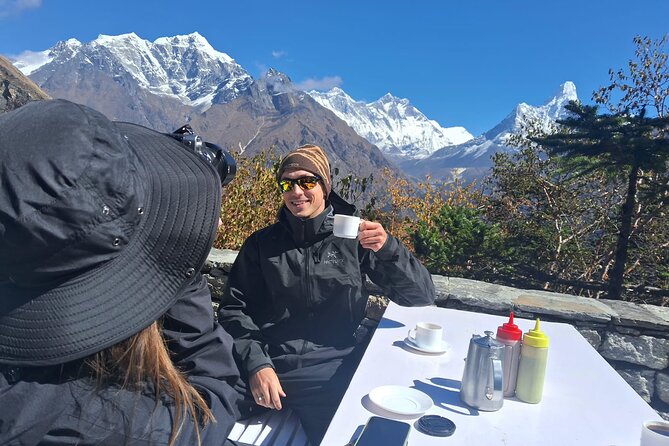
The group limit is eight people, a useful size for a route where the pace and how you feel at altitude can differ from one person to the next. The operator’s staff names associated with this trek include guides Ram, Prakash, Gore, Bishnu, Rajesh, Tilak, Binode, and Sanjay, and porter Amer. People who have trekked with the company have singled out personal support, steady encouragement, and practical help with gear and health. These details matter more than a grand promise: on a hard day, calm decisions and clear communication can shape the experience.
One family account describes guide Ram keeping a granddaughter entertained with a card game, while another names porter Amer as a source of support. A trekker also describes guide Gore responding calmly to a sudden snowstorm and helping with equipment. Those are examples, not guarantees that you will be assigned the same team. Ask who will guide your departure and how porter arrangements work.
The activity calls for a moderate level of physical fitness, but that label should not make you underestimate it. The route includes repeated days of walking, a climb to 5,550 metres, and high-altitude nights. If you have concerns about your ability to manage the route, discuss them with the operator before booking and ask how the guide handles a group member who needs to slow down or stop.
Who should book this route
This trek suits you if you want a structured route to Everest Base Camp, value Sherpa cultural stops as well as mountain views, and can commit two weeks to walking and acclimatization. It can also suit a small group or family seeking a shared challenge, provided everyone is comfortable with the physical demands and the uncertainty of mountain flights.
It is a weaker fit if you have a strict return deadline, want a relaxed holiday, or are uncomfortable with high altitude and basic trekking conditions. The trip offers a great deal of scenery and a clear route, but not a guaranteed flight schedule or an easy walk. Read the inclusions carefully, ask about trek lodging and other costs, and leave room in your travel plans for delays.
Should you book the Everest Base Camp Trek?
I would consider booking this trip if the route, group size, and included flights match your priorities, and if you are ready for a serious high-altitude trek rather than a scenic stroll. The itinerary gives you time to acclimatize, reaches both Base Camp and Kala Patthar, and makes room for Sherpa culture along the way.
Before paying, get clear answers about mountain lodging, permits, porter arrangements, and what happens if a flight delay affects your schedule. If those details suit your budget and you can keep your plans flexible, this is a well-rounded way to reach the Everest region with a guide and a small group.
FAQ
How long is the Everest Base Camp Trek?
The trek is scheduled for approximately 14 days, including arrival and departure days.
What is the price?
The listed price is $1,300.
What is the maximum group size?
The group is limited to eight travelers.
Are airport pickup and drop-off included?
Yes. Airport pickup on arrival and drop-off for final departure are included.
Are flights to Lukla included?
Yes. The package includes round-trip flights for the client and guide, using Kathmandu or Ramechhap depending on the arrangement.
How many nights in Kathmandu are included?
Two nights in Kathmandu are included, with breakfast, at Hotel Kailash Kutee or a similar category.
Which meals are included?
The package lists 13 breakfasts, 11 lunches, and 11 dinners.
What is not included in the price?
Personal expenses, beverages, alcoholic drinks, and tips for the guide or porter are not included.
What fitness level is required?
The stated requirement is a moderate physical fitness level.
What happens if bad weather cancels the experience?
If poor weather causes cancellation, you will be offered a different date or a full refund.
Newly listed in Kathmandu
- Traditional Momo Making Class★ 5.0 · 10 reviews
- Walking tour of real Kathmandu through back streets.★ 5.0 · 3 reviews
- Kathmandu 2 Nights 3 Days Chitwan Jungle Safari Tour★ 5.0 · 9 reviews
- Visit Swayambhunath and Bauddhanath Stupa with Guide★ 5.0 · 5 reviews
- Walking tour of Kathmandu with awesome local guides★ 5.0 · 4 reviews
- Kathmandu Street Food Walking Tour – Eat Like a Local★ 5.0 · 3 reviews
- Private Manaslu Circuit Trek at Himalayas★ 5.0 · 3 reviews
- Kathmandu to Pokhara Vip Sofa Bus Ticket★ 4.0 · 4 reviews
Everest Base Camp Treks, compared.
Everest Base Camp Trek with Helicopter Return from Gorakshep to Lukla
Read our review →
Browse the lists this tour appears in