
Reviewed · EVEREST BASE CAMP TREKS
Everest Base Camp Trek
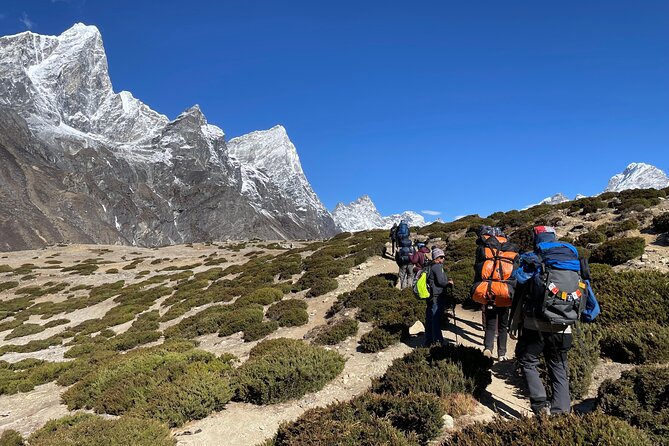
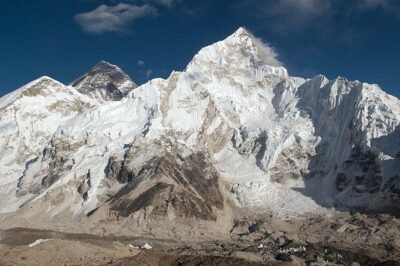
The reward here is not just reaching Everest Base Camp. It is the steady change in scenery and pace as you walk from Lukla through Sherpa villages, past monasteries, and into the high, spare country around Gorak Shep. The summit of the trek is Kala Patthar, where an early climb brings you face to face with Everest and its neighboring peaks.
I like two things in particular: two acclimatization days give your body time to adjust, and the package includes the Lukla flights, permits, lodge accommodation, meals on the trek, and a porter shared by two trekkers. One important consideration: this is a strenuous, high-altitude trek, and winter can be intensely cold. You need a good level of fitness and a willingness to walk for several hours on consecutive days.
The trek in a few key points
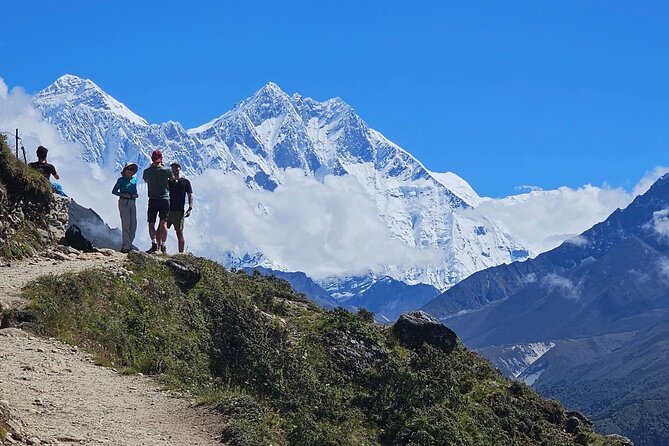
- Highest point: Kala Patthar reaches 5,545 meters, higher than Everest Base Camp at 5,364 meters.
- Two acclimatization stops: You spend an extra day in Namche Bazaar and another in Dingboche.
- Sherpa culture along the trail: Villages, monasteries, prayer wheels, and the Sherpa Museum in Namche add human context to the mountain views.
- A small group: The maximum group size is 12, with a guide and trekking crew.
- Lukla flights are included: The trip includes flights between Kathmandu and Lukla, plus an extra day in case weather disrupts the return flight.
- Winter means real cold: A winter account describes below-freezing conditions. Guide Krishna is named in one account, while another names Babu and his team. Your assigned guide is not guaranteed to be either person.
From Kathmandu to the trailhead
The trip begins at Tribhuvan International Airport in Kathmandu, with pickup listed for 7:15 am. On arrival, a representative transfers you to your hotel, where you can rest after your flight. Later, you meet your guide for a briefing. That first night is useful: you have a chance to settle in and hear what the trek involves before heading into the mountains.
On Day 2, an early flight takes you to Lukla. The short flight is part of the adventure, and the Himalayan views are a first glimpse of what lies ahead. Once you meet the trekking crew, you walk downhill to Phakding, passing Sherpa villages, mani walls, and prayer wheels. It is a relatively easy opening day, at about three hours, which helps you ease into the walking routine.
The return flight from Lukla to Kathmandu is included too. That is valuable, but mountain weather can delay or cancel flights. The schedule accounts for this with a spare Day 14 in Kathmandu. Keep your onward plans flexible enough to make use of that buffer rather than booking a tight connection home.
More Everest Base Camp treks in Kathmandu:
- Everest Base Camp Trek – 14 Days
★ 5.0 · 1,499 reviews - Everest Base Camp Trekking
★ 5.0 · 485 reviews - Everest Base Camp Trekking – 13 Day
★ 5.0 · 365 reviews
Namche Bazaar: a busy trail town and an acclimatization day
Day 3 is a bigger effort: around six hours of walking beside the Dudh Koshi River. You cross suspension bridges hung with prayer flags, pass through pine forests and villages, and enter Sagarmatha National Park. The climb to Namche Bazaar is challenging, but the town makes a welcome stopping point.
Namche is the main hub on this stretch of the trail. On Day 4, you stay put to help your body adjust to the altitude. There is time to explore the market, visit the Sherpa Museum, or take a hike toward Everest View Hotel or Khumjung village. Those options give you a worthwhile day without simply sitting in your lodge. The hike still takes effort, so treat it as part of your acclimatization plan, not as a day off from walking.
I like that the itinerary gives Namche a full day. Altitude affects people differently, and a gradual schedule is more sensible than racing uphill to save a day. Still, the itinerary cannot promise that you will avoid altitude symptoms. Pay attention to how you feel and follow your guide’s advice.
Tengboche and Dingboche: villages, forests, and thinner air
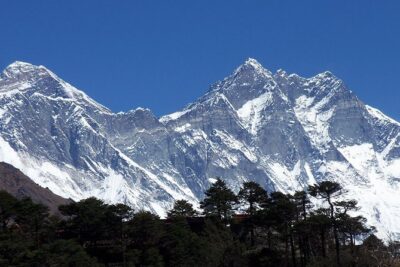
On Day 5, you leave Namche and climb gently, with views of Everest, Lhotse, and Ama Dablam. The route passes through rhododendron and pine forest before dropping to the Dudh Koshi River. After crossing a suspension bridge, you climb to Tengboche. The monastery is a key cultural stop on the route, and the surrounding mountains make this a memorable place to pause.
The next day takes you to Dingboche, in about six hours. You descend through forest to Debuche, cross the Imja Khola, then climb past Pangboche, described as the highest permanent settlement in the region. The combination of village life and widening mountain views makes this more than a march from one lodge to another. At this altitude, though, each uphill stretch can feel harder than it would at home.
Day 7 is another acclimatization day. The planned hike goes to Nagarjun Hill at about 5,100 meters, with views toward Makalu, Lhotse, and Island Peak. That is a high viewpoint, not a gentle stroll. You return to Dingboche for lunch and a quieter afternoon, but the morning hike itself is a substantial part of the day. If you are feeling unwell, discuss the plan with your guide rather than pushing on just to tick off a viewpoint.
The high trail to Lobuche and Everest Base Camp
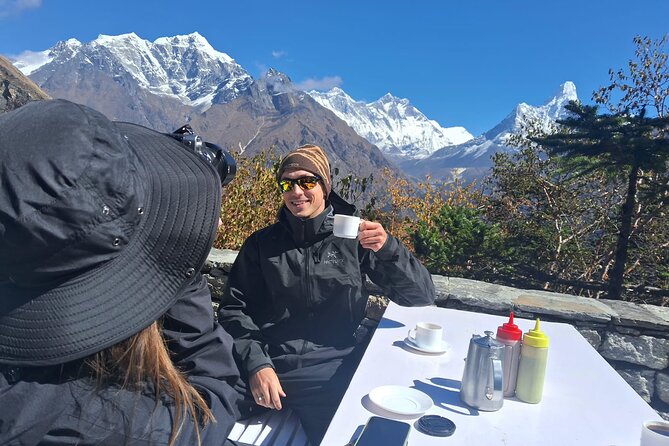
On Day 8, the route climbs through rocky country with little vegetation. You pass Dughla and ascend a memorial ridge that honors climbers who died on Everest. It is a sobering pause in a trek often framed around scenery and achievement. From there, you continue toward Lobuche, with about five hours of walking.
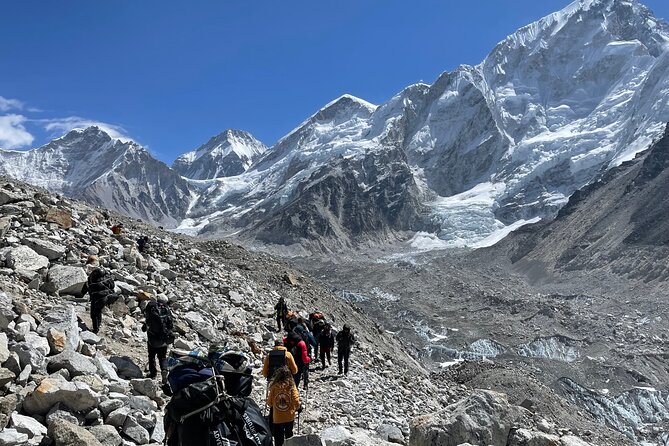
Day 9 brings a gradual walk to Gorak Shep, the last settlement before Base Camp. After lunch, you cross rocky ground and glacier moraines to reach Everest Base Camp at 5,364 meters. The approach is a demanding seven-hour day, and the terrain is not a smooth path. The point is not a summit view of Everest from the camp itself; the next morning’s climb to Kala Patthar is the main vantage point for seeing the mountain.
This distinction helps set expectations. Base Camp is a famous destination, but the trek’s headline view comes from above Gorak Shep. You get both places on successive days, but you also need enough energy for the early start that follows.
More multi-day treks in Kathmandu:
- Everest Base Camp Trek -14 Days
★ 5.0 · 321 reviews - Everest Base Camp Trekking – 2025/2026
★ 5.0 · 199 reviews - Everest Base Camp Trek
★ 5.0 · 193 reviews - Everest Base Camp Trek with Helicopter Return from Gorakshep to Lukla
★ 5.0 · 161 reviews
Kala Patthar at sunrise, then the long way back
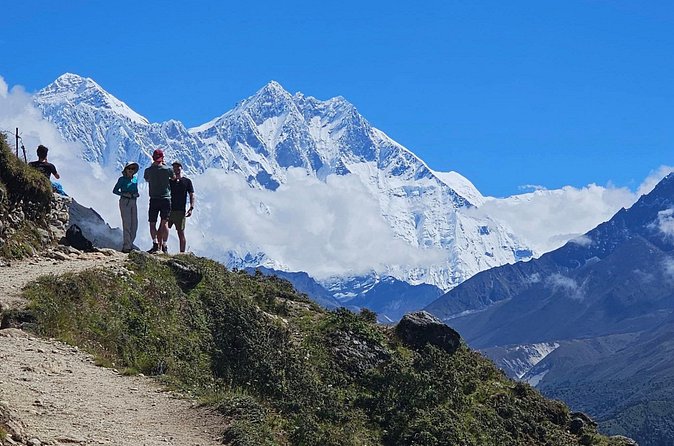
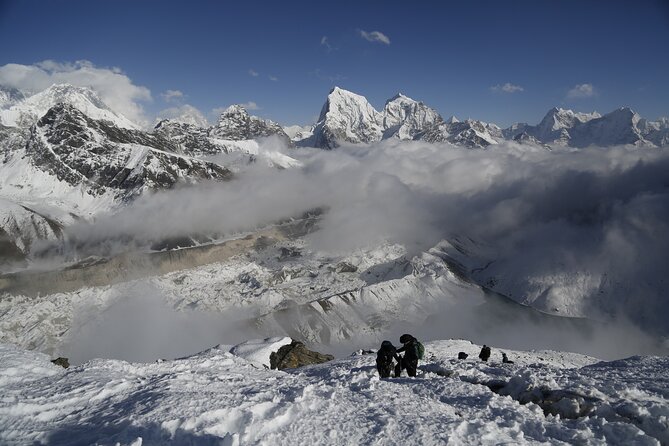
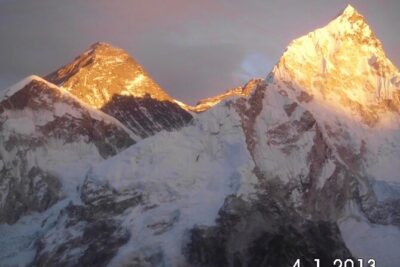
Day 10 begins early with a steep climb to Kala Patthar, at 5,545 meters. The goal is sunrise, when the surrounding Himalayan peaks are visible in the first light. It is the highest point of the trip and a serious physical effort, especially after the previous day’s Base Camp walk. Afterward, you descend to Gorak Shep for breakfast and continue to Pheriche.
From Day 11, the route retraces much of the way down. You pass Pangboche and Tengboche, descend through forest, and cross suspension bridges over the Dudh Koshi. The day is listed at about seven hours, so the return is not a quick stroll even though you are losing altitude.
Day 12 is the final trekking day, around seven hours downhill through pine forest and across high suspension bridges to Lukla. There is time to look back on the villages and trail you have covered, but expect tired legs by the end. You spend the night before the flight back in the area, then take the morning flight to Kathmandu on Day 13. A hotel transfer is included.
Day 14 is a weather buffer for the Lukla flight. If your flight runs on schedule, you have free time in Kathmandu. Day 15 ends with a transfer to Tribhuvan International Airport after breakfast. The schedule is thoughtfully padded, but the extra day is not a guarantee against every possible disruption, so keep your international travel arrangements realistic.
What the $1,800 price covers
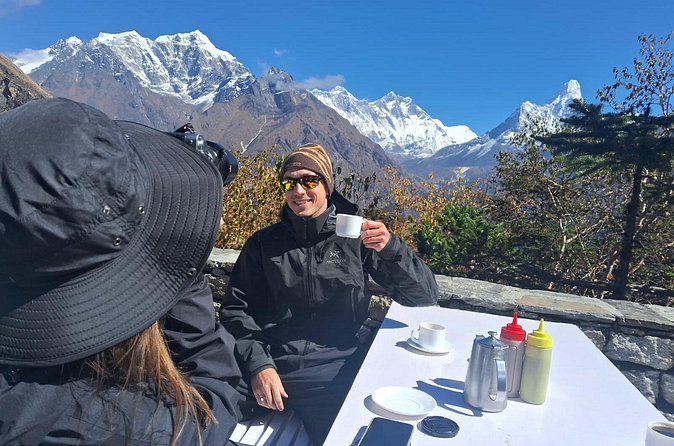
At $1,800 per person, the price includes a substantial amount of the trip’s main logistics: Kathmandu to Lukla return flights, ground transportation, three nights in a Kathmandu hotel, and 11 nights in trekking lodges. It also includes necessary trekking permits and Sagarmatha Conservation fees, a porter shared between two trekkers, and gear listed as a sleeping bag, duffel bag, and walking pole.
Meals are included during the trek, with breakfast, lunch, and dinner described as part of the package. The meal counts are also itemized as 14 breakfasts, 11 lunches, and 12 dinners, so check the exact meal coverage for your travel dates before booking, especially on Kathmandu days and flight days. International airfare, the Nepal visa fee, personal travel insurance, and tips for the guide and porter are not included.
The shared porter arrangement helps keep your walking load down, but it is not an individual porter for every trekker. The included equipment is useful, though you should confirm what is supplied and what you must bring yourself before departure. At high altitude, having the right personal clothing and footwear matters more than a short gear list can convey.
The value comes from bundling the expensive and complicated pieces: domestic flights, permits, lodging, trek meals, and support on the trail. You are not paying only for a guide to lead the way. You are paying for a coordinated 15-day plan in a remote region where getting people and supplies between villages takes work. Still, budget separately for international flights, insurance, visa costs, tips, and any personal purchases.
Cold, group size, and who should book
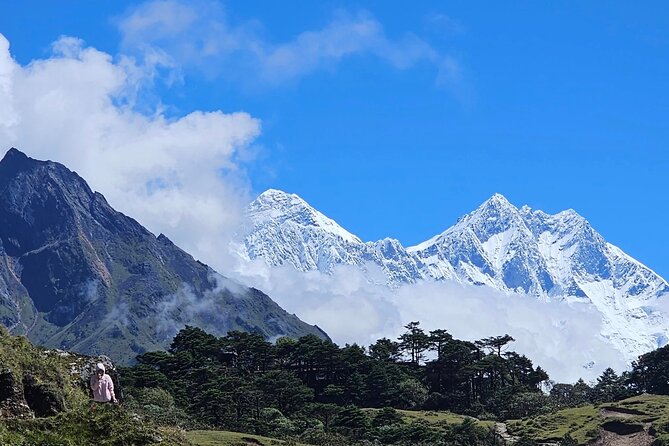
The maximum group is 12, which keeps the party smaller than a large bus tour but does not make this a private trek. The operator is Adventure Great Himalaya Trek and Expedition. Names associated with the team include guide Krishna and Babu, but the information does not guarantee that either will lead your departure.
Winter can be especially cold. One account of a December trek describes extreme temperatures, while also noting that having a guide helped the trekker focus on walking and leave the practical arrangements to the guide. That is a useful reminder of what a guided trek can do well: handle the moving parts so you can concentrate on the day’s effort. It does not make the cold disappear, so pack with the season in mind.
This trip suits you if you are reasonably fit, comfortable with long walking days, and drawn to mountain scenery as much as to the achievement of reaching Base Camp. It is less suitable if you need easy access to medical care, dislike basic lodge-style accommodation, or are not prepared for cold and high altitude. The supplied information describes lodge accommodation as comfortable, but it does not promise luxury.
The cancellation terms are strict: the experience is non-refundable and cannot be changed. That matters for a 15-day trip involving mountain flights and international connections. Read the terms carefully and arrange suitable travel insurance before committing.
Should you book this Everest Base Camp trek?
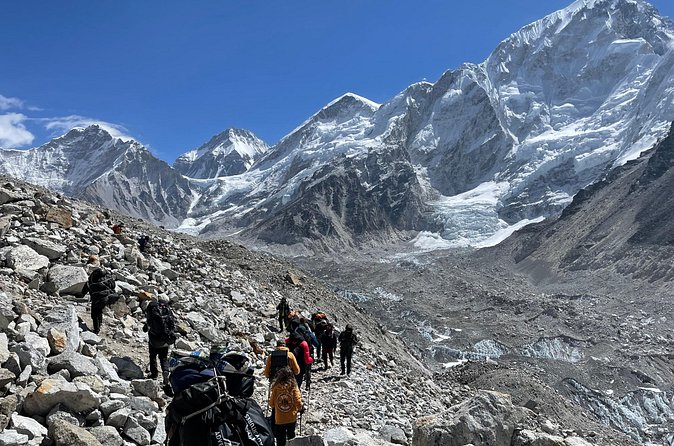
I would consider booking this trek if you want a guided, supported route with two acclimatization days, a small group limit, and the main costs of the mountain portion bundled into one price. The Base Camp walk, sunrise climb to Kala Patthar, and time in Sherpa villages give the route a good mix of big views and local culture.
I would pause if you are unsure about your fitness, need flexible cancellation, or cannot allow extra time around the Lukla flights. Before paying, confirm meal coverage, the gear provided, what you should carry, and the guide assigned to your departure. If those details suit you, this is a strong package for a demanding trek, not a casual holiday with a few mountain walks.
FAQ
How long is the Everest Base Camp trek?
The trip lasts approximately 15 days, including travel to and from Lukla, trekking days, acclimatization days, and a buffer day for possible flight delays.
What is the highest point on the trek?
The highest point is Kala Patthar at 5,545 meters. Everest Base Camp is at 5,364 meters.
Where and when does the trip start?
It starts at Tribhuvan International Airport in Kathmandu. The listed start time is 7:15 am.
How large is the group?
The maximum group size is 12 travelers.
Are meals included?
Meals are included during the trek. The package lists breakfast, lunch, and dinner, with itemized totals of 14 breakfasts, 11 lunches, and 12 dinners.
Are flights between Kathmandu and Lukla included?
Yes. The package includes the Kathmandu to Lukla flight and the return flight to Kathmandu. A spare day is included in case weather delays the return flight.
What costs are not included?
International airfare, the Nepal visa fee, personal travel insurance, and tips for the guide and porter are not included.
Newly listed in Kathmandu
- Traditional Momo Making Class★ 5.0 · 10 reviews
- Kathmandu 2 Nights 3 Days Chitwan Jungle Safari Tour★ 5.0 · 9 reviews
- Walking tour of real Kathmandu through back streets.★ 5.0 · 3 reviews
- Visit Swayambhunath and Bauddhanath Stupa with Guide★ 5.0 · 5 reviews
- Walking tour of Kathmandu with awesome local guides★ 5.0 · 4 reviews
- Kathmandu Street Food Walking Tour – Eat Like a Local★ 5.0 · 3 reviews
- Private Manaslu Circuit Trek at Himalayas★ 5.0 · 3 reviews
- Kathmandu to Pokhara Vip Sofa Bus Ticket★ 4.0 · 4 reviews
Everest Base Camp Treks, compared.
Everest Base Camp Trek with Helicopter Return from Gorakshep to Lukla
Read our review →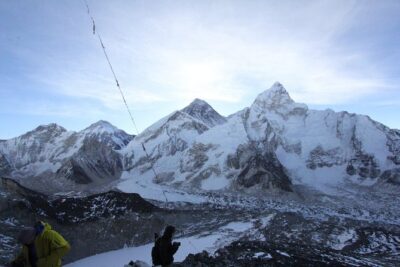
Browse the lists this tour appears in