
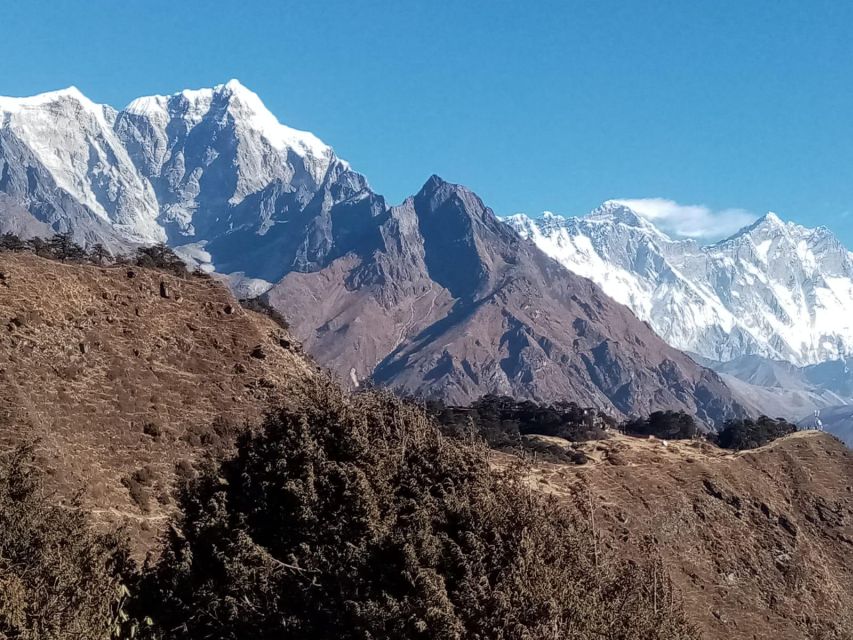
Reviewed · EVEREST BASE CAMP TREKS
From Kathmandu Budget: 15 Day Everest Base Camp Trek
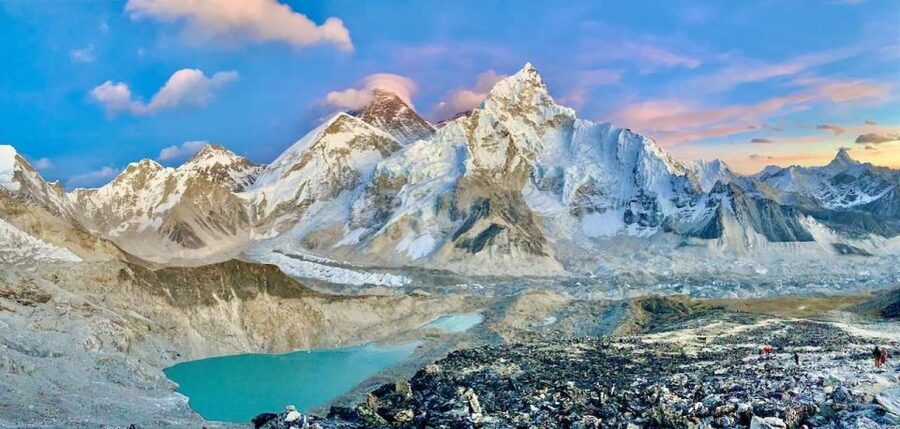
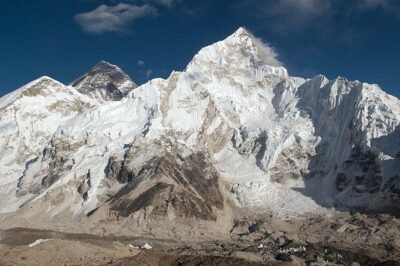
The prize here is not just reaching Everest Base Camp at 5,364 meters. It is the climb to Kala Patthar, at 5,545 meters, where the view takes in Everest, Lhotse and Nuptse. This 15-day trek also brings you through Sherpa settlements, across suspension bridges and up to Tengboche Monastery.
I like two things in particular: the route includes a day to acclimatize in Dingboche, and a private guide can adjust the pace to your health and needs. Past guides Krisna and Milan were praised for checking in, communicating clearly and putting trekkers first. The main catch is the long, shared road transfers at both ends, plus the fact that food, drinks, travel insurance and emergency rescue are not included.
At a glance: the details that matter
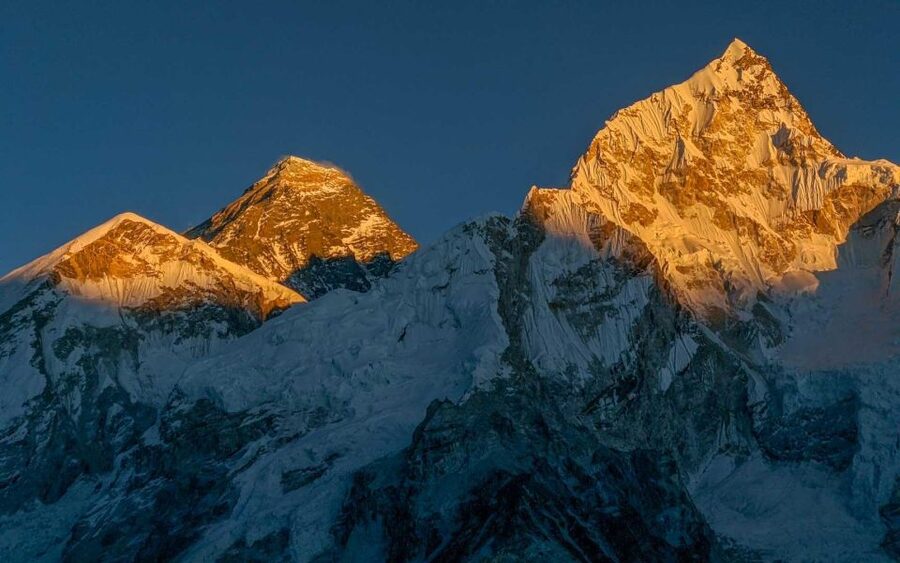
- Kala Patthar tops out at 5,545 meters: The early-morning or evening climb is the trek’s high point, with broad views of Everest, Lhotse and Nuptse.
- The route takes 15 days from Kathmandu: It includes road travel to and from the trail, not just days on foot.
- You get a private trekking group: Your guide speaks English, Nepali or Hindi, and the itinerary may be adjusted to your health and pace.
- Dingboche is the scheduled acclimatization stop: You spend a day there before continuing to Lobuche and Everest Base Camp.
- The $796 price covers key trek basics: Guesthouse lodging, permits, a guide, guide expenses and trekking poles are included. Your meals and travel insurance are not.
- Shared transport means a budget-minded start and finish: The drives between Kathmandu and Salleri are each listed at about 10 hours.
The road from Kathmandu sets the tone
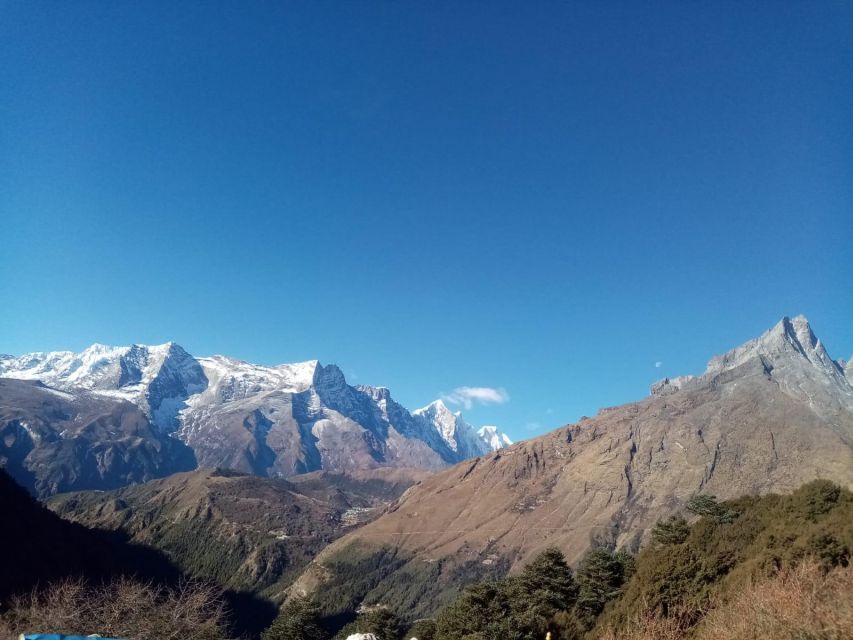
Day one starts early with a shared jeep or bus from Kathmandu to Salleri, a roughly 10-hour drive over about 267 kilometers. This is a practical way to reach the trail without adding an included flight, but it is also a long day before the hiking really begins. Keep essentials handy and expect the road transfer to take a substantial share of your energy.
On day two, you travel by jeep from Salleri to Tham Danda, then trek to Surkhe. The route description puts this combined day at seven to nine hours. The trek is described as starting from Lukla, but this itinerary reaches the trail through Salleri and Surkhe, then lists Lukla on the return. If you are comparing routes, confirm the exact transport and walking arrangements with the operator before booking.
From Surkhe, the trail goes to Phakding on day three, a six- to seven-hour walk. The broader route passes through forest, mountain terrain and suspension bridges over deep gorges. These details matter: the trek is not a quick transfer from Kathmandu to a famous viewpoint. You have several days of walking before reaching the highest settlements, and the changing terrain is part of the experience.
More Everest Base Camp treks in Kathmandu:
- Everest Base Camp Trek – 14 Days
★ 5.0 · 1,499 reviews - Everest Base Camp Trekking
★ 5.0 · 485 reviews - Everest Base Camp Trekking – 13 Day
★ 5.0 · 365 reviews
Namche Bazaar and the first major climb
Day four takes you from Phakding to Namche Bazaar, at 3,440 meters, in about six to seven hours. Namche is the Khumbu region’s main hub, and reaching it marks a clear step into the high mountains. The altitude is already significant, so the day is not simply a scenic stroll. Give yourself time, drink water and tell your guide if you feel unwell.
The trail continues to Tengboche on day five, with the monastery at 3,860 meters as the day’s defining stop. Buddhist monasteries and prayer flags are part of the route’s cultural setting, not just a backdrop for photographs. Tengboche also gives you a chance to pause and take in the quiet of a mountain settlement before the trail pushes higher.
Day six leads to Dingboche, at 4,350 meters, over five to six hours. The gradual rise in altitude is one reason the schedule includes an acclimatization day here. On day seven, you stay in Dingboche rather than moving on. That rest day is valuable, but it is not a guarantee against altitude problems. This is a demanding trek, and the guide’s willingness to slow down or adapt the plan is a practical advantage, not a luxury.
Higher ground: Lobuche, Base Camp and Gorak Shep
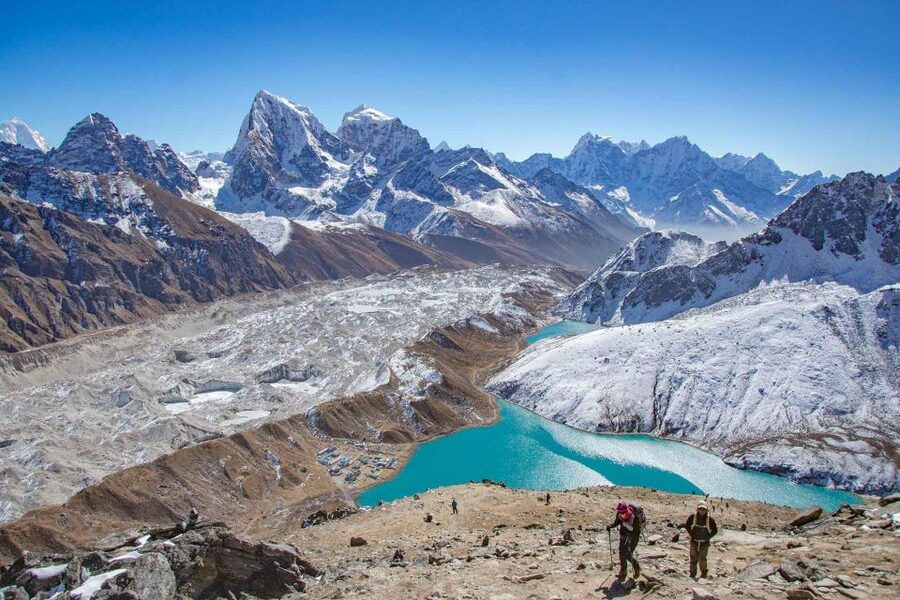
After the acclimatization stop, day eight climbs to Lobuche, at 4,910 meters, in about five hours. By now, you are walking at an altitude that can affect sleep, appetite and stamina. The daily distances may sound manageable on paper, but the height changes the effort. A flexible pace can help you focus on how your body is responding instead of racing the clock.
Day nine is the long push to Everest Base Camp, listed as an eight-hour day, followed by a return to Gorak Shep at 5,180 meters. Base Camp sits at 5,364 meters and is the iconic starting point for Everest expeditions. Reaching it is a memorable milestone, though the views of Everest are not the same as the broad summit panorama from Kala Patthar. The peaks and the scale of the setting are the reward; the high altitude and long day are the price.
Base Camp is not the end of the climb. Day ten begins with a hike to Kala Patthar, at 5,545 meters, then continues down to Pheriche, at 4,120 meters. The listed hiking time is seven hours for the Kala Patthar hike, followed by about four hours to Pheriche. The viewpoint is the best place on this itinerary for the sweeping views of Everest, Lhotse and Nuptse. Sunrise or sunset is noted as especially rewarding, but the schedule does not specify an exact departure time, so ask your guide how the day will work.
This is the trek’s most demanding stretch: Base Camp one day, then an even higher viewpoint and a long descent the next. You should not treat the altitude figures as a challenge to conquer at any cost. Your health comes first, and the guide’s flexibility is especially useful here. One past participant singled out Milan for checking in often, explaining the trek clearly and being willing to slow down or add rest when needed. Krisna was also praised for adapting to the group. Those are the kinds of guide qualities worth asking about when you confirm your booking.
The return through Sherpa country
Day eleven goes from Pheriche to Panboche, at 3,985 meters, in five to six hours. The route is now descending, but that does not mean the walking is effortless. Your legs may be tired after the high point, and the trail still asks for several hours on your feet.
On day twelve, you walk about seven hours to Namche Bazaar. Returning to a familiar stop can make the route feel less intense, but the long day remains. Day thirteen continues from Namche to Lukla, at 2,860 meters, in five to six hours. The itinerary’s return through Lukla is worth noting because the initial approach comes via Salleri and Surkhe, rather than listing a flight into Lukla.
Day fourteen is a seven- to eight-hour shared jeep transfer from Lukla to Salleri. Day fifteen finishes with another shared jeep or bus ride from Salleri to Kathmandu, listed at about 10 hours. In other words, you should not plan a tight connection or an important appointment immediately after the scheduled finish. The route gives you a budget-conscious way to complete the circuit, but the road legs take time and can be tiring.
More multi-day treks in Kathmandu:
- Everest Base Camp Trek -14 Days
★ 5.0 · 321 reviews - Everest Base Camp Trekking – 2025/2026
★ 5.0 · 199 reviews - Everest Base Camp Trek
★ 5.0 · 193 reviews - Everest Base Camp Trek with Helicopter Return from Gorakshep to Lukla
★ 5.0 · 161 reviews
What $796 includes, and what it does not
At $796 per person, the price is appealing for a 15-day private trek, especially because it includes a guide, permits and guesthouse accommodation during the trek. The package also covers Kathmandu-area pickup and drop-off, shared round-trip transfers, the guide’s food, lodging, personal expenses and insurance, plus a trekking pole and a first-aid kit carried by the guide.
The word private applies to the trekking group, not necessarily to the road transport. The transfers are described as shared jeep or bus rides. That distinction matters if you expect a private vehicle throughout or want the flexibility of setting every departure time yourself.
Meals and drinks are bought separately, as is your travel insurance. Emergency rescue is also not included, and you are expected to have insurance that covers it. At this altitude, that is essential trip planning, not an optional extra to sort out at the last minute. Warm clothing, hiking shoes, hiking pants, a passport or copy, and a passport-sized photo are on the bring list.
There is free cancellation up to 24 hours before the activity, and you can reserve now without paying at the time of booking. These terms offer some flexibility, but they do not replace checking the exact route, inclusions and insurance requirements with the operator.
Who will get the most from this trek
This trek suits you if you want the full high-altitude experience, including both Base Camp and Kala Patthar, and can set aside 15 days for the route and long road transfers. It is also a good fit if you value having a private guide who can adapt the pace to your needs. The strongest practical praise for the guiding on this trip centers on communication, attentive check-ins and flexibility.
It is a poor fit if you need wheelchair access or are pregnant, as the activity is specifically marked unsuitable for both. You should also think carefully about the physical demands if you are not prepared for repeated long walks at altitude. The itinerary has one scheduled acclimatization day in Dingboche; it is not a leisurely mountain holiday with frequent rest days.
Spring, from March to May, and autumn, from September to November, are identified as the best seasons for stable weather and clear mountain views. The trek may be possible at other times, but mountain weather can change, so pack for cold and shifting conditions even in a favorable season.
Should you book it?
I would consider this trek if you want Base Camp and Kala Patthar in one trip, have the fitness and time for a demanding 15-day schedule, and understand that the price excludes meals and rescue insurance. The route’s standout strengths are its high viewpoints, cultural stops and the chance for your guide to adjust the pace to your condition.
Before paying, confirm the approach through Salleri and Surkhe, what the shared transfers involve, and how the guide handles rest or symptoms of altitude illness. If a long road journey or limited acclimatization time is a deal-breaker, compare other itineraries. If value, a private trekking group and the classic Everest views matter most, this is a compelling option at its stated price.
FAQ
How long is the Everest Base Camp and Kala Patthar trek?
The full trip lasts 15 days, including shared road transfers between Kathmandu and the trekking route.
How much does the trek cost?
The listed price is $796 per person.
Where does the trip start?
Pickup is provided in the Kathmandu area. The first day is a shared drive from Kathmandu to Salleri.
What are the highest points on the route?
Everest Base Camp is at about 5,364 meters, and Kala Patthar is at 5,545 meters.
Is the trekking group private?
Yes. The trek is described as a private group, though the round-trip road transfers are by shared jeep or bus.
What languages can the guide speak?
The listed guide languages are English, Nepali and Hindi.
Are meals included?
No. Food and drinks are available to purchase and are not included in the price.
What accommodation is provided?
Guesthouse accommodation during the trek is included.
When is the best time to go?
Spring, from March to May, and autumn, from September to November, are listed as the best seasons for stable weather and clear views. Mountain conditions can still change.
Is travel insurance included?
No. You need to arrange your own travel insurance. Emergency rescue is not included, so check that your policy covers it.
Newly listed in Kathmandu
- Traditional Momo Making Class★ 5.0 · 10 reviews
- Walking tour of real Kathmandu through back streets.★ 5.0 · 3 reviews
- Kathmandu 2 Nights 3 Days Chitwan Jungle Safari Tour★ 5.0 · 9 reviews
- Visit Swayambhunath and Bauddhanath Stupa with Guide★ 5.0 · 5 reviews
- Walking tour of Kathmandu with awesome local guides★ 5.0 · 4 reviews
- Kathmandu Street Food Walking Tour – Eat Like a Local★ 5.0 · 3 reviews
- Private Manaslu Circuit Trek at Himalayas★ 5.0 · 3 reviews
- Kathmandu to Pokhara Vip Sofa Bus Ticket★ 4.0 · 4 reviews
Everest Base Camp Treks, compared.
Everest Base Camp Trek with Helicopter Return from Gorakshep to Lukla
Read our review →
Browse the lists this tour appears in