
Reviewed · EVEREST BASE CAMP TREKS
From Kathmandu: Guided Everest Base Camp Trek
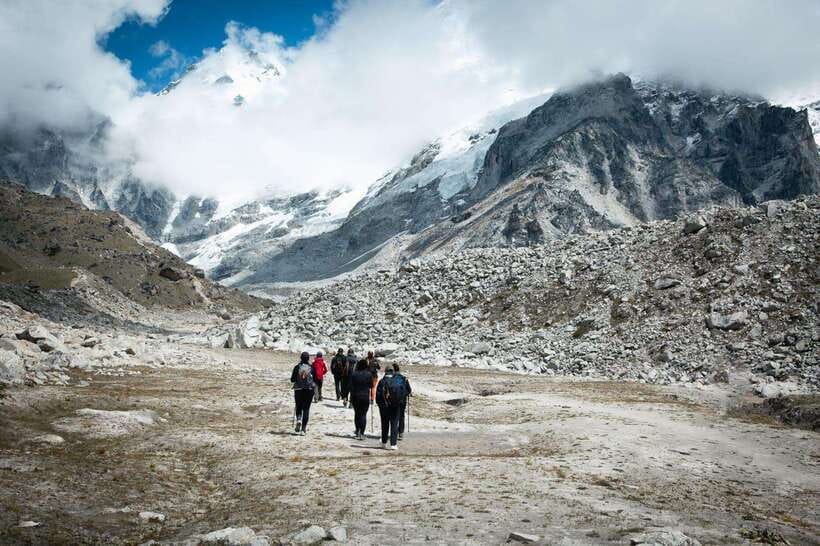
Everest Base Camp is the big draw, but this 12-day trek gives you more than a finish-line photo. The route climbs through Sherpa villages and Sagarmatha National Park, with stops at Namche Bazaar and Tengboche before reaching Base Camp at 5,365 meters and Kala Patthar at 5,545 meters.
I like two things in particular: the planned acclimatization days in Namche and Dingboche, and the chance to see daily life along the trail, not just distant peaks. The guide support also matters here. Saran and Prayas are named by past participants as helpful, attentive guides, and organizer Rajesh is praised for answering questions before departure.
The main drawback is the effort. This is a demanding high-altitude trek, with steep ascents, rocky trails, and a packed schedule. The $408 starting price also needs a close look: flights are included only if that option is selected, and meals are covered only with the full-board option.
At a glance
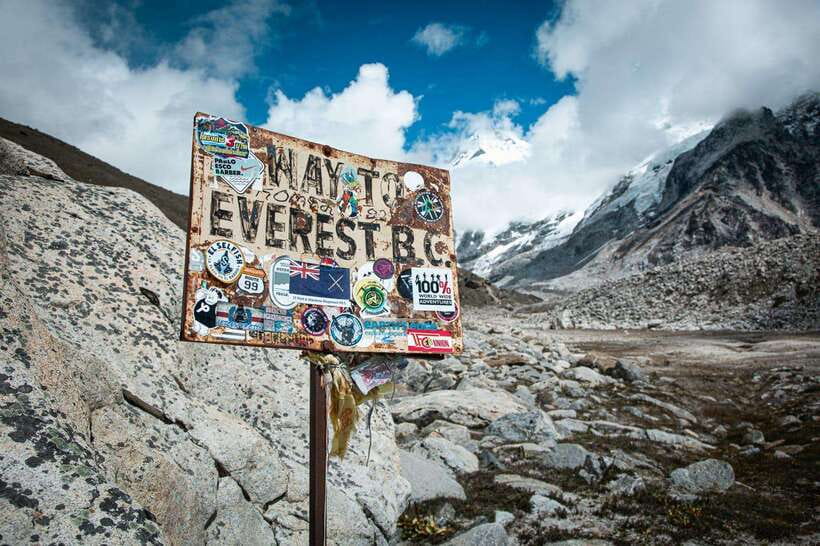
- Everest Base Camp sits at 5,365 meters: The route reaches the foot of the world’s highest mountain, with an optional-feeling but scheduled Kala Patthar hike to 5,545 meters the next morning.
- Namche Bazaar is the key acclimatization stop: You have a full day there to rest and take in the gateway town of the Khumbu region.
- Tengboche adds a cultural pause: Its Buddhist monastery sits at 3,867 meters and offers broad views of the Everest range.
- The route takes 12 days: It begins with a flight from Kathmandu to Lukla and ends with a flight back, with the domestic flights dependent on the option you choose.
- Guide support is a major part of the offer: Saran and Prayas are named as guides, while Rajesh handles trip questions and planning.
- The base price is not an all-inclusive figure: Food and drinks require the full-board option, and flights are included only if selected.
From Lukla, the trail begins in earnest
Day one starts with a flight from Kathmandu to Lukla, followed by a trek to Phakding at 2,610 meters. Lukla is the trailhead for this route, and the first walking day is a useful introduction to the rhythm of the trek: you leave city travel behind and start moving on foot through the Khumbu region.
The first night in Phakding keeps the initial walking stage relatively modest compared with the days ahead. Still, this is not a casual stroll. The full trip includes repeated climbs and descents, rocky paths, and suspension bridges, so it pays to arrive ready for long days on your feet.
On day two, you continue to Namche Bazaar, listed at 3,440 meters. Namche is a major stop on the route, both for its Sherpa culture and as the place where you begin to adjust to the altitude. It is also a market town, so you have a chance to look at local crafts and get a sense of how the Everest region’s main settlement works.
More Everest Base Camp treks in Kathmandu:
- Everest Base Camp Trek – 14 Days
★ 5.0 · 1,499 reviews - Everest Base Camp Trekking
★ 5.0 · 485 reviews - Everest Base Camp Trekking – 13 Day
★ 5.0 · 365 reviews
Namche Bazaar gives the trek room to breathe
Day three is set aside for acclimatization in Namche. That rest day is one of the itinerary’s most practical features. The trail climbs steadily after this point, and having a day without a change of overnight stop gives you time to slow down and take stock before going higher.
Namche is more than a place to wait out a day. It is described as the gateway to the Everest region, and its mix of market activity, mountain surroundings, and Sherpa culture makes it a natural place to pause. I like that the schedule leaves space here rather than pushing straight onward. The trade-off is that the trek remains tightly timed overall, so this is a planned rest, not a spare day that can be shifted around at will.
Tengboche brings mountain views and monastery life
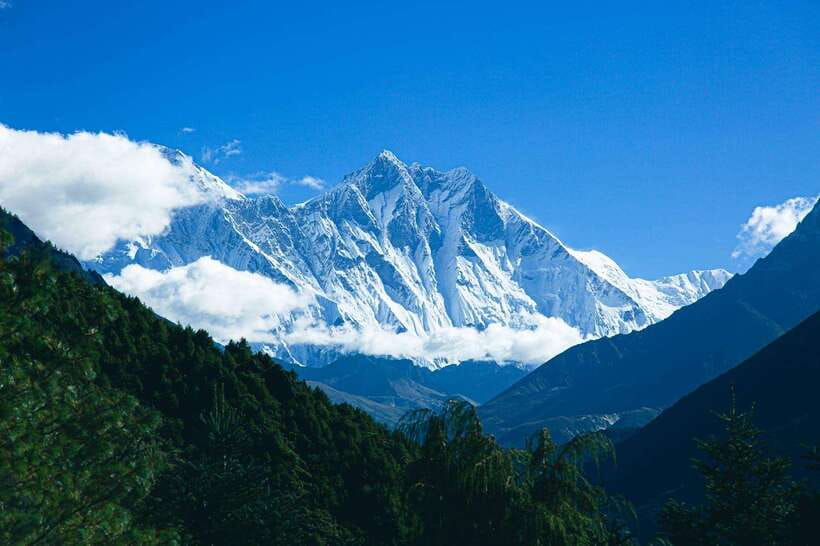
On day four, you trek to Tengboche, listed at 3,800 meters in the itinerary. The monastery itself is given an elevation of 3,867 meters. This is one of the route’s most meaningful cultural stops, as well as a scenic one: the monastery is known for panoramic views of the Everest range and for its Buddhist rituals and ceremonies.
The trek’s cultural value is not limited to a single landmark. Along the way, you pass Sherpa villages and have the chance to learn about local traditions and daily life. The cultural highlights also include a museum visit, though the specific museum is not named. If you are choosing between a quick mountain dash and a route with some context, these stops help make the journey feel like more than a long approach to Base Camp.
Dingboche is another useful pause
Day five takes you to Dingboche at 4,400 meters, followed by a rest day there on day six. That second scheduled break is welcome in a trek that keeps gaining height. It also gives you time to appreciate the change in scenery as the route leaves the lower, greener stretches behind for more rugged terrain.
The itinerary does not spell out a specific activity for the Dingboche rest day, so treat it as recovery time rather than a promised excursion. At this elevation, the trek is already a serious physical undertaking. You will want to keep your pace measured and listen to your guide, whose role becomes especially important as the route gets higher and the walking grows more demanding.
More multi-day treks in Kathmandu:
- Everest Base Camp Trek -14 Days
★ 5.0 · 321 reviews - Everest Base Camp Trekking – 2025/2026
★ 5.0 · 199 reviews - Everest Base Camp Trek
★ 5.0 · 193 reviews - Everest Base Camp Trek with Helicopter Return from Gorakshep to Lukla
★ 5.0 · 161 reviews
The trail turns rugged on the way to Lobuche
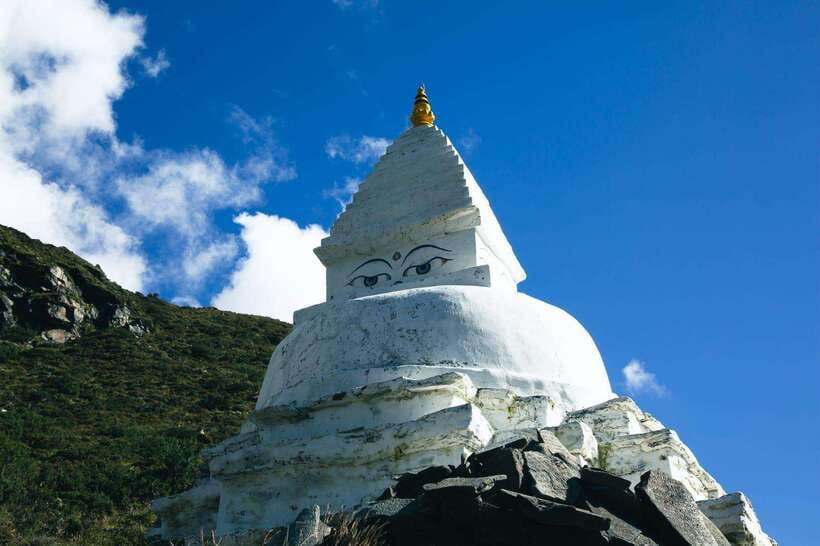
Day seven is the climb to Lobuche at 4,900 meters. The route’s general character is a mix of ascents, descents, rocky trails, and glacial terrain. You should expect the scenery to grow barer and more dramatic as the trek approaches the high point of the trip.
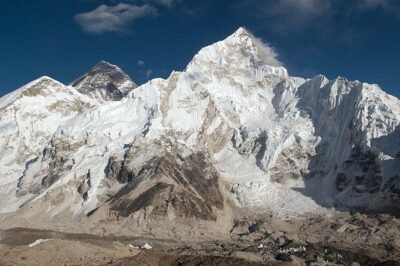
This is where the adventure can feel less like a village-to-village walk and more like a high-mountain journey. The views include peaks such as Lhotse, Nuptse, and Ama Dablam, along with Everest. Mountain weather and visibility can affect what you see on any given day, so the route’s appeal is not just a single clear view of Everest. It is the sequence of changing terrain and the sense of moving deeper into the Khumbu.
Gorak Shep leads to Everest Base Camp
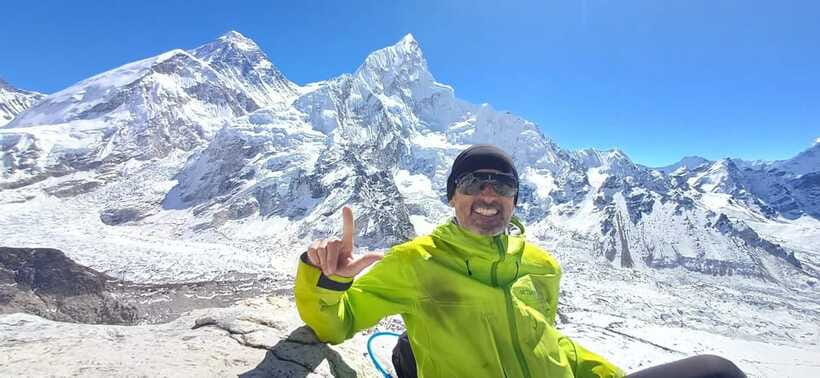
On day eight, you trek to Gorak Shep at 5,150 meters, then continue to Everest Base Camp at 5,365 meters. Gorak Shep is the last settlement before Base Camp, making it an important staging point for the final approach.
At Base Camp, the reward is standing beside the Khumbu Icefall and surrounding glaciers, with the world’s highest peak close by in the wider mountain scene. Base Camp itself is not the place for a broad, unobstructed view of Everest, which is why the following morning’s Kala Patthar hike matters. Reaching the camp is still a powerful goal, but it is also a demanding day at very high elevation. The route is best suited to someone who understands that a landmark arrival takes effort, not just enthusiasm.
Kala Patthar is the high point, then the return begins
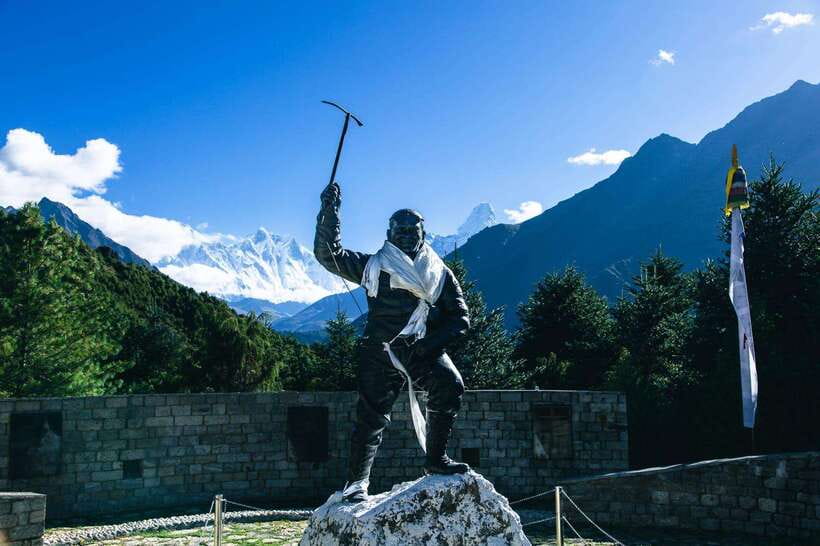
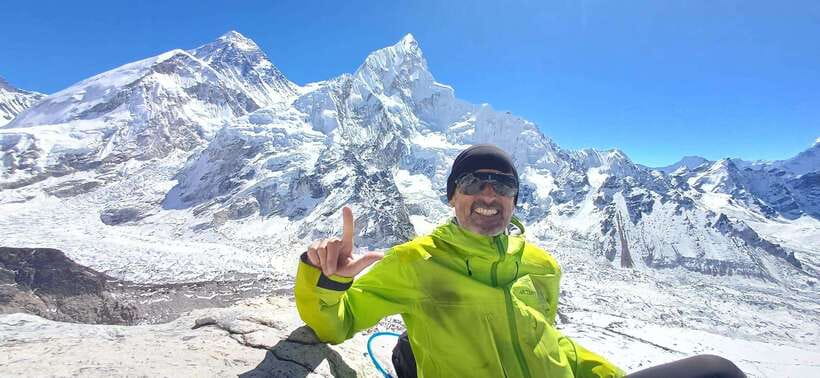
Day nine starts with a hike to Kala Patthar at 5,545 meters, followed by a descent to Pheriche at 4,200 meters. Kala Patthar is the route’s highest listed point and is known for close-up views of Everest and nearby peaks, particularly around sunrise. The early start and high elevation make this a physically challenging part of the trip, but it is also where the mountain panorama can be most rewarding.
After Kala Patthar, the trek turns back toward lower ground. The schedule continues with a walk to Namche on day ten, then to Lukla on day eleven. Day twelve is the return flight to Kathmandu. The descent does not mean the work is over: walking downhill on uneven trails can still be tiring, especially after several days at altitude. The itinerary keeps the return moving, with no extra day listed in Lukla or Kathmandu.
What the $408 price does, and does not, cover
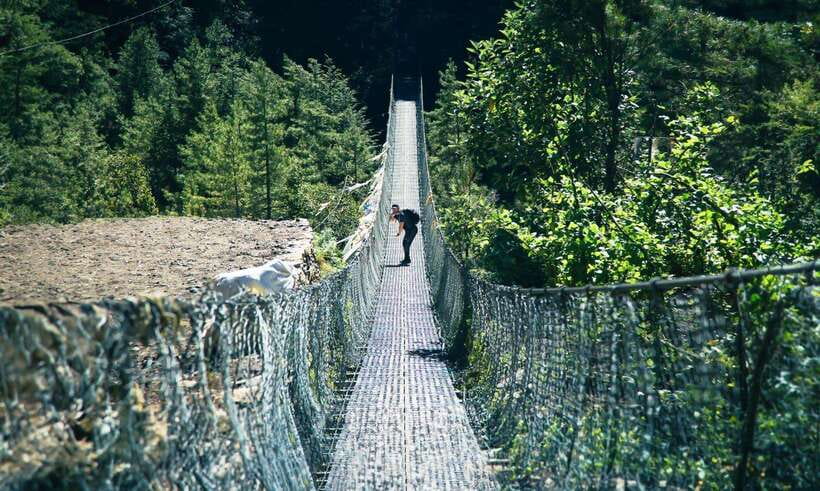
The listed starting price is $408 per person, but the total value depends on the options attached to your booking. Accommodation during the trek, a guide, the guide’s accommodation and food, the Sagarmatha National Park permit, a trekking map, and a first-aid kit are included. Hotel pickup and drop-off are also listed, though pickup is optional.
The two major qualifications are flights and meals. Round-trip domestic flights between Kathmandu and Lukla are included only if you select that option. Food and drinks are included only with the full-board option. Before you compare prices, check which of these options is part of the amount you see. A low starting figure can look attractive, but it is only useful if you know what remains to be paid for.
The package also includes welcome and farewell coffee. That is a small extra beside the cost and effort of a 12-day trek, but it rounds out the service. Nepal’s visa fee and travel insurance are not included. Since insurance is left to you, arrange it separately and check that it suits the high-altitude trek you plan to take.
Guide support can make a hard trek feel manageable
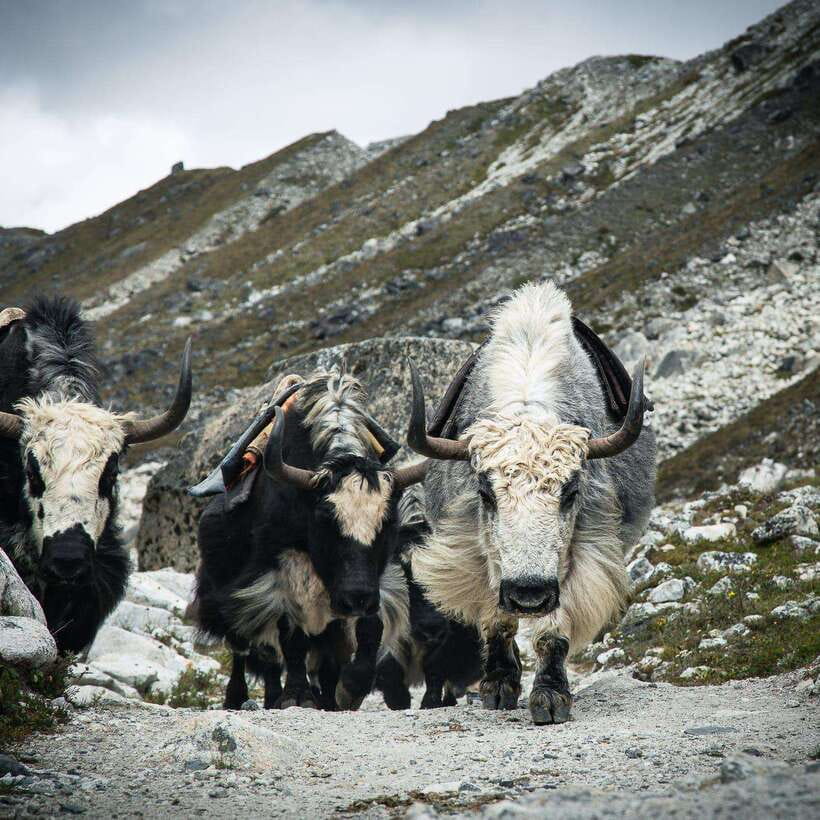
The strongest practical feature of this experience is the attention given to guiding and trip organization. Saran and Prayas are named as English-speaking guides, and accounts of the trek describe Saran as attentive and encouraging. One solo participant said he helped with a heavy pack when she was exhausted, checked on her condition, and took photos and videos along the way. Another person who became ill near the end received medical assistance and a porter for the final day.
Those are individual experiences, not a guarantee of identical help on every departure. Still, they point to the sort of support you should value on a trek where the route is physically demanding and communication matters. Rajesh, the organizer, is also praised for quick WhatsApp replies and practical preparation advice. If you are traveling alone or have questions before you go, clear communication with the company is worth confirming in advance.
A small group is available, but the exact group size is not specified. That means you should ask how many people are expected on your departure if group size is important to you. The guide’s language is English, and one participant who was not comfortable speaking English said daily communication remained workable. That is reassuring, but it is still sensible to discuss any specific communication needs before booking.
Who should choose this trek
This tour suits you if reaching Everest Base Camp is a major personal goal and you want a guided route that also includes Sherpa villages, Namche Bazaar, Tengboche Monastery, and Sagarmatha National Park. The acclimatization days, guide support, and organized accommodation make it more structured than arranging each part yourself.
It is not a good match if you want a relaxed mountain holiday or are uncomfortable with sustained walking at high altitude. The route reaches 5,545 meters, and the itinerary includes demanding terrain and multiple long trekking days. You should also be prepared for a schedule with little spare time: the full route spans 12 days from Kathmandu to Kathmandu.
I would compare the final cost carefully, especially the flight and meal options, and ask the organizer exactly what your chosen price includes. If the options fit your needs and you are ready for the physical challenge, this is a strong way to pair an iconic destination with meaningful cultural stops. If you mainly want easy views of Everest, the effort and altitude of this trek are more than you need.
Should you book it?
Book this trek if you want the full walking journey to Base Camp, not just a quick mountain snapshot, and you value having an English-speaking guide and planned acclimatization days. The route offers a satisfying mix of big peaks, Sherpa culture, monastery life, and high-altitude challenge.
Pause before booking if your budget depends on the $408 figure covering everything, or if you need a flexible schedule. Confirm whether flights and full-board meals are included in your chosen option, ask about group size, and arrange travel insurance yourself. With those details clear, the main question is straightforward: are you ready for twelve days of hard walking in the high Himalaya?
FAQ
How long is the Everest Base Camp trek?
The experience lasts 12 days, starting with a flight from Kathmandu to Lukla and ending with a flight back to Kathmandu.
What is the highest point on the route?
The itinerary includes a hike to Kala Patthar at 5,545 meters. Everest Base Camp is listed at 5,365 meters.
Are flights between Kathmandu and Lukla included?
Round-trip domestic flights are included if you select the option that includes them. Check your chosen option before booking.
Are meals included in the price?
Food and drinks are included only if you select the full-board option.
What is included in the trek?
The listed inclusions are accommodation during the trek, a guide and the guide’s accommodation and food, a Sagarmatha National Park permit, trekking map, first-aid kit, and welcome and farewell coffee. Hotel pickup and drop-off are listed, with pickup optional.
What costs are not included?
The Nepal visa fee and travel insurance are not included. Flights and meals depend on the options you choose.
What language does the guide speak?
The live tour guide speaks English.
Can I cancel for a refund?
You can cancel up to 24 hours in advance for a full refund. The booking option also allows you to reserve now and pay later.
Newly listed in Kathmandu
- Traditional Momo Making Class★ 5.0 · 10 reviews
- Walking tour of real Kathmandu through back streets.★ 5.0 · 3 reviews
- Kathmandu 2 Nights 3 Days Chitwan Jungle Safari Tour★ 5.0 · 9 reviews
- Visit Swayambhunath and Bauddhanath Stupa with Guide★ 5.0 · 5 reviews
- Walking tour of Kathmandu with awesome local guides★ 5.0 · 4 reviews
- Kathmandu Street Food Walking Tour – Eat Like a Local★ 5.0 · 3 reviews
- Private Manaslu Circuit Trek at Himalayas★ 5.0 · 3 reviews
- Kathmandu to Pokhara Vip Sofa Bus Ticket★ 4.0 · 4 reviews
Everest Base Camp Treks, compared.
Everest Base Camp Trek with Helicopter Return from Gorakshep to Lukla
Read our review →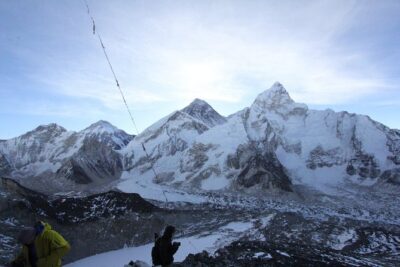
Browse the lists this tour appears in