
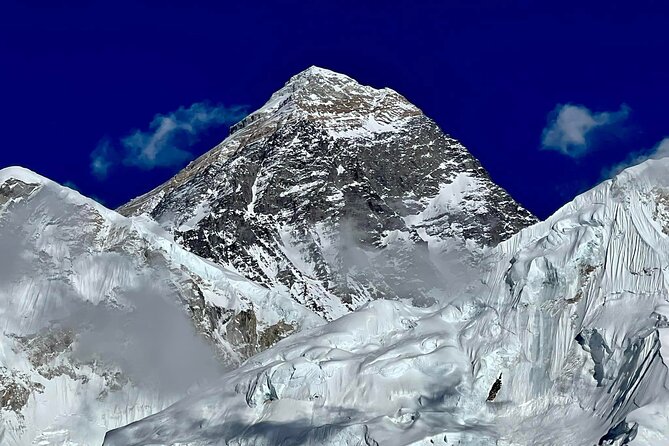
Reviewed · EVEREST BASE CAMP TREKS
Luxury Everest Base Camp Trek -11 Days
The big twist on this Everest Base Camp trek comes at the end: instead of retracing the trail all the way to Lukla, you return from Gorakshep to Kathmandu by shared helicopter. That saves days of walking and gives you another chance to see the Everest region from the air, though mountain weather can delay flights.
I like two things about the plan: two acclimatization days give your body time to adjust, and upgraded teahouses make the high-altitude nights more comfortable than a basic lodge trek. Meals, a guide, a porter shared between two clients and the main trail permits are included, which makes the $4,500 price easier to assess.
The main consideration is the altitude, not the walking distance alone. You climb to Kala Patthar at 5,545 meters, and this is still a demanding trek, even with improved lodging and a helicopter exit. A weather delay can also mean extra costs that are not covered in the tour price.
The details that matter
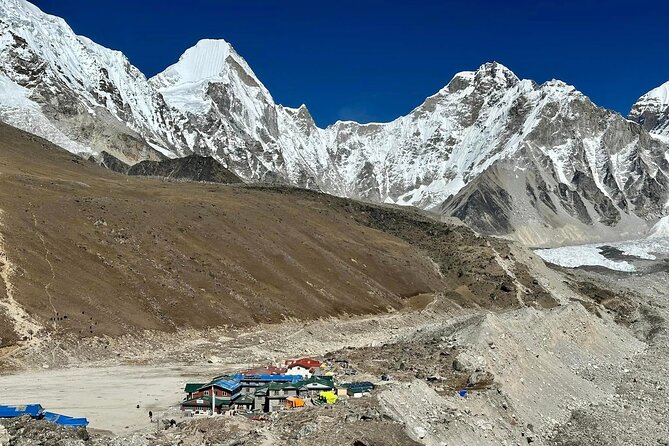
- A helicopter replaces the return trek: The shared flight from Gorakshep to Kathmandu is the trip’s defining convenience, but weather can affect mountain flights.
- Two days are set aside for acclimatization: You pause around Namche Bazaar and Dingboche as the route climbs toward Everest Base Camp.
- The high point is Kala Patthar: At 5,545 meters, this viewpoint is the trek’s top elevation and a major reason to carry warm layers and take the pace seriously.
- Upgraded teahouses are included: Expect twin-share lodging on the trail, not luxury hotels at every stop.
- The package covers much of the practical groundwork: Trail meals, a guide, porter support, permits and the Kathmandu to Lukla flight are included.
- Guide and company names to know: Prakash is named as a guide, and Bhagwat, the company owner, is noted for hands-on planning. Confirm who will lead your specific departure.
Kathmandu is the soft landing before the trail
The tour begins at Tribhuvan International Airport, where a company representative meets you and transfers you to your hotel by private vehicle. The package includes two nights at a five-star Kathmandu hotel with breakfast, a useful buffer before and after the trek rather than a night spent rushing straight from an international flight to the mountains.
That extra comfort is welcome, but it is not an all-inclusive city stay. Lunch and dinner in Kathmandu are not included, nor are extra hotel nights if you arrive early, leave late or return from the mountains ahead of schedule. Budget for those separately.
The departure time is listed as 6:00 am, with the start point at the airport. Since the route may fly from Kathmandu or from Ramechhap to Lukla, ask the operator which airport your departure will use and how the transfer is handled if the flight operates from Ramechhap.
More Everest Base Camp treks in Kathmandu:
- Everest Base Camp Trek – 14 Days
★ 5.0 · 1,499 reviews - Everest Base Camp Trekking
★ 5.0 · 485 reviews - Everest Base Camp Trekking – 13 Day
★ 5.0 · 365 reviews
Lukla to Phakding begins the walking
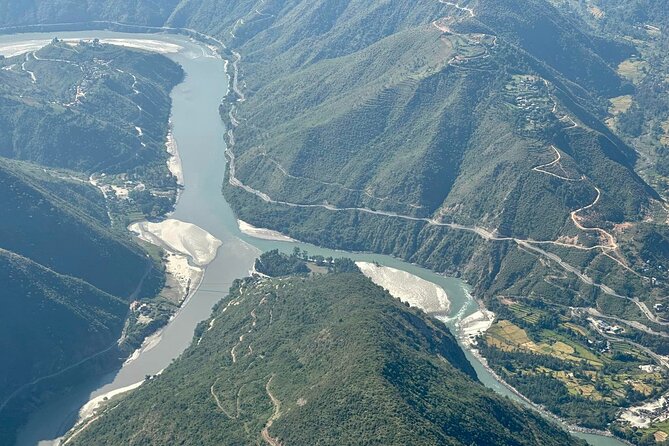
On Day 2, you fly to Lukla, at 2,860 meters, then begin walking toward Phakding. The flight is the gateway to the trek, and it also introduces a practical reality of this itinerary: mountain flying depends on conditions, so schedules can change.
The first walk gives you time to settle into the rhythm of trekking before the trail pushes higher. Meals on the trekking days are included, and the company provides a duffle bag for use during the trek, which is returned afterward. Pack personal essentials in a day bag and check with the operator about what the porter will carry.
Namche Bazaar brings the first big climb
Day 3 takes you from Phakding to Namche Bazaar, at about 3,440 meters. It is a substantial step upward, and the altitude starts to matter more than the mileage. Walk steadily, drink regularly and tell your guide if you feel unwell rather than trying to keep pace with someone else.
Namche is a key stop on the route and a natural place to pause before going higher. The itinerary gives the following day to acclimatization, a sensible choice that helps make the schedule more than a race toward base camp.
Acclimatization near Hotel Everest View
Day 4 is set aside to help you adjust to the altitude, with the itinerary placing the day around 3,880 meters and including time at Hotel Everest View. This is not a rest day in the sense of doing nothing. The point is to spend time at elevation without pushing onward to a much higher sleeping altitude.
The next day begins from Hotel Everest View and continues toward Tengboche. Because the exact walking plan and overnight arrangement can matter at this point, confirm these details with the operator before departure. The tour lists upgraded teahouses, but does not specify each night’s property.
More multi-day treks in Kathmandu:
- Everest Base Camp Trek -14 Days
★ 5.0 · 321 reviews - Everest Base Camp Trekking – 2025/2026
★ 5.0 · 199 reviews - Everest Base Camp Trek
★ 5.0 · 193 reviews - Everest Base Camp Trek with Helicopter Return from Gorakshep to Lukla
★ 5.0 · 161 reviews
Tengboche and the approach to Dingboche
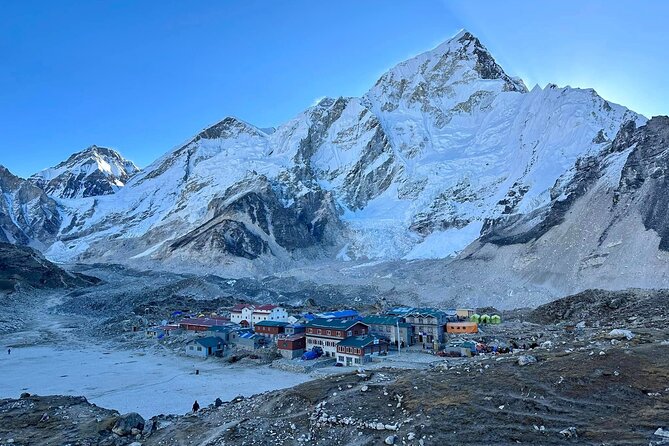
Day 5 is a four- to five-hour walk from Hotel Everest View to Tengboche, at roughly 3,820 meters. It is a shorter day by the tour’s estimate, giving you time to take in the mountain setting and arrive without treating every hour as a race.
On Day 6, the route continues from Diboche to Dingboche, at 4,360 meters, in about five to six hours. The itinerary refers to Diboche at the start of the day and Tengboche the day before, so ask the company to confirm the overnight stop and exact route. That small clarification is worthwhile when you are planning a high-altitude trip.
Dingboche gives your body another pause
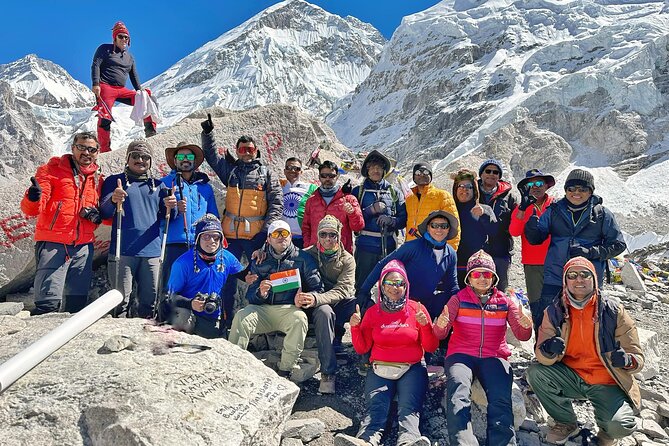
Day 7 is another acclimatization day at Dingboche. With the route already above 4,000 meters, this pause is one of the most useful parts of the schedule. You are gaining height gradually, rather than stacking long walking days without time to adapt.
The schedule does not spell out a specific acclimatization hike or activity, so do not assume one is included. Ask your guide what the day will involve and follow their advice about effort and symptoms. You want to reach the final stretch feeling capable, not merely determined.
Lobuche marks the high, stark stretch
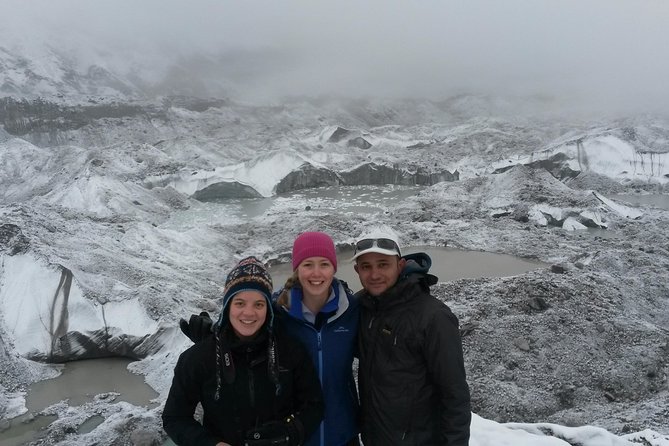
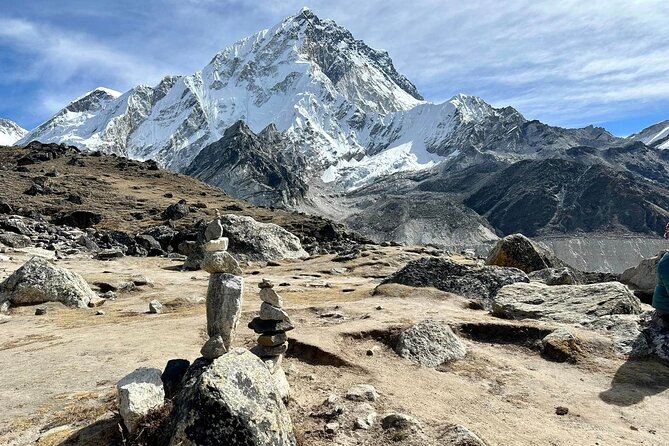
The walk from Dingboche to Lobuche is estimated at five to six hours. The route crosses high-altitude terrain, with rocky ground and changing weather conditions. The views are a reward, but this is also where the trek can feel more exposed and physically taxing.
Upgraded teahouses help with comfort, but they do not remove the effects of thin air or cold. Bring suitable layers and personal essentials, and check what is provided at the lodges. Hot showers, bottled or boiled water, battery charging and laundry are listed as personal expenses, so allow for those costs if you expect to use them.
Everest Base Camp and Gorakshep
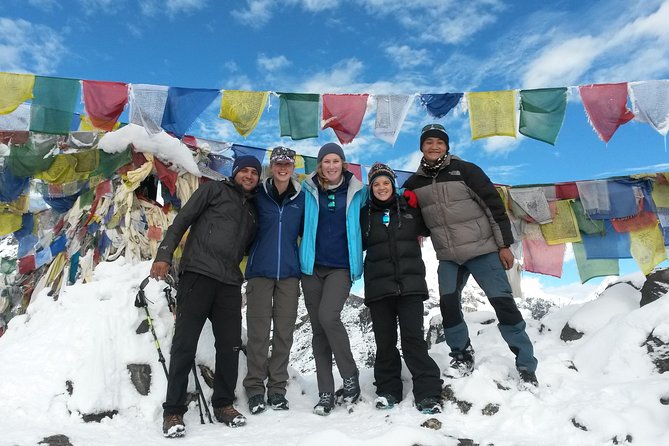
Day 9 is the longest described walking day: about six to seven hours from Lobuche to Gorakshep and Everest Base Camp. The trail climbs over rocky terrain and glacial moraines, with views of the surrounding peaks. The effort is real, and the high elevation can make an ordinary walking pace feel slow.
The route includes Everest Base Camp, then returns to Gorakshep for the night. Base camp is a destination with a powerful name, but the views and conditions depend on season and weather. The itinerary promises mountain scenery, not a guaranteed clear view of Everest from every stop.
Kala Patthar and the helicopter exit
Day 10 begins with a hike from Gorakshep to Kala Patthar, at 5,545 meters. This is the highest point of the trek and a major viewpoint for the Everest region. The climb is strenuous because of the altitude, so take it at your guide’s pace and do not treat the summit as a test of willpower.
The tour includes a shared helicopter from Gorakshep to Kathmandu. This is the feature that most changes the character of the trip: you avoid several days of walking back down the trail and gain an aerial view of the mountains. It is not a private helicopter, and a flight is subject to weather. The company notes that delays or other mountain disruptions can lead to extra expenses, so travel and rescue insurance is not optional planning in my book, even though it is not included.
The itinerary’s wording does not make the precise timing of the helicopter and the Kathmandu arrival completely clear. Confirm whether the flight is planned for Day 10 and what happens if weather prevents departure. The package includes the fare, but not additional mountain expenses if you are delayed.
A farewell dinner, then home
The package includes a final-night farewell dinner at an authentic Nepalese restaurant with a cultural performance. It is a pleasant way to close the trip, though the included meal counts specify nine dinners during trekking, so confirm how the farewell dinner fits into your meal plan.
Day 11 includes a private transfer to the airport, planned for about three hours before your scheduled flight. International airfare to and from Kathmandu is not included. The tour also excludes visa fees, personal spending, tips for the guide and porter, and meals in Kathmandu.
What the $4,500 price buys
At $4,500 per person, this is not a low-cost teahouse trek. The value lies in bundling the major logistics: airport pickup, two nights in a five-star Kathmandu hotel with breakfast, trail accommodation, meals while trekking, permits and fees, a guide, porter support, the Lukla flight and a shared helicopter return.
That combination can reduce the amount you need to arrange independently, especially if this is your first Nepal trek. A porter is provided at a ratio of one for every two clients, so this is support for your group, not an individual porter for each person. The tour is private, meaning only your group participates, but the helicopter is shared.
There are meaningful exclusions. International flights, Nepal visa, travel and rescue insurance, Kathmandu meals, tips and personal expenses are yours to cover. Extra nights or costs caused by weather or an early return are also outside the package. The listed meals include eight lunches, nine dinners and ten breakfasts, so check the schedule against your travel dates and ask what meals are covered on flight days.
Who should book this trek
This tour suits you if you want the classic Everest Base Camp route but value more comfortable trail lodging and a quicker return to Kathmandu. The helicopter is a strong fit for anyone who wants the high-altitude walking experience without adding the full return trek to Lukla.
It may also suit a family with fit, altitude-aware members, as the operator says families can take the trek. Still, the stated requirement is moderate physical fitness, and the route reaches 5,545 meters. A family label does not make the altitude easy; discuss health and fitness with a medical professional and the operator before booking.
The company has a strong emphasis on personal planning and service. Prakash is named as a guide, while Bhagwat is associated with organizing trips and responding to questions. Those names are useful points of contact, but ask who will actually guide your departure and what support is available if someone needs to stop or descend.
Should you book it?
Book this trek if you want Everest Base Camp, two acclimatization days, upgraded teahouses and a helicopter return, and you are comfortable paying for a well-supported private package. Before you commit, clarify the exact overnight stops, the Lukla flight departure airport, what happens during weather delays, and which guide will lead your group.
Choose a different plan if you want the lowest possible price, dislike flying in small mountain aircraft or prefer to walk back through the Khumbu. For the right person, the helicopter saves time without skipping the main trek, but altitude and weather still set the terms.
FAQ
How long is the Luxury Everest Base Camp Trek?
The tour lasts approximately 11 days, starting and ending at Tribhuvan International Airport in Kathmandu.
What is the price per person?
The listed price is $4,500 per person.
Is the tour private?
Yes. Only your group participates in the trekking activity.
What time does the tour start?
The listed start time is 6:00 am, with the starting point at Tribhuvan International Airport in Kathmandu.
Is airport pickup included?
Yes. Airport pickup and a private vehicle transfer to the hotel are included.
How do you return from the Everest region?
The package includes a shared helicopter from Gorakshep to Kathmandu. Mountain weather can delay flights.
Are meals included?
Lunch, dinner and breakfast are included during the trek. The package lists eight lunches, nine dinners and ten breakfasts. Meals in Kathmandu are not included.
What accommodation is included?
The package includes two nights at a five-star hotel in Kathmandu with breakfast, plus twin-share accommodation in upgraded teahouses during the trek.
Are a guide and porter included?
Yes. An experienced guide and a porter are included, with one porter for every two clients.
Can I cancel for a full refund?
You can cancel at least 24 hours before the experience’s start time for a full refund. Cancellations made less than 24 hours before the start time are not refundable.
Newly listed in Kathmandu
- Traditional Momo Making Class★ 5.0 · 10 reviews
- Walking tour of real Kathmandu through back streets.★ 5.0 · 3 reviews
- Kathmandu 2 Nights 3 Days Chitwan Jungle Safari Tour★ 5.0 · 9 reviews
- Visit Swayambhunath and Bauddhanath Stupa with Guide★ 5.0 · 5 reviews
- Walking tour of Kathmandu with awesome local guides★ 5.0 · 4 reviews
- Kathmandu Street Food Walking Tour – Eat Like a Local★ 5.0 · 3 reviews
- Private Manaslu Circuit Trek at Himalayas★ 5.0 · 3 reviews
- Kathmandu to Pokhara Vip Sofa Bus Ticket★ 4.0 · 4 reviews
Everest Base Camp Treks, compared.
Everest Base Camp Trek with Helicopter Return from Gorakshep to Lukla
Read our review →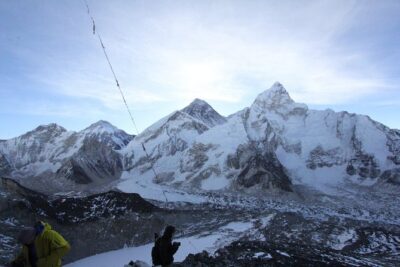
Browse the lists this tour appears in