
Reviewed · EVEREST BASE CAMP TREKS
Makalu Base Camp Trek
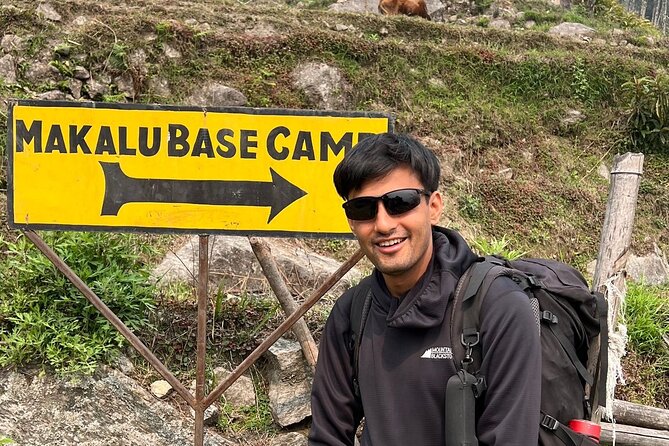
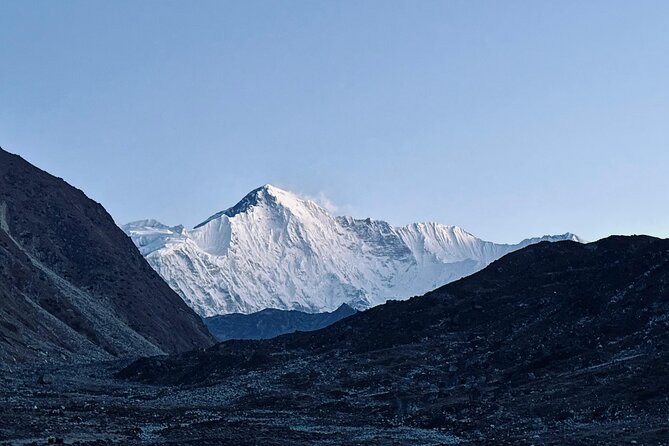
Makalu Base Camp is a trek for people who want the Himalaya at its quieter, rougher end. Over about 15 days, you move from green forest and farms into high valleys beneath Makalu, the world’s fifth-highest mountain, with Everest, Lhotse and Baruntse also in view from parts of the route.
I like two things in particular: the trail passes through Makalu-Barun National Park, with a marked shift from waterfalls and rhododendron forest to alpine terrain, and the trek includes a rare chance to walk days without the busy traffic found on Nepal’s best-known routes. Local Rai, Sherpa and Bhotiya communities add a human dimension to the journey.
The trade-off is real: this is a remote trek with long walking days, steep climbs and basic overnight stays. The two high passes make acclimatization and steady pacing important, and the $1,750 price does not include personal insurance, tea and coffee, bottled water or alcohol.
At a glance
- About 15 days on foot: Expect daily walks of roughly four to seven hours, plus a flight and off-road drive at the start.
- Two high passes: Shipton La reaches 4,170 meters, while Keke La reaches 4,150 meters.
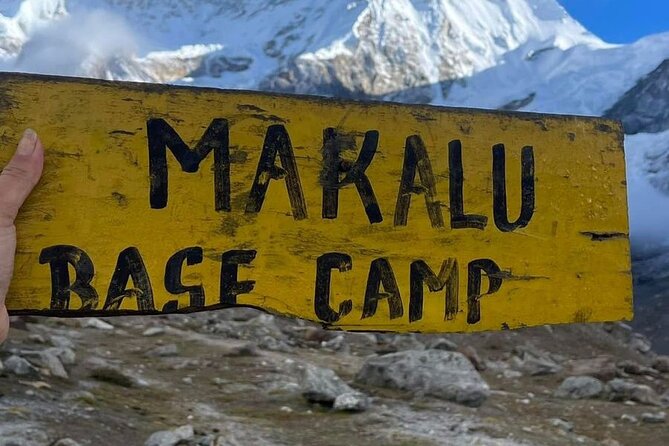
- A wilderness finish: The route climbs to Makalu Base Camp, with an optional walk toward Barun Glacier.
- Flights are included: Kathmandu to Tumlingtar flights are part of the package; the return flight may be the same day or the following morning, depending on timing.
- Basic lodging, not a resort trek: Teahouses are the norm, with a basic lodge or tented stay near base camp.
- Guide and meal support: An English-speaking guide, guide and porter insurance, and most meals are included.
From Tumlingtar into Makalu-Barun
The trek begins at Tribhuvan Airport in Kathmandu, with a listed start time of 12:15 am. That is an unusually early meeting time, so confirm the exact pickup plan and where to meet before you travel. A roughly 45-minute flight to Tumlingtar is followed by a four- to five-hour off-road drive toward the trail. The transfer is part of the adventure, but it is also a long opening day, so arrive rested if you can.
Your first night is in a teahouse. The route then drops steeply toward the Arun River before climbing steeply to Seduwa, a five- to six-hour walking day. This quick change in elevation is a good reminder that the early stages are not simply a gentle warm-up. Keep your pace measured and let your guide help set a rhythm that leaves energy for the days ahead.
The next day is gentler, following farms and forest for four to five hours. This is a useful contrast to the previous day’s descent and climb, and a chance to notice the settled, working countryside before the trail grows more remote. The itinerary describes contact with Rai, Sherpa and Bhotiya communities along the way. Approach villages as places where people live, not as scenery, and follow your guide’s advice about respectful visits.
More Everest Base Camp treks in Kathmandu:
- Everest Base Camp Trek – 14 Days
★ 5.0 · 1,499 reviews - Everest Base Camp Trekking
★ 5.0 · 485 reviews - Everest Base Camp Trekking – 13 Day
★ 5.0 · 365 reviews
Forest climbs and a day to adjust
Day four brings a long uphill through forest and meadows, taking six to seven hours, with an overnight in a basic lodge or teahouse. The climb asks for patience. A steady pace matters more than speed, especially as the route gains height and the accommodation becomes simpler.
Day five is set aside for short hikes to nearby ridges for acclimatization. That pause is valuable: it lets you adjust before the high passes rather than pressing upward every day. The schedule does not give a fixed distance or elevation gain for these hikes, so ask your guide what the day will involve and how the plan may change with conditions.
I’d treat this as a proper rest-and-adjust day, not a chance to prove how far you can walk. Eat, drink, and tell your guide if you feel unwell. The trip information says a first-aid kit is carried, but your own medical needs and personal insurance remain your responsibility.
Shipton La, Keke La and the high country
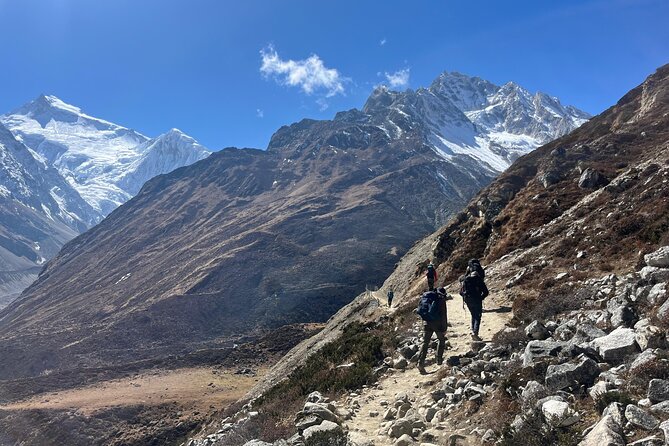
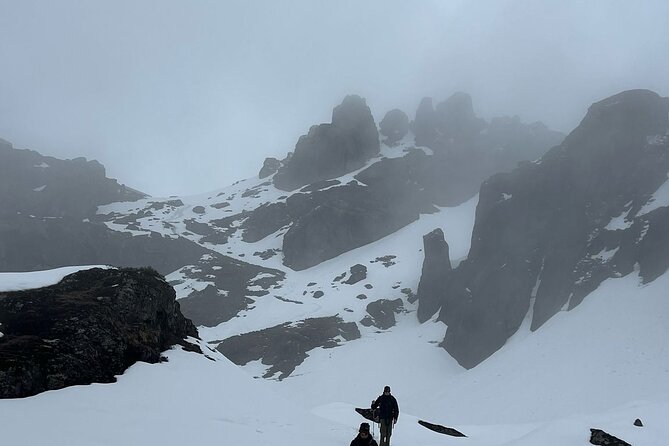
Day six is one of the trek’s defining tests. The route crosses Shipton La at 4,170 meters and Keke La at 4,150 meters, with six to seven hours of walking. It is described as a hard day, but the high passes are also a major reason to choose this route: they carry you from forested country into a stark, elevated world of open views and mountain air.
The altitude is not a minor detail. You may feel the effort more than the distance suggests, and the day can be demanding even for fit walkers. Follow your guide’s pacing, use the acclimatization day well, and do not treat the pass crossings as a race. Trekking poles are available on request; crampons are also listed as available on request, so ask the operator whether they are needed for your departure and what conditions they are intended for.
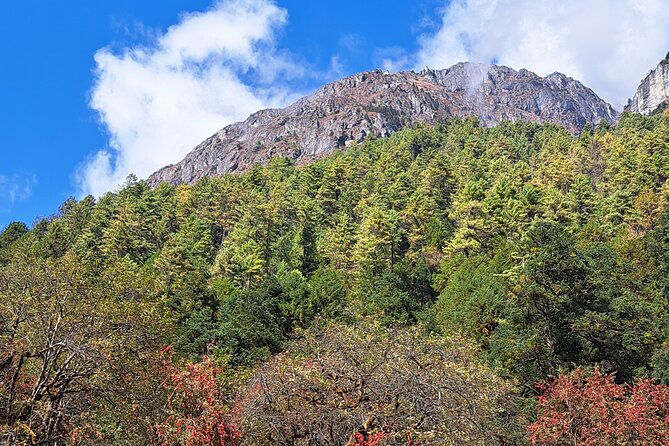
After the passes, the path moves through rhododendron forests and river valleys for five to six hours. The terrain changes again, offering a softer counterpoint to the exposed high route. Rhododendrons and medicinal plants are part of the area’s plant life, while the national park is home to wildlife including red pandas, Himalayan thars and many birds. Wildlife sightings are never guaranteed, so enjoy the habitat itself rather than making an animal encounter the measure of the day.
The approach to Makalu Base Camp
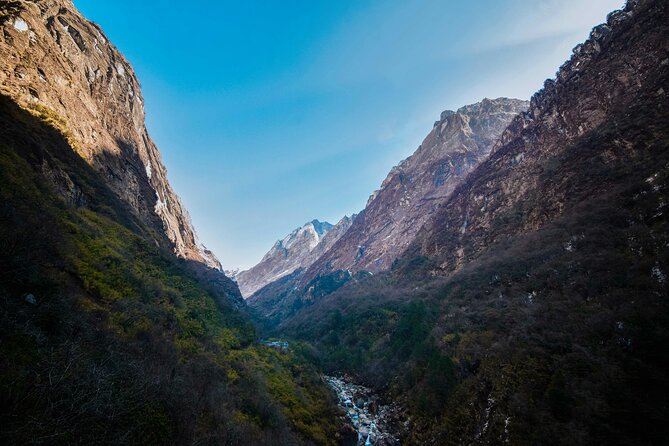
Day eight is a gradual ascent with wide valley views, taking five to six hours. This measured climb helps set up the final approach, though even a gradual trail can feel tiring at altitude. Teahouse nights continue, keeping the trek practical but basic.
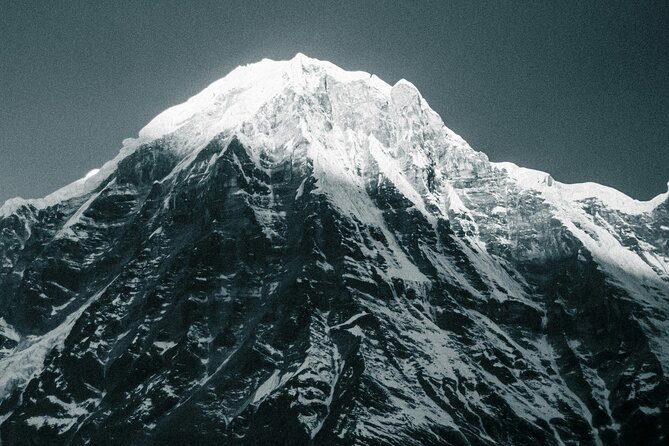
On day nine, you climb to Makalu Base Camp over six to seven hours. This is the destination day and the trek’s visual payoff: the route brings you close to Makalu, with the wider Himalayan setting including views of Everest, Lhotse and Baruntse from distinctive angles. The overnight is in a basic lodge or tented accommodation, a clear sign that comfort gives way to location here.
Day ten allows optional side hikes toward Barun Glacier. This gives you time to look around rather than arriving at base camp and immediately turning back. The exact walk is not specified, so ask about its length, elevation and conditions before setting out. You can spend another night in a teahouse or tented camp, depending on the arrangements.
For many people, this is the emotional center of the trek: not a quick viewpoint reached by road, but a remote place earned over days of walking. Still, the weather can shape what you see. Build flexibility into your expectations, and remember that mountain views are a bonus, not a promise.
More multi-day treks in Kathmandu:
- Everest Base Camp Trek -14 Days
★ 5.0 · 321 reviews - Everest Base Camp Trekking – 2025/2026
★ 5.0 · 199 reviews - Everest Base Camp Trek
★ 5.0 · 193 reviews - Everest Base Camp Trek with Helicopter Return from Gorakshep to Lukla
★ 5.0 · 161 reviews
Retracing the route to Tumlingtar
The return is not a separate, easy trail. Day eleven retraces the route downhill for about seven hours, followed by further walking days of six to seven hours, five to six hours, and then a long descent of six to seven hours. Day fifteen ends with roughly four hours of trekking and a four- to five-hour drive.
That sequence means the trek remains physically demanding after the base camp visit. Descending can be hard on tired legs, and several hours on rough roads may follow the final walk. I would not plan a tight onward connection in Kathmandu based on the same-day return. A flight from Tumlingtar to Kathmandu may be possible that day if timing matches, or it may be the next morning. Confirm the actual plan and leave room for changes.
The round-trip Kathmandu to Tumlingtar flights are included in the package. Local transport is used for the itinerary; private transport is not included, though it can be arranged at extra cost. The early start, off-road transfers and possible overnight before the return flight are all worth clarifying before booking.
What the $1,750 covers, and what it does not
At $1,750 per person, this is a substantial purchase, but it bundles several costly pieces of a remote trek: two-way flights between Kathmandu and Tumlingtar, an English-speaking guide, guide and porter insurance and daily allowances, maps, a first-aid kit, and meals. Breakfast, lunch and dinner are included on most trek days. The meal allowance is one item from the menu, not an open-ended tab, so budget for extras if you tend to order more.
The inclusions list specifies 14 breakfasts, 14 lunches and 15 dinners. That fits a 15-day trip with the first breakfast not included, but check the exact meal plan against your flights and arrival schedule. Bottled water, tea and coffee, and alcoholic drinks cost extra. Refillable water is encouraged, with refills available at teahouses.
Sleeping bags and trekking poles are available on request, as are crampons. Do not assume these will be waiting for you automatically: ask ahead, especially if you need a particular size or have gear preferences. Excess porter service for personal belongings is also available at extra cost. Each porter can carry 20 to 25 kilograms, but that is a porter’s capacity, not a reason to bring a heavy load.
Personal travel insurance and visa fees are not included. You are responsible for arranging insurance suitable for your trip, and for any extra transport or personal purchases. The price is best judged as a guided, flight-supported trek into a remote region, rather than as a low-cost walking holiday. Its value depends on whether you want the guidance and logistics handled, and are comfortable with simple lodging and limited services.
Guides, group size and the right kind of comfort
This is a private activity, so only your group participates. That can make a real difference on a demanding route: your group can walk at its own pace and discuss how to manage the day with its guide. An English-speaking guide is included, along with guide and porter insurance and daily allowances.
Pujan and David are named as guides on past treks, and Raj is also thanked by name in one account. One trekker specifically praised Pujan and David, while another noted that the Bodhi hotel rooms were comfortable for relaxing before and after the trek. Ask who is assigned to your departure, and whether any pre- or post-trek hotel stay is included or must be arranged separately. The trek package details do not list hotel accommodation as an inclusion.
The three available ratings are all five stars, with praise focused on the quiet, natural route, the guide team and the support around the trek. That is encouraging, but a small number of ratings cannot guarantee the weather, views or comfort of your own trip. One account even noted that the weather was the one thing that could have been better, a fair reminder that the mountains do not take requests.
Who should book this trek?
Choose Makalu Base Camp if you value quiet trails, changing ecosystems and a close-up view of a major Himalayan peak more than lodge comforts or a busy social route. The itinerary’s forest, village, pass and glacier-country stages give the trek variety, while its lower traffic can appeal to people who want more solitude.
It is best suited to someone with a moderate level of fitness who is ready for repeated long days and two passes above 4,000 meters. The stated fitness level is moderate, but that should not be read as easy. If you prefer shorter walks, reliable comforts or a flexible schedule with little dependence on weather and flight timing, this may not be the right choice.
Before paying, confirm the flight schedule, the meeting time, the return-night plan, who will guide your group, the available gear, and exactly which meals and lodging are covered. Also check your insurance and budget for water, hot drinks, personal snacks and any extra porter help. Those practical questions can make the difference between a well-matched adventure and an expensive surprise.
Should you book?
I would book this trek if you are comfortable with basic teahouses, remote logistics and long walking days, and if the draw of a quieter route to Makalu matters more to you than polished comfort. The included flights, meals, guide support and private group format give the $1,750 price useful substance.
I would hesitate if you need guaranteed mountain views, dislike rough transfers or are counting on a same-day flight back from Tumlingtar. Confirm the details that matter to you, prepare for altitude and weather, and choose this route for its wild setting, not for convenience.
FAQ
How long is the Makalu Base Camp trek?
The trek takes about 15 days. Walking days range from roughly four to seven hours, with a flight and off-road drive at the beginning and a drive at the end.
What is the price?
The listed price is $1,750 per person.
Are flights between Kathmandu and Tumlingtar included?
Yes. Two-way flights between Kathmandu and Tumlingtar are included. A return flight may be possible on day 15 if timing matches, or the following morning.
What meals are included?
Breakfast, lunch and dinner are included, with one item from the menu. The stated meal counts are 14 breakfasts, 14 lunches and 15 dinners.
Are tea, coffee and bottled water included?
No. Tea, coffee and bottled water are extra. You can buy water along the trail or refill at teahouses, and a refillable bottle is recommended.
What is the highest pass on the route?
Shipton La is 4,170 meters. The route also crosses Keke La at 4,150 meters.
Is accommodation included?
Overnights are in teahouses, with a basic lodge or tented stay near base camp. The package information does not list a specific hotel stay in Kathmandu.
Is trekking gear provided?
Sleeping bags and trekking poles are available on request. Crampons are also listed as available on request, so confirm what is available before departure.
Can I cancel for a full refund?
You can cancel at least 24 hours before the experience start time for a full refund. If poor weather cancels the trek, you will be offered another date or a full refund.
Newly listed in Kathmandu
- Traditional Momo Making Class★ 5.0 · 10 reviews
- Walking tour of real Kathmandu through back streets.★ 5.0 · 3 reviews
- Kathmandu 2 Nights 3 Days Chitwan Jungle Safari Tour★ 5.0 · 9 reviews
- Visit Swayambhunath and Bauddhanath Stupa with Guide★ 5.0 · 5 reviews
- Walking tour of Kathmandu with awesome local guides★ 5.0 · 4 reviews
- Kathmandu Street Food Walking Tour – Eat Like a Local★ 5.0 · 3 reviews
- Private Manaslu Circuit Trek at Himalayas★ 5.0 · 3 reviews
- Kathmandu to Pokhara Vip Sofa Bus Ticket★ 4.0 · 4 reviews
Everest Base Camp Treks, compared.
Everest Base Camp Trek with Helicopter Return from Gorakshep to Lukla
Read our review →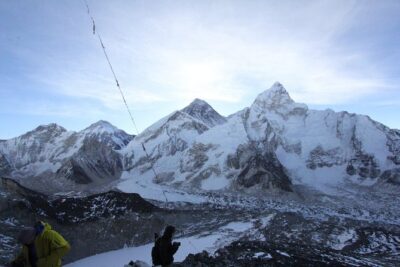
Browse the lists this tour appears in